REVIEW · HYOGO PREFECTURE
Hyogo E-Bike tour through rural Japan
Book on Viator →Operated by Roots & Routes · Bookable on Viator
Mining roads, old bridges, rural Japan—on E-bikes. This Hyogo E-bike tour is special because you pedal the old ore road in Ikuno, a silver-mining town with history reaching back over 1,200 years. You also get a prime stop at Japan’s oldest cast-iron bridge, engineered by French builders more than 170 years ago.
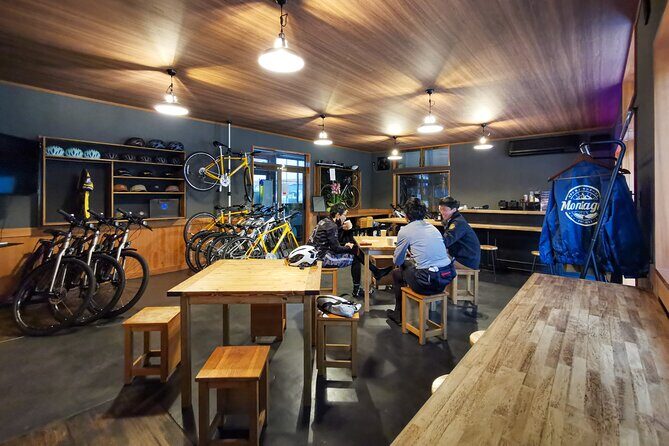
I really like how the route connects people, tools, and place—especially at Mikobata Senkojo. The ruins of the huge ore dressing plant reveal the scale of the work, and you’ll have time to learn from locals and pick up locally made souvenirs. The finish includes a drink at the Roots & Routes cyclist station, which is a nice way to land the day.
One drawback: this isn’t a casual stroll. The tour isn’t recommended if you can’t cycle comfortably or if you’re unfamiliar with basic bicycle operation, and it needs good weather to run well.
In This Review
- Key highlights you’ll feel right away
- The route concept: why this ride feels different from city cycling
- Price and value: what $149.85 buys you in the real world
- Start at Ikuno Station (9:00 am): setting yourself up for an easy day
- Stop 1: Old Official Residence of Ikuno Mine—why this building is a big deal
- Ikuno streets and mine carts at Kuchiganaya
- Habuchi check stop: an old bridge and a quick taste of the route
- Mikobata Cast Iron Bridge: the photo stop built for river views
- Mikobata Senkojo Mine ruins: seeing the scale of industrial work
- The bike station finish: a drink that makes the day feel complete
- What the guides and group setup add to the experience
- When this tour is a perfect match for you
- Small practical tips to enjoy it more
- Should you book the Hyogo E-bike Ikuno to Mikobata tour?
- FAQ
- FAQ
- Where does the tour start and end?
- What time does it start?
- How long is the tour?
- How much does it cost?
- Is it a private tour?
- Are tickets and admissions included?
- Is lunch provided?
- Do I need to know how to ride a bicycle?
- What happens if the weather is bad?
- Can I cancel for a refund?
Key highlights you’ll feel right away
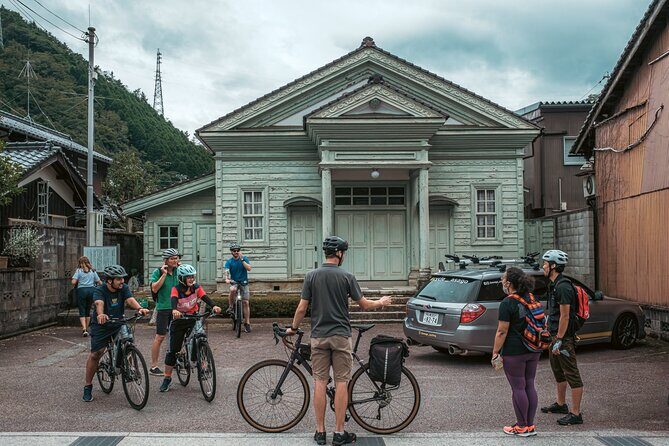
- Ride the ore road in Ikuno along the old railway route that once moved mined ore
- Photo-stop at the oldest cast-iron bridge built by French engineers over 170 years ago
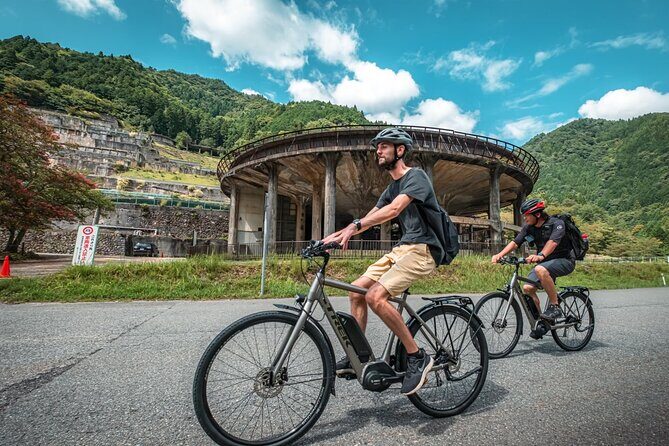
- See the Mikobata ore dressing plant ruins up close and understand their sheer size
- Learn as you go with explanations at each main stop, not just “look and go”
- Easy timing and route pacing for a countryside day that still feels active
- Finish with a drink at the cyclist station so you’re not scrambling after the tour
The route concept: why this ride feels different from city cycling
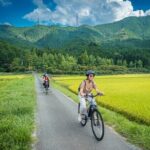
This is a countryside cycling day with structure. You start in the Ikuno area and work your way out toward Mikobata, with planned stops that turn the ride into a moving history lesson. The big win here is that the scenery and the story are the same thing: old mining infrastructure, rivers and shrines, and mountain paths that shape how people used to live and work.
Because it’s an E-bike, the focus stays on the route and the stops rather than pure endurance. You’ll still want to be confident on two wheels, but the day is set up so most of the effort goes into enjoying the countryside and absorbing the explanations.
And it’s paced like a real group experience. You’re not stuck on the bike nonstop, and the breaks are timed for viewing—especially around the bridge and the ore ruins where slowing down pays off.
You can also read our reviews of more cycling tours in Hyogo Prefecture
Price and value: what $149.85 buys you in the real world
At $149.85 per person for roughly 5 to 6 hours, you’re paying for more than just bike rental. You’re paying for a guided route through specific cultural and historical sites, with admissions included at key points and time built into the day for photos, learning, and a meal.
Here’s what stands out for value:
- Admission is included at the Old Official Residence of Ikuno Mine (Stop 1) and at Mikobata Senkojo Mine (Stop 5). That alone offsets part of the cost.
- The tour is private for your group, which matters if you’re traveling with friends or want less crowd pressure.
- Stops are built around meaning, not only scenery. You get context for what you’re seeing, and that turns random sights into a coherent day.
If you love cycling but you also like history that you can physically touch—ruins, infrastructure, and old buildings—this is priced in a reasonable zone for what you actually do.
Start at Ikuno Station (9:00 am): setting yourself up for an easy day
You’ll begin at Ikuno Station at 9:00 am. Starting here matters because it places you right at the mining town area, instead of spending your day commuting through transit corridors.
The tour is described as near public transportation, which is helpful if you’re in the area on a train. You’ll also have a mobile ticket, so you’re not hunting for paper confirmations.
Since it’s a private tour, you can think of it like a guided day-trip for your group. That often leads to smoother pacing and more attention to your ride experience, especially at the bridge and mine stops.
Stop 1: Old Official Residence of Ikuno Mine—why this building is a big deal
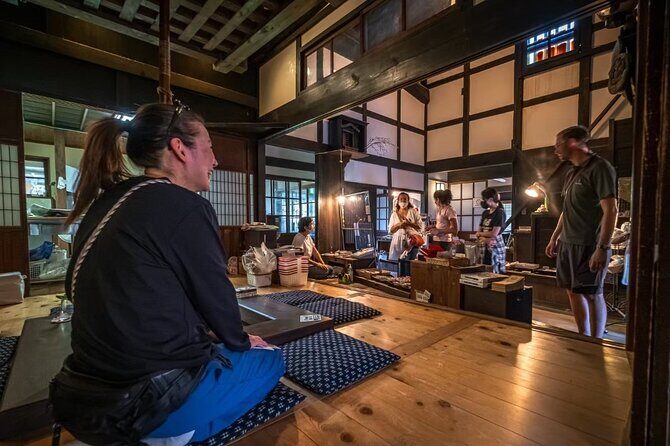
The first stop is the Old Official Residence of Ikuno Mine. This isn’t just an old house. It’s one of the oldest remaining official residence and company housing tied to Japan’s long mining story, located inside the historic silver-mining town of Ikuno.
You’ll get about 30 minutes here, and admission is included. What makes this stop worth it is that it gives you a human scale. Before you’re staring at bridges and industrial ruins, you understand how the mining operation organized living spaces for people who ran and supported the work.
Practical note: take a minute to slow down and look at details while you can still enjoy them. Early in the tour, you’ll be less tired and more ready to connect the architecture to the history you’ll hear next.
Ikuno streets and mine carts at Kuchiganaya
After the first stop, you’ll cycle through Ikunocho Kuchiganaya, where the town’s 1200+ years of mining history comes forward in the most physical way possible. One highlight is walking along the tracks of the mine carts that once carried ore.
This segment is short—about 30 minutes—and it’s free. That’s a nice balance: a meaningful stop without dragging the day out. It’s also an easy place to pause and take photos of the ground-level traces of industrial activity.
If you’re the type who likes understanding how people moved materials, this is a rewarding break before the ride shifts toward the deeper valley.



Habuchi check stop: an old bridge and a quick taste of the route
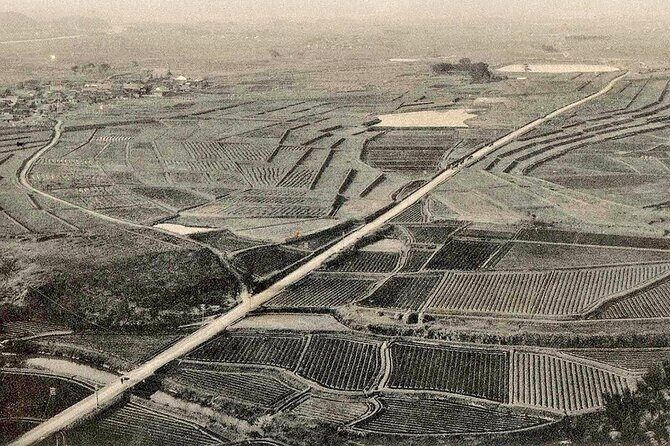
Next comes a shorter check stop in Habuchi along the Road of Ores route. You’ll spend about 10 minutes here, and no admission is listed.
This is the kind of stop that works like a palate cleanser. You’re moving from town mining traces into the wider countryside feel—more river, more valley, more room for views. Even if you only get a short look, it sets the expectation that the day’s big photo moments aren’t far away.
Mikobata Cast Iron Bridge: the photo stop built for river views
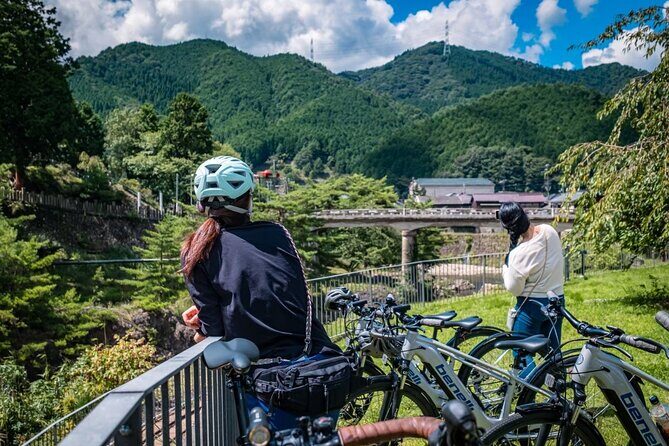
Then comes the moment many people aim for: Mikobata Cast Iron Bridge. The day’s emphasis shifts from town remnants to a dramatic valley setting.
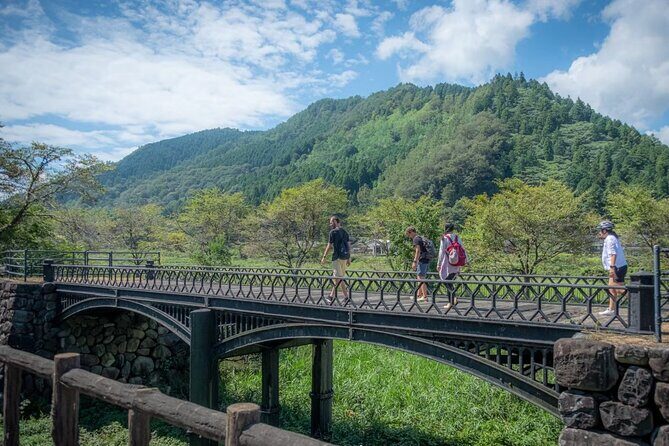
This bridge is described as Japan’s oldest cast-iron bridge, built by French engineers over 170 years ago. The river view gives you a lot to work with—angles, reflections, and a sense of depth that’s hard to replicate in a typical urban photo spot.
You’ll have about 20 minutes here, and it’s free. That time is enough to grab your photos, but not so long that you’ll feel stuck. It’s also a relief point in the ride. After riding and learning, standing still for a great view helps you reset your energy.
If you’re traveling with a camera setup, this is a good place to be a little patient. The best shots often come from waiting for people to step aside and for the water/river angle to look right.
Mikobata Senkojo Mine ruins: seeing the scale of industrial work
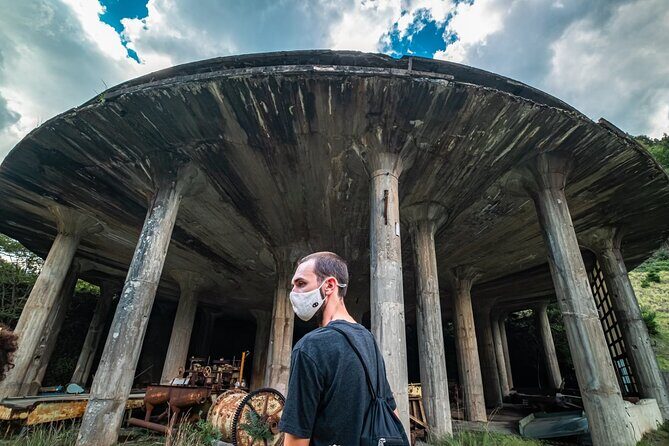
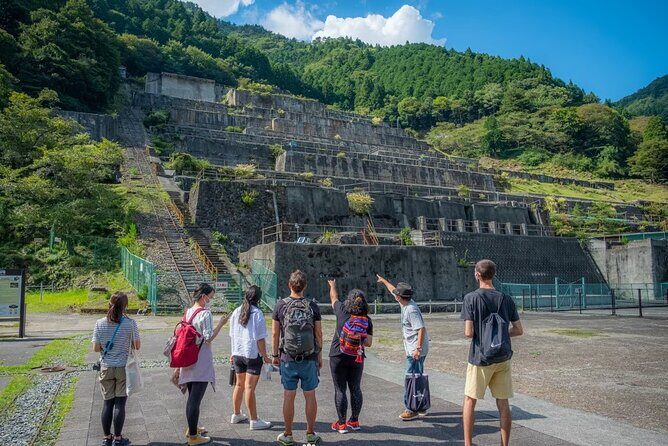
After the bridge, you approach Mikobata and the day turns intense in the best way. The ruins of the Mikobata Senkojo Mine include the ore dressing plant, and the experience is built around the sheer size of what you’ll see.
You get around 2 hours at this stop, and admission is included. The ruins are the kind of place where you start noticing how infrastructure organizes space—basins, channels, structures, and the way the site was designed to process ore. Even without deep technical background, you can grasp why this location mattered.
A key detail: you’ll learn more about the history from locals. That “on-site” explanation is valuable because it usually answers the questions you didn’t know you had—like what people used to do there day to day and how the plant fit into the bigger mining operation.
You’ll also have a chance to buy locally made souvenirs connected to this area. It’s one of those stops where the shop isn’t trying to sell you generic tourist items. The souvenirs feel tied to the place.
And you’ll have lunch time here as part of the flow of the visit. The day gives you time afterward to explore the surrounding area on your own, which is a smart way to turn a guided stop into your own wandering without losing context.
The bike station finish: a drink that makes the day feel complete
Your final listed stop is Roots & Routes cyclist station, where you get a complimentary drink and a little downtime before you head out. This section is about 30 minutes, and it’s free.
I love finishes like this because they keep the day from ending abruptly. Instead of racing to transit or packing up the bike and leaving immediately, you decompress, compare photos, and get your energy back after the longer mine-ruins stretch.
From there, the tour ends at Nii Station in Asago. That’s handy because you’re near where the Bantan train stops, so your ride-to-train connection is built into the plan rather than an afterthought.
What the guides and group setup add to the experience
Even without flashy extras, the day is set up to work because it stays organized. The positive word here is consistency: the route has a sensible pace, the timing gives you room to see, and the explanations are the kind that help you understand what you’re looking at while you’re standing there.
Since it’s private and only your group participates, you’re not dealing with the “herd” feeling that can show up on bigger tours. That usually makes it easier to stop for photos without blocking other people constantly.
Also, the tour is described as most travelers can participate, but it makes it clear that good basic riding skills matter. So if you’re comfortable pedaling and controlling a bicycle, you’ll probably enjoy the day more than if you’re still learning how to balance.
When this tour is a perfect match for you
This is a great fit if:
- You want countryside Japan that’s less crowded than the big-name day-trip circuits
- You like cycling but also want real context for what you’re seeing
- You’re interested in mining history, industrial ruins, and architecture that’s still standing in part
- You enjoy photo stops, especially near water and old infrastructure
It may be a weak fit if:
- You can’t cycle confidently on a bicycle
- You’re uncomfortable with basic bike operation
- You need a completely weather-proof plan, since the tour requires good weather
Small practical tips to enjoy it more
- Wear shoes you can walk in easily. Even with an E-bike, some stops are better experienced by standing and walking a bit.
- Bring layers. Mountain paths and river valleys can change the feel of the air quickly.
- Pace your photos. The bridge and the mine ruins are where you’ll want the most time, so enjoy the moment and avoid sprinting ahead of your group.
Should you book the Hyogo E-bike Ikuno to Mikobata tour?
If you’re choosing between “cycling for the view” and “cycling with a purpose,” book this. You’re getting a structured route with meaningful stops: the mining town residue in Ikuno, the iconic French-built cast-iron bridge, and the massive Mikobata ore dressing plant ruins where size and labor become obvious.
I’d especially recommend it if you like learning while you walk—because the day doesn’t just throw you at landmarks. It gives you reasons to look closely. And with a private group and a finish at the cyclist station, it tends to feel like a complete day rather than a quick stop-and-go ride.
So, if you’re comfortable cycling and you can align your schedule with good weather, this is a strong pick for an authentic rural Japan day in Hyogo.
FAQ
FAQ
Where does the tour start and end?
The tour starts at Ikuno Station and ends at Nii Station in Asago. If you’re taking the train, the Bantan train stops at Nii Station.
What time does it start?
The start time is 9:00 am.
How long is the tour?
It runs for about 5 to 6 hours.
How much does it cost?
The price is $149.85 per person.
Is it a private tour?
Yes. It’s listed as a private tour/activity, and only your group participates.
Are tickets and admissions included?
Admission is included for Stop 1 (Old Official Residence of Ikuno Mine) and Stop 5 (Mikobata Senkojo Mine). Other stops are listed as free.
Is lunch provided?
The schedule includes lunch during the Mikobata Senkojo Mine stop, followed by time to explore the area.
Do I need to know how to ride a bicycle?
You do need basic bicycle familiarity. It’s not recommended for travelers who cannot cycle on a bicycle or who are unfamiliar with basic bicycle operation.
What happens if the weather is bad?
The experience requires good weather. If it’s canceled due to poor weather, you’ll be offered a different date or a full refund.
Can I cancel for a refund?
Yes. Free cancellation is available if you cancel at least 24 hours before the experience’s start time.