REVIEW · KAMAKURA
Introducing all the Famous Spots in Kamakura and Enoshima!
Book on Viator →Operated by OTOMO Travel Guide · Bookable on Viator
Seven hours, two coasts, zero transport headaches. This private tour strings together Kamakura’s biggest historical sights and Enoshima’s sea-and-shrine stops in one smooth run, with a guide riding the train with you so you’re not decoding station names all day. I especially like the no-stress train navigation and the private-group feel that lets your guide steer you to the right pace for your questions and interests. One thing to plan for: you’ll still pay extra for some entrances and a bit of food, plus the day involves plenty of walking and steps.
If you want a “top hits” day that still feels personal, this tour is built for that. Stops include Tsurugaoka Hachimangu, Kotoku-in (the Great Buddha), Hase-dera (the Flower Temple), and Enoshima Shrine plus the Sea Candle observatory. The guide support is a real quality-of-life upgrade, and from guest feedback, guides such as Kiko, Higara, and Sandy are described as attentive—one even helped guests focus on must-sees in limited time while gently checking if skipping anything was worth it.
The other consideration is the end point. You start at Kamakura Station and finish at Enoshima Station, so make sure your next plan can handle that. Also, some places may not take credit cards, so bring cash just in case.
In This Review
- Key things to know before you go
- A fast-footed Kamakura-to-Enoshima day plan that actually works
- Tsurugaoka Hachimangu: a 1000-year power-spot start
- Komachidori from the station to shrine grounds: food and souvenirs without the guesswork
- Kotoku-in and the Great Buddha: where you can go inside
- Hase-dera Flower Temple: gardens, walking, and the payoff of four seasons
- Enoshima Nakamise street for Benzaiten: Takosen and whitebait bowls
- Enoshima Shrine and the outdoor escalator: prayer with a view
- Sea Candle observatory: 360-degree views and Mt. Fuji chances
- Price and value: what your $125.42 actually buys
- Logistics that matter: train help, cash, and where the day ends
- Who should book this tour (and who should rethink it)
- Should you book this Kamakura and Enoshima private tour?
- FAQ
- How long is the tour?
- What time does the tour start, and where?
- Where does the tour end?
- Is this tour private?
- What is included in the price?
- Are entrance fees included?
- Do I need to bring cash?
- What if the weather is bad?
- Is free cancellation available?
Key things to know before you go
- Guide rides the train with you, so you can focus on sights instead of schedules.
- You hit major Kamakura highlights fast, including Tsurugaoka Hachimangu and Kotoku-in.
- Hase-dera is a real walk, with big grounds and seasonal garden vibes.
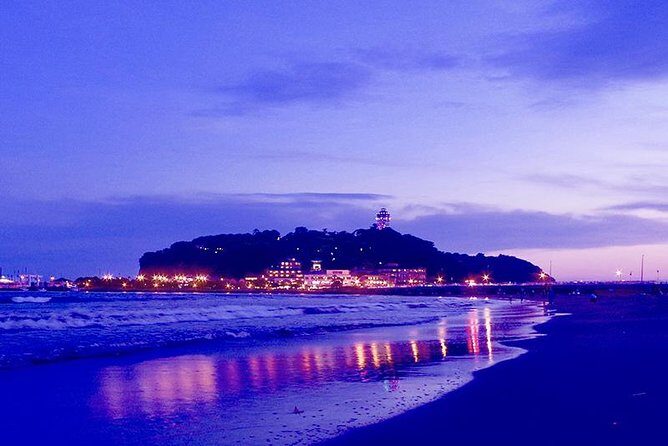
- Enoshima delivers views plus snacks, with a Nakamise street stop for local bites.
- Sea Candle is a payoff moment, with a 360-degree observatory view and possible Mt. Fuji.
A fast-footed Kamakura-to-Enoshima day plan that actually works
This is the kind of day-trip itinerary that makes sense if you’re short on time but don’t want to “miss the classics.” You’re looking at about 7 hours, starting at 10:00 am in Kamakura and finishing at Enoshima Station. The tour price is $125.42 per person, and that covers your guide and the private-tour setup—not the admissions and most on-site spending.
What makes it feel practical is the way the stops are grouped. You’re not hopping around on your own trying to figure out what’s closest or how long transfers take. Your guide accompanies you on the train between sites, which matters because Kamakura and Enoshima can be easy to get tangled in, especially if it’s your first time riding local rail.
You’ll also feel the “one-day ambition” in the schedule. This isn’t a sit-in-a-café tour. Wear comfortable shoes and expect steps. If you’re the type who needs breaks every hour, you’ll still be fine—you’ll just want to communicate your pace early so your guide can adjust.
You can also read our reviews of more tours and experiences in Kamakura.
Tsurugaoka Hachimangu: a 1000-year power-spot start
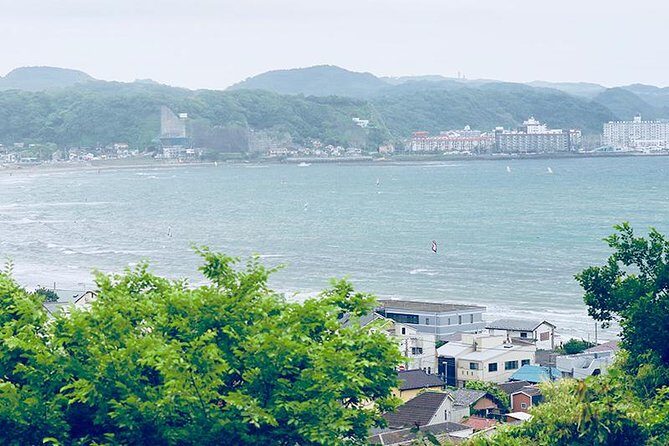
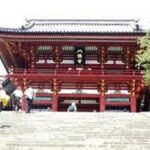
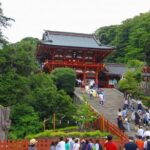
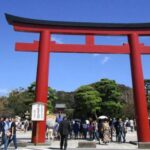
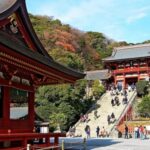
You begin at Tsurugaoka Hachimangu Shrine, with around 45 minutes on site. This place is famous for its long history—over 1000 years—and it’s often described as a power spot. The shrine is associated with Genji, who ruled during the Kamakura era, which adds a layer of historical weight without turning the visit into a lecture.
This is a good first stop because it sets the mood right away: shrine grounds, big cultural focus, and a chance to get oriented before you start chasing temple stairs and sea views. Since admission is free here, it’s also a low-friction start financially.
Practical tip: if you’re sensitive to crowds or heat, you’ll probably prefer arriving early and moving at a steady pace. The shrine is a great place to take a few photos, but don’t let the camera slow you down too much—next stops stack quickly.
Komachidori from the station to shrine grounds: food and souvenirs without the guesswork
Next you’ll head to Kamakura Komachidori, roughly 55 minutes along the street between Kamakura Station and the Tsurugaoka Hachimangu area. This is one of those classic approach streets where the real fun is browsing. You’ll see restaurants and souvenir shops, and the street is known for local food options that you can’t always get elsewhere.
Even if you don’t buy much, you’ll learn the rhythm of the area fast. It’s also a smart buffer stop: you’re transitioning from shrine atmosphere into temple and Buddha territory, and Komachidori gives you a chance to reset.
One practical downside: street time can tempt you to snack your budget early. If you want room for the Enoshima foods later, keep an eye on what you’re buying here.
Kotoku-in and the Great Buddha: where you can go inside
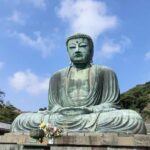
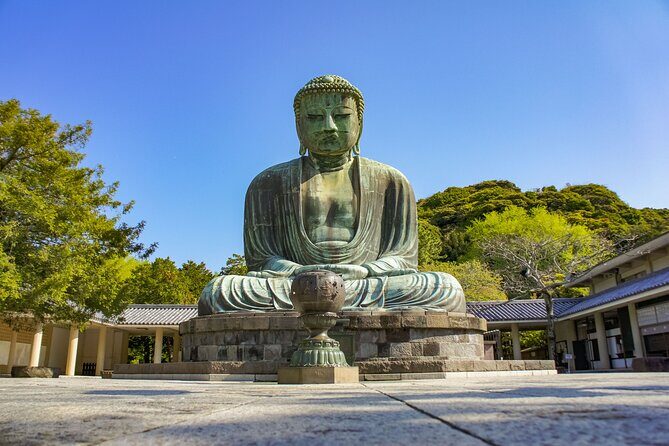
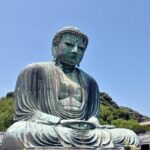
Then comes Kotoku-in (the Great Buddha of Kamakura) for about 25 minutes. This is the most iconic “wow” stop on the Kamakura side. The Buddha statue, Kamakura Daibutsu, is over 11 meters tall, and you can even go inside the statue for the indoor viewing experience.
Important money note: the entrance fee is not included. You should expect an additional ¥1,050 per person for Kotoku-in. Some sites in this area may not take credit cards, so bring cash.
This stop is short by design, and that works. You don’t need hours to get the impact. You just need enough time to look properly, walk around, and absorb the scale. If you’re photos-focused, you’ll want to plan your angle quickly—this is a place where you can feel rushed if you’re trying to do everything.
Hase-dera Flower Temple: gardens, walking, and the payoff of four seasons
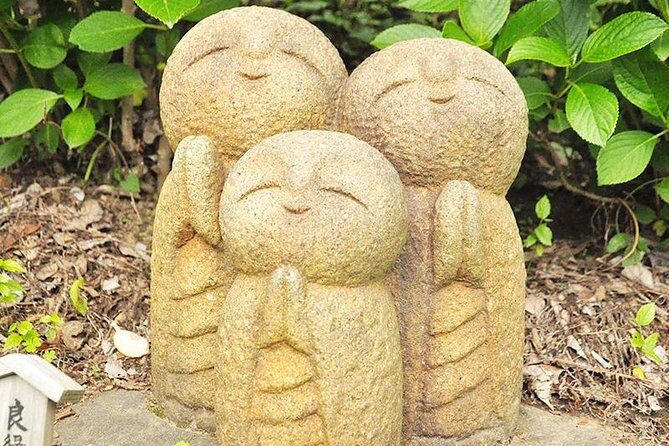
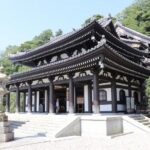
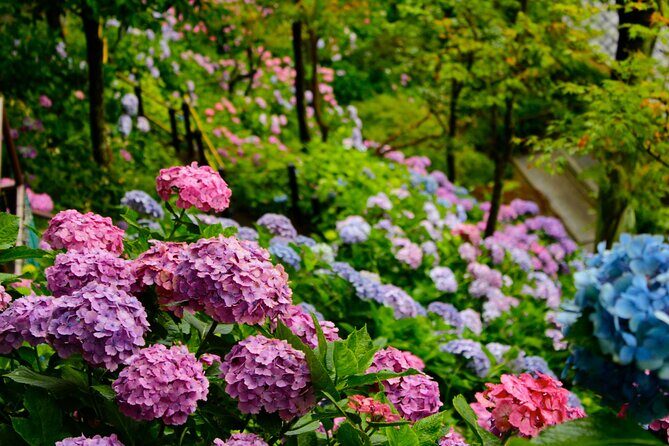
After Kotoku-in, you’ll go to Hasedera Temple, about 50 minutes. It’s also called the Flower Temple, and the big draw is the temple grounds and plants across the four seasons. Hasedera is a lot more than a single landmark. You’re moving through a larger temple space with multiple sight points, which turns it into a mini walk-through experience.
Admission here is not included, so you’ll pay on site if you decide to enter the key areas. This is also one of the days you’ll feel your legs. Even if you’re not chasing every view, plan on steps and uneven ground.
A balanced expectation: if you love gardens, this stop will feel worth every step. If your travel style is more “one building, one photo, move on,” you can still enjoy Hasedera—but you might want to set a personal rule, like one major viewpoint plus a quick stroll, rather than trying to see everything in 50 minutes.
Enoshima Nakamise street for Benzaiten: Takosen and whitebait bowls
Now you switch from Kamakura’s temple density to Enoshima’s food-and-shrine rhythm. You’ll stop at Enoshima Benzaiten Nakamise Dori for about 20 minutes. This is a shopping street that connects to Enoshima Shrine, and it’s known for specialty bites you’re less likely to find anywhere else.
Two specific foods called out for this area are takosen and whitebait bowls. If you’re hungry, this is a good time to choose something quick and local, because the next stops focus heavily on views and praying rather than eating.
This short window is great if you snack lightly, but it can be stressful if you want a long sit-down meal. If you’re a “sit and enjoy” person, grab a snack here and treat lunch as whatever you can manage comfortably within the time limits.
Enoshima Shrine and the outdoor escalator: prayer with a view
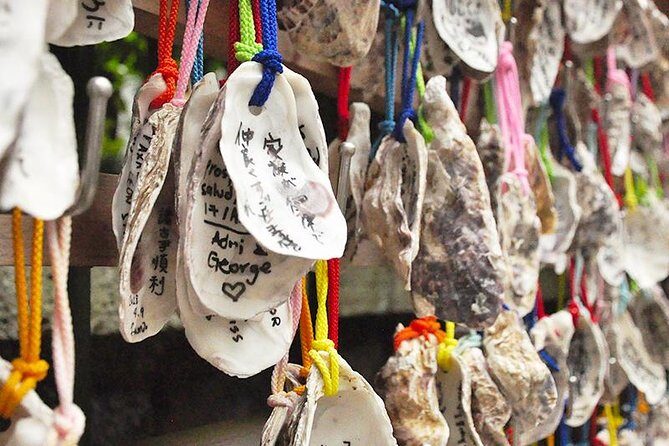
Next is Enoshima Shrine for about 40 minutes. This shrine also has history of over 1000 years and is another important power spot in the Enoshima area. It’s also known as a place to pray for marriage, which adds a unique cultural flavor to the visit.
One very practical highlight: you can reach the higher parts using Japan’s first outdoor escalator. That’s the kind of detail that makes Enoshima feel modern in a funny way—ancient shrine energy plus a very real piece of engineering.
Admission here is free, which is a nice break after the earlier paid stop at Kotoku-in. Still, even with free entry, expect lines and people flow, since it’s a popular area.
If you want photos with minimal waiting, go early within your time window and keep moving between key viewpoints rather than stopping in the bottleneck areas.
Sea Candle observatory: 360-degree views and Mt. Fuji chances
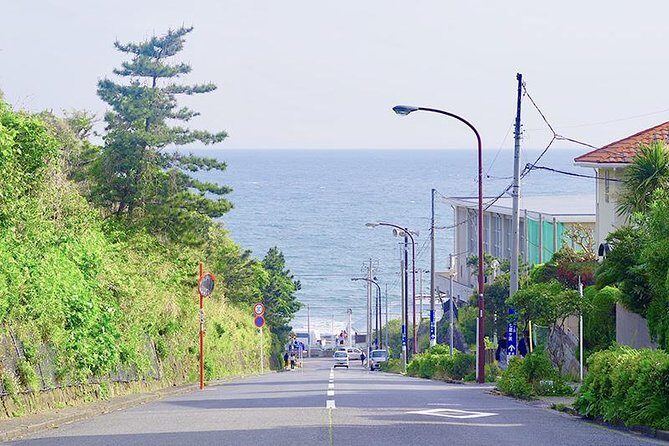
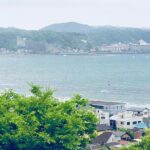
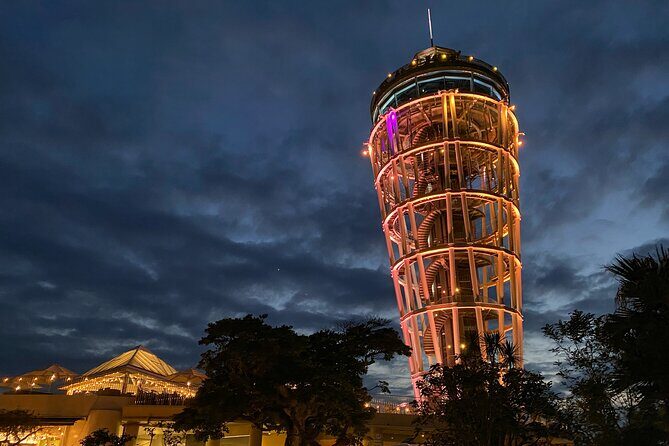
You’ll finish with Enoshima Sea Candle (Observatory Deck) for about 20 minutes. This lighthouse-like structure is a symbol of the Shonan area, and the main reason people come is the superb 360-degree panoramic view. Mt. Fuji is mentioned as visible from Enoshima, so if the weather cooperates, you might get that extra wow.
This stop is shorter because the view is the whole point. If you’re the type who likes to take your time, use the time efficiently: find the best viewpoint quickly, then move slowly for photos and a final look.
Admission isn’t included here, so expect additional spending.
Price and value: what your $125.42 actually buys
At $125.42 per person for a private day of about 7 hours, the headline is that you’re paying for the guide and the private-group coordination. Your guide’s costs are included, and you also get a mobile ticket and group discounts.
What’s not included is where you need to budget a bit:
- The tour lists estimated additional costs around 2,510 JPY per person, including transportation, admission fees, and meal costs.
- The Kotoku-in entrance fee is ¥1,050.
- A separate line also points to an estimated Kamakura and Enoshima entrance fee total of ¥2,510.
So is it worth it? I think it is if you hate planning. The real value isn’t that the tour is cheaper than buying everything yourself. It’s that it saves you time and confusion, especially with the guide accompanying you on the train between sites and handling navigation between major areas.
If you enjoy independent travel and you’re confident with transit, you can probably cobble together the same stops on your own. But if your goal is to see the top sites in one day without turning your vacation into a routing homework assignment, this format is a strong choice.
Logistics that matter: train help, cash, and where the day ends
This day-trip has a few logistics points you should take seriously:
You start and end in different places. You begin at Kamakura Station and end at Enoshima Station. If you’re planning onward travel, don’t book something tight right after the tour finish.
Bring cash. Some of the stops may not accept credit cards, and Kotoku-in is specifically listed with an entrance fee you’ll need to cover. Keep some yen handy even if your bank app is ready.
Comfort wins. You’ll walk a lot, including temple areas with stairs and slope. Comfortable clothes and shoes matter more than fancy outfits.
Weather can shift the route. The day notes that if weather is bad, routes and destinations may change. That’s normal for coastal sightseeing, so don’t assume every exact deck-view moment will happen.
Also note: this is a private tour, meaning only your group participates. That’s a big deal if you want your questions answered and your pace respected.
Who should book this tour (and who should rethink it)
This tour is a good fit if you:
- Want to see the key Kamakura and Enoshima highlights in one day.
- Appreciate a guide who helps with train transfers and navigation.
- Like a mix of shrines, temple grounds, and sea views, without spending hours on planning.
It may be less ideal if you:
- Have limited mobility or struggle with stairs and long walks.
- Want long meals and slow wandering. The schedule is efficient, not leisurely.
One more small emotional note: Enoshima and Kamakura are popular. A good guide helps you move through that energy without feeling like you’re standing around waiting. The guide focus is repeatedly emphasized in feedback, including attention to explaining customs and keeping the experience aligned with your priorities.
Should you book this Kamakura and Enoshima private tour?
If your goal is a high-coverage day with real structure, I’d book it. The combination of major sites—Tsurugaoka Hachimangu, Kotoku-in’s Great Buddha, Hasedera’s Flower Temple walking grounds, Enoshima’s shrine and observatory—adds up to a memorable sampler platter of the region.
You should especially consider booking if you’re not excited about transit puzzle-solving and you want someone to handle the navigation between stops. The private format means you can ask questions, adjust your pace, and focus on what matters most to you.
Just go in knowing you’ll pay extra for some entrances and that the day involves walking. Bring cash, wear good shoes, and aim to enjoy the mix rather than trying to tick every single detail with perfect timing.
FAQ
How long is the tour?
It’s about 7 hours.
What time does the tour start, and where?
It starts at 10:00 am at Kamakura Station (1-chōme-1-15 Onarimachi, Kamakura, Kanagawa).
Where does the tour end?
The tour ends at Enoshima Station.
Is this tour private?
Yes. It’s a private tour, and only your group participates.
What is included in the price?
Included are the tour guide, the private tour, and the necessary expenses for the guide during the tour.
Are entrance fees included?
No. Entrance fees are not included. The tour lists an additional budget estimate, including Kotoku-in at ¥1,050 per person and an estimated total around ¥2,510 for Kamakura and Enoshima.
Do I need to bring cash?
Yes. Some stops do not accept credit cards, so bring cash.
What if the weather is bad?
If weather is bad, there’s a possibility of changes to the means of transportation, destinations, and routes.
Is free cancellation available?
Yes. You can cancel up to 24 hours in advance for a full refund.
If you want, tell me your travel dates and whether you’re more temple-garden or sea-view focused—I can help you decide if this pacing matches your style.