REVIEW · KAMAKURA
Private Kimono photo shooting tour in ancient city Kamakura
Book on Viator →Operated by Oriel Tourism · Bookable on Viator
Kimono, cameras, and calm temple lanes. A private kimono photo tour in Kamakura can turn an ordinary stroll into something you’ll actually frame, with 30 edited photos delivered after your shoot and pose-by-pose guidance so you don’t freeze in front of the lens. The one catch to plan for is kimono rental costs extra (the tour price doesn’t include it).
You’ll spend about 2 to 3 hours in and around the area, including changing time, so it’s not a quick stop-and-go thing. The route mixes serene temple corners and a classic shrine approach, and you can even customize where you walk as long as it fits the plan.
In This Review
- Key Highlights You’ll Care About
- Why Kamakura Works So Well for Kimono Photos
- Price and What You’re Really Paying For ($85.20)
- Private Tour Means You Control the Photo Pace
- Picking Your Look: Kimono Options and the Non-Kimono Route
- Daigyoji Temple: The Quiet Start Near Kamakura Station
- Myohonji Temple: Old Wooden Structures and Seasonal Beauty
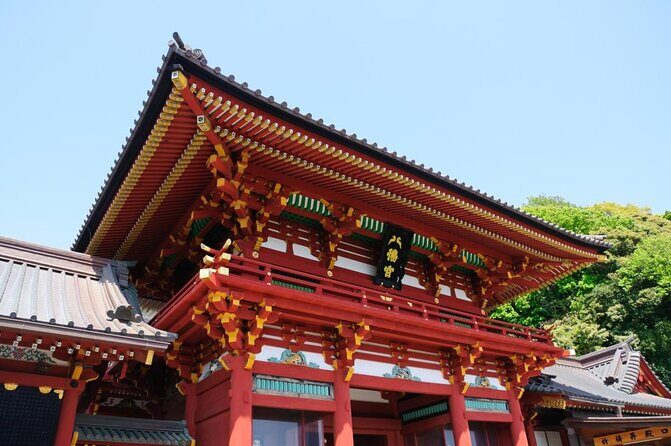
- Tsurugaoka Hachimangu Shrine: The Landmark Approach
- Jufukuji Temple: The Tranquil Pause on the Tree-Lined Road
- Komachi Street: Shopping Energy After Temple Calm
- Editing and Photo Delivery: The Part You’ll Love Later
- Flexibility: You Can Customize the Day
- Logistics That Affect Your Experience (In a Good Way)
- Weather and Timing: Plan for a Smooth Shoot
- Who Should Book This Kimono Photo Tour in Kamakura?
- Quick Pros and Cons Before You Decide
- Should You Book This Tour? My Take
- FAQ
- Where do I meet for the Kamakura kimono photo tour?
- How long is the experience?
- What is included in the $85.20 per person price?
- Is kimono rental included?
- How many photos will I receive?
- Do I have to wear a kimono?
- Are temple/shrine admission tickets included?
- Is this a private tour?
- What happens if weather is bad?
Key Highlights You’ll Care About
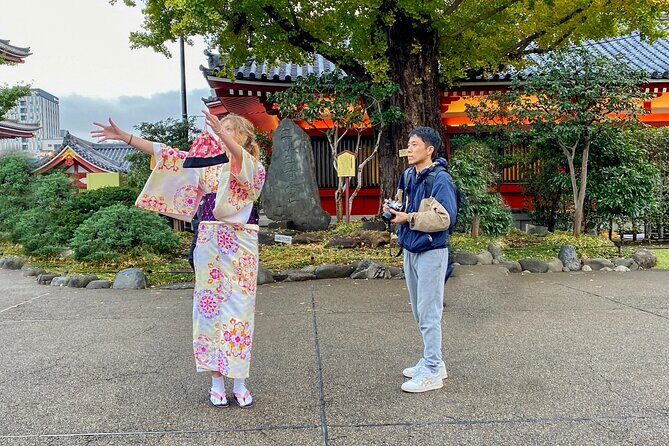
- Private shoot with a pro photographer who actively helps you pose and feel comfortable
- Up to 30 edited photos so you get more than a handful of snapshots
- Calmer temple starts near Kamakura Station that feel easier for photos early on
- Iconic Kamakura views at Tsurugaoka Hachimangu, plus a bench break by the pond
- Optional non-kimono experience, so you can still do the photo tour your way
Why Kamakura Works So Well for Kimono Photos
Kamakura has the feel of an older Japan without needing a long train ride into the countryside. You get temples, shrine architecture, and stone paths close together, so the photos look intentional instead of forced.
What I like most is the pacing. Instead of dumping you straight into the busiest photo spots, the tour starts with quieter ground so you can settle into the kimono and the camera attention. Even if you’re not a “model,” the photographer helps you find a stance that looks natural.
The best part is that this isn’t just about wearing kimono. It’s about turning your day into a photo story—temple calm first, then a landmark shrine, then a lively shopping street for the Kamakura vibe.
You can also read our reviews of more city tours in Kamakura
Price and What You’re Really Paying For ($85.20)
At $85.20 per person, this tour is priced like a focused experience, not a casual city walk. You’re paying for two things that matter: a photographer who directs the shoot, and photo editing afterward.
What’s included:
- Bottled water
- WiFi on board
- 30 edited photos
What’s not included:
- Rental kimono for 3800 yen
So, if you already have a kimono, you may find this excellent value because you’re mainly paying for the shoot and editing. If you need to rent, your total cost goes up, but you still get a private session plus edited photos, not just a quick “take a picture and go” experience.
Private Tour Means You Control the Photo Pace
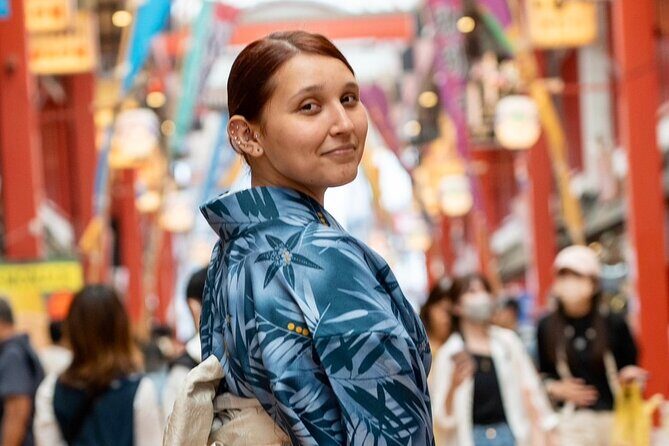
This is a private tour/activity, so it’s only your group. That matters more than it sounds, especially in Japan where photo time can get crowded and awkward fast.
When the pace is yours, you can:
- spend extra seconds on the shot you like
- pause when the light shifts
- ask for pose ideas without feeling rushed
The reviews mention the photographer being friendly and supportive, including helping with poses. One traveler even highlighted how the tour used less-visited places so there wasn’t constant competition for photos. That kind of attention is exactly what makes a private shoot feel worth it.
Picking Your Look: Kimono Options and the Non-Kimono Route
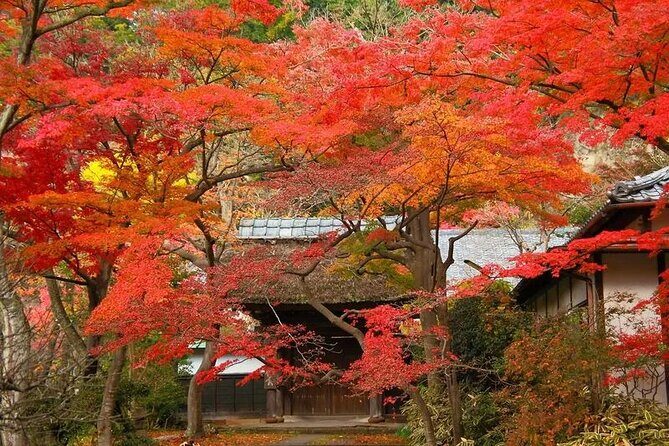
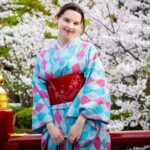
You can choose your favorite kimono from various options, and yes, there’s a non-kimono option too. That means you can still do the photo tour even if you want the styling and photography without wearing traditional clothing.
If you do rent a kimono, plan time for changing because the tour duration includes changing. Also, think practically about where you’ll want to walk in a kimono. The route includes temples and shrine approach areas, plus some street time later, so comfy footwear and a calm walking pace are smart.
One more benefit: the photographer’s direction helps you make the kimono look good in motion. It’s not just standing still—your photos can show you stepping through stone lanes and temple pathways.
Daigyoji Temple: The Quiet Start Near Kamakura Station
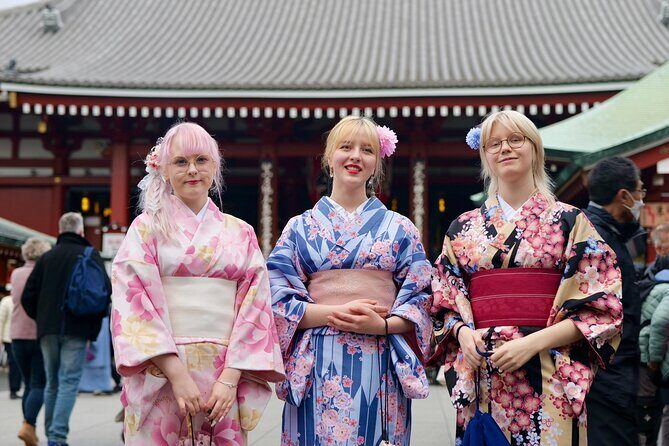
The tour begins at Daigyoji Temple, a small temple near Kamakura Station. The big advantage here is simple: it’s described as quiet and not crowded, which makes it easier to relax into the experience right away.
This stop is about getting comfortable:
- you start wearing the kimono without immediate chaos
- you test poses and camera angles in a calmer setting
- you ease into the photo process before the bigger landmarks
Admission is free here, so you’re not juggling ticket hassles. Also, it’s only a short stop, around five minutes, so you’re not stuck waiting around while your session “officially” starts.
You can also read our reviews of more private tours in Kamakura
Myohonji Temple: Old Wooden Structures and Seasonal Beauty
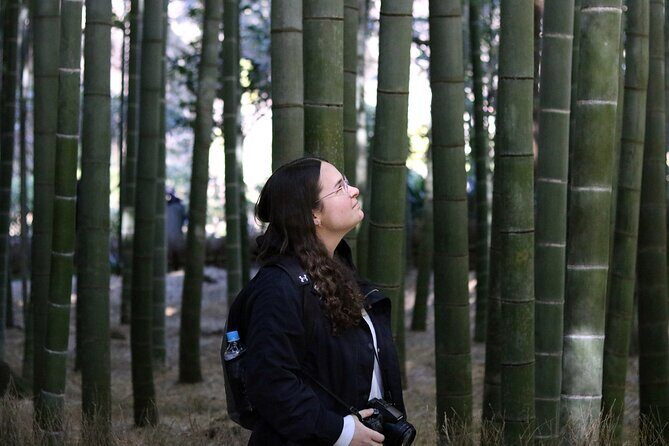
Next comes Myohonji Temple, tied to Nichiren Buddhism and founded around 1260. This stop is longer than Daigyoji, and it’s built for scenery and atmosphere.
What makes it special for photos is the setting:
- older wooden temple structures
- natural seasonal beauty, including mentions of cherry blossoms in spring and autumn leaves
Even if you’re visiting outside those exact seasons, you’ll still get an older feel compared with modern streets. The stop is about 20 minutes, which gives the photographer enough time to work with different angles and poses.
Admission is free. That’s a bonus for value because you’re building a photo session around sites you don’t have to pay to enter individually.
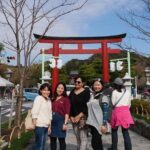
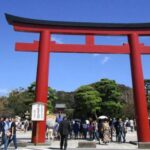
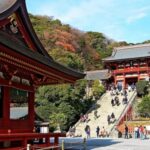
Tsurugaoka Hachimangu Shrine: The Landmark Approach
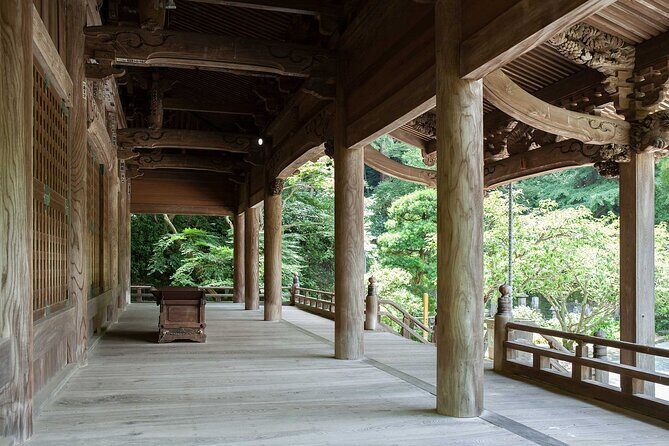
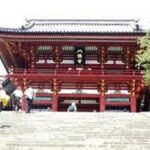
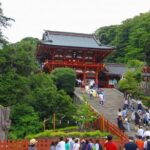
Tsurugaoka Hachimangu is one of Kamakura’s key landmarks, a Shinto shrine founded in the 12th century by Minamoto no Yoritomo. It’s dedicated to Hachiman, often described as the god of war and protector of the Minamoto clan.
For photos, this place is famous for more than one reason:
- a prominent entrance gate
- a long approach lined with cherry trees
- a large pond where you can take a break
The approach and pond area are ideal for wide, cinematic shots. The tour also notes a bench break beside the pond, which is smart. It gives you a natural pause for photos that don’t always require you to be fully posed—more like you’re watching the setting, then the photographer catches the moment.
This stop runs about 25 minutes, so you get variety without feeling like you’re trapped in one spot.
Jufukuji Temple: The Tranquil Pause on the Tree-Lined Road
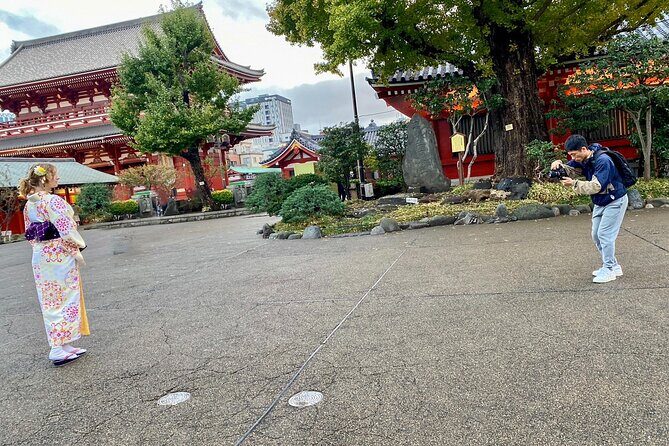
Jufukuji Temple is a historic temple established around 1200 by Hojo Masako, the wife of Minamoto no Yoritomo. You’re looking for that calm, slightly off-center feeling compared with the bigger shrine area.
The key photo advantage here is the approach road lined with trees. That kind of “leading lines” makes photos look instantly more composed, even if you’re still figuring out how to stand.
This stop is shorter—about 10 minutes—but it works as a reset. You’ve seen the landmark shrine, so Jufukuji brings you back to quiet. Admission is free, so it fits the budget-friendly rhythm of the whole tour.
Komachi Street: Shopping Energy After Temple Calm
After temple and shrine sections, you’ll hit Komachi Street, Kamakura’s busy shopping street in the heart of town. It’s named after Ono no Komachi, a famous poetess from the Heian period.
For your photos, this part is different. Instead of stone paths and shrine gates, you’re capturing Kamakura’s everyday side:
- shops, boutiques, cafes, and restaurants
- souvenirs and local crafts
- the chance to grab snacks or small gifts
The tour gives you time to look around and buy something if you want. This is also where you might choose shots that show you interacting with the environment—walking, turning to read signage, and enjoying the city energy.
Editing and Photo Delivery: The Part You’ll Love Later
A photo tour lives or dies on editing quality and selection. Here, you receive up to 30 edited photos, which is a strong number because it covers different outfits, angles, and moments.
The photos don’t just serve one purpose. You can use them for:
- social media posts
- a private album you’ll actually return to
- gifting or printing
The reviews also highlight that the photographer actively helps with posing and keeps you comfortable. That’s important because bad posing and stiff body language are usually what ruin photos in unfamiliar clothing. With direction, you can look relaxed even when you’re being photographed.
Flexibility: You Can Customize the Day
The tour is designed to be flexible, so you can customize where you go. That’s a big deal if you’ve got a specific Kamakura goal, like a particular temple area you care about more.
The stops listed give you a solid route, but customization means you’re not stuck with a script that doesn’t match your interests. If you want more shopping time, you might shift the balance. If you want more temple calm, you can steer that way.
Just keep it realistic: the overall duration is about 2 to 3 hours, including changing and travel time. So the customization is best for adjusting the mix, not trying to cram in a full extra day.
Logistics That Affect Your Experience (In a Good Way)
Meeting point:
- Kamakura City Tourist Information Center, 1-chōme-1-1 Komachi, Kamakura, Kanagawa 248-0006, Japan
End point:
- back at the meeting point
This loop setup is convenient because you don’t have to think about where to finish your day. You’re also near public transportation, which helps if you’re combining this shoot with other Kamakura sights.
Also, it’s booked in advance on average about 42 days out. That suggests it’s a popular format, especially for people who want kimono photos in a specific timeframe.
Weather and Timing: Plan for a Smooth Shoot
This experience requires good weather. If it’s canceled due to poor weather, you’ll be offered a different date or a full refund.
That matters because temples and shrine approaches rely on clear walkways and decent light for photos. If you book right before a weather-sensitive day, consider having flexible plans for the alternative dates.
Timing tip: arrive a little early to reduce stress. Changing time is included in the tour duration, so you’ll want a calm start.
Shoes matter too. Even though kimono is the star, you’ll still be walking. Choose footwear you can move in comfortably for temple roads and street time.
Who Should Book This Kimono Photo Tour in Kamakura?
I think this tour is perfect for you if:
- you want kimono photos without doing the planning and logistics yourself
- you’d rather have direction than guess poses alone
- you care about edited photos, not just raw snaps
- you like a route that balances quiet temples and a classic shrine landmark
It also fits couples, friends, and small groups because it’s private. If you’re solo, it can still work well because the photographer guidance helps you feel less awkward being the only one in front of the camera.
If you’re allergic to crowds, note that Tsurugaoka Hachimangu is a major site. The tour helps by starting calmer and keeping you moving, but major landmarks can still attract attention.
Quick Pros and Cons Before You Decide
Pros:
- Private session with a photographer who guides poses
- Up to 30 edited photos
- Mix of quiet temple corners plus a major Kamakura shrine
- Clear meeting point and return loop
- Non-kimono option
Considerations:
- Rental kimono adds 3800 yen if you need it
- Total time is 2 to 3 hours including changing and travel
- Weather matters, and the experience may shift or refund
Should You Book This Tour? My Take
If you want one standout “Japan memory” that looks intentional—not random—this is a strong pick. The price makes sense when you factor in private direction plus up to 30 edited photos, and the route is smart: calm starts, landmark payoff, then real Kamakura street life.
I’d book it if kimono photos are on your list and you want help in front of the camera. I’d also book it if you’d rather spend your time actually enjoying Kamakura than figuring out photo angles on your own.
If you’re only after a casual stroll and you already know you’ll take your own photos with no need for editing, then it might feel like extra cost. But for most people planning their first Kamakura visit, this gives you a clean, photo-focused day with less stress and better results.
FAQ
Where do I meet for the Kamakura kimono photo tour?
You meet at the Kamakura City Tourist Information Center at 1-chōme-1-1 Komachi, Kamakura, Kanagawa 248-0006, Japan. The activity ends back at the same meeting point.
How long is the experience?
The tour duration is about 2 to 3 hours. That total includes travel and changing time.
What is included in the $85.20 per person price?
The price includes bottled water, WiFi on board, and 30 edited photos (maximum).
Is kimono rental included?
No. Rental kimono is not included and costs 3800 yen.
How many photos will I receive?
You can receive up to 30 edited photos, and they are edited by the professional photographer.
Do I have to wear a kimono?
No. A non-kimono option is available if you’d rather not wear traditional clothing.
Are temple/shrine admission tickets included?
Admission tickets for the listed temple and shrine stops are shown as free in the itinerary.
Is this a private tour?
Yes. It’s private, and only your group participates.
What happens if weather is bad?
This experience requires good weather. If it’s canceled due to poor weather, you’ll be offered a different date or a full refund.