REVIEW · KAMAKURA
Private Tour in Kamakura: Matcha Tea Tasting & Photo Session
Book on Viator →Operated by Kamakura Photo Tours · Bookable on Viator
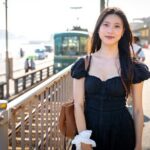
Kamakura looks great in photos, but this tour makes it look intentional. You get a private 3-hour walk guided by a professional photographer, plus a small dose of Kamakura calm: bamboo temple scenery and a Zen-style green tea tasting. I especially like the way the guide builds in photography help, not just sightseeing, so your shots actually improve as you go. I also like the practical payoff: you leave with 10 professionally edited photos sent to you within 72 hours.
The main thing to keep in mind is that this is a nature-and-temple day with some walking and uneven spots. You’ll want comfortable shoes and a moderate pace—best if you’re okay with a quiet, early-day rhythm rather than a rushed checklist.
In This Review
- Key highlights at a glance
- A private photo walk through Kamakura’s quieter corners
- Price and value: what you get for $98.71 per person
- How the schedule actually feels: starting at Kamakura Station
- Stop 1: Nikaidō shrine—where calm beats crowds
- Stop 2: Hokoku-ji bamboo forest—light filtering through the canopy
- Stops 3 and 4 at Jomyoji: gardens, then Zen tea
- The photographer touch: advice that changes what you shoot
- What to do with your camera (and your expectations)
- The real souvenir: 10 edited photos within 72 hours
- Getting the most out of each stop (without turning it into a sprint)
- Who this tour suits best (and who might rethink it)
- Should you book this Kamakura matcha tea and photo session?
- FAQ
- Where is the meeting point?
- How long is the tour?
- What time does the tour run?
- Is green tea included?
- How many edited photos will I receive?
- Are admissions and transportation included?
- What is the cancellation policy?
Key highlights at a glance
- Pro photographer guidance so you know what to shoot and where to stand
- Matcha-style green tea tasting in a Zen temple setting
- Bamboo forest magic at Hokoku-ji, timed for softer light
- Hidden-feeling stops like Nikaidō for calmer, more photo-friendly moments
- Admission and bus transfers included, so you’re not hunting tickets
- 10 edited photos delivered within 72 hours as a ready-made souvenir
A private photo walk through Kamakura’s quieter corners
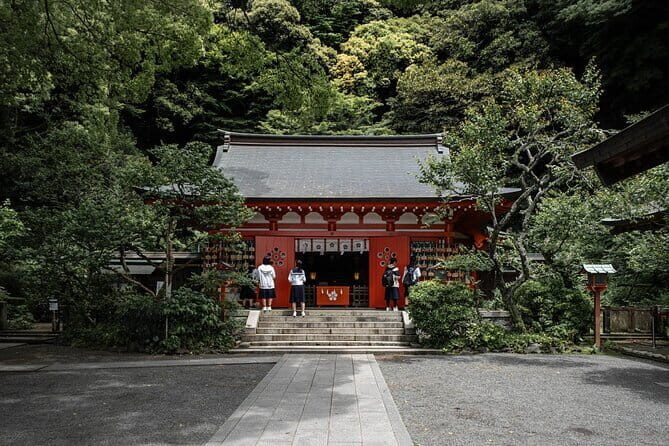
Kamakura can feel like a string of famous names—until you slow down. This tour is built for slowing down. You’re not just collecting stamps on a map. You’re moving through old-town streets and temple grounds with a photographer who helps you see angles, light, and composition in real time.
The day also has a simple emotional rhythm. You start in the train hub area at JR Kamakura Station (East Exit), then shift into places where the air changes: bamboo shade, stone paths, and a calm temple break. That contrast is part of the fun. One moment you’re in transit mode, the next you’re shooting stillness.
And yes, you’ll also get the tea. Not just a drink on the go. The tour builds the tasting into a Zen stop, so it feels like a pause instead of a detour.
You can also read our reviews of more tours and experiences in Kamakura.
Price and value: what you get for $98.71 per person
At $98.71 per person for about 3 hours, the big question is value. Here, the value isn’t just the route—it’s what’s folded in.
You get:
- Guide fees covered
- Admission tickets for all visited sites
- Bus tickets between locations
- Japanese green tea tasting
- Camera advice from an expert photographer
- 10 edited photos provided within 72 hours
That package matters because Kamakura’s temples and shrines can turn into lots of small purchases if you’re DIY. Here, you pay once and you spend your energy on taking photos and enjoying the spaces, not tracking down entrances and transit.
Also, the tour runs as a private experience for your group. That often makes the pricing feel more reasonable when you compare it to doing a private photo session without admissions, transport, and editing included. If you’re traveling as a couple or small group, the “private” piece can be a real comfort.
How the schedule actually feels: starting at Kamakura Station
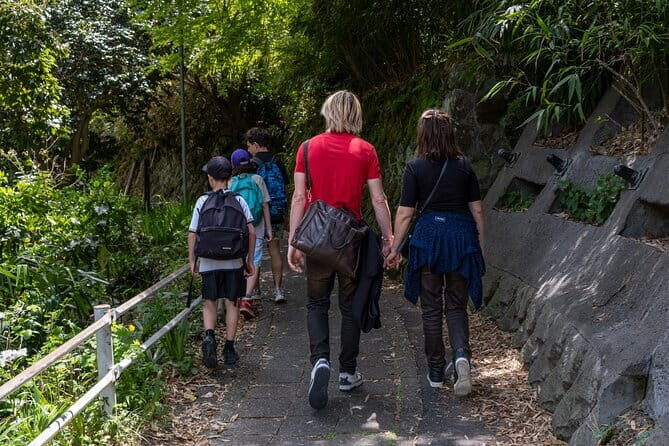
The tour meets at Kamakura Station, East Exit, and then you take a bus to the first temple/shrine area. That bus hop is a smart time-saver in Kamakura, where everything is close enough to be walkable but not always close enough to be efficient.
It runs Wednesday to Sunday, 9:00 AM to 10:30 AM (for the stated operating window). Starting in the morning helps for photos. You tend to get softer light and fewer crowds in the temple grounds you’ll be shooting.
Physical pace note: the tour is listed for moderate physical fitness. You’re not climbing mountains, but you are walking through temple paths and garden areas, so wear shoes that don’t punish you later.
If you like having a plan with room to breathe, you’ll appreciate this structure: three core photo stops, then tea time to slow it down.
Stop 1: Nikaidō shrine—where calm beats crowds
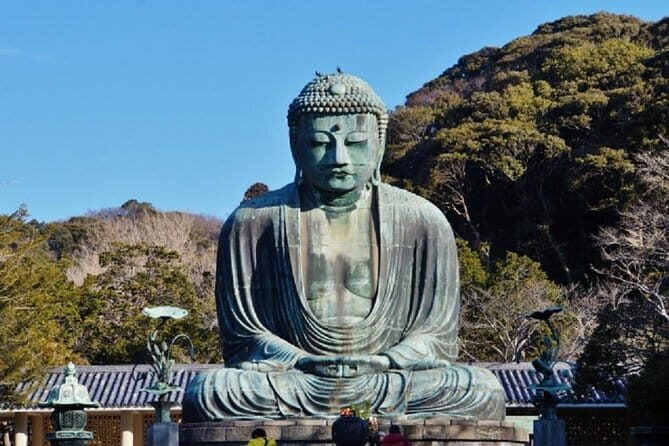
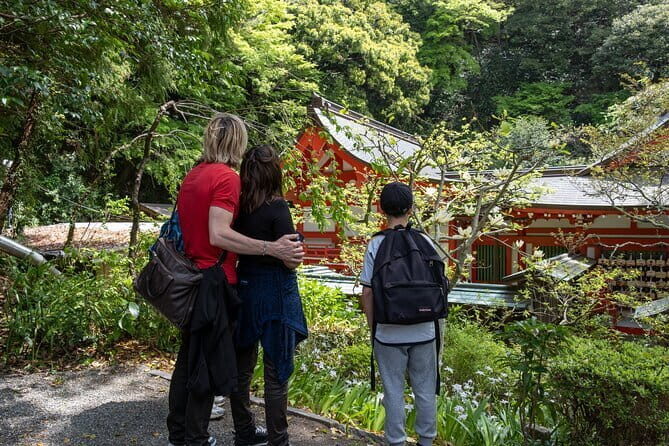
The first stop is Nikaidō, described as a hidden shrine tucked into lush nature. Even though the admission is free, the bigger value here is atmosphere. It’s the kind of place where you can slow your shutter speed, wait for people to move out of frame, and get shots that feel quieter.
Photo-wise, think about small details:
- framing the shrine elements with surrounding greenery
- using path lines to lead the eye
- stepping into shade for less harsh contrast
Time is about 30 minutes, so you’ll want to arrive ready. If you’re still figuring out your camera settings at minute 10, you’ll feel rushed for the good light. The photographer coaching helps here, because you can adjust on the spot instead of trial-and-error all day.
Stop 2: Hokoku-ji bamboo forest—light filtering through the canopy
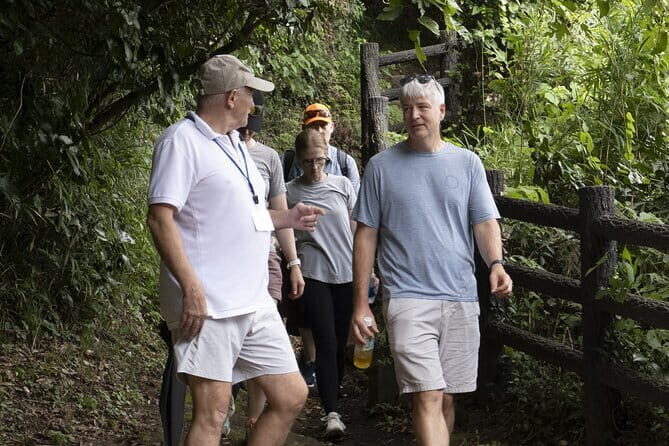
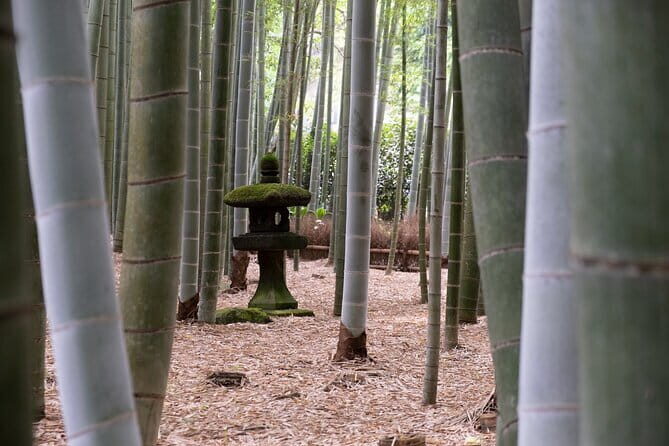
Next up is Hokoku-ji Temple, famous for its bamboo grove. This is the stop people picture when they think of “Kamakura mood,” and the tour leans into it properly with about 40 minutes here.
The standout detail is the lighting. Bamboo works like natural blinds. The light filtering through the canopy creates a look you can’t easily fake later in Lightroom. Your job is to pay attention to where the light falls and to use the bamboo lines as leading guides.
Because this is also a free admission stop, the visit time matters even more. You’ll have enough time to:
- take wider shots for the whole bamboo tunnel feeling
- try tighter compositions (bamboo stalks, shadows, temple textures)
- adjust positions while the light shifts
If you like photographing nature textures and shadow patterns, this is the emotional center of the route.
One practical thought: bamboo areas can feel cooler and dimmer than the sun outside temple grounds. If you use a smartphone, you might need steady hands. If you use a camera, you’ll probably be happier with a stabilized stance.
You can also read our reviews of more private tours in Kamakura
Stops 3 and 4 at Jomyoji: gardens, then Zen tea
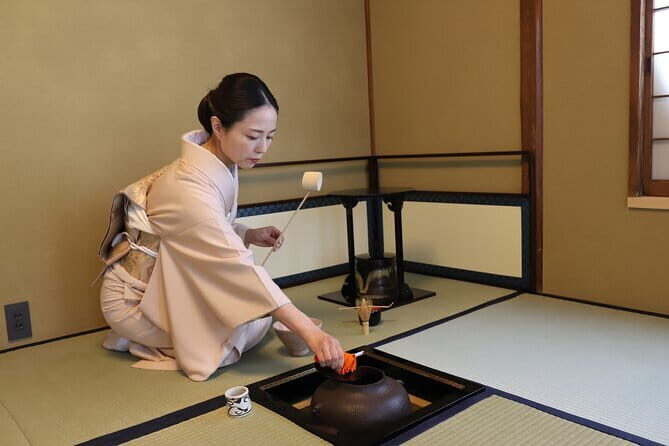
The tour includes Jomyoji in two parts, both around 30 minutes each.
First comes the temple visit. The site is described as a Kenchoji school temple built in 1199, with serene surroundings and well-kept gardens. Even if you’re not a history person, that “old-but-maintained” feel shows up in the details: stonework, garden edges, and calm sightlines. This is where you can slow down and shoot at a more meditative pace.
Then the second Jomyoji stop becomes the tea moment. You finish with a cup of traditional green tea in an idyllic, Zen-style setting. That tea break isn’t just included as a perk. It’s timed after temple time, so you can reset your senses and let the tour land.
Why this helps your photos: once you’re seated and breathing slower, you often notice better compositions—like how people naturally relax, how your face softens, and how the background looks with less motion.
Also, the tour includes Japanese green tea tasting across the experience, so you’ll have a consistent tea theme rather than switching to something random at the end.
The photographer touch: advice that changes what you shoot
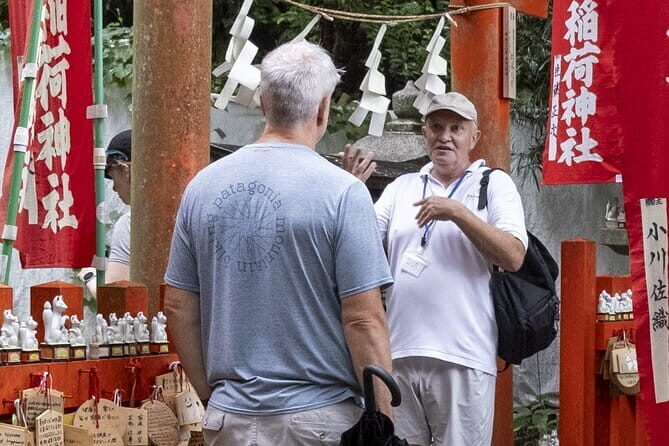
The photo part of this tour is the reason to book it instead of just doing a self-guided Kamakura day. A pro photographer is not only there to point at pretty places. The key value is coaching—how to stand, where to face, and what to look for.
This comes through strongly in the feedback around the guide. The photographer name is Bruno, and the praise is consistent: he’s not just hands-off. He actively helps you plan timing and locations so you get the right angles, not just a random snapshot.
One standout example from feedback: Bruno supported a surprise engagement, going above and beyond not only on the day but also in the planning phase. That kind of preparation signals how the tour likely works for regular guests too—he pays attention to timing and to how you want the moment to feel on camera.
Another theme is how he explains the places with a clear, lively style, mixing local history and culture with practical photography tips. If you want to understand what you’re photographing (even briefly), this is the format that makes it work.
And if you’re traveling with kids, there’s praise for photo tips that kept a child engaged. That’s useful if you want a day where everyone has something to do besides walking.
What to do with your camera (and your expectations)
Even with pro help, your results depend a bit on your device and your willingness to follow simple instructions. Here’s what I think works best:
- Bring your camera or phone charged and ready. Don’t rely on near-dead battery.
- Be open to moving a little. Temple photography often means stepping into shade, shifting to a different angle, then waiting.
- Ask for direction. The “expert advice” is part of the deal, and you’ll get more out of it if you actually use it.
If you’re the type who wants perfect shots with zero effort, this won’t be magic on its own. But if you enjoy learning and want your photos to look better quickly, you’ll feel the difference.
The real souvenir: 10 edited photos within 72 hours
The photo delivery is one of the most practical parts of the tour. You’ll receive 10 professionally edited photos within 72 hours after the experience.
That matters because it flips the timing. You don’t have to remember your best shots from the day and sort later with hours of editing. Instead, you get a small curated set prepared for you, ready to share, print, or keep as a clean record of your Kamakura day.
Also, if you’re the group organizer, this is a win. Nobody has to chase downloads or decide which photos are usable. You know you’ll get a set designed to represent the best moments.
Getting the most out of each stop (without turning it into a sprint)
This tour is built on short, focused segments:
- Nikaidō: 30 minutes
- Hokoku-ji: 40 minutes
- Jomyoji: 30 minutes plus tea at another 30 minutes
That’s a good pace. It keeps your legs from feeling like a punishment, and it keeps your attention from fading. But it does mean you should show up mentally ready at each stop.
My simple advice: treat each stop like a mini photo assignment. Don’t plan your next stop while you’re still in the current one. If you do, you’ll miss the best light and the calmer moments the photographer will try to help you catch.
Who this tour suits best (and who might rethink it)
This is ideal if:
- you want photos with better composition, not just more photos
- you’re visiting Kamakura for the first time and want both iconic and quieter-feeling spots
- you like the mix of temples plus a calm tea break
- you want the photos edited for you fast, without DIY sorting stress
It may be less ideal if:
- you dislike short timed stops and prefer slow wandering only
- you have zero interest in photography guidance
- you’re expecting a long deep dive-style explanation at every site (the tour is structured for movement, lighting, and photo results)
The private format also makes a difference. If you’re traveling with a partner, friends, or family, you’ll get a day that stays focused on your group’s pace instead of juggling strangers’ schedules.
Should you book this Kamakura matcha tea and photo session?
If you want a Kamakura day that feels both relaxing and productive, I think this is a strong choice. The combination of temple scenery, bamboo photo opportunities, and a Zen green tea pause is exactly the kind of mix that turns into a real memory instead of a checklist.
Book it if:
- you care about photos and want coaching that changes your shots
- you want admissions and transport handled
- you like the idea of receiving 10 edited images within 72 hours
Skip it if:
- you’d rather roam on your own and build your own photo plan
- you don’t want any guided structure at all
For most people who want Kamakura to look as good as it feels, this private photo tour hits the sweet spot.
FAQ
Where is the meeting point?
You meet at JR Kamakura Station, East Exit. The tour ends back at the meeting point.
How long is the tour?
The tour lasts about 3 hours.
What time does the tour run?
For the listed operating dates, it runs Wednesday to Sunday from 9:00 AM to 10:30 AM.
Is green tea included?
Yes. The tour includes Japanese green tea tasting.
How many edited photos will I receive?
You receive 10 professionally edited photos within 72 hours after the tour.
Are admissions and transportation included?
Yes. The tour includes admission tickets for all visited sites and bus tickets for transfers between locations.
What is the cancellation policy?
You can cancel for a full refund up to 24 hours in advance. If you cancel less than 24 hours before the start time, the amount paid isn’t refunded.