REVIEW · KAMAKURA
Kamakura Private Tour by Public Transportation
Book on Viator →Operated by Fulfilling Inc. · Bookable on Viator
Kamakura is one of those places that feels like a time machine. This private day trip keeps you moving through the best sights without the usual Tokyo-to-shrine stress. What makes it work is the hotel meeting point plus a guide who stays with you while you ride public trains and buses, so you spend your energy looking, not figuring out routes.
I especially like the way the tour is customizable. If your group wants to linger longer at a temple garden or move faster through the shopping street, you can usually set the pace. And because it’s private, the day doesn’t feel like a production line.
One thing to think about: this route is very shrine-and-temple focused. If you were hoping for more of Kamakura’s coast and resort vibe, you may find the itinerary a bit heavy on sacred sites.
In This Review
- Key moments you should look forward to
- A private Kamakura day that’s built for real navigation
- Hotel pickup and the public-transport rhythm
- Hasedera Temple: seasonal flowers and an atmospheric opener
- Kotoku-in Great Buddha: massive, outdoor, and surprisingly steady
- Hokoku-ji Bamboo Temple: cool shade and a quieter kind of wow
- Tsurugaoka Hachimangu Shrine: Shinto at Kamakura’s core
- Komachidori street walk: a short break for snacks and small shops
- Price and value: what $156.09 really buys
- The guide experience: prompt, respectful, and tuned to your interests
- Who this tour suits best (and who should rethink it)
- Should you book this Kamakura private tour?
- FAQ
- What’s included in the Kamakura private tour?
- What’s not included in the price?
- How long is the tour?
- Is this tour private or shared?
- Do we use buses and trains during the day?
- Can I get a full refund if I cancel?
Key moments you should look forward to
- Public transport with an escort: you’ll ride local trains and buses instead of a private car
- English-speaking guide who can explain what you’re seeing as you go
- Hasedera Temple for seasonal flower displays and an easy start to the day
- Kotoku-in Great Buddha with a huge outdoor bronze statue in a calm setting
- Hokoku-ji Bamboo Temple for that cool, quiet feeling under the bamboo
- Komachidori shopping street for a short break with snacks and small shops
A private Kamakura day that’s built for real navigation
Kamakura can be deceptively tricky. The sites are spread out, the train lines can be simple but the bus stops can be less obvious, and temple entrances love to hide a little behind side streets. This tour reduces that friction in a practical way: you get picked up where you’re staying, then you’re escorted on public transport like a local who already knows the stops.
The “private” part matters more than you might think. Your group only shares the day with itself, which means you can match the pace to your interests. You’re also not stuck with a fixed script that ignores your questions mid-walk.
And the guide’s role goes beyond pointing at buildings. You get history and culture context on the spot, right as the place is in front of you. That’s how temple visits stop feeling like photos of rocks and start feeling like lived-in places with meaning.
You can also read our reviews of more private tours in Kamakura
Hotel pickup and the public-transport rhythm
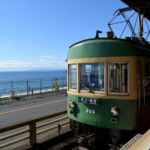
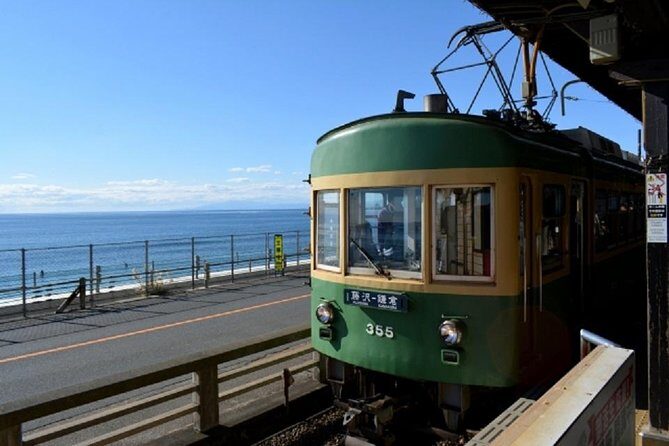
Expect a full day with a real mix of walking and local transport. The route uses an old-fashioned commuter train and public buses, plus plenty of steps between stops. One review tip that’s worth taking seriously: bring plenty of coins for buses. It’s the kind of tiny detail that can turn a smooth morning into an awkward stall at the ticket machine.
You’ll also use a mobile ticket, which is convenient when you’re hopping between entry points. The tour runs for about nine hours, so plan for a steady flow rather than long sit-down breaks.
A small but important plus: the tour meets you in your hotel lobby. That saves you from the common Tokyo mistake of losing time to last-minute taxi calls and transit anxiety.
Hasedera Temple: seasonal flowers and an atmospheric opener
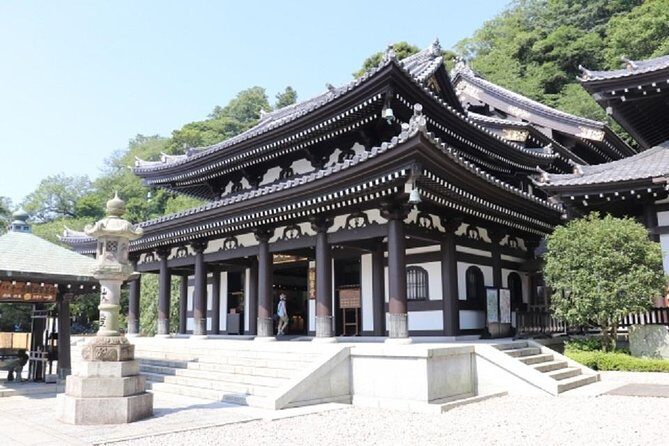
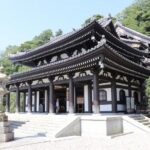
The day starts at Hasedera (Hase temple), one of Kamakura’s major stops. It’s known as a standout sightseeing spot, and it has a reputation that ties it to other famous nearby names, including Tsurugaoka Hachimangu Shrine and Kenchoji Temple.
What I like about beginning here is the pacing. You start with a place that leans into beauty and atmosphere—flowers are colored in every season, and Hasedera has been known as a temple of flowers since ancient times. Even if you’re not there in peak bloom, that seasonal identity shapes the whole visit. You’re not just ticking a box; you’re seeing how the gardens are treated like part of the worship landscape.
The downside to keep in mind: the visit is about an hour. If you love slow garden wandering, you’ll want to ask your guide for an extra minute here and there, and you’ll want comfortable shoes for the walk within the temple grounds.
Kotoku-in Great Buddha: massive, outdoor, and surprisingly steady
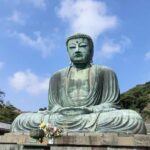
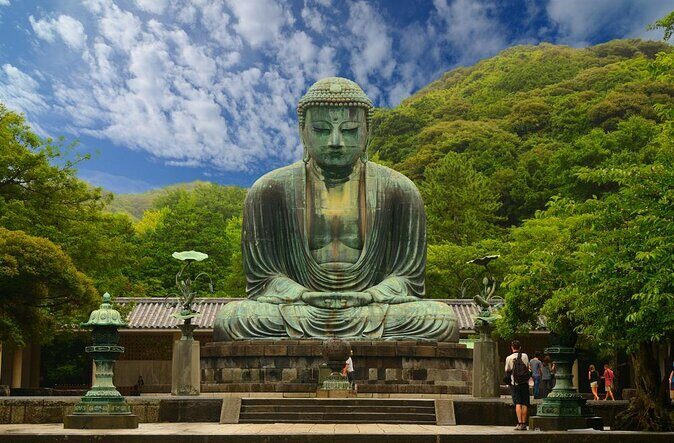
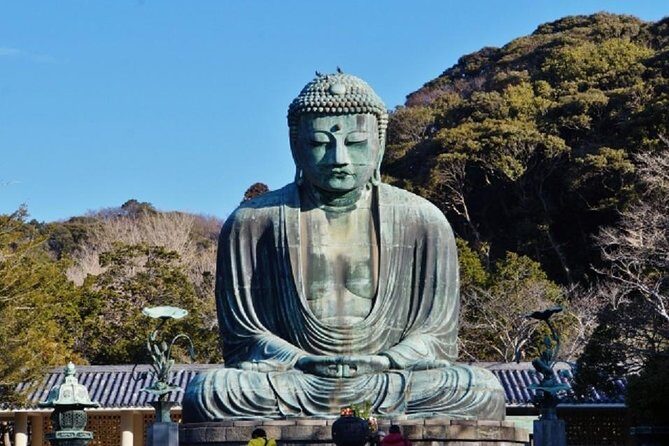
Next up is Kotoku-in, home to the Great Buddha of Kamakura. This bronze statue of Amida Buddha is outdoors, which changes the feel completely. You’re not in a climate-controlled hall. You’re in open air with a huge figure that’s meant to be seen from different angles.
The scale is the point: the statue is about 13.35 meters tall. That’s big enough that your brain has to adjust. Up close, it feels solid and grounded. From farther back, it becomes part of the site’s composition.
This stop is about an hour. It’s enough time to take in the size, walk the grounds, and get the cultural framing behind why this kind of Buddhist imagery matters. One practical tip: because it’s an outdoor landmark, weather will affect comfort. If it’s hot or rainy, you’ll feel it here more than in indoor-only attractions.
Hokoku-ji Bamboo Temple: cool shade and a quieter kind of wow
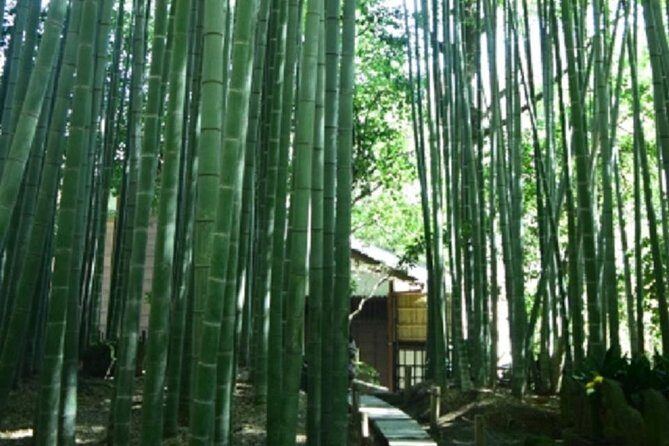
Then you’ll head to Hokoku-ji, often called the bamboo temple. The main reason people get excited is simple: there’s a large bamboo garden in the precincts, and the atmosphere is described as cool and mysterious.
That’s exactly what I think you should aim for on this tour. The other stops are dramatic in their own ways—statues, shrines, famous streets. Hokoku-ji is about mood. Bamboo changes the sound around you. It filters light. It makes the walk feel slower without you even trying.
This also gives the day a helpful balance. After urban routes and larger monuments, you get a softer, more intimate environment. The visit is about an hour, so you’ll have time to walk through the bamboo garden and still keep momentum for the later shrine stop.
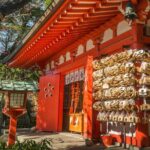
Tsurugaoka Hachimangu Shrine: Shinto at Kamakura’s core
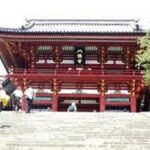
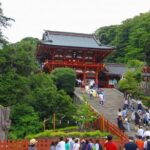
Tsurugaoka Hachimangu Shrine is in the center of the city, and it carries centuries of importance. It was venerated as the home of gods of war. That theme matters because Kamakura’s history is tied to the rise of warrior leadership, and shrines like this become cultural anchors.
This stop is about an hour. It’s enough time to see the main shrine area without rushing, especially because your guide can point out what to watch for as a non-expert. At shrines, the details are part of the experience. The goal isn’t just to stand in the right spot for a photo. It’s to understand what the space is meant to communicate.
The possible catch: if you were hoping for less shrine time and more casual, seaside wandering, this is where the itinerary can feel most “religious.” You’re still getting a famous and important Kamakura experience, but it may not match everyone’s ideal day.
Komachidori street walk: a short break for snacks and small shops
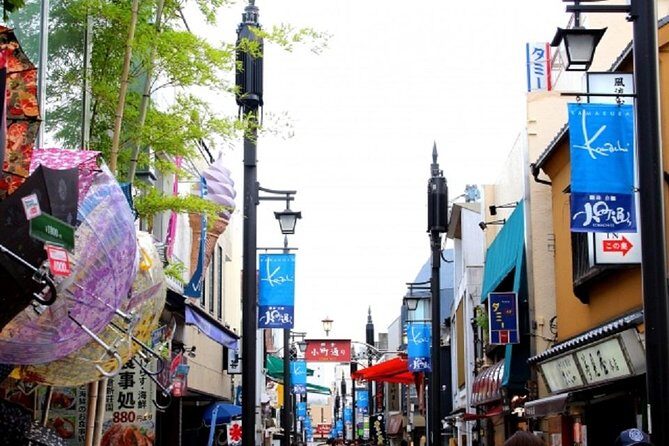
After the shrine, you get a break on Kamakura’s Komachidori. It’s a street known for food and unique shops, with about 30 minutes set aside for wandering.
This part is valuable because it gives your legs a mental reset. Temples and shrines involve slow circuits and careful looking. A shopping street is more about browsing, tasting, and soaking up the everyday vibe of Kamakura.
Admission here is free, and the time window is short enough that it doesn’t turn into a dragging detour. If you want a coffee or a quick bite to recharge before the final portion of the day, this is the practical place to do it.
Price and value: what $156.09 really buys
At about $156.09 per person, this is not a budget tour. But it also isn’t just you following a map. You’re paying for the combination of:
- Private tour for your group only
- English-speaking guide who explains what you’re seeing
- Hotel lobby meeting and hotel transfers (as provided by the tour)
- Escort support on public transportation
- A day built around multiple major sites without you coordinating everything
What isn’t included is also clear: admission fees, food, and transport fees for you are extra. That’s common for Japan tours, but it changes how you should budget. If you assume the headline price covers everything, you’ll be disappointed. If you plan for additional site tickets and your own meals, it makes more sense.
In pure value terms, I think this tour is strongest for people who:
1) want the best-known Kamakura highlights,
2) don’t want the hassle of planning every bus and walking segment, and
3) would rather spend money on guidance than on time lost getting lost.
The guide experience: prompt, respectful, and tuned to your interests
One of the standout parts from the feedback is the guide’s style. Yumiko Sano is described with the name Yumi, and she’s noted as prompt, kind, and very knowledgeable about the Kamakura period and the subjects your day touches.
That matters because Kamakura’s sights can be confusing if you only know the postcard basics. When a guide can connect the Great Buddha, bamboo temple mood, and the war-gods shrine theme into a coherent story, you get more from the day than just sights on a checklist.
You also ride public transport with the guide, which keeps the day flowing. No awkward waiting for someone to catch up at the wrong platform. No guessing where the correct bus stop is. You get to look up and around instead of only looking down at a route app.
Who this tour suits best (and who should rethink it)
This tour fits best if you want a classic Kamakura highlights day and you like the rhythm of local transit. You’ll enjoy it most if you’re comfortable with walking, a mix of train and bus travel, and the idea that you’ll spend a good chunk of time in temple and shrine areas.
You might want a different plan if you:
- want a beach-resort day with more coastal time,
- dislike walking circuits inside temple grounds,
- or prefer a simpler, all-car day where you never deal with coins or bus schedules.
Should you book this Kamakura private tour?
I’d book it if your top goal is to see major Kamakura icons without turning the trip into a logistics project. The combination of hotel pickup, a real escort on public transportation, and an English-speaking guide who can explain what you’re looking at is the main value.
It’s also a great choice for first-timers who want the essential temples and shrines in one long, well-paced day. Just go in knowing it’s shrine-heavy, and budget extra for admissions and your meals.
If you want Kamakura in a more seaside, relaxed mood, you may prefer adding coastal time yourself on another outing. But for a guided, efficient highlights day, this one is a strong pick.
FAQ
What’s included in the Kamakura private tour?
The tour includes a meeting in your hotel lobby, a private tour, and an English-speaking guide.
What’s not included in the price?
Food and drinks are not included. Transportation to and from you are not included, and admission fees are also not included.
How long is the tour?
The tour runs for about 9 hours.
Is this tour private or shared?
It’s a private tour. Only your group participates.
Do we use buses and trains during the day?
Yes. The day uses public transportation, including an old fashioned commuter train and public buses, along with walking.
Can I get a full refund if I cancel?
Yes. You can cancel up to 24 hours in advance for a full refund. If you cancel less than 24 hours before the start time, the amount paid is not refunded.