REVIEW · MATSUMOTO
eTour de Matsumoto – Electric Bike Tour
Book on Viator →Operated by Welcome Matsumoto · Bookable on Viator
A ride with a view and a story beat. This eBike tour mixes Matsumoto’s famous sights with quieter countryside stops, so you get more than the usual photo run. I like that the route stays relaxed and photo-friendly, and I love the way the guide ties each place to real local customs (from Tenjin worship to onsen culture).
You should consider one thing up front: this is still a bike experience. The cycling is labeled moderate, so if you hate sitting on a saddle for four hours or you want zero effort, you may prefer a walking-focused tour instead.
In This Review
- Key Highlights You Shouldn’t Miss
- Why an eBike Works So Well in Matsumoto
- Meeting Point and Timing: Starting Near Matsumoto Station
- The Bike Setup: Helmet, eBike, and What You Should Bring
- Fukashi Shrine: Suwamiyojin, Tenjin, and the Tenjin Matsuri Thread
- Susuki-gawa River and Yamabe Valley Views from the Countryside
- Asama-Onsen Village: A Cultural Pause Built Around Natural Hot Springs
- Matsumoto Castle: National Treasure Grounds and a Real Sense of Place
- The Guide Factor: Learning That Turns Stops Into Stories
- How Much Work Is It, Really? Fitness and Riding Comfort
- Price and Value: Is $88.02 a Good Deal?
- Weather, Clothing, and Small Logistics That Matter
- Who This Tour Is Best For (And Who Might Skip)
- Should You Book the eTour de Matsumoto?
- FAQ
- How long is the eTour de Matsumoto?
- Where does the tour start and end?
- What is included in the price?
- Do I need to bring a helmet?
- Is the tour good for beginners or people with limited fitness?
- Is lunch included?
- What should I bring with me?
- What happens if the weather is poor?
- How big are the groups?
- Do I get a mobile ticket?
Key Highlights You Shouldn’t Miss
- Smarter sightseeing pace: plenty of breaks for photos and slower moments, not a race through town
- Fukashi Shrine details: you’ll learn about Suwamiyojin and Tenjin, plus the connection to the Tenjin Matsuri
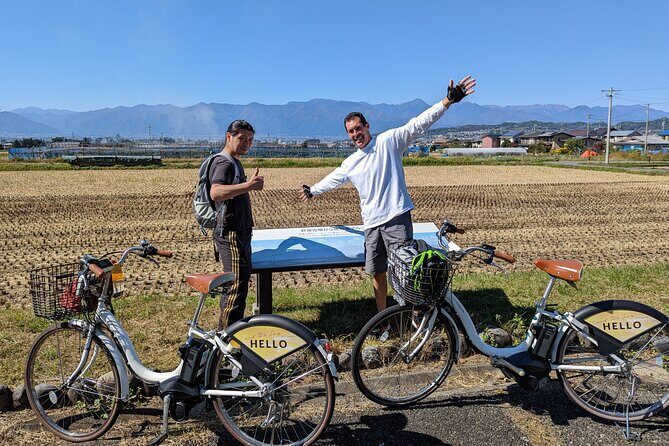
- Countryside ride energy: rice fields, vineyards, and views toward Yamabe Valley from the Susuki-gawa River area
- Asama-Onsen Village stop: a culturally important pause for natural hot spring life
- Matsumoto Castle as a National Treasure: one of only five Japanese castles with that top designation
Why an eBike Works So Well in Matsumoto
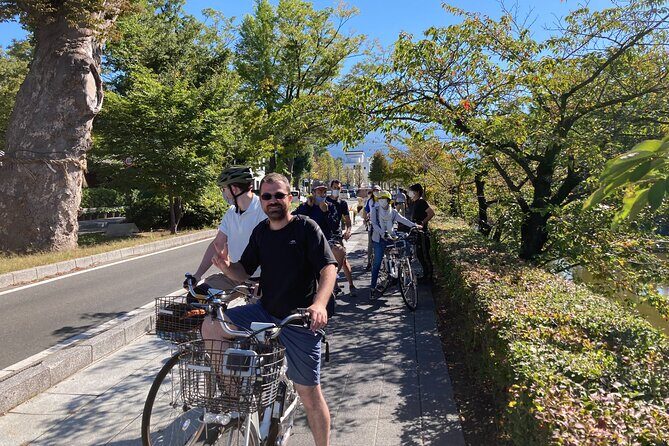
Matsumoto sits in a way that invites outdoor exploring. Once you leave the city center, you get that open feeling fast—fields, water, and big mountain views in the background. The eBike makes this practical, because you can cover ground without turning your day into a sweat-fest.
I also like how the tour is built as a discovery ride, not just a sightseeing circuit. You’ll have a relaxed pace with sightseeing stops and photo breaks, which matters in Japan where the “best moment” is often at a doorway, along a river bend, or in a quiet shrine area—not while you’re sprinting between locations.
The practical upside is clear: you’re spending your energy on enjoying the places, not grinding through hills. And since the group size maxes at 8 travelers, it feels more like a guided day out than a mass attraction shuffle.
You can also read our reviews of more tours and experiences in Matsumoto.
Meeting Point and Timing: Starting Near Matsumoto Station
You’ll start at Matsumoto Station (1 Chome-1 Fukashi, Matsumoto, Nagano). The tour ends back at the same meeting point, which is handy if you want to keep your evening plans simple—dinner, shopping, or a onsen visit of your own.
The activity runs about 4 hours, so it’s long enough to feel like you explored beyond the city center, but not so long that you lose the day to logistics. If you’re trying to fit Matsumoto into a tight itinerary, this timing is one of the big reasons people go for it.
You’ll also get a mobile ticket, which is easy when you’re hopping between train and taxi throughout Nagano. Confirmation happens at booking, and the tour runs near public transportation, so you’re not stuck hunting for a remote pickup.
The Bike Setup: Helmet, eBike, and What You Should Bring
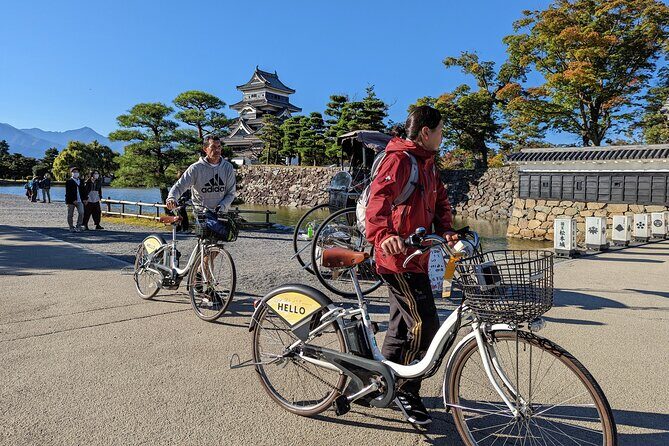
Included in the tour are an English-speaking guide, use of the bicycle, and a helmet. That takes away two common travel annoyances: figuring out how to rent and guess your fit, and remembering to bring protective gear.
Still, plan like it’s a day outdoors. The tour info specifically points you to bring snacks, water, and sun protection, especially in summer months. That’s not just advice for comfort—it’s also good for staying focused during stops, especially when your day includes multiple outdoor sections.
Another important note: extra safety gear is not included. That likely means you’ll rely on the provided helmet and your own judgment about what else to wear (think weather-appropriate layers, rain protection if needed, and comfortable riding shoes).
Fukashi Shrine: Suwamiyojin, Tenjin, and the Tenjin Matsuri Thread
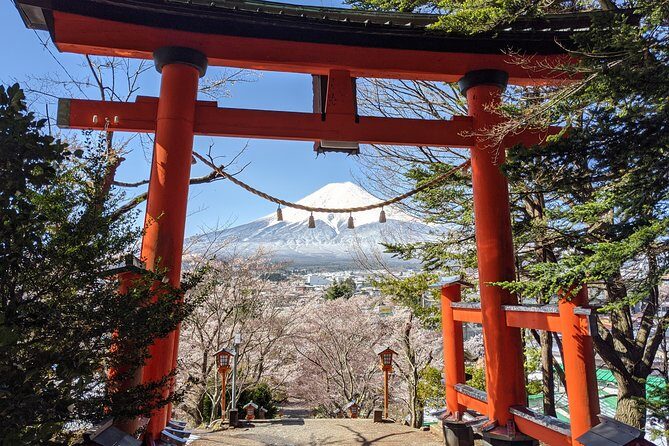
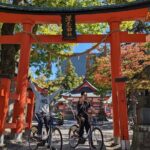
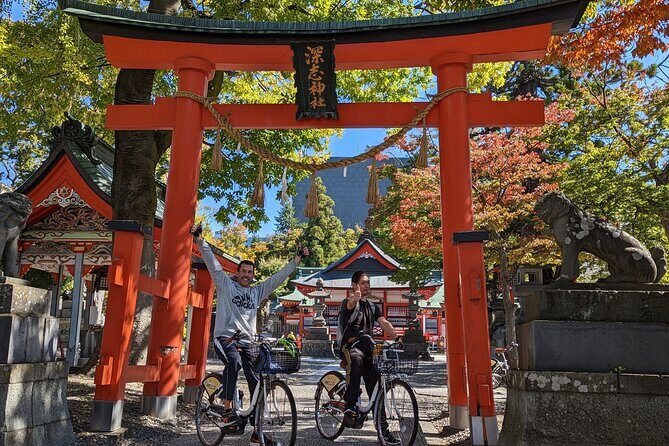
Your ride begins with a stop at Fukashi Shrine, dedicated to two Shinto deities: Suwamiyojin and Tenjin. It’s one of those places where the quiet atmosphere makes you slow down, and the guide’s context helps you notice what you might otherwise miss.
Here’s the standout detail: Tenjin lends his name to the shrine’s most famous festival, the Tenjin Matsuri. Once you hear that connection, the shrine stops looking like a random temple moment and starts feeling like part of a living local calendar.
Why this stop is valuable on an eBike tour: it’s not just “see a shrine.” You’re being introduced to the meaning behind the site before you move on to bigger landmarks. It also sets the tone for the whole day—calm, cultural, and intentionally off the main tourist lane.
A small consideration: shrine areas can mean walking a few steps around grounds and viewpoints. Nothing extreme is suggested, but it’s still worth wearing shoes you like walking in, not just sandals.
Susuki-gawa River and Yamabe Valley Views from the Countryside
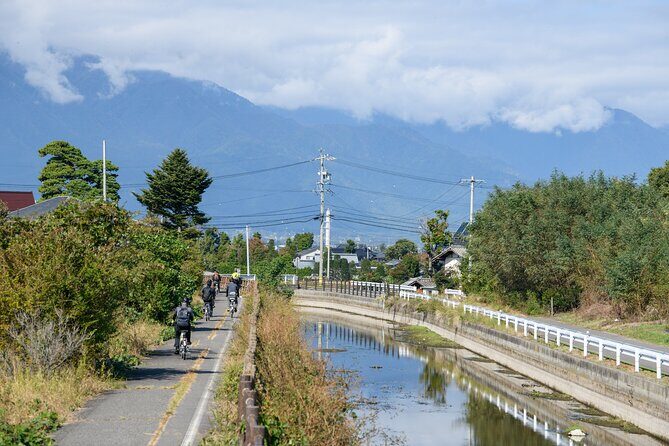
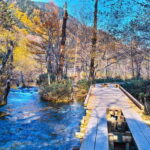
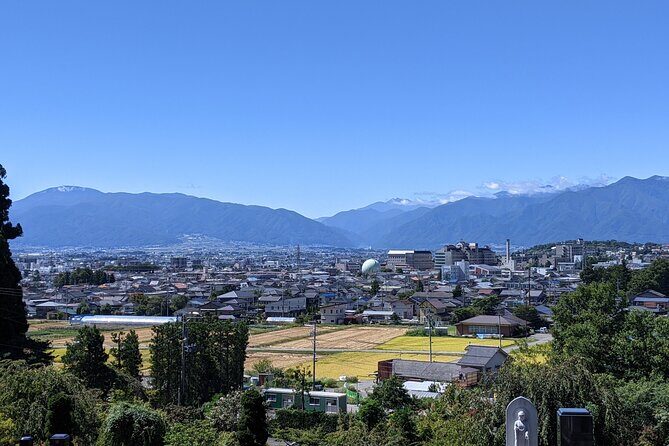
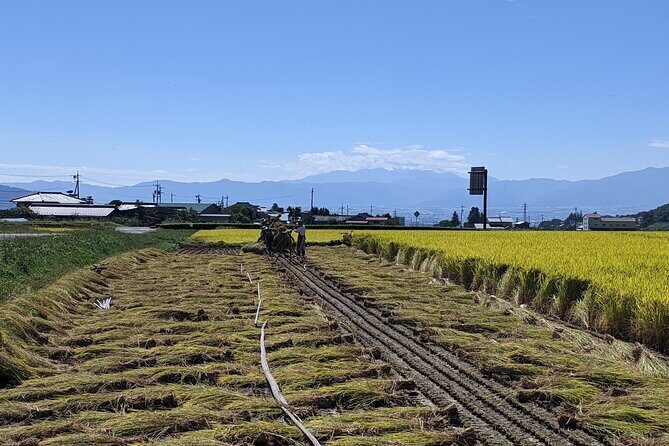
After the shrine, the tour shifts toward the countryside. East of town, the Susuki-gawa River runs down from the mountains past vineyards and rice fields, and the route offers views toward the Yamabe Valley.
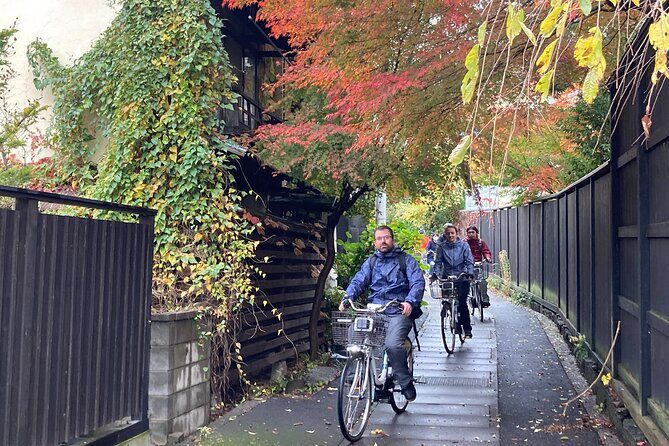
This is the part of the day where the eBike really earns its place. You get the feeling of being out in the open without losing time to long distances or tiring climbs. You also pick up visual context for why Matsumoto feels different from Japan’s biggest cities: water, agriculture, and valley views all in one frame.
The information here is specific, and that’s helpful: you’re not just riding somewhere scenic—you’re riding alongside a named river system and into a valley area known for its color in season. Even if you’re not sure what to photograph, you’ll have natural cues to aim for—river bends, field edges, and viewpoints that open up as you move along.
One practical note for timing: because this section depends on weather and daylight, it’s smarter to bring sun protection and stay ready to pause for photos when the guide suggests good sightlines.
Asama-Onsen Village: A Cultural Pause Built Around Natural Hot Springs
Next up is Asama-Onsen Village, north of Matsumoto City. This is where the tour gives your body and your brain a break from riding. Onsen—natural hot springs—are an integral part of Japanese culture, and this stop is built around that idea.
If you’re the kind of traveler who likes to understand culture through daily habits, this is a strong inclusion. Instead of only seeing history in stone, you get a chance to understand how Matsumoto-area life is tied to hot springs.
Now, the tour data doesn’t spell out whether you’ll bathe during this stop, so don’t assume a soak is part of the included experience. What you can expect is a focused stop that connects you to the onsen tradition and lets you appreciate the setting.
A consideration: depending on weather, onsen-related stops can feel either relaxing or a little chilly while you’re waiting around outside. Dress in layers, and have water and snacks handy so you don’t feel rushed during the quiet moments.
Matsumoto Castle: National Treasure Grounds and a Real Sense of Place
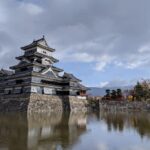
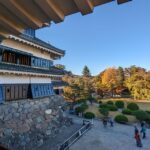
The final major highlight is Matsumoto Castle, with over 400 years of history and the highest designation of National Treasure. Matsumoto is one of only five castles in Japan with this status (the others listed are Himeji, Hikone, Inuyama, and Matsue), which helps you grasp that you’re seeing something genuinely rare in the national context.
The castle stop matters because it anchors the day. Up to this point, you’ve been building a picture of countryside rhythms, shrine traditions, and the valley environment. Then you arrive at a landmark that tells you how this region’s power and identity were expressed in architecture.
What I like about this pairing—castle plus countryside—is that it avoids a common travel trap: seeing famous sites without understanding what surrounds them. On this tour, you’re already aware of fields, water, and local culture before you reach the fortress, so it hits differently.
Practical drawback: castles often involve walking and standing for views. If you’re sensitive to crowds or want maximum seating breaks, plan to take it slow at your own pace during the stop, and use the guide’s relaxed schedule to your advantage.
The Guide Factor: Learning That Turns Stops Into Stories
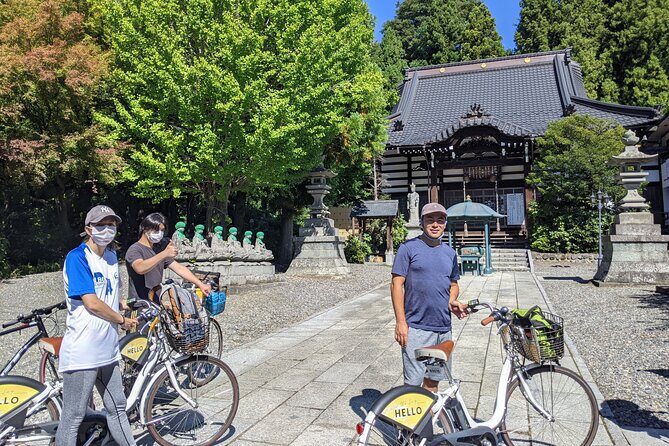
One of the clearest strengths from the experience feedback is the guide’s knowledge and friendliness. In at least one shared account, Kevin is praised for extensive knowledge of the area and leading a day that connected the dots between shrines, valley views, and local history.
This matters because the tour isn’t only about movement—it’s about interpretation. When you’re riding through countryside, you don’t automatically know what you’re looking at. A good guide gives you that bridge: why the shrine matters, how onsen fit local life, and what to notice at the castle beyond the basics.
I’d treat the guide as part of your itinerary planning. If you have questions about what you’re seeing—seasonal details, cultural meanings, or what to do next in Matsumoto after the tour—ask. A small group makes that easier than on bigger rides.
How Much Work Is It, Really? Fitness and Riding Comfort
The tour is described as having a moderate amount of cycling and being suitable for most fitness levels. It’s also designed as a discovery tour with a relaxed pace and plenty of breaks for sightseeing and photos.
That said, you should be honest with your own body. Four hours on a bike—assisted by electric power or not—requires enough comfort to stay seated and focused. If you have knee issues, back pain, or you tire quickly, consider choosing a gentler day tour or ask the provider beforehand what the riding profile feels like.
A helpful strategy: treat breaks as your recovery time. Use them to drink, snack, and adjust your comfort. The tour’s format is built for this, so it’s not a forced, nonstop push.
Price and Value: Is $88.02 a Good Deal?
The price is $88.02 per person for about 4 hours with an English-speaking guide, eBike, and helmet included. For Matsumoto, that’s not a bargain price, but it’s also not outrageous given what’s bundled: guided transport across multiple zones plus cultural context.
Value comes from three places:
- Multiple sites in one outing (shrines, river/countryside views, onsen village area, and Matsumoto Castle)
- Reduced effort compared with a standard bike rental
- Small group size (up to 8), which makes the guide time feel real
The cost is also easier to justify because you’re not paying for the big transport hurdle yourself. You’re starting and ending at Matsumoto Station, and you’re getting a structured route that would take time to assemble on your own.
One cost note: lunch isn’t included, and snacks/souvenirs fees are not included either. If you’re hoping for a full meal inside the tour price, plan your own timing around the ride. (Some people do add a local lunch on their schedule, but it’s not stated as included here.)
Weather, Clothing, and Small Logistics That Matter
This tour requires good weather. If conditions aren’t right, you’ll be offered a different date or a full refund. That’s a fair setup for cycling outdoors, especially in a place where river valleys and castle grounds can feel very different under rain or wind.
Plan clothing based on season rather than guesswork. Even in comfortable months, you’ll be outside for hours and moving between sun-exposed and shaded spots. A light layer helps. Sunglasses and sunscreen help. And yes, pack water—because you’ll likely be stopping and snapping photos more than you expect.
If you want the smoothest ride, aim for a normal travel-day rhythm: eat a solid snack or meal before you start, then bring extra snacks for later. Your energy level affects how much you enjoy those quiet shrine and valley moments.
Who This Tour Is Best For (And Who Might Skip)
This tour is ideal if you want:
- A guided countryside view without doing long-distance biking on your own
- Cultural context alongside big sights like Matsumoto Castle
- A relaxed pace with breaks and photos, not a sprint itinerary
It’s also a solid match for first-timers to Matsumoto who want to see more than just the castle district. If you like shrines, rivers, onsen culture, and valley views, the stop selection fits.
You might skip it if:
- You prefer walking tours only
- You’re worried about staying comfortable on a bike for four hours
- You’re hoping for an onsen bathing experience specifically (the data only confirms the village and onsen culture connection, not a soak)
Should You Book the eTour de Matsumoto?
I think this is a strong booking choice if you want a practical way to see Matsumoto and its surroundings in one guided window. The value is in the pairing: countryside calm plus a major landmark, with a guide who can explain what you’re looking at.
If you’re already in the area and you care about learning local meaning—not just collecting stamps—this tour earns its place. Book with confidence, especially if you like your sightseeing structured but not rushed.
One last tip: plan your day so you’re not rushing afterward. You’ll likely finish with enough energy to enjoy Matsumoto further, but you’ll also be glad you didn’t stack your schedule too tightly.
FAQ
How long is the eTour de Matsumoto?
The tour is about 4 hours.
Where does the tour start and end?
It starts at Matsumoto Station (1 Chome-1 Fukashi, Matsumoto, Nagano 390-0815, Japan) and ends back at the meeting point.
What is included in the price?
The tour includes an English speaking guide, use of the bicycle, and a helmet.
Do I need to bring a helmet?
No. Helmets are provided, and you must wear one during the ride.
Is the tour good for beginners or people with limited fitness?
The tour includes a moderate amount of cycling and is described as suitable for most fitness levels, but it does require moderate physical fitness. It also has a relaxed pace with plenty of breaks.
Is lunch included?
No, lunch is not included.
What should I bring with me?
You should prepare enough snacks, water, and sun protection. Also consider bringing any extra safety gear you feel you need, since additional safety gear is not included.
What happens if the weather is poor?
The experience requires good weather. If it is canceled due to poor weather, you will be offered a different date or a full refund.
How big are the groups?
The tour has a maximum of 8 travelers.
Do I get a mobile ticket?
Yes, this activity includes a mobile ticket.