REVIEW · MATSUMOTO
Matsumoto Castle Tour & Soba Noodle Making Workshop
Book on GetYourGuide →Operated by Matsumoto Experience · Bookable on GetYourGuide
Matsumoto Castle and soba in one tidy package. You get two anchors in a single 3-hour block: a visit to Matsumoto Castle, a National Treasure with a remarkably preserved original structure, and a hands-on soba noodle workshop where you make noodles from start to finish. The most fun part is eating what you just cut—hot or chilled—right after.
I especially like how the soba lesson is taught step-by-step with real tools. After a short intro video and guidance from a soba master, you work with an apprentice-chef mindset, then your noodles show up at lunch. The one thing to plan around is the castle climb: the tower stairs are steep and narrow.
One more practical note: the workshop requires a minimum amount of soba dough (500 grams), so your group may share the serving, which is sized for 2 or 3 people.
In This Review
- Key Things You’ll Actually Care About
- Matsumoto Castle: The National Treasure Start That Sets the Mood
- From The Main Gate To A Castle Tour That Moves With Purpose
- The Soba Workshop: Learn The Real Steps, Use Real Tools
- A Portion Reality Check (Because Soba Is Not About Perfect One-Person Plates)
- Lunch With Your Own Noodles: Hot, Chilled, With Side Hits
- Price and Value: What $92 Covers (And Why It’s Not Just a Castle Ticket)
- Timing, Stairs, and Who Should Choose This Tour
- The castle stairs matter
- Not the right match for everyone
- Best fit
- Should You Book This Matsumoto Castle & Soba Tour?
- FAQ
- How long is the Matsumoto Castle and soba noodle making tour?
- Where does the tour meet?
- What is included in the soba noodle workshop?
- Can I request vegetarian or vegan options?
- What do I eat at the end of the workshop?
- Is the castle tower accessible and easy to climb?
Key Things You’ll Actually Care About
- National Treasure castle visit with admission handled on the tour
- Hands-on soba-making: dough prep, rolling, and cutting noodles
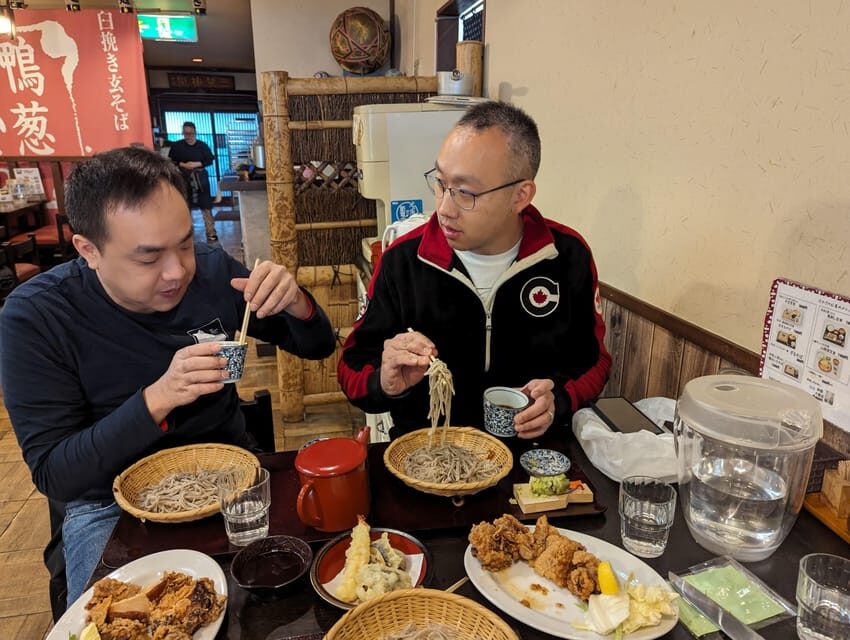
- You eat your noodles during a short lunch break
- English live guide (and in some groups, you’ll also get strong Japan context and stories)
- Shared soba serving because the dough minimum is 500 grams
- Stairs to the tower are steep and narrow, so plan accordingly
Matsumoto Castle: The National Treasure Start That Sets the Mood
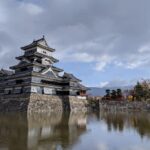
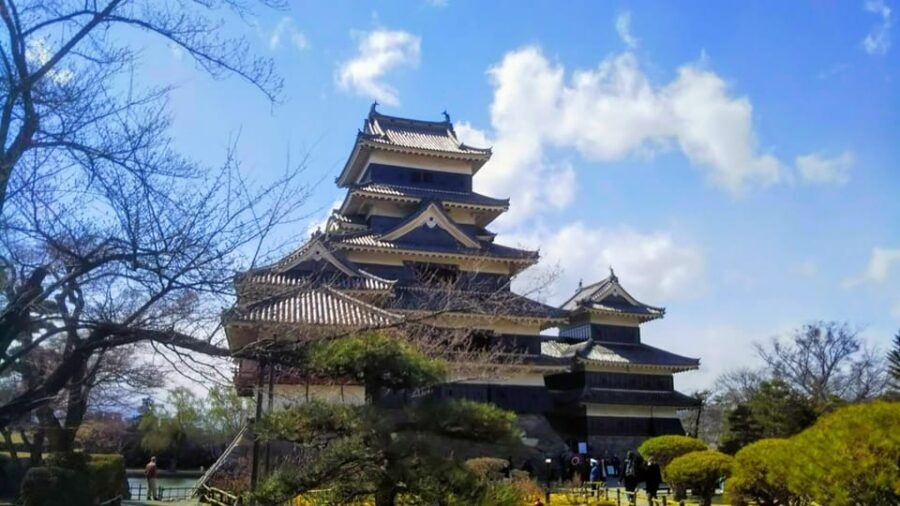
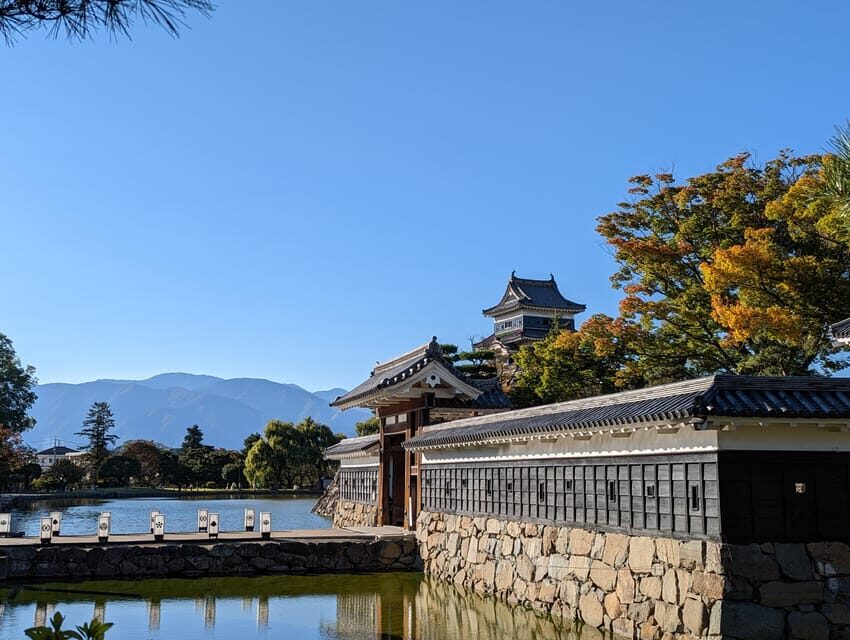
Matsumoto Castle is the kind of stop that makes the rest of your day feel grounded and real. This one is listed as a National Treasure, and it’s known for having one of the best-preserved original structures in Japan. It’s also considered the oldest original castle still standing in the country, which is a big deal because many old castles didn’t survive in original form.
What I like about starting here is timing and focus. You begin with a structured, guided 90-minute tour, so you’re not wandering around wondering what you’re looking at. The guide helps connect what you see—architecture, layout, and preservation—with why this castle mattered historically. If you’re the type who likes photos, bring your camera, because the castle is photogenic from multiple angles, especially around the exterior areas before you get into the tower.
A quick heads-up: the tower stairs are steep and narrow. If your legs get tired easily, or you don’t like tight staircases, this is the one spot where you might feel it. Also, the tour isn’t suitable for wheelchair users, so you’ll want to choose another plan if mobility is a concern.
You can also read our reviews of more tours and experiences in Matsumoto.
From The Main Gate To A Castle Tour That Moves With Purpose
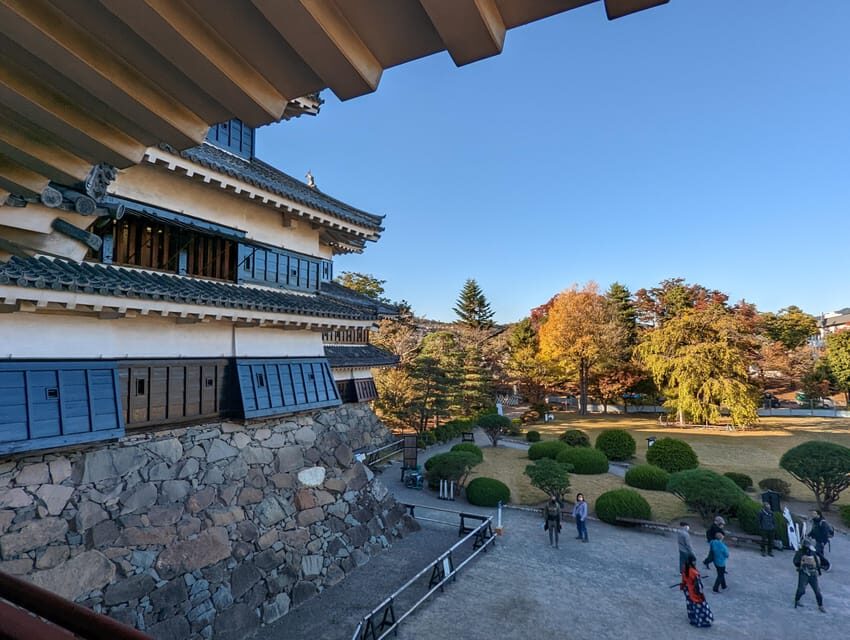
Your tour starts at Matsumoto Castle, and the meeting point is simple: stand just outside the main gate, in front of the ticket gate and the entrance to the paid admission area. That matters because Matsumoto Castle is one of those places where you can easily lose track of time if you’re trying to navigate by yourself first.
Once you meet your English-speaking guide, the first segment is about 90 minutes of castle time. This is long enough to learn the basics without feeling dragged. You’re guided through the castle experience rather than doing it solo, so you’ll get context while you’re standing in front of the walls, floors, and tower area.
Here’s a practical tip that saves frustration: wear shoes you can grip on. Even if you’re not climbing a ton, you’ll still be moving through uneven areas and up/down steps during the visit. You’ll be glad you did when the soba workshop gets hands-on later.
The Soba Workshop: Learn The Real Steps, Use Real Tools
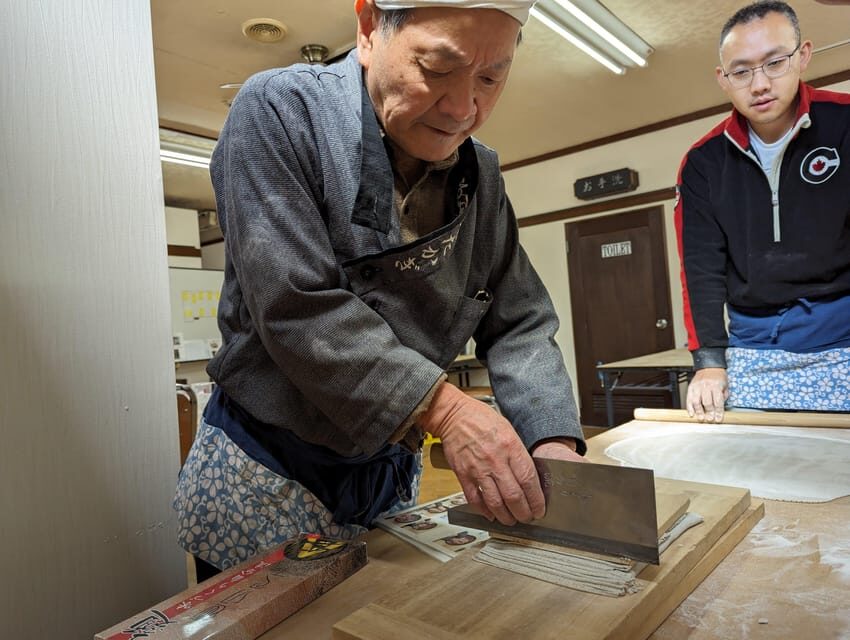
The soba workshop is the highlight for most people, and it’s easy to see why once you’re actually there. After the castle tour, the schedule shifts to cooking mode: 60 minutes with a soba master, from dough to cutting noodles.
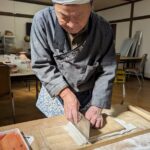
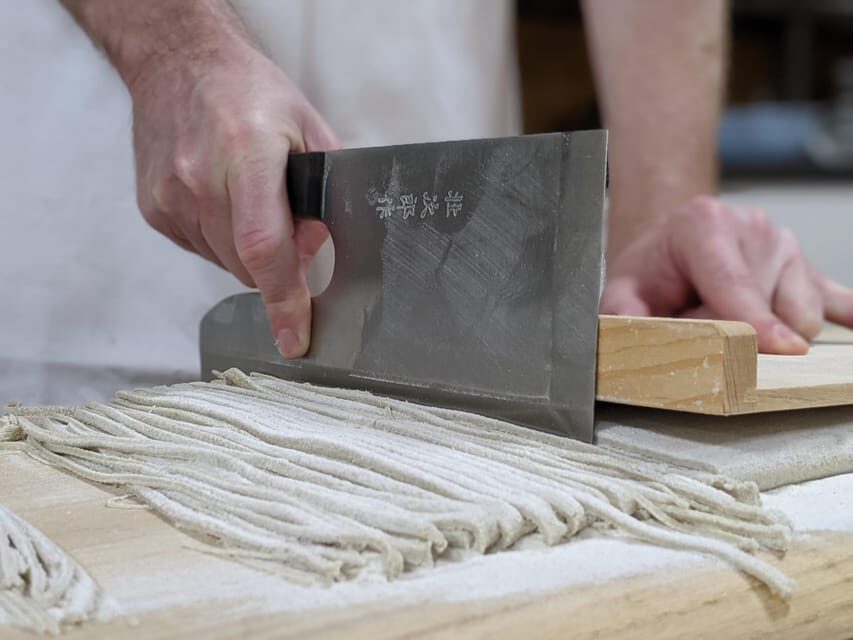
You start with a short video introduction that explains the process and the steps involved—prepping the dough, moving through the work, and finally cutting the noodles. Then you’re in the shoes of an apprentice chef. It’s not just watch-and-learn. You use authentic soba-making tools and learn the basics of how the dough should behave and how to handle the cutting step.
What I appreciate most is that you get guidance at each stage. The teacher isn’t hovering with vague advice; the focus is on helping you complete the process. If you’ve ever made food where one step quietly ruins the whole thing, this workshop is the opposite. You get enough direction to keep moving forward, even if you’ve never worked with soba dough before.
The “from start to finish” part matters for two reasons:
- You understand the sequence, so the final texture makes sense.
- You don’t leave feeling like you just did one fun photo step and the rest was mystery.
Also, the workshop includes everything you need—tools and instruction—so you’re not hunting for gear or worrying you’ll miss the key parts.
A Portion Reality Check (Because Soba Is Not About Perfect One-Person Plates)
One detail that can surprise people: there’s a minimum amount of soba dough (500 grams) required to prepare it. That means the soba-making experience includes a shared serving, suitable for 2 or 3 people.
So if you’re expecting a huge individual portion, reset your expectations. Your goal here is the learning and the eating of your noodles—not a giant buffet situation. In practice, it still works well, and you’ll have enough to enjoy lunch without feeling robbed.
Lunch With Your Own Noodles: Hot, Chilled, With Side Hits
After you cut the noodles, you head to where the soba master cooks what you made. This is a big part of the experience, because you get the payoff immediately. You’re not doing a food craft and then hoping you’ll find something similar later. Your soba becomes lunch.
The workshop includes tasting of your noodle creation, plus one extra dish. The lunch format can include soba in different forms—hot or chilled—and you may also have it with tempura (fried vegetables) or other side dishes.
This part is where the day clicks for families and first-timers. The learning is one thing, but eating your own result turns it into a real memory. I also like that the tour time is designed around this meal, with an estimate of 30 minutes for lunch.
From a practical point of view, you’ll likely want to keep your appetite flexible. Soba is filling, and the combination of your handmade noodles plus a side dish means you’re not looking for extra snacks right away. Still, if you want other bites like oyaki or extra snacks, those are not included—just be ready to buy them separately.
Price and Value: What $92 Covers (And Why It’s Not Just a Castle Ticket)
At $92 per person for a 3-hour experience, this tour isn’t the cheapest way to spend an afternoon in Matsumoto. But it also isn’t just a sightseeing add-on. The value comes from what’s bundled together.
Here’s what you’re paying for:
- Guided visit and admission to Matsumoto Castle
- English live guide for both the historical stop and the cooking lesson
- Soba noodle making workshop with a soba master
- All necessary tools
- Lunch tasting of your own noodles plus one extra dish
When those pieces combine, you’re getting two separate experiences—history and cooking—without having to coordinate between different providers. That saves time and reduces the stress of figuring out what to do next in a city you may not know yet.
What’s not included is also clear, and it’s good to know upfront. Drinks and other side snacks (like additional items such as oyaki) are not part of the package. If you’re the type who likes to snack between stops, you’ll want to plan for that.
For budget-minded travelers, the best way to see the value is to compare what you’d pay if you did it separately: castle admission plus a guided explanation, then a paid class that supplies tools and instruction, plus a meal. This tour rolls those pieces into a clean, timed block.
Timing, Stairs, and Who Should Choose This Tour
The full visit is estimated at 3 hours, with this pacing:
- Matsumoto Castle: 90 minutes
- Soba-making: 60 minutes
- Lunch: 30 minutes
Times are estimates, so you may finish slightly earlier or later. That flexibility is normal with live guides and cooking steps, but it helps to keep your next appointment loose.
The castle stairs matter
Again: the tower stairs are steep and narrow. If you’re careful on steps and don’t mind a bit of climbing, you’ll probably be fine. If you want a low-effort sightseeing day, consider whether a tower climb is worth it for you.
Not the right match for everyone
This activity is listed as not suitable for:
- Pregnant women
- Wheelchair users
Best fit
This tour really suits you if you like:
- guided sightseeing where you learn something, not just “see it and go”
- hands-on food experiences that result in an actual meal
- travel days with a clear structure and limited wasted time
It also works well for families, including teens, because you get both the visual wow-factor of the castle and the interactive fun of making noodles.
Should You Book This Matsumoto Castle & Soba Tour?
I’d book it if you want an afternoon that feels meaningful, not random. The combo of Matsumoto Castle (National Treasure) plus a guided, hands-on soba-making workshop is a strong use of time, especially since you eat your own noodles right afterward.
Skip it or choose something else if:
- you know you won’t handle steep, narrow stairs to the tower
- you need a solo-friendly, non-shared meal portion expectation
- you’re mainly hunting for a quick photo stop without a cooking component
If you’re happy with a structured 3-hour plan and you want to leave with both stories and lunch, this is a very solid pick.
FAQ
How long is the Matsumoto Castle and soba noodle making tour?
The total duration is about 3 hours, with estimates of 90 minutes for the castle, 60 minutes for soba making, and 30 minutes for lunch.
Where does the tour meet?
Your guide waits just outside the main gate of Matsumoto Castle, in front of the ticket gate and the entrance to the paid admission area.
What is included in the soba noodle workshop?
You get guidance from an experienced soba master, English instruction, a short introduction to the process, all necessary soba-making tools, and instruction from start to finish, including cutting the noodles.
Can I request vegetarian or vegan options?
Yes. Vegetarian and vegan options are available upon request. You should advise of any dietary requirements or allergies at booking.
What do I eat at the end of the workshop?
You taste the soba you helped make with lunch. The experience includes one extra dish, and soba may be served hot or chilled, sometimes with tempura or other side dishes.
Is the castle tower accessible and easy to climb?
The stairs to reach the top of the castle tower are steep and narrow. The activity is also not suitable for wheelchair users.