REVIEW · TOKYO
Private Ginza Architecture Walking Tour
Book on Viator →Operated by Showcase Tokyo Architecture Tour · Bookable on Viator
Ginza looks polished from street level, but up close it tells a deeper story. I love that this is a private walk that can be tailored to what you care about, and I also like the mix of interiors and street views (temple, kabuki theater, and major brand buildings). One thing to consider: it’s a walking tour, so you’ll want comfy shoes and a moderate fitness level for 3.5 hours at a steady pace.
The best part is how the route teaches you to see Ginza like an urban planner—layer by layer, old next to new. You’ll spend time at landmark culture sites, then shift into the luxury-and-retail architecture Ginza is famous for. The focus stays practical: you get context while you walk, and you’re not stuck listening in one place for long.
In This Review
- Key things that make this tour worth your time
- Ginza, Japan’s style lab for architecture lovers
- A 3.5-hour private pace that actually works
- Where the walk starts: from Tsukiji to Ginza directionally correct
- Stop-by-stop: what you’ll see and why each place matters
- Ginza walking block (about 40 minutes)
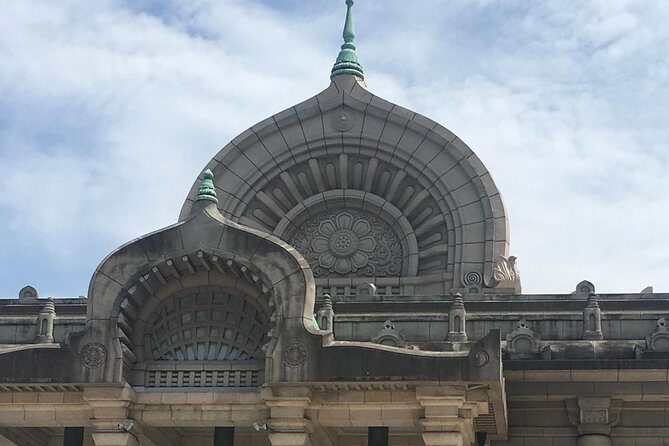
- Tsukiji Hongwanji Temple (inside, about 10 minutes)
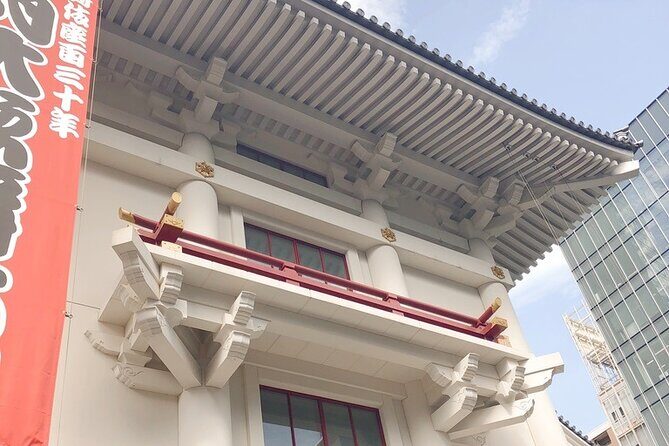
- Kabukiza Theater (inside, about 20 minutes)
- Nicolas G. Hayek Center (inside, about 15 minutes)
- Toyoiwa Inari Shrine (about 5 minutes)
- Ginza Maison Hermes Le Forum (inside, about 15 minutes)
- Mikimoto Boutique Ginza 2-chome (about 5 minutes, inside if time)
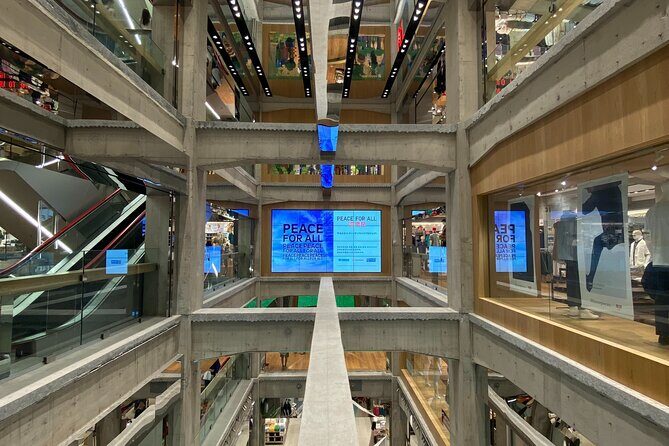
- UNIQLO Tokyo (view from outside, about 10 minutes)
- Mikimoto Ginza 4-chome Honten (view from outside, about 5 minutes)
- Wako Ginza (view from outside, about 10 minutes)
- Okuno Building (inside, about 10 minutes)
- What you’re really learning: how to read a city block
- Value for your money: why $132.10 can make sense
- Who should book this Ginza architecture tour
- Should you book this Ginza architecture walking tour?
- FAQ
- How long is the Private Ginza Architecture Walking Tour?
- What is the meeting point and where do I end?
- Is the tour private and how big is the group?
- What’s included in the tour price?
- Is hotel pickup and drop-off included?
- Is free cancellation available?
Key things that make this tour worth your time
- Private, up-to-5-person group: you get room for questions and a pace that fits your legs and your interests.
- English guide + customization: the conversation can shift toward architecture, history, or culture based on what you want to learn.
- Free entry at multiple stops: temple, kabuki theater, shrine areas, and several buildings are part of the experience without extra ticket costs listed.
- Interior access at several major locations: you’re not only photographing facades from the sidewalk.
- A drinks pause is built in: it’s not just walking—there’s a cozy break along the way.
- Mobile ticket + two departure times: it’s easier to slot into your day than tours with one fixed start.
Ginza, Japan’s style lab for architecture lovers
Ginza is famous for shopping, but it’s also a crash course in how Tokyo design changes over time. You’ll see modern commercial architecture next to older cultural spaces, and the contrast is the whole point of the neighborhood.
What I like most is that the tour doesn’t treat architecture like wallpaper. You’re encouraged to notice details—materials, entrances, how buildings sit on the street, and how public culture spaces work inside a luxury district. It turns a familiar area into something you can actually read.
And because it’s private, you don’t have to pretend you understand everything. If you’re new to architectural talk, you can ask for clearer explanations. If you already know your way around Tokyo’s building styles, you can steer the guide toward the angles you care about.
You can also read our reviews of more walking tours in Tokyo


A 3.5-hour private pace that actually works
This is built around a walking rhythm that feels human, not rushed. The tour runs about 3 hours 30 minutes, and you move between sites on foot at your own pace.
You’ll also have two departure times to choose from. That matters in Tokyo, where you might want the calmer morning light or a later start that fits dinner plans. If you’re traveling with kids (the tour is for ages 10+), the ability to keep things flexible can make the difference between enjoying it and simply surviving it.
The group size is limited to a maximum of 5 people per booking, so the guide can keep track of questions without turning the walk into a lecture. Many tours cram too many viewpoints into too little time; here, the format makes it easier to slow down when something grabs your attention.
Quick practical note: the tour is near public transportation and doesn’t include hotel pickup or drop-off. You’ll want to meet your guide on time at the start location and plan to finish near Ginza shopping streets.
Where the walk starts: from Tsukiji to Ginza directionally correct
Your tour begins at the Tsukiji meeting point near Tsukiji Station, Exit 1 (Chuo City, Tsukiji area). Starting in Tsukiji is a smart move because it sets up the theme: Tokyo’s cultural roots near the modern city.
Then you end at the Ginza 4-chome intersection in front of Mitsukoshi. That’s convenient if you want to keep exploring after the tour, grab a late lunch, or shift into shopping mode without needing to reposition across town.
This “start-culture, end-luxury” arc helps you see the district shift in real time. You’re not only walking downhill through a list of landmarks—you’re changing neighborhoods while your eyes adjust to what Tokyo’s architecture is doing at different levels.
Stop-by-stop: what you’ll see and why each place matters
Ginza walking block (about 40 minutes)
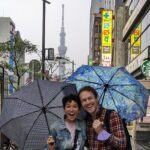
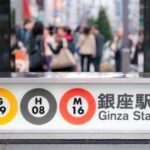
The tour begins with a walking stretch through Ginza itself, which is the perfect warm-up. You get set up for what to notice: building entrances, facade rhythm, street geometry, and how the area’s design makes it easy to move and shop.
This time also helps your guide calibrate the conversation. If you’re more interested in history, you’ll get that framing early. If you’re here for design and layout, you’ll start recognizing patterns before the more specific sites begin.
You can also read our reviews of more private tours in Tokyo



Tsukiji Hongwanji Temple (inside, about 10 minutes)
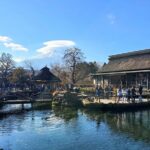
Next comes Tsukiji Hongwanji Temple, where you’ll go inside. Even in a city known for speed, a temple visit adds a different kind of pace—quiet attention instead of shopping momentum.
This stop gives you cultural grounding. Ginza isn’t just an international brand zone; it sits on top of older traditions. Seeing the temple space in person helps you understand how Tokyo layers new identity over long-standing community life.
Kabukiza Theater (inside, about 20 minutes)
Then you move to Kabukiza Theater, and you’ll go inside to enjoy its features. Kabuki is one of Japan’s best-known performing arts, and the theater building is part of the experience, not just a box for shows.
Architecturally, this kind of venue teaches you something practical: how public culture buildings are designed for visibility, movement, and presence. Even if you’re not seeing a performance, walking through gives you a feel for how theater life becomes city life.
Nicolas G. Hayek Center (inside, about 15 minutes)
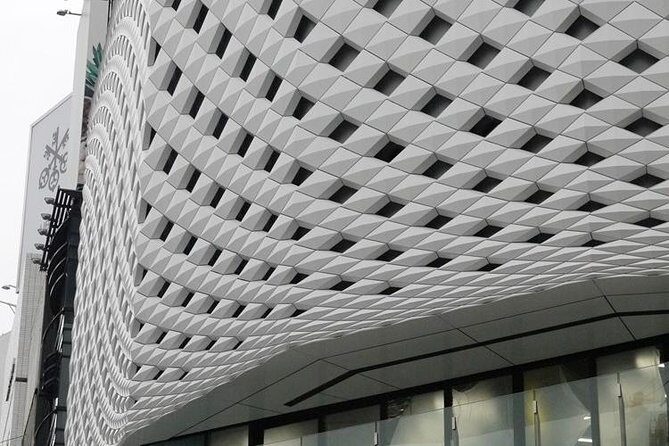
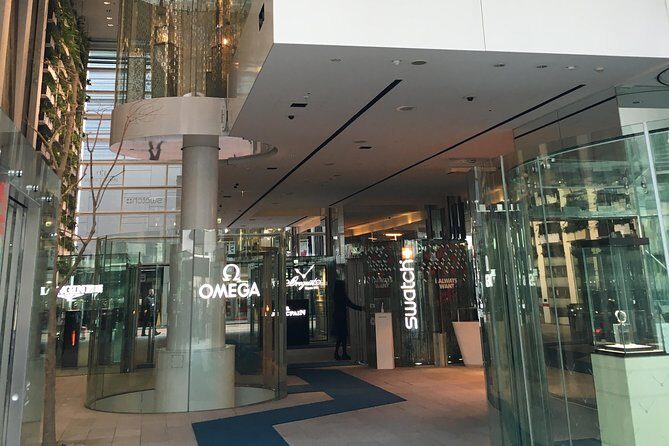
After culture, you shift into a modern design mood at the Nicolas G. Hayek Center, where you’ll go inside. This is where Ginza’s designer approach becomes obvious—clean lines, intentional form, and a sense of “design as brand identity.”
If you’re the type who likes to compare old and new without needing a long museum detour, this stop is one of the clearest transitions in the tour. You’ll start to notice how modern architecture communicates status and identity differently than traditional cultural spaces.
Toyoiwa Inari Shrine (about 5 minutes)
At Toyoiwa Inari Shrine, the stop is short, but it’s positioned well. Shrines in Tokyo are often compact and easily overlooked, so even a brief visit can change how you read the surrounding streets.
Think of it as a reset. A shrine stop reminds you that “architecture” here isn’t only corporate—there are smaller, more spiritual built forms shaping everyday city life.
Ginza Maison Hermes Le Forum (inside, about 15 minutes)
Then it’s into high-fashion architecture at Ginza Maison Hermes Le Forum, with an inside visit included. This is where the tour’s theme becomes very literal: big-name brands using major design to shape how people feel in a space.
You’ll likely spend time looking at features you normally rush past when shopping. A guide helps you understand what those design choices are doing—drawing you in, controlling flow, and turning a storefront into an environment.
Mikimoto Boutique Ginza 2-chome (about 5 minutes, inside if time)
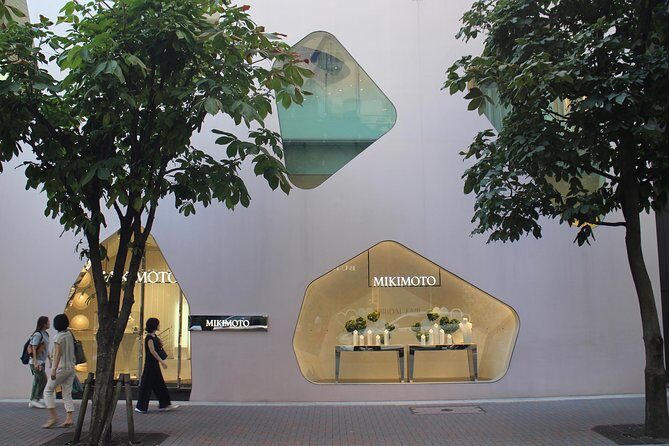
You’ll get a quick Mikimoto stop at Ginza 2-chome, and the inside visit is included if there’s time. Mikimoto is a strong symbol of how Japanese design traditions can become polished luxury identity.
Even if you’re short on time that day, the point here is to show you how consistent branding can still produce distinct architectural experiences across multiple locations.
UNIQLO Tokyo (view from outside, about 10 minutes)
Not every stop is luxury-only. At UNIQLO Tokyo, you’ll view from the outside. That balance matters because Ginza isn’t only for designer budgets.
This outside view gives you a different comparison point: how large-scale retail architecture fits into the same district as luxury flagships. You get to see how “everyday” design language can live next to premium design language without looking out of place.
Mikimoto Ginza 4-chome Honten (view from outside, about 5 minutes)
Another Mikimoto location appears again, this time from outside at Ginza 4-chome Honten. Repeating a brand theme is helpful for architecture learners—it lets you compare how similar identity shows up in different buildings and streetscapes.
Even a short stop works here because your guide can point out what changed: positioning, street interaction, and how the building presents itself to pedestrians.
Wako Ginza (view from outside, about 10 minutes)
At Wako Ginza, you’ll view from outside for about 10 minutes. Wako’s presence in Ginza makes it a natural reference point for learning how landmarks pull attention and shape pedestrian routes.
This is a good segment for photography if you like street-level compositions. The guide will help you look up and around, not just forward.
Okuno Building (inside, about 10 minutes)
The tour finishes with an inside visit at the Okuno Building. Ending with an interior stop gives you that last “aha” moment—architecture isn’t only the facade. How a building feels inside can change your whole reading of it.
When you wrap up, you should feel like you’ve learned something specific about Ginza’s design logic, not only collected names of buildings.
What you’re really learning: how to read a city block
The stops are important, but the real value is the way the guide frames them. The tour is designed to be customizable, so you can focus on architectural form, cultural meaning, or historical context depending on your level.
From past guide styles that come up often—names like Yoko, Yuki, Yoshi, Mari, Makoto, Eriko, Haruka, and Taka—there’s a clear pattern: guides tend to explain in plain English and answer questions clearly. I like this because Tokyo architecture can be full of details, but you don’t need an advanced degree to enjoy it.
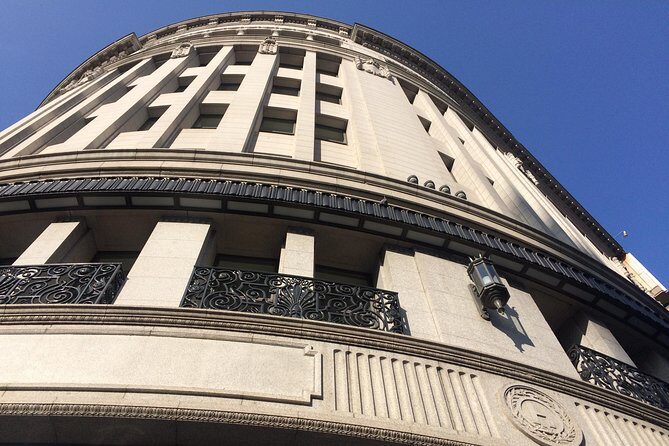
A small but practical tip: use the walk to train your eyes. When you keep looking upward and at building edges instead of just storefronts, Ginza turns from a shopping street into a design lesson you can carry home.
Value for your money: why $132.10 can make sense
At $132.10 per person, this isn’t the cheapest Tokyo stroll. But the price starts to feel reasonable when you factor in what you get: a licensed guide, a private group limited to up to 5 people, English commentary, and several indoor visits plus a drinks pause.
Also, the “free admission” pattern across multiple stops reduces the hidden cost problem that some tours create. You’re not constantly paying entry fees to keep the experience moving.
One more value angle: booking timing. The tour is often booked about 44 days in advance on average, so if you want a specific departure time, you’ll have an easier time if you plan ahead.
Who should book this Ginza architecture tour
This tour is a great match if you want more than pretty photos. If you like understanding how cities work—how culture buildings coexist with brand architecture—this is your kind of walk.
It’s also ideal if you’ve been to Tokyo before and feel like you mostly got the basics. A guided approach helps you find perspective fast, especially in an area like Ginza where it’s easy to stay in shopping mode.
If you’re short on time or you hate walking, you might find the pace challenging. The tour expects moderate physical fitness, and you’ll cover multiple stops over roughly 3.5 hours.
Should you book this Ginza architecture walking tour?
Yes, if you want a private, English-language architecture-focused walk that mixes interiors, cultural landmarks, and the design side of high-end retail. You’ll leave with a clearer sense of how Ginza’s buildings “talk” to the street and each other.
If your goal is only to shop, you could skip it and do Ginza on your own. But if you want real context while you walk, and you like asking questions without being rushed, this tour is a strong choice. Book ahead for the departure time you want, and wear shoes you can walk in comfortably for a full half-day block.
FAQ
How long is the Private Ginza Architecture Walking Tour?
It runs for about 3 hours 30 minutes.
What is the meeting point and where do I end?
You start near Tsukiji Station Exit 1 in Tsukiji (Chuo City). You finish at the Ginza 4-chome intersection in front of Mitsukoshi department store.
Is the tour private and how big is the group?
Yes. It is private, and the maximum is 5 people per booking (only your group participates).
What’s included in the tour price?
Included items are a local licensed tour guide and a cozy pause with drinks along the way.
Is hotel pickup and drop-off included?
No. Hotel pickup and drop-off are not included.
Is free cancellation available?
Yes. You can cancel for a full refund up to 24 hours before the experience’s start time.