REVIEW · MATSUMOTO
Matsumoto Discovery – Half Day Walking Tour
Book on Viator →Operated by Welcome Matsumoto · Bookable on Viator
Matsumoto hits different with a guide. This half-day walk pairs a serious sight—Matsumoto Castle—with easy, scenic downtime in the older shopping lanes, led by a National Government Licensed Guide Interpreter. I like that it’s a compact plan in about 3 hours, so you can still have energy for the rest of your day in Nagano.
I also love the way the tour mixes big-ticket history with street-level details, like the frog theme along Nawate Street and the black-and-white kura storehouse look on Nakamachi Street. One thing to consider: you’ll be walking on uneven pavement and the castle climb can feel steep, so wear shoes you trust.
In This Review
- Key things that make Matsumoto Discovery feel worth it
- Entering Matsumoto’s Real “Castle Town” in About 3 Hours
- Matsumoto Castle: The Old Donjon and Why the Interior Matters
- Nawate Shopping District: Frogs, Snacks, and Shrine Side-Quests
- Nakamachi Street: The Kura Storehouses and the Look of Old Matsumoto
- Optional Steering: Adding Azumino and Daio Wasabi Farm Scenery
- What the Licensed Guide Actually Brings to the Walk
- Practical Tips: Shoes, Weather, and Getting the Most Out of the Stops
- Price and Value: Is $64.73 a Fair Deal for a Half-Day?
- Who This Tour Suits Best (and Who Might Skip It)
- Should You Book Matsumoto Discovery on a Short Trip?
- FAQ
- How long is the Matsumoto Discovery half-day walking tour?
- What does the tour price include?
- Where do I meet the guide?
- Where does the tour end?
- Is the tour ticket digital?
- Is this tour limited to small groups?
- Can I customize what we see?
Key things that make Matsumoto Discovery feel worth it
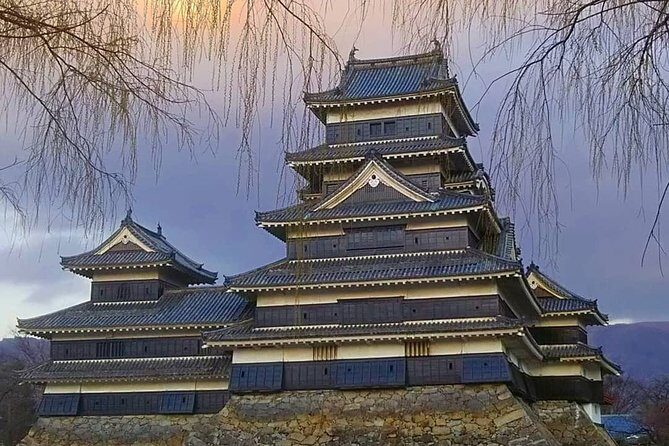
- Matsumoto Castle admission included for one of Japan’s most distinctive original-feeling castle towns
- Small group size (max 15) keeps the pace friendly and questions easy
- Licensed English-language interpreting guides who can explain both facts and daily life context
- Easy-to-follow old-town layout: castle, then shopping streets that naturally lead into each other
- Customizable add-ons if you want to steer toward things like Azumino and wasabi scenery
Entering Matsumoto’s Real “Castle Town” in About 3 Hours
This is the kind of tour that helps you understand Matsumoto fast, without turning your day into a long logistics puzzle. You start at Matsumoto Station, then you walk into the city’s old core where buildings, street shapes, and even little themes (yes, frogs) start making sense.
The pacing is built around one main anchor: Matsumoto Castle. Once you’re oriented, the shopping streets feel less like random wandering and more like a guided route through a living historical district. It’s also a smart half-day format if Matsumoto is a stop between bigger bases like Tokyo, Kyoto, or Nagoya.
The group cap of 15 also matters. On a small walk, you’re not just standing in line with a headset. You can ask follow-ups, and your guide can slow down when something catches your eye—temples, shrines, a street detail, or a story that makes the town feel like more than postcards.
And yes, it’s a walking tour. Plan on comfortable shoes. If your knees are picky, the castle steps and some uphill effort are worth thinking about before you go.
You can also read our reviews of more walking tours in Matsumoto

Matsumoto Castle: The Old Donjon and Why the Interior Matters
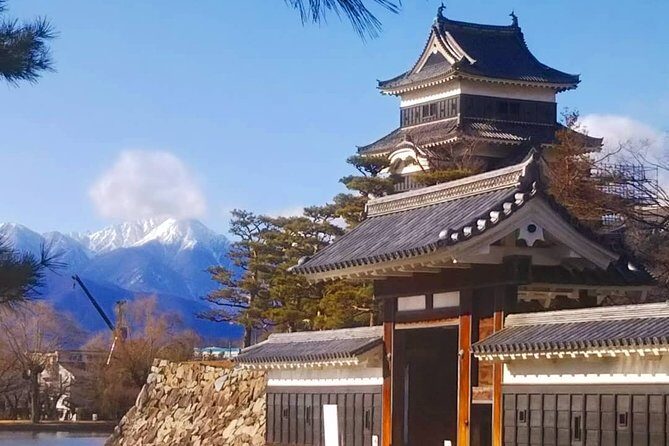
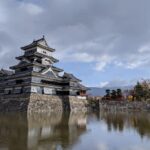
Your first real time block is at Matsumoto Castle, and it’s not a throwaway visit. The castle is known for being one of five designated National Treasure castles in Japan, and it’s also famous for having the oldest remaining castle donjon structure. Construction began in 1592, and that black-and-white look is the visual shorthand people associate with Matsumoto.
Here’s what makes this stop feel different when you have a guide: the castle isn’t just walls and views. A good guide helps you understand what you’re seeing—why the structure is shaped a certain way, what life around a castle town looked like, and how the castle’s role changed as Japan modernized. One nice angle from the guides: you may hear not only military or architectural facts, but also how locals and expats experience living in Japan today. That kind of context makes the history feel grounded.
You also get entry included, which is a value point. Even if you were only going to see the castle, the admission portion is already part of your tour fee.
Practical note: the climb can be steep. People have mentioned the stairs and the need to be reasonably fit, and you’ll feel it once you’re moving through the castle grounds. Bring water if you tend to run warm, and don’t treat the visit as a quick photo stop.
If the castle is your top priority, this is the tour style that matches it well: you spend real time here, not a token glance.
Nawate Shopping District: Frogs, Snacks, and Shrine Side-Quests
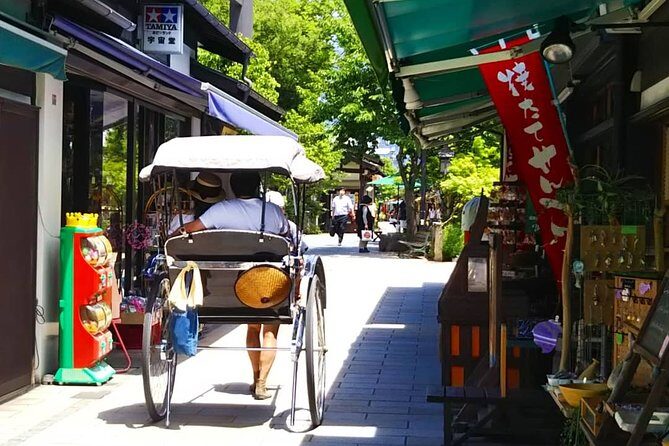
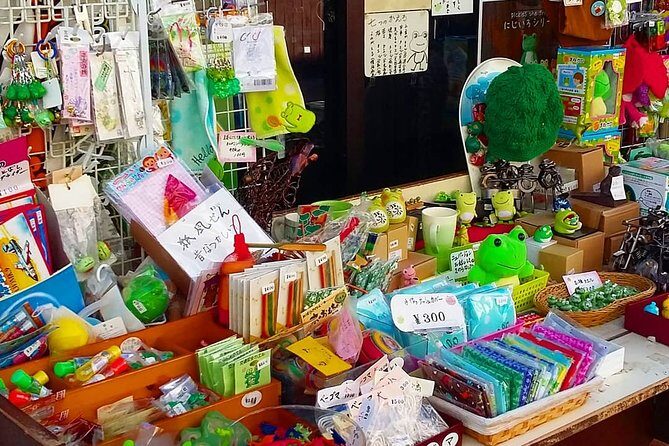
After the castle, you shift into a more relaxed zone: the Nawate Shopping District. This street is known for a subtle, recurring frog theme. It’s the kind of playful detail that makes you smile, but it also works as an orientation tool. When you see a consistent theme repeating along a lane, you start noticing how local commerce and tourism blend into everyday street life.
Nawate Street is also where you’ll find snack shops and small souvenir stops—easy, low-pressure breaks that don’t derail the tour. And tucked into this area is Yohashira Shrine, which means you get a mix of commercial and sacred space in a short walk.
Even if you’re not shopping heavily, this stop is useful because it helps you understand how Matsumoto feeds visitors without feeling like a theme park. It’s just a working-feeling shopping lane where history and daily life overlap.
Time-wise, you’re not stuck there all afternoon. Think of it as a stroll break: enough to take in the street rhythm, pick up a snack if you want, and keep moving with context.
Nakamachi Street: The Kura Storehouses and the Look of Old Matsumoto

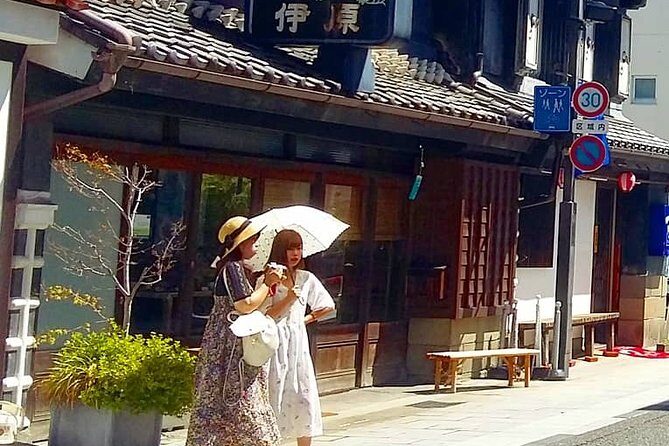
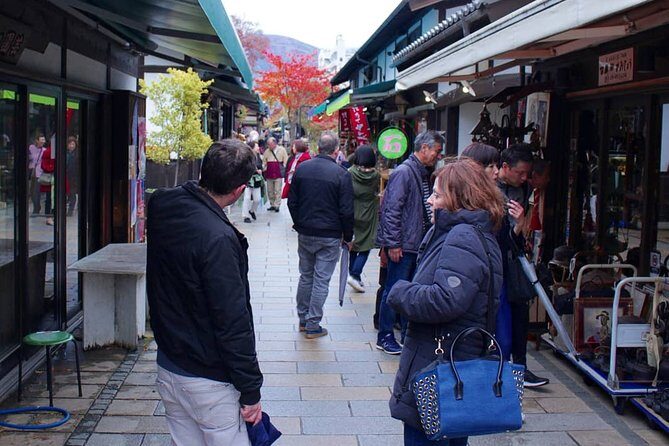
Next is Nakamachi Street, known for its traditional storehouses called kura. The standout feature is their black-and-white, criss-cross patterned walls. It’s one of those visual cues that makes you instantly grasp why Matsumoto became a “castle town” in the first place—because storage, trade, and wealth concentrated around the old core.
This stop works well after Nawate because the experience shifts from a modern street mood (snacks, souvenirs, quick browsing) to a more architecture-led feel. You’re walking through a style of streetscape that’s much more about buildings than about products.
A guide can make this section click by pointing out what to notice. For example: how the kura look relates to the town’s economic function, or how modern Matsumoto grew around older road connections. I like sections like this because you start seeing the city as layers, not one frozen snapshot.
Like the previous stop, you’re given a focused amount of time. You get enough to appreciate the street, but not so much that you forget what you came for in the first place.
Optional Steering: Adding Azumino and Daio Wasabi Farm Scenery
Matsumoto is close to other Nagano-region sights, and this tour is designed so your route can be adjusted. The highlights mention Daio Wasabi Farm in nearby Azumino City, which is the kind of add-on that turns a “castle and shops” day into a more outdoor-countryside combo.
Because customization is explicitly part of the tour offering, you can ask for the direction that fits your travel style—more city heritage, more food and culture, or scenery outside Matsumoto. If you’re passing through and want a break from big-city pacing, adding a short regional element like wasabi scenery can feel like a clever bonus.
One careful note: the detailed schedule you follow may not include every optional stop automatically. The safest approach is to treat this as a menu, not a guarantee. If wasabi is important to you, mention it early when you connect with the operator or when you confirm your itinerary preferences.

What the Licensed Guide Actually Brings to the Walk
The big difference here isn’t just that someone speaks English. This is a tour with guides who hold National Government Licensed Guide Interpreter credentials, which usually means you get smoother language flow and more confidence explaining details rather than just reading basic captions.
In the feedback you can see how much personality and method matter: guides named Tom have been praised for being a mine of stories; Elodie was noted as friendly and energetic; Sayuko was described as detailed and personal; Shin and Naomi were highlighted for strong knowledge and a fun tempo; and Kevin and Sylvain stood out for answering questions and connecting street corners to larger themes. Even Matt came up as a strong history explainer.
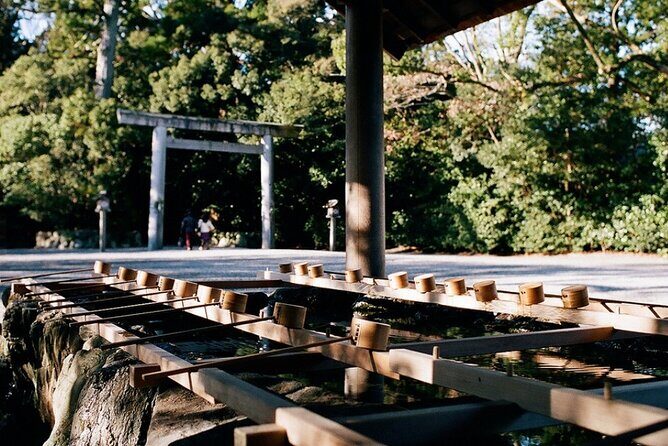
What that means for you on the ground: the guide can help you notice things you’d otherwise walk past. People have referenced details like temari balls, shrines, temples, shopping-street context, and spring-water wells. None of that is random. It’s the type of city texture that turns a photo walk into a place you actually understand.
It also helps with pacing and choice. One guide response in the real world was adjusting plans so someone could eat soba locally without losing the tour flow. That kind of flexibility is hard to get on rigid group bus tours.
Practical Tips: Shoes, Weather, and Getting the Most Out of the Stops

This tour is simple on paper, but it pays to plan for how Matsumoto feels in motion.
Wear good walking shoes. Castle grounds can include uneven surfaces, and you’ll climb. If you’re the type who likes to stroll slowly and stop for photos, your feet may feel it after the castle.
Go for a snack break on Nawate, not a meal. The street is built for snacks and quick purchases. If you try to turn it into a full lunch stop, you might lose time and momentum.
Bring curiosity, not a checklist. The best moments often come from small explanations: why this street is themed, what kura walls signaled back then, how a historic road pattern meets a modern intersection. When a guide points things out like that, the city starts giving you answers in real time.
Weather matters. The experience requires good weather, and you’ll be offered a different date or a full refund if it gets canceled due to poor conditions. So check forecasts the day before and dress in layers. Matsumoto can be cool, and walking without planning for temperature is how you end a great morning feeling grumpy.
Price and Value: Is $64.73 a Fair Deal for a Half-Day?
At $64.73 per person, you’re paying for three things at once: the guide, the walking time, and Matsumoto Castle entry.
If you were to visit the castle on your own, you’d still need transportation to the historic area, time to figure out the best path through the grounds, and the effort of interpreting what you’re looking at. This tour compresses all of that into about 3 hours with a small group and an English-speaking licensed guide.
The shopping-street segments (Nawate and Nakamachi) don’t have paid admissions. That’s important: you’re getting built-in sightseeing value without extra tickets piled on.
So the real question is fit. If you love castles and want clear context rather than self-guided guessing, the price makes sense. If you’re the type who hates walking and prefers to spend hours at one site, this may feel short. But for many people using Matsumoto as a stopover—or trying to see the core without a full day commitment—this is good value.
Who This Tour Suits Best (and Who Might Skip It)
This is a strong match for:
- First-time visitors who want a fast orientation to Matsumoto
- People who value explanation, not just photos
- Solo travelers who want company and an easy structure
- Anyone who wants a small group pace and time to ask questions
You might consider another option if:
- You’re planning to spend most of your day elsewhere and need a very flexible time window
- You have mobility limits that make castle stairs hard
- You dislike guided tours and prefer total freedom
One nice bonus: because the tour can be customized, you can steer it toward your interests, whether that’s staying focused on the castle and downtown streets or adding regional scenery like the Daio Wasabi Farm option.
Should You Book Matsumoto Discovery on a Short Trip?
I’d book it if Matsumoto Castle is high on your list and you want the rest of your morning to feel guided, not scattered. The castle stop is the centerpiece, the shopping streets help you connect the city’s layers, and the licensed English interpreting guide adds real meaning to what you’re seeing.
If you’re unsure, ask yourself this: do you want to understand Matsumoto while you walk? If yes, this tour fits. If you’d rather just wander without structure, you could do Matsumoto on your own—but you’d lose the “why this matters” layer that guides like Tom, Elodie, Sayuko, Shin, Naomi, Kevin, and Sylvain bring to the day.
My call: Yes, book it for a smart half-day intro to Matsumoto, especially if you’re aiming for a clear, high-impact route without burning the whole day.
FAQ
How long is the Matsumoto Discovery half-day walking tour?
It runs for about 3 hours.
What does the tour price include?
The tour includes an English-speaking guide and entry/admission to Matsumoto Castle.
Where do I meet the guide?
The meeting point is at Matsumoto Station, 1 Chome-1 Fukashi, Matsumoto, Nagano 390-0815, Japan.
Where does the tour end?
It ends at Matsumoto Station area in downtown Matsumoto, at another location you choose.
Is the tour ticket digital?
Yes, it uses a mobile ticket.
Is this tour limited to small groups?
Yes. The tour has a maximum of 15 travelers.
Can I customize what we see?
Yes. The tour can be customized to your specifications, with examples including options like the Daio Wasabi Farm in nearby Azumino City.