REVIEW · MATSUMOTO
Matsumoto Castle Tour & Samurai Experience
Book on GetYourGuide →Operated by Matsumoto Experience · Bookable on GetYourGuide
Samurai training feels real in Matsumoto’s oldest castle. You’ll start with a guided walk through Matsumoto Castle and its feudal-era details, then switch gears to a hands-on katana lesson with an English-speaking guide. It’s a tight, focused day that fits well into a Japan itinerary without turning into an all-day marathon.
What I like most is the pairing: you get the story first, then your body learns the basics right after. Second, the experience is run with a fun, patient tone—people aren’t just watching history from behind glass. One watch-out: the castle climb is steep and narrow, and the overall experience isn’t set up for wheelchairs or mobility limits.
In This Review
- Key Points Before You Go
- Matsumoto Castle: A Feudal Castle You Can Walk Through
- The Castle Tour That Makes Samurai Culture Make Sense
- Steep Stairs and Narrow Spaces: Plan Around the Realities
- Samurai Experience: Dress Up, Choose a Sword, Learn Stances
- Why This Katana Lesson Feels Better After the Castle
- Timing in the Real World: 2 Hours Castle, 1 Hour Training
- Price and Value: Is $88 Worth It?
- Who Should Book This, and Who Might Skip It
- Getting There and Practical Tips for a Smooth Start
- Should You Book the Matsumoto Castle Tour and Samurai Experience?
- FAQ
- How long is the Matsumoto Castle Tour & Samurai Experience?
- Where do I meet the tour?
- What is included in the price?
- Do I need to bring my own sword or outfit?
- Is the tour available in English?
- Is it suitable for wheelchair users or mobility impairments?
- Are there steep stairs during the castle portion?
- Can I cancel for a full refund?
- Is there a way to reserve first and pay later?
Key Points Before You Go
- National Treasure setting: Matsumoto Castle’s original tower is among the oldest still standing in Japan
- Castle tour that explains how the city worked: samurai lords, classes, residential areas, and defense strategies
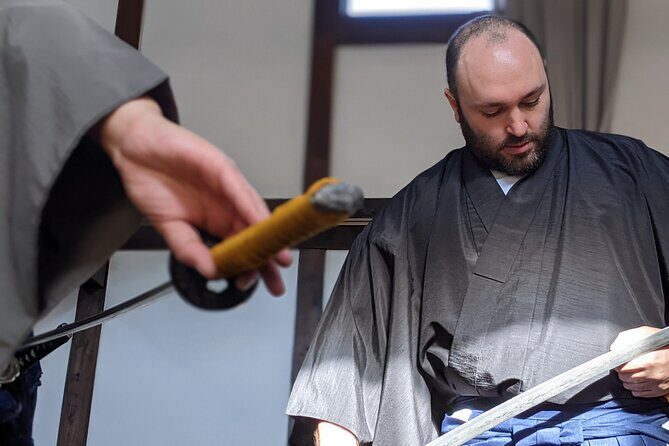
- Dress up then train: you select a sword and practice basic attacking and defensive stances
- English support throughout: an English-speaking guide and instruction tied to clear step-by-step directions
- Photos are part of the moment: instructors help capture your training and outfit experience
- Good use of a 3-hour block: 2 hours castle, 1 hour samurai, with timing that can shift on busy days
Matsumoto Castle: A Feudal Castle You Can Walk Through

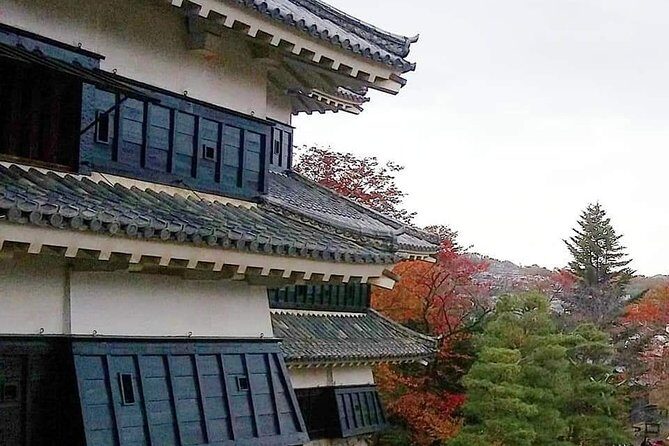
Matsumoto Castle isn’t just another pretty stop. This one carries serious pedigree: it’s designated a National Treasure, and the main construction dates to 1593–1594. That matters because you’re walking through a site that’s still tied to the period when samurai power wasn’t theory—it was daily life, local politics, and security.
The tower is the star for structure lovers. Matsumoto has one of the oldest original five-tier, six-story keep towers that still exists in Japan. You’ll feel it as you move through the castle grounds and toward the climbing areas: the building layout and defensive design weren’t made to be comfortable. They were made to work.
You can also read our reviews of more tours and experiences in Matsumoto.



The Castle Tour That Makes Samurai Culture Make Sense
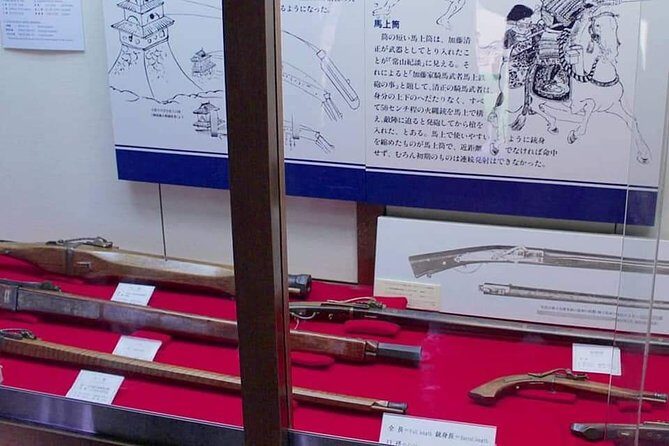
A guided visit turns the castle from scenery into a working system. You’ll get a tour focused on the Matsumoto samurai lords and how the city formed around them. Instead of vague explanations, you’ll learn how different classes lived and what the residential areas were like—details that help you visualize who was where and why.
One of my favorite parts of this style of tour is the emphasis on defense. The castle isn’t only about walls being tall; it’s about strategies. You’ll learn some of the defensive thinking behind the layout and what the fortifications were designed to protect. That helps the later sword lesson land better, because you understand the context: training wasn’t for movie-style drama—it connected to real threats and real roles.
If you want examples of the kind of storytelling you may hear, guides named Naomi, Shin, Matt, Tim, and Sayuko show up in real-world experiences tied to this format. In plain terms, the common thread is clear explanations and a guide who can answer questions without turning it into a lecture.
Steep Stairs and Narrow Spaces: Plan Around the Realities

Here’s the practical truth: the stairs to reach the top are steep and narrow. This is the main physical consideration of the whole experience. If you don’t love tight stairways, go slow, take breaks, and keep your footing deliberate.
Also note the experience isn’t suitable for mobility impairments or wheelchair users. Even if you’re fine with walking, the castle’s structure is built for an older world—straight lines, stone surfaces, and limited space for movement.
One smart tip that came up from family feedback: winter can make the castle feel cold in certain interior areas, and some people ended up without shoes in parts of the visit. If you’re traveling with kids—or anyone who hates cold floors—bring a backup layer like warm socks so you’re not stuck adapting.
Samurai Experience: Dress Up, Choose a Sword, Learn Stances
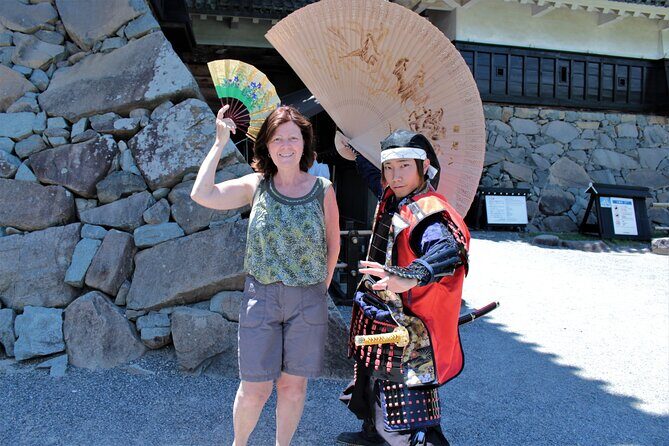
After the castle tour, the day shifts from stone and strategy to motion and control. The samurai experience starts with you dressing in a samurai outfit and then selecting your sword. That part sounds simple, but it sets the tone: you’re not just holding something; you’re stepping into the rhythm of training.
Then comes instruction. A master or sword instructor teaches basic attacking and defensive stances and how to use your sword. The goal isn’t to turn you into a fighter by the end of an hour. It’s to teach you the fundamentals in a way that’s safe, understandable, and—importantly—still fun.
You’ll also see how teaching style matters. Many instructors are praised for patience, especially when English gets tricky. Names you might encounter include Kei, Kae, Kei-san, and Sensai Kai. Across these experiences, the consistent theme is supportive coaching: step-by-step guidance, correction when your stance is off, and encouragement when you feel a bit clumsy at first.
Why This Katana Lesson Feels Better After the Castle
The best thing about this combo is timing. You walk through a feudal fortress, then you practice basic sword movement right afterward. That sequence connects ideas that usually stay separate in a trip: history becomes physical.
You also get a sense of what samurai training actually emphasized. It wasn’t just swinging; it was posture, balance, and readiness. Even if you only learn a few basic techniques, you’ll leave with a better mental map of why certain stances mattered, and why discipline showed up in body language.
There’s also a social side. People often look stiff at the start, then relax once the instructor shows how to move safely and humor helps break the pressure. Several experiences mention that the instructors act like friendly photographers too, making it easy to get pictures and video of the moment without you having to manage everything yourself.



Timing in the Real World: 2 Hours Castle, 1 Hour Training
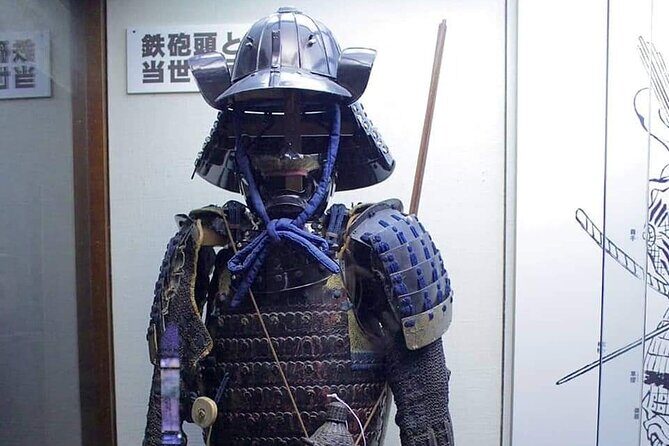
The total duration is about 3 hours, split into 2 hours at Matsumoto Castle and 1 hour for the samurai experience. That structure is great for pacing because you’re not rushing through the castle and then expecting to learn sword basics at full speed.
One detail to plan around: the timing can end earlier or later depending on how busy Matsumoto Castle is, especially on weekends and holidays. The lesson itself is short, so you’ll want to arrive on time and bring an easy-to-follow attitude. If you’re running tight, this is still manageable, but it helps to keep the rest of your day flexible.
Price and Value: Is $88 Worth It?
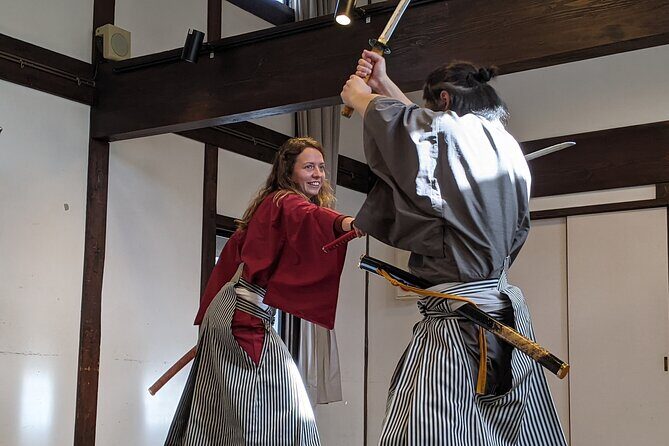
At $88 per person for a 3-hour experience, you’re paying for a combination that’s hard to DIY: admission to the castle plus a guided castle walkthrough plus the samurai sword-training session, with English-speaking guide support and rental of the samurai outfit and sword for the workshop.
Here’s how I think about value for this specific tour:
- You’re not just paying to enter Matsumoto Castle. You’re paying for someone to explain what you’re seeing and connect it to samurai life and defense.
- You’re not just paying for a sword photo. You get guided practice with basic stances and technique instruction.
- You avoid the friction of figuring out outfit/sword rental and how the training is paced.
If you’re the type who likes structured experiences but still wants authentic, on-site learning, this price feels reasonable. If you already know you’ll only want a quick look at the castle and zero interest in the sword element, then you might feel it’s pricier than it needs to be. But if katana basics sound fun and the castle is on your list anyway, this is one of the cleaner value pairings in the Matsumoto area.
Who Should Book This, and Who Might Skip It
This is a strong match if:
- You want a short, high-impact cultural experience in Matsumoto
- You like when a guided explanation feeds directly into a hands-on activity
- You enjoy history but also want movement and photos as part of the day
It’s a weaker match if:
- You need wheelchair access or have serious mobility limits due to steep, narrow stairs
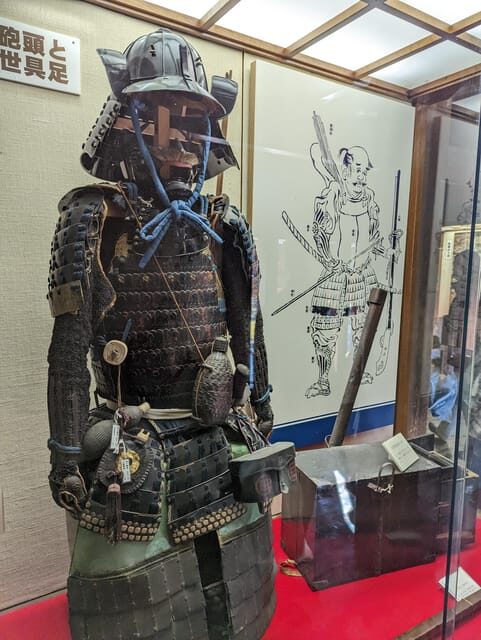
- You’re expecting museum-style exhibits. Matsumoto Castle is a real, working fortress environment, and the experience is more about walking, structure, and guided interpretation than curated gallery browsing
Families can enjoy it too, though you’ll want to dress for comfort and consider warm layers if you’re visiting in colder months. The experience is built around participation, so kids who like to try new things typically do well.
Getting There and Practical Tips for a Smooth Start
Your meeting point is at Matsumoto Station, at the front of the JR Line ticket office / Starbucks inside the station on 2F. Since the castle and workshop happen close to each other, arriving a bit early helps you settle in and start without stress.
A few practical tips I’d follow:
- Wear comfortable shoes with good grip for steep steps and stone surfaces
- Bring a light layer. Castle interiors can feel cooler than you expect
- If you hate tight stairs, plan your pace and take breaks instead of pushing through
- Have your camera ready for the outfit and practice moments, and be ready to follow the instructor’s safety cues
Should You Book the Matsumoto Castle Tour and Samurai Experience?
If you’re in Matsumoto and want one memorable half-day that blends feudal context with hands-on practice, I’d book it. The best version of the day is when you’re curious about how castles worked and you’re willing to try basic sword stances even if you feel awkward at first.
The main decision point is physical comfort with steep, narrow climbing. If you’re okay with that, this tour offers a high value mix: castle architecture and samurai culture in the morning, then a guided katana workshop that turns history into something you can actually feel in your posture and balance.
FAQ
How long is the Matsumoto Castle Tour & Samurai Experience?
The total duration is about 3 hours, with an estimated 2 hours at Matsumoto Castle and 1 hour for the samurai sword experience.
Where do I meet the tour?
Meet at Matsumoto Station, at the front of the JR Line ticket office / Starbucks inside the station on 2F.
What is included in the price?
Included are an English-speaking guide, entry/admission to Matsumoto Castle, entry/admission to the samurai experience activity, and samurai outfits and swords rental during the activity.
Do I need to bring my own sword or outfit?
No. You’ll rent the samurai outfit and sword for the activity.
Is the tour available in English?
Yes. The tour includes an English-speaking guide, and the samurai instruction is delivered as part of the experience.
Is it suitable for wheelchair users or mobility impairments?
No. The experience is not suitable for people with mobility impairments or wheelchair users.
Are there steep stairs during the castle portion?
Yes. The stairs to reach the top of Matsumoto Castle’s tower are steep and narrow.
Can I cancel for a full refund?
Yes. Free cancellation is available up to 24 hours in advance for a full refund.
Is there a way to reserve first and pay later?
Yes. The option is Reserve now & pay later, so you can book your spot without paying immediately.