REVIEW · MATSUMOTO
Matsumoto Castle Tour & Samurai Experience
Book on Viator →Operated by Welcome Matsumoto · Bookable on Viator
Black-and-white castle meets sword practice.
I love the views and history you get as you climb Matsumoto Castle’s interior, and I also love the hands-on samurai sword kata where you dress up and learn real movements you can actually remember. One thing to plan for: the stairs to the top tower are steep and narrow, so bring a careful attitude (and probably comfy footwear).
This is a tight, 3-hour mix that moves at a sane pace. You start at Matsumoto Station, step inside a National Treasure castle for about an hour and a half, then head to the samurai training space for the rest of the experience. Your tickets are handled with a mobile ticket, and the group stays small, capped at 15 travelers.
If you want a Japan moment that feels more like participation than sightseeing, this hits the mark. It’s especially fun for families and for teens who get bored by long lectures—because you get history, then you get to do something physical right after.
In This Review
- Key things to know before you go
- Matsumoto Castle: Crow Castle is built for drama
- The climb: steep stairs and practical footwear tips
- The samurai session at Nakamachi Kurassic-kan: you’ll do the moves
- Do you practice with real katanas? Safety-first sword rules
- Picking your sword and outfit: why that detail matters
- Price and value at about $88.53: what you’re really paying for
- Your guide and instructor teamwork: why the pace feels right
- Who this tour is best for (and who should think twice)
- Timing it in your Matsumoto day: make the castle climb worth it
- Should you book the Matsumoto Castle Tour and Samurai Experience?
Key things to know before you go
- Matsumoto Castle is a National Treasure with a distinctive black-and-white look sometimes called Crow Castle
- The climb is real: steep, narrow stairs and old-building features like low beams
- You pick your outfit and sword for the samurai session
- Sword work is kata and technique (no cutting objects)
- Swords are theatrical for safety and to follow Japan’s strict rules around real weapons
- Small group energy with an English-speaking guide, maximum 15 people
Matsumoto Castle: Crow Castle is built for drama
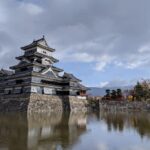
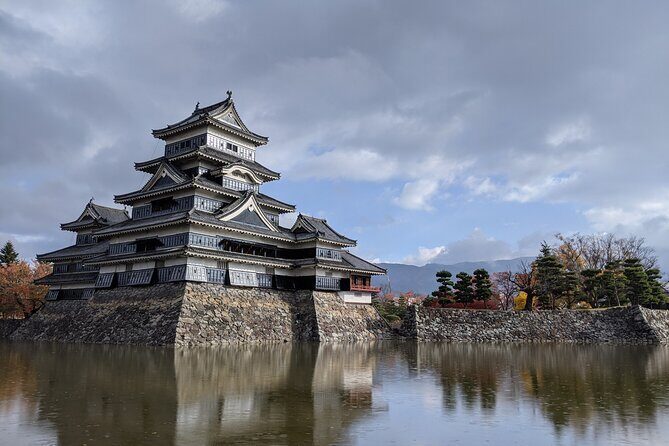
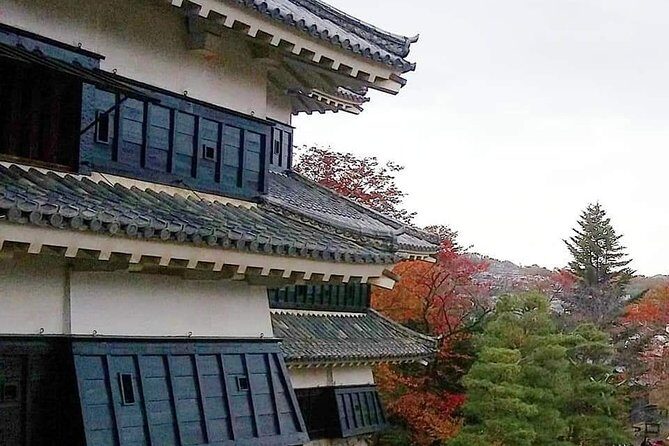
Matsumoto Castle is one of Japan’s most beloved feudal strongholds, and it shows the moment you see that black-and-white exterior. The construction began in 1592, and the castle is famous for its three turrets and its dramatic look—hence the nickname Crow Castle, tied to the dark walls. It’s also recognized as one of Japan’s National Treasures, and it’s the oldest castle donjon still standing in Japan.
Inside, what you’re looking at isn’t just old stone. You’re seeing how the castle was designed to protect people during a siege—shape, layout, and defensive choices are part of the story you’ll hear from your guide. If you’ve ever wondered why castles in Japan feel more like layered puzzles than single buildings, this is the kind of place where it starts to make sense quickly.
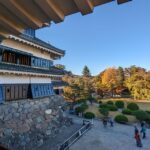
The best part for me is the feeling that you’re walking through lived space, not a museum hallway. The building is old, the angles are tight, and the walk up to the top gives you that physical sense of elevation that photos can’t fully capture.
You can also read our reviews of more tours and experiences in Matsumoto.
The climb: steep stairs and practical footwear tips
Here’s the big, very real consideration: the stairs to reach the top of Matsumoto Castle are steep and narrow. That matters because you’re not just going up a few steps—you’re climbing through multiple levels, and the route can feel like a stair ladder compared with modern buildings.
Plan for your body. Bring shoes with grip, and go slow near corners. One helpful detail from past guests: guides sometimes bring slippers to make walking inside more comfortable, and in colder months the castle floors can feel slippery—so it’s smart to have an extra pair of socks packed.
Also watch for low beams while you move through older sections. It’s not dangerous if you’re careful, but it’s the kind of thing that catches you off guard if you’re walking while staring at details. Keep your eyes up, move deliberately, and you’ll enjoy the climb instead of rushing through it.
The samurai session at Nakamachi Kurassic-kan: you’ll do the moves
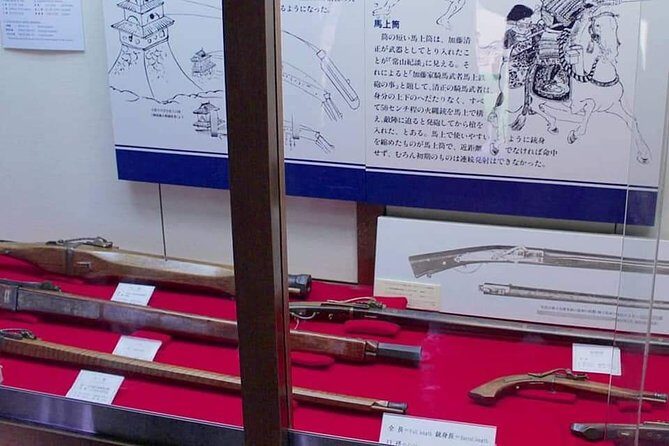
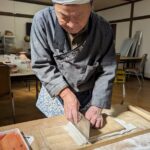
After the castle, you switch gears to the samurai experience activity at Nakamachi Kurassic-kan. This part lasts about an hour and is designed to get you involved quickly—less waiting, more doing.
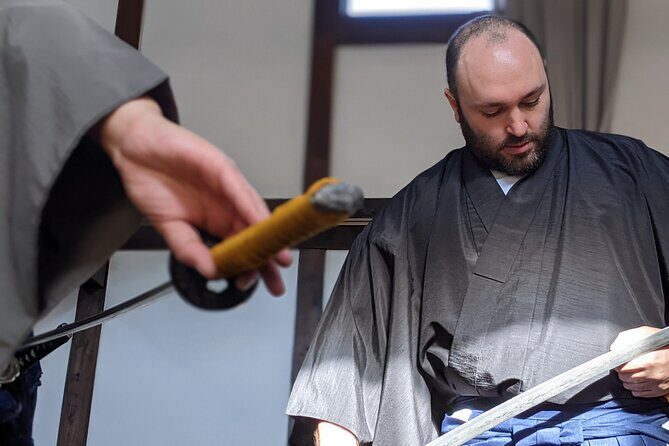
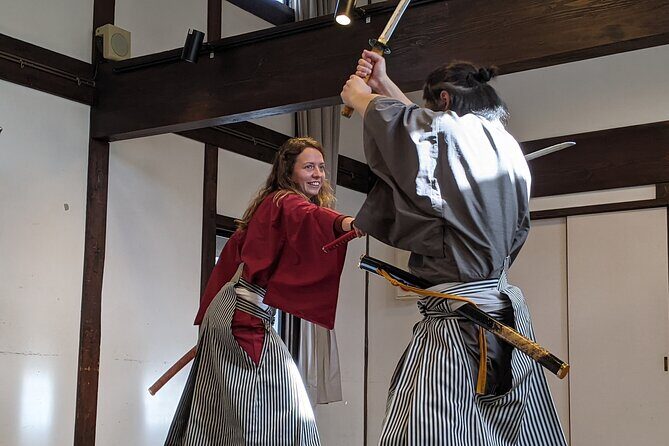
You start with basic sword handling (katana) and fundamental samurai movement, including kamae, which is essentially a ready stance. The goal isn’t to turn you into an expert in an hour. It’s to give you safe, repeatable technique and a sense of rhythm—how your hands, feet, and posture work together.
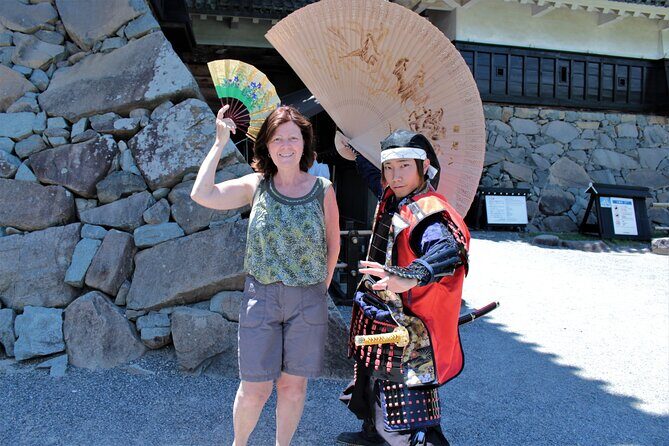
A big reason people love this section: you don’t just watch. You get to choose a sword to use and wear a samurai outfit. That costume moment changes the vibe. Suddenly you’re not just learning history—you’re reenacting part of the discipline and presence that samurai culture is known for.
Instructors often keep it playful but structured. Names you might see in the instructor lineup include Kei, Miha, and Miharu Sensei, and guides like Tim, Collin, Tom, and Naomi have been praised for keeping things lively while still explaining what you’re doing.
Do you practice with real katanas? Safety-first sword rules
This is the part you should understand before you go, because expectations matter.
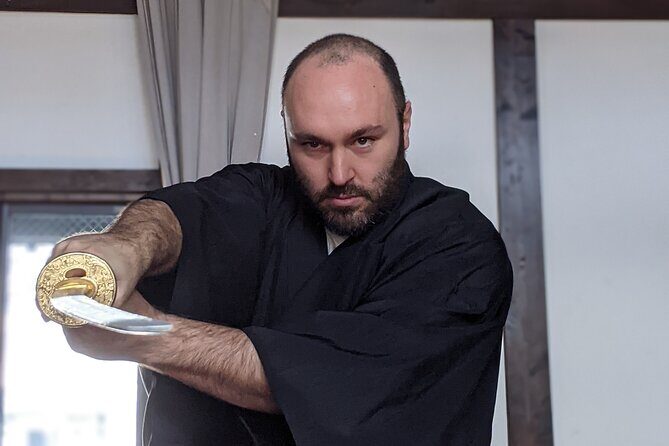
Japan has strict licensing rules around real swords, so authentic katanas are not what you’ll be using in this experience. Instead, you use theatrical training swords that are widely used for performance and instruction.
What that means in plain terms: you’re learning technique with a prop-style sword, not handling a lethal weapon. Several past participants were happy with this once they realized the format was designed to be safe and accessible for families.
And just to remove any confusion: this experience is built around kata and proper technique, not cutting. There’s no slicing or cutting of objects during the session. You’ll get movements, demonstrations, and hands-on practice, but you won’t be expected to test a blade on anything.
Picking your sword and outfit: why that detail matters
You might think this is just a fun add-on. For this particular experience, it’s more than that.
When you choose a sword and wear the outfit, you change posture and movement in a natural way. Clothing and stance affect how your body holds itself, and instructors can use that to teach you the basic mechanics of sword-handling and movement. It’s easier to remember when you’re physically in the moment.
It also makes the experience feel fair for mixed ages. Kids can get a fun transformation without the session becoming too childish, and adults get to participate without feeling like they’re acting in a skit.
If you’re traveling with a group, it helps too. Everyone gets their turn being a samurai, and that keeps the energy up even if people in your group are not super interested in sword history.

Price and value at about $88.53: what you’re really paying for
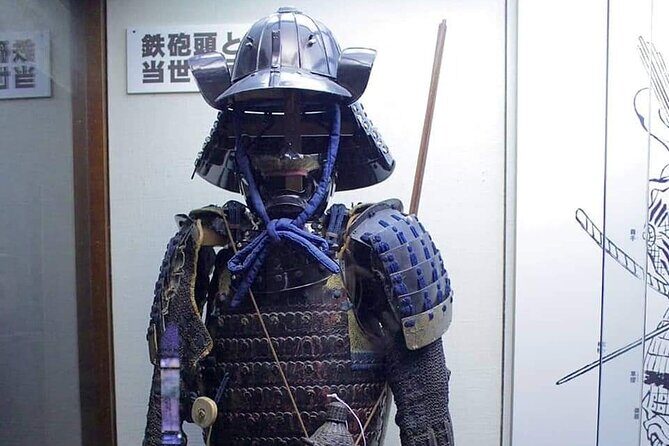
At roughly $88.53 per person, you’re paying for two things that cost real money separately: entry to Matsumoto Castle and the samurai experience activity, plus an English-speaking guide and the rental of outfit and training sword.
So the value isn’t just in the castle ticket. It’s the combination—castle history plus a hands-on session. Many travelers can see a castle on their own. Fewer can pair it with a structured, safe sword kata lesson that still feels authentic and memorable.
Also, consider the group size and timing. A cap of 15 travelers means you’re less likely to get lost in a crowd, and the total duration of about 3 hours is long enough to feel substantial but not so long that you’ll burn the whole day.
The one caution on value is this: if you’re expecting to cut anything or handle a sharp real katana, you’ll feel shortchanged. The format is clearly built for technique and safety, including families, so it’s a better fit if you want guided learning rather than weapon testing.
Your guide and instructor teamwork: why the pace feels right
A strong guide can make old stone feel readable. Past guests have praised guides such as Tim, Collin, Kei, Tom, and Naomi for balancing castle history with practical pacing. You’ll get explanations of the castle’s structure, defensive strategies, and the stories tied to Matsumoto and samurai life.
In the samurai part, instructors like Kei and Miharu Sensei have been highlighted for clear instruction and patience, especially with kids. That matters because the best sword lessons aren’t the ones that go fast—they’re the ones that correct your posture and help you feel confident doing the steps.
One small practical detail that pops up in positive comments: some guides are prepared with slippers so you can walk inside the castle more comfortably. That’s not the headline feature, but it’s the kind of thoughtful comfort that makes the tour work smoothly.
Who this tour is best for (and who should think twice)
This experience is a strong match if you want a mix of history and activity in one tidy outing. It works well for:
- Families with kids who need an engaging “hands-on” element
- Teens with samurai interest who might otherwise tune out
- Solo travelers who want structure and an easy way to meet people
It may be less ideal if you:
- Want a sword experience that includes cutting or using a sharp blade
- Have trouble with steep stairs and narrow staircases
- Prefer a fully self-paced castle visit without any guided structure
The good news: because the samurai session is designed around accessible kata, it’s friendly for a wide range of ages. Kids under 6 can participate for free, and they’ll have kid outfits and foam swords included.
Timing it in your Matsumoto day: make the castle climb worth it
You’ll start at Matsumoto Station and end back at the meeting point, so it fits neatly into a day without complex transfers. The tour is about 3 hours, with roughly 90 minutes at the castle and about 1 hour for the samurai activity.
For the castle climb, timing matters in practice. If you go on a chilly day, plan for cold inside the castle and consider bringing an extra layer. One reason people mention socks is that older stone floors can feel slippery, so you want grip and warmth.
Also keep your eyes open for seasonal add-ons. One past guest noted a bonus lighting show around 6pm at Matsumoto Castle. If you’re visiting during a period when illumination is running, you might be able to turn your tour into a two-part visit: climb by day, mood by night.
Should you book the Matsumoto Castle Tour and Samurai Experience?
I’d book it if you want the best kind of combo: real castle architecture and a safe, hands-on samurai practice you can actually do. The small group size, the structured timing, and the chance to wear a samurai outfit plus practice kata make it feel like you got your money’s worth.
Skip it if your main goal is cutting with a sharp weapon or using an authentic licensed katana. This is technique training with theatrical swords, with no slicing of objects. And if steep stairs are an issue for you, take that seriously before you commit.
If you do book, pack for the climb: grippy shoes and consider extra socks. Then show up ready to stand tall, follow directions, and enjoy a castle that’s as much about design and defense as it is about pretty views.