REVIEW · KYOTO
Kyoto: Ramen Bowl Painting and Michelin Cooking Class
Book on GetYourGuide →Operated by Musoshin Fit inc. · Bookable on GetYourGuide
Ramen and ceramics class in Kyoto. This hands-on stop at Musoshin Ramen Academy has you paint a custom ramen bowl (or spoon) and then dig into Michelin-nominated ramen made with in-house ingredients.
I like the combo because you get a real Kyoto souvenir you made yourself, not a flimsy take-home trinket. I also like the food side because the meal is tied to Musoshin’s serious ramen process, not just a basic cooking demo.
One thing to consider: this isn’t a full from-scratch ramen workshop. The broth and key components take time behind the scenes, so your time in class is mostly spent on guided assembly and topping, not inventing the recipe step-by-step from raw ingredients.
Key points to know before you go
- Your ceramic souvenir gets a second life: decorate same-day, then you can have it kiln-fired for meals or pickup next day
- Michelin recognition tied to the experience: the ramen is Musoshin’s Michelin-nominated style
- You build your own bowl: noodles, toppings, and assembly are hands-on so you control the final look
- Kid-friendly without being childish: painting is calming; cooking is interactive and easy to join
- Dietary options are available: gluten free, vegetarian, and vegan ramen options can be arranged
- Small-group feel: the class stays intimate, with English and Japanese support
In This Review
- First Impressions: What Makes This Kyoto Ramen Class Feel Different
- The “painting then slurping” rhythm
- Meet the People Behind Musoshin Ramen Academy
- How the ramen process is built for consistency
- Your Hands-On Start: Painting a Ramen Bowl or Spoon
- What you’re really making
- Small practical tip: come ready to design
- The Ramen Workshop Side: Ingredients, Tools, and Guided Assembly
- What you’re likely to do in class
- Dietary options you can plan around
- Eating the Michelin-Nominated Ramen: Why It Tastes Like a Restaurant
- What makes the flavor likely so strong
- Souvenir Value: Ceramic You Actually Want to Keep
- Storage and travel tip
- What the Class Atmosphere Feels Like
- Price and Value: Is $64 a Good Deal in Kyoto?
- Who should see this as especially good value
- Best Fit: Who This Kyoto Experience Is For
- A Few Honest Considerations Before You Book
- It’s not a full ramen-from-scratch course
- Plan your souvenir logistics
- Come with a design idea
- Should You Book Musoshin’s Kyoto Ramen Painting and Cooking Class?
- FAQ
- What is included in the class at Musoshin Ramen Academy?
- How long is the Kyoto ramen painting and Michelin cooking class?
- Can I take the painted ceramics home the same day?
- When can I pick up the kiln-fired bowl?
- Do I have to pay extra for kiln-firing?
- Are gluten free, vegetarian, and vegan ramen options available?
- What languages are used during the class?
- Is the group size small?
- What’s the price per person?
- What about canceling or paying later?
- Is shipping available for the painted items?
First Impressions: What Makes This Kyoto Ramen Class Feel Different
This class has a simple, smart idea. You start with a creative task that slows everything down. Then you move into a ramen meal where the results are immediate.
At Musoshin Ramen Academy, the workshop focuses on two wins: a custom ceramic souvenir and a restaurant-level ramen bowl. Reviews repeatedly mention how friendly the hosts are, and how the room feels set up for people to take their time—especially during the painting part.
The “painting then slurping” rhythm
The pacing matters because the painting is almost meditative. You’re not rushed, and kids tend to stay engaged. Once the ceramics are done, the energy shifts to assembling and eating.
One practical note: you’re guided through the process, but a lot of the real ramen work is prepared in advance. That’s not a problem if you want a fun, clear experience. If you’re the type who expects to churn noodles and reduce stocks in real time, keep your expectations in check.
You can also read our reviews of more cooking classes in Kyoto
Meet the People Behind Musoshin Ramen Academy
Musoshin Ramen started in Kyoto in 2022, and the operation now has multiple locations in Kyoto and Toronto. The Academy runs this workshop using the same approach and recipes the restaurants use, with a big emphasis on ingredients made in-house.
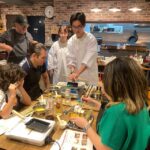
From the on-the-ground experience described in the feedback, the hosts are a big part of the charm. You may meet people like Shin and Sherry, with other friendly staff such as Amir, Miki, and Mickey showing up in some sessions. In plain terms: you’ll get help, attention, and photos while you work.
How the ramen process is built for consistency
This is where Musoshin sounds serious. They make noodles at their shop every morning, then let them sit overnight for the next day. Soup preparation runs long—12 hours—and they hand-make items like ramen soy sauce and roast pork.
Even if you never see the stock pot simmering, you benefit from it. Your class time stays focused on what you can do: assemble, cook the parts you’re responsible for, and eat something you don’t want to rush.
Your Hands-On Start: Painting a Ramen Bowl or Spoon
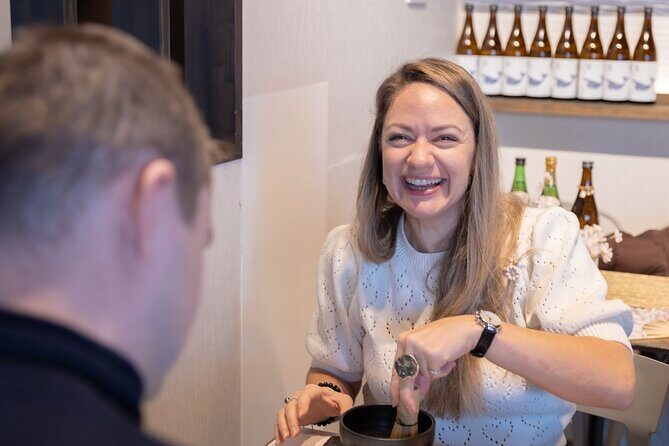
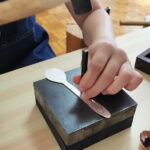
The creative part is the hook for a lot of people. You paint a ramen bowl or ramen spoon (the option depends on what you choose for your session). You also get items like an apron and a bandana, which makes you feel like you’re actually stepping into a Japanese craft moment rather than just attending a class.
What you’re really making
This isn’t just decoration. You can take the ceramic home the same day for display, and you also have the option to have your piece fired in a kiln at no additional charge. If you go the kiln route, it’s ready the next day for pickup.
That means you can choose how you’ll use your souvenir:
- Display it right away if you’re heading out the same day
- Or pick it up the next day and use it like a real piece of dinnerware
A few more Kyoto tours and experiences worth a look





Small practical tip: come ready to design
Bring an idea. Not a masterpiece—just a theme. Reviews mention that you may have limited time to prepare once you arrive, so having a basic plan helps. If you’re traveling with kids, simple shapes and color blocks usually work best.
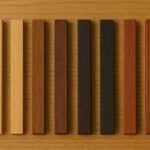
Also, if you’re picky about paint color choices, know that the color selection may feel limited. It’s a minor complaint in the feedback, but it’s worth keeping in mind if color accuracy matters to you.
The Ramen Workshop Side: Ingredients, Tools, and Guided Assembly
Once your ceramic work is set, the class shifts to food. The workshop uses ingredients professionally prepared and sourced from Musoshin’s Gion location.
You’ll handle parts of the meal yourself. That’s the main point of the cooking portion: you’re not only watching. You’re participating.
What you’re likely to do in class
Depending on the session flow, you can expect a structure like this:
- The chef demonstrates how Musoshin’s ramen is put together
- You assemble your bowl with guided help
- You add toppings and cook the components you handle
- You eat the finished bowl
Some people describe it as more of a ramen construction than a traditional hands-on cooking class. That’s accurate in spirit: the soup and major components are already made, because the key flavors come from time, not from what you can do in an hour.
If you want the fastest, most fun way to understand why Musoshin tastes the way it does, this format works well. You see the logic, you assemble the bowl, and you taste the final result right there.
Dietary options you can plan around
One of the most reassuring parts of this experience is that gluten free, vegetarian, and vegan ramen options are available. That matters because ramen flavor depends on the broth and ingredients, so it’s not just a side swap.
If you’re traveling with picky eaters or anyone with dietary needs, this class is set up to include them without turning dinner into a compromise.
Eating the Michelin-Nominated Ramen: Why It Tastes Like a Restaurant
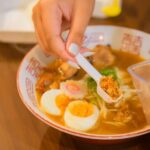
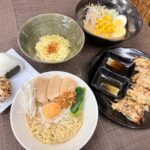
This is the moment. Your bowl arrives, and suddenly the earlier hands-on work makes sense. When you’ve arranged toppings yourself, you pay attention more. You notice texture. You notice broth depth. You notice how noodles and soup interact.
A repeated theme in the feedback: people call this the best ramen they had in Japan. The honest way to say it is this: it’s not “cute ramen.” It’s serious ramen.
What makes the flavor likely so strong
Musoshin’s method points to the big flavor drivers:
- noodles made in-house and prepared for the next day
- soup simmered for 12 hours
- handmade soy sauce and roast pork
- ingredients brought into the workshop so you can cook efficiently while still eating something restaurant-grade
You also get the practical advantage of learning the assembly flow. That’s useful if you want to recreate a ramen-style bowl at home later, even if you can’t copy the exact soup hours.
Souvenir Value: Ceramic You Actually Want to Keep
A lot of workshops sell you something decorative. This one sells you something useful or at least proudly displayable.
Because you can take the ceramic home the same day, you don’t need to plan your entire trip around the pickup. And because you can kiln-fire it for free, you avoid the “cool souvenir, useless later” problem.
Storage and travel tip
If you choose bowls, plan for space in your luggage. If you choose spoons, reviews say it’s easier to pack and still feels like a real ceramic piece, not a toy.
That’s one of those small decisions that can make or break the whole souvenir experience.
What the Class Atmosphere Feels Like
The room is part of the story. One review mentions Japanese décor, including samurai swords, which adds a fun theatrical touch without making the class stiff.
What also shows up consistently is how the hosts manage group energy. Sessions run with small group sizes, and there’s enough attention for people to feel welcome—even when the group includes kids.
People also mention that photos are taken. That’s helpful because the painting and assembly moments are the kind you’ll want to remember, and you shouldn’t have to hand your camera to strangers mid-process.
Price and Value: Is $64 a Good Deal in Kyoto?
At $64 per person for around 1 to 1.5 hours, you’re paying for a bundled experience:
- a guided ramen meal tied to Musoshin’s Michelin-nominated style
- hands-on assembly and cooking moments
- a ceramic souvenir opportunity (bowl or spoon)
- free kiln firing (if you choose it)
If you’re thinking like a budget traveler, compare it to two separate costs: a high-end ramen lunch plus a workshop elsewhere. Many “food experiences” either give you a meal with no souvenir, or they give you a souvenir with a meal that feels like an afterthought. Here, the souvenir and the ramen are clearly part of the same package.
Who should see this as especially good value
- Families who want one activity that works for adults and kids
- Travelers who love ramen and want an experience tied to a serious restaurant operation
- Souvenir shoppers who prefer making something instead of buying something mass-produced
- People with dietary needs who still want a true main course (not a sad bowl of noodles)
Best Fit: Who This Kyoto Experience Is For
This class hits its stride with a lot of different travel styles.
You’ll enjoy it most if you:
- want a fun, structured activity that still leaves room for creativity
- like eating food you helped make
- want an authentic ramen-focused experience without complicated prep
It also works well as a family outing. Reviews explicitly call it strong for kids, not just because it’s interactive, but because the hosts keep the steps clear and the pace manageable.
A Few Honest Considerations Before You Book
No experience is perfect, so here are the main tradeoffs to think through.
It’s not a full ramen-from-scratch course
Because Musoshin’s broth and core elements are prepared ahead (soup takes 12 hours), your class time is more about assembly and cooking the portions you handle. That’s a feature for many people, but it can disappoint the “show me every step” cooking crowd.
Plan your souvenir logistics
You can take ceramics home the same day for decoration. If you want the fired, meal-ready version, you’ll need to plan for next-day pickup.
Come with a design idea
You’ll be painting, and you’ll have fun, but limited preparation time means you’ll get more out of it if you start with a simple concept.
Should You Book Musoshin’s Kyoto Ramen Painting and Cooking Class?
If you want one activity in Kyoto that blends creativity, ramen expertise, and a souvenir you’ll actually keep, I think this is a strong pick.
Book it if:
- ramen is a top priority for you
- you want a hands-on meal with a clear payoff
- you’re traveling with kids or someone who enjoys crafts
- you care about food quality and in-house preparation
Skip it (or at least adjust expectations) if:
- you’re looking for a true “make the broth and noodles from scratch in class” experience
- you don’t care about ceramic souvenirs
- you’re short on time and can’t manage a same-day take-home vs next-day kiln pickup choice
FAQ
What is included in the class at Musoshin Ramen Academy?
You get Michelin-nominated Musoshin Ramen, the Musoshin ramen bowl and/or spoon as an option, a Musoshin bandana, and kiln-firing of your designed bowl for free.
How long is the Kyoto ramen painting and Michelin cooking class?
The experience runs about 1 hour to 90 minutes, depending on the session time.
Can I take the painted ceramics home the same day?
Yes. The ceramic you paint can be taken home the same day for decoration. You can also choose kiln-firing.
When can I pick up the kiln-fired bowl?
If you have your piece fired in the kiln, it’s ready for pickup after the next day.
Do I have to pay extra for kiln-firing?
No. The kiln firing is included for free.
Are gluten free, vegetarian, and vegan ramen options available?
Yes. Gluten free, vegetarian, and vegan ramen options are available.
What languages are used during the class?
The instructor supports English and Japanese.
Is the group size small?
Yes. The class offers a small group format.
What’s the price per person?
The price is listed at $64 per person.
What about canceling or paying later?
You can cancel up to 24 hours in advance for a full refund. You can also reserve now and pay later.
Is shipping available for the painted items?
Shipping cost is not included if you request delivery to your next hotel.