REVIEW · MATSUMOTO
Handmade Soba Making & Fresh Wasabi Lunch
Book on Viator →Operated by Welcome Matsumoto · Bookable on Viator
Soba isn’t hard when you do it by hand. In Matsumoto, this class turns handmade soba and fresh wasabi into a real, step-by-step food lesson, not a sit-and-watch show. I love that it’s truly hands-on from start to finish, and I love that you taste wasabi that tastes like something you made today, not a shelf-stable condiment. One thing to consider: because there’s a 500g minimum for soba, you’ll eat a shared serving sized for 2 or 3 people, so don’t expect a solo-sized pile.
The plan is simple: make soba, then grate and taste fresh wasabi, then eat your noodles as lunch. I also like that you get an English-speaking guide, and in past groups the guides have included people named Elodie, Kei, and Tom, which helps the whole class feel welcoming even if your Japanese is rusty.
The whole experience takes about 1 hour 30 minutes and ends back where you start at the Matsumoto Castle admission ticket counter. If you’re asking for vegetarian or vegan, you can request it, and the group is limited to a maximum of 8 travelers.
In This Review
- Key Things I’d Aim For in This Matsumoto Soba and Wasabi Class
- Matsumoto’s Soba Culture, Explained Through Your Hands
- Stage One: Handmade Soba Noodle Making Like a Local Apprentice
- Why this matters for you
- The practical reality: you’ll share the final serving
- The Soba Tools and the Knife-Handling Lesson (Yes, It’s Part of the Deal)
- Stage Two: Fresh Wasabi Grating and Tasting in Real Life
- What you should expect your taste buds to notice
- The wasabi farm connection
- Lunch: Handmade Soba With One Extra Dish
- The value of eating what you made
- Where You Meet in Matsumoto (and How to Time Your Morning)
- Duration and pacing
- Mobile ticket note
- Guides, Energy, and Why Small Groups Feel Different
- Price of $89.91: Is It Worth It for What You Actually Do?
- Who This Tour Fits Best (and Who Might Prefer Something Else)
- Tips to Get Better Results on Your Soba and Wasabi Day
- Should You Book This Soba and Wasabi Experience?
- FAQ
- Where do I meet for the Handmade Soba Making & Fresh Wasabi Lunch?
- What time does the experience start?
- How long is the tour?
- Is the soba making hands-on?
- What is included with lunch?
- Can I get vegetarian or vegan options?
- How many people are in the group?
- Will I eat the soba I make, and do I get my own serving?
- Is there a minimum age requirement?
- What are the cancellation terms?
Key Things I’d Aim For in This Matsumoto Soba and Wasabi Class
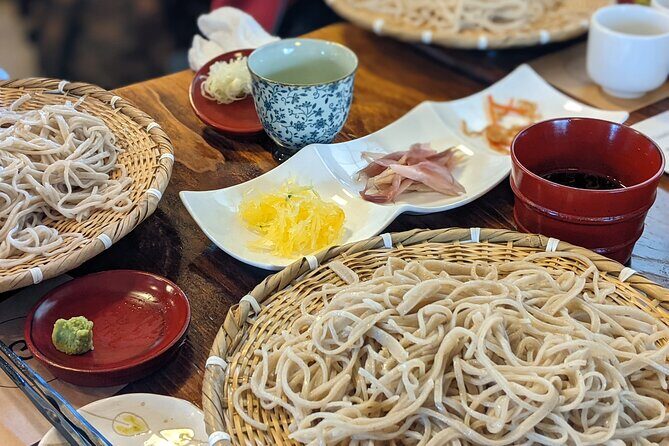
- You make soba from scratch and eat what you make, guided by a soba master
- Fresh wasabi is grated and tasted on the spot, using wasabi from surrounding farms
- Small group size (max 8) keeps the class more interactive than crowded
- Lunch is built around your handmade noodles, plus one extra dish
- Soba portion is shared (500g minimum), so plan to enjoy it with your group
Matsumoto’s Soba Culture, Explained Through Your Hands
Matsumoto is one of those places where a food tradition is more than a tourist line. Buckwheat has long been grown here, and that shows in how serious locals are about soba noodle quality. This experience takes that tradition and turns it into something you can practice, not just admire.
What makes it interesting is the contrast in your two main activities. First you learn dough work and knife-style precision through the soba-making steps. Then you shift to wasabi, where the flavors are about freshness and nuance instead of technique. It’s a tidy way to learn two sides of Japanese dining: the craft and the ingredient.
And yes, it’s still meant to be fun. The best part of a class like this is when the rules start to make sense. When you’re taught what to do and why, you stop guessing and start getting it right.
You can also read our reviews of more tours and experiences in Matsumoto.
Stage One: Handmade Soba Noodle Making Like a Local Apprentice
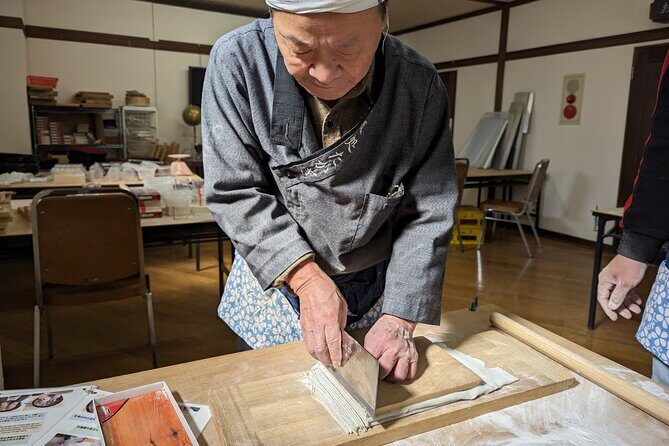
Your soba experience starts with you taking a real, guided pass through the steps. This isn’t a quick demo. It’s hands-on from start to finish, with a soba master showing you how to use authentic tools and guiding you as you work the dough.
You’ll also get the kind of context that makes soba feel different from generic noodles. Soba might look simple on a plate, but the work behind good noodles takes attention. In the class, the focus is on precision and discipline—the same idea you see in traditional Japanese crafts. You’ll learn how the process is controlled by touch, timing, and technique.
Why this matters for you
If you’ve ever watched soba videos online and thought, That looks tricky, you’re not alone. In a guided class, you’re not alone. You’re shown proper tool use and you get feedback while you’re learning. That turns the experience into something you can repeat later at home, not just a one-day novelty.
The practical reality: you’ll share the final serving
One detail you should know up front: the experience requires a minimum of 500 grams to prepare soba, and the soba-making experience includes a shared serving suitable for 2 or 3 people. That means the class is still hands-on, but your final lunch noodles come out as a shared portion rather than a solo mountain of soba.
That’s not a deal-breaker. It’s actually pretty common with cooking classes where batches matter. Just manage expectations and plan to enjoy it socially.
The Soba Tools and the Knife-Handling Lesson (Yes, It’s Part of the Deal)
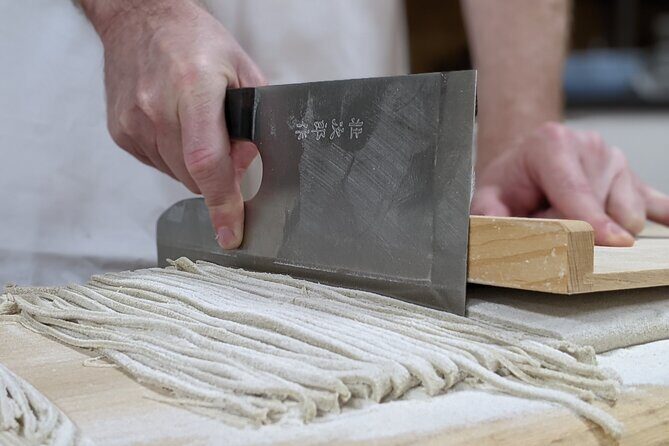
The class includes proper use of authentic soba-making tools. And because soba making involves shaping and cutting the noodles, you’ll be working with knife handling as part of the training.
If you’re the type who prefers to watch first, you can still learn from doing, but you may want to mentally prepare yourself for hands-on work. You’ll be guided, yet you’ll still be the one moving through the steps. Think of it like learning a dance: instruction matters, but your body needs reps.
The good news is that this format makes the class feel achievable. You’re not trying to become a professional in 90 minutes. You’re learning what the process feels like so you can make sense of it later.
Stage Two: Fresh Wasabi Grating and Tasting in Real Life
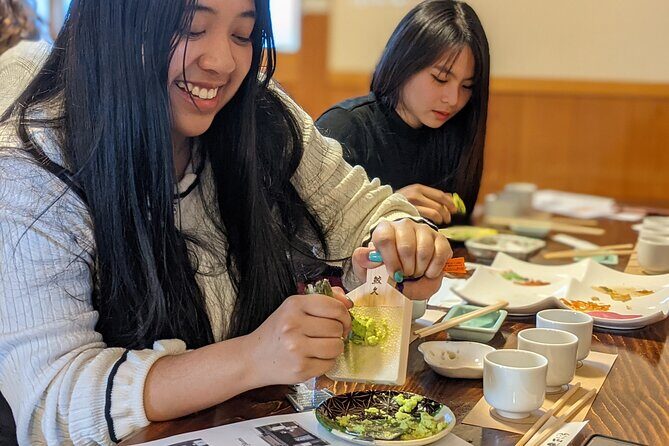
After soba-making, you shift to the wasabi experience. This part is where the class earns its uniqueness.
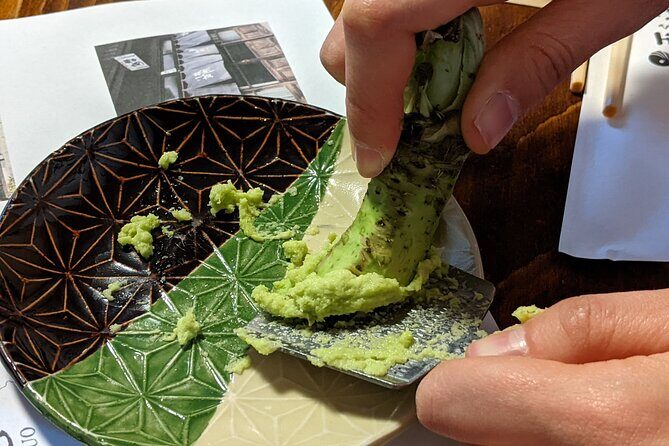
Real wasabi is not the same thing as what you squeeze from a plastic tube. The difference isn’t only intensity. Fresh wasabi is typically described as more nuanced and fresher tasting, and the class has you experience that directly. You’ll grate the wasabi and then taste it.
What you should expect your taste buds to notice
Fresh wasabi hits differently. It’s still spicy, but it tends to feel cleaner and more aromatic than the tube stuff. And there’s a refreshing quality when it’s freshly grated. Grating it yourself also helps you understand why real wasabi tastes the way it does: it’s about freshness and preparation.
The wasabi farm connection
The class is tied to local wasabi farms in the region. Even if you don’t visit the fields, you’re eating wasabi that comes from the surrounding area, which is the point. It connects Matsumoto’s agricultural story to your meal right away.
Lunch: Handmade Soba With One Extra Dish
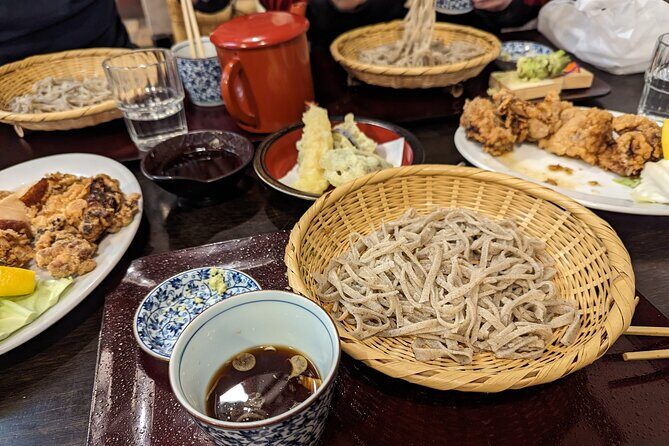
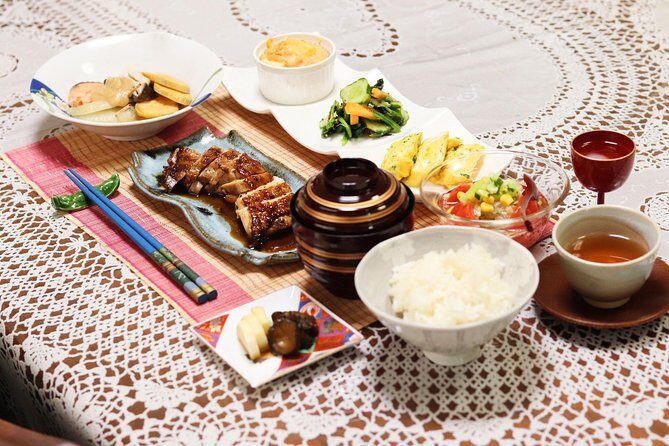
Lunch is included, and it’s built around the handmade soba you made. You get to eat your noodles as part of the meal, which is a smart design choice. It keeps the experience from becoming a workshop without payoff.
On top of that, there’s one extra dish included. The exact dish isn’t specified in the provided details, but the structure is clear: soba + one added component. If you’re vegetarian or vegan, options are available upon request, so it’s worth telling the organizer when you book.
The value of eating what you made
In a lot of food classes, the cooking happens and the eating is separate. Here, the class and the meal are linked. That matters because you’ll notice texture differences and flavors while you still remember the steps you were taught.
Also, this format is efficient. You get a full culinary experience, not just a snack.
Where You Meet in Matsumoto (and How to Time Your Morning)
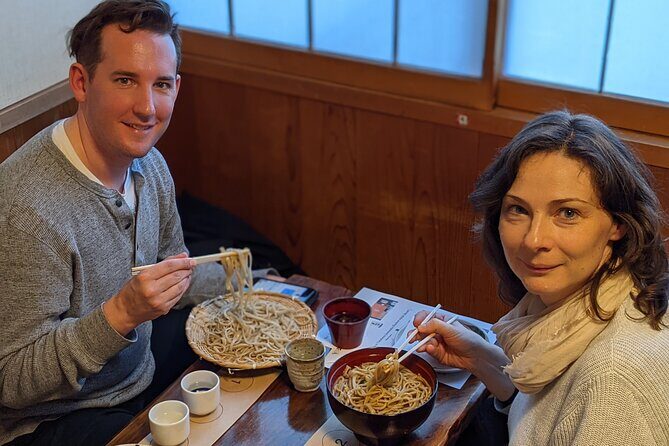
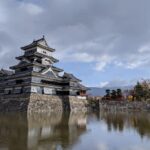
You start at the Matsumoto Castle Admission Ticket Counter, located at 4-1 Marunouchi, Matsumoto, Nagano 390-0873, Japan. The start time is 10:30 am, and the experience ends back at the meeting point.
This is handy because Matsumoto Castle is easy to orient around. If you’re already planning to see the castle area, this tour fits into the center of the action instead of pulling you far out into the countryside.
Duration and pacing
The class runs about 1 hour 30 minutes. That’s short enough to keep your day flexible, but long enough to learn real technique. It’s also long enough to turn you from a bystander into someone who can describe the process with confidence.
Mobile ticket note
You’ll receive a mobile ticket, which is convenient if you prefer not to juggle paper confirmations.
Guides, Energy, and Why Small Groups Feel Different
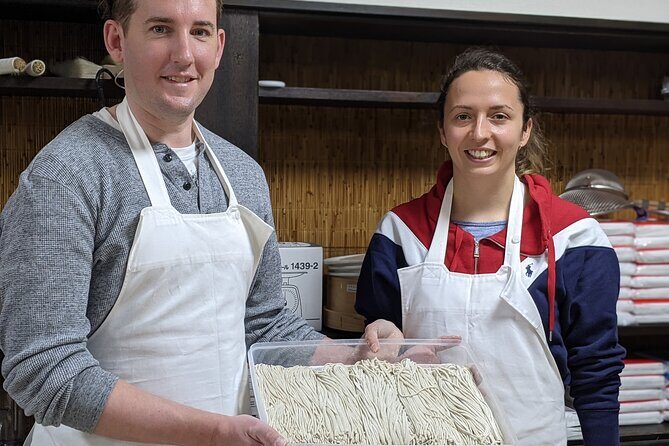
The tour includes an English-speaking guide. That might sound like a basic checkbox, but in practice it changes everything. When technique and ingredient background are explained in clear English, you spend less time guessing and more time learning.
From the guide names that have shown up in past experiences—Elodie, Kei, and Tom—it’s clear this kind of tour can feel personal. Some classes feel scripted. This one is structured, but it still leaves room for questions, clarification, and a calm pace.
Group size is capped at 8 travelers. Smaller groups usually mean you get more direct attention, especially when you’re working with tools and learning technique.
Price of $89.91: Is It Worth It for What You Actually Do?
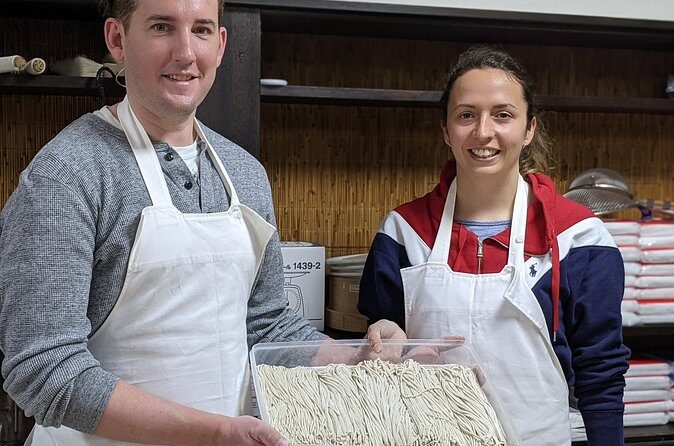
At $89.91 per person, this isn’t the cheapest thing you can book in Matsumoto. But it also isn’t just an entry ticket to a workshop. You’re paying for several concrete components:
- Hands-on instruction from a soba master
- English-speaking guidance throughout
- Wasabi grating and tasting using fresh wasabi from the region
- Lunch included, with handmade noodles plus one extra dish
- A class format limited to max 8 people
When I think about value for a cooking class, I look at time, labor, and outcomes. You’re not only watching noodles being made. You’re doing the work and then eating the result. That’s the part that makes the price feel more reasonable.
Also, average booking is about 18 days in advance. That tells me it’s popular enough that it’s smart to lock it in early rather than waiting for the last moment.
Who This Tour Fits Best (and Who Might Prefer Something Else)
This experience fits you if you want a hands-on food activity that doesn’t feel like a chore. It’s especially good if you like practical learning—things you can replicate after you’re back home.
It also suits couples and small groups because the soba batch and shared serving work well in pairs or a trio.
You might want to pick a different activity if:
- You’re only interested in tasting and don’t want tool-based instruction
- You’d rather avoid anything that feels even slightly like cutting and handling dough tools
- You expect a full solo-sized serving of noodles (the soba portion is shared due to a 500g minimum)
And if you travel with kids, there’s no minimum age requirement. Children under 6 can participate for free, though the lunch is still extra, so plan for that.
Tips to Get Better Results on Your Soba and Wasabi Day
A food class goes smoother when you plan for comfort and curiosity.
- Wear comfortable clothes you don’t mind getting a little messy.
- Come hungry enough for lunch. The pace is efficient, and the meal is part of the payoff.
- If you’re vegetarian or vegan, request it when you book so they can prepare accordingly.
- If you’re nervous about knives or cutting steps, that’s normal. The whole point is learning with guidance while you work through the process.
And here’s a small mindset trick: treat mistakes as information. Soba making rewards tiny adjustments. If you focus on what your guide is asking you to feel and do, you’ll get more out of the class.
Should You Book This Soba and Wasabi Experience?
I’d book it if you want to learn Japanese cooking through direct technique, then eat what you made without juggling extra reservations. The combination of hands-on handmade soba plus fresh wasabi grating and tasting is a strong mix, and the small group size helps the instruction stay personal.
If you’re just chasing the biggest tourist photo, you might find a different activity more efficient. But if you like food craftsmanship and want a take-home skill—even if it starts with making soba at home once you return—this is one of the better ways to spend a morning in Matsumoto.
FAQ
Where do I meet for the Handmade Soba Making & Fresh Wasabi Lunch?
You meet at the Matsumoto Castle Admission Ticket Counter, 4-1 Marunouchi, Matsumoto, Nagano 390-0873, Japan.
What time does the experience start?
The start time is 10:30 am.
How long is the tour?
It runs about 1 hour 30 minutes.
Is the soba making hands-on?
Yes. It’s 100% hands-on from start to finish, including making and then eating the soba you helped create.
What is included with lunch?
Lunch includes handmade soba plus one extra dish.
Can I get vegetarian or vegan options?
Yes. Vegetarian and vegan options are available upon request.
How many people are in the group?
The maximum group size is 8 travelers.
Will I eat the soba I make, and do I get my own serving?
You do eat the soba noodle creation at the end. Also, there is a 500g minimum required to prepare soba, so the soba is served as a shared serving suitable for 2 or 3 people.
Is there a minimum age requirement?
No minimum age requirement is listed. Children less than 6 years old can participate for free, but lunch is still extra.
What are the cancellation terms?
Cancellation is free. You can cancel up to 24 hours in advance for a full refund. If you cancel less than 24 hours before the start time, the amount paid is not refunded.