REVIEW · TOKYO
Private Tokyo Tour with Local Guide
Book on Viator →Operated by ABU · Bookable on Viator
Tokyo has a way of messing with maps.
This private tour helps you avoid that feeling by walking and riding Tokyo’s transit system with a local guide, while covering classic sights like Tsukiji, Asakusa, and Akihabara. You also get a real perk: you choose your tour start time, instead of being herded onto a fixed schedule.
Two things I especially like: you get public transportation coaching built into the day, and the guide’s explanations can turn a photo stop into real understanding. Names that come up a lot in guide feedback include Maruf, Abu, Amir, Erica, and Nami, and the common thread is that they aim to make the city click fast—especially for first-timers.
One drawback to consider is that this can be a walking-heavy experience. In one case it was about 5 miles, and if you expect a sit-and-go tour, you may feel a bit moved along with less context than you hoped for—so set your expectations early with your guide.
In This Review
- Key Takeaways Before You Go
- The Real Value: Private Time + You Control the Start
- Tsukiji Fish Market: Morning Energy and Food-First Tokyo
- Asakusa’s Core Trio: Nakamise Street, Kaminarimon, and Senso-ji
- Nakamise Shopping Street (Kaminarimon)
- Kaminarimon Gate
- Senso-ji Temple
- Sumida River Side Park: A Break With City Views
- Ueno + Ameyoko: Shopping Street Chaos, With a Plan
- Akihabara: Electronics and Anime Culture, Explained in Human Terms
- How the Transit Portion Helps You After the Tour
- Price and Time: Does $130 Per Person Make Sense?
- Walking Pace and Guide Styles: How to Get the Most From Your Day
- Who This Tour Fits Best (And Who Might Want a Different Plan)
- Should You Book This Private Tokyo Tour?
- FAQ
- How long is the private Tokyo tour?
- Where does the tour start, and can I pick the start time?
- Is this a private tour or a group tour?
- What’s included in the price?
- Is lunch included?
- Which areas and stops does the tour cover?
- Are Tokyo Sky Tree and TeamLab tickets included?
- How much walking should I expect?
- What’s the cancellation policy?
Key Takeaways Before You Go
- You choose the start time, so the route fits your day instead of the other way around.
- Tsukiji early-morning energy gives you a food-and-culture feel that’s hard to recreate on your own.
- Asakusa classics with built-in meaning, from Nakamise Street to Senso-ji.
- Ueno + Ameyoko are ideal for browsing, with shopping and parks in the same general area.
- Akihabara is a perfect reality check for electronics and anime culture—plus your guide can help you shop smarter.
- Transit help is part of the value, so you leave with a plan for the rest of Tokyo.
The Real Value: Private Time + You Control the Start
For $130 per person (4 to 5 hours), this works best when you want Tokyo to feel usable, not just pretty. A private tour gives you that flexibility, and the start time matters more than most people think. If you’re coming off jet lag, arriving mid-morning, or trying to dodge peak crowds, being able to set your own timing helps a lot.
This isn’t a “just follow the leader” experience either. The tour includes a local guide and public transportation, plus pickup with public transportation. That combination is key because Tokyo is not a city you master by sight alone—you master it by learning how to move.
One more practical note: it uses a mobile ticket, which makes day-of logistics smoother. The “near public transportation” detail also helps, since you’re not likely to spend the morning chasing a remote meeting point.
You can also read our reviews of more guided tours in Tokyo

Tsukiji Fish Market: Morning Energy and Food-First Tokyo
The day starts at Tsukiji Fish Market, and the big reason is timing. The tour is set up to catch the morning auction atmosphere—when the whole place feels like it’s running on momentum. Even if you’re not a seafood expert, Tsukiji is one of those locations that explains a lot about Japan’s food culture through action: speed, precision, and the sheer volume of what’s happening.
What you can expect here is more than just photos. The tour frames Tsukiji as a culinary and cultural hub, so you’re not only looking at stalls—you’re learning why this market matters in Tokyo life and how the morning rhythm shapes the experience.
Tip: if you’re sensitive to early starts or you like a slower pace, tell your guide before you arrive. This stop is naturally fast-moving, and a guide who understands your comfort level can adjust the pace without skipping the point.
Asakusa’s Core Trio: Nakamise Street, Kaminarimon, and Senso-ji
After Tsukiji, you shift into classic Tokyo tradition in Asakusa. This is where the tour’s “context” value shows up most. If you’ve ever walked past a landmark and wondered what you were looking at, this part helps you avoid that blank feeling.
Nakamise Shopping Street (Kaminarimon)
You’ll spend about 20 minutes on Nakamise Shopping Street, with admission ticket included. The street runs between the famous Kaminarimon Gate and Senso-ji Temple, and it’s built for browsing. Think snacks, small souvenirs, and the kind of street energy that makes Asakusa feel instantly recognizable.
Potential downside: it can feel crowded. If shopping isn’t your thing, ask your guide to point out the items and customs that explain the street’s role, not just the loudest storefronts.
Kaminarimon Gate
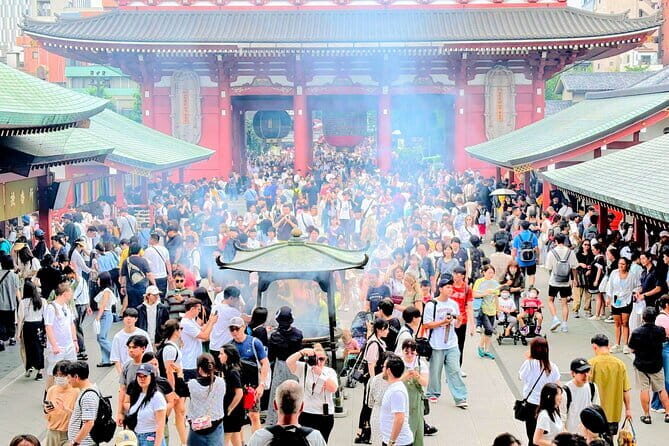
Next is Kaminarimon Gate for about 10 minutes, another admission ticket included stop. It’s the iconic red-lantern entrance to Senso-ji, and your guide’s job here is to connect the symbol to the place you’re entering. That context is what turns this from a quick look into something you’ll remember later.
You can also read our reviews of more private tours in Tokyo



Senso-ji Temple
Then comes Senso-ji Temple for around 20 minutes with free admission. You get time to walk through the temple area after passing Kaminarimon, plus enough structure to understand what you’re seeing without feeling rushed.
Practical tip: if you plan to shop at Nakamise, do it with a plan. Decide what you want before you wander, because time evaporates quickly once you start comparing gifts and snacks.
Sumida River Side Park: A Break With City Views
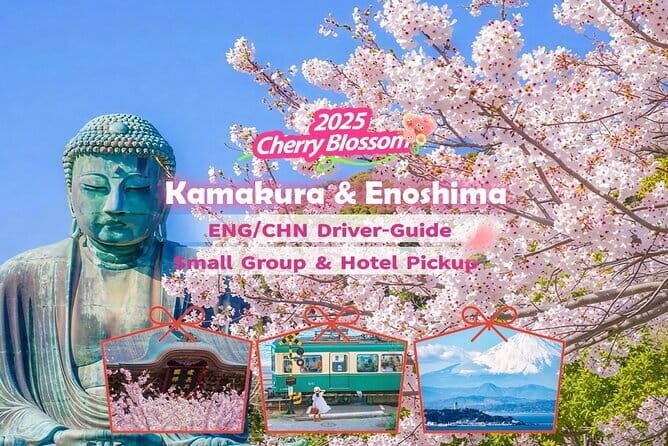
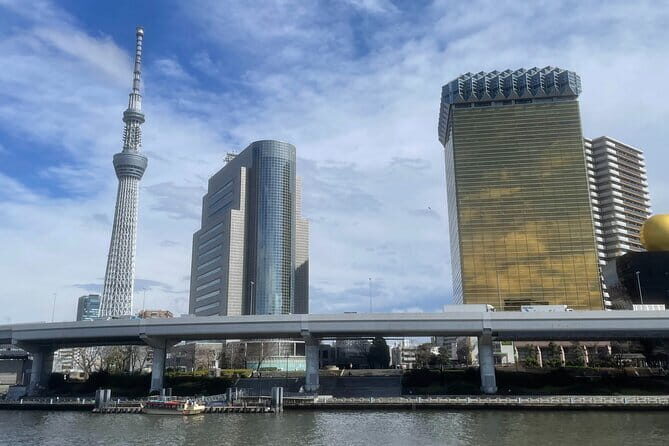
Not every stop needs to be a crowd magnet. The tour includes Sumida River Side Park, which is a calmer breather along the riverbanks. The value here is not only the open space—it’s the views, including Tokyo Skytree in the distance.
This park stop also helps you reset mentally. After busy markets and shrine streets, a little breathing room makes the rest of Tokyo feel more enjoyable, not like one long line of landmarks.
If it’s a clear day, this is also a great spot to pause, check directions, and figure out what you want to do next while your guide is still nearby.
Ueno + Ameyoko: Shopping Street Chaos, With a Plan
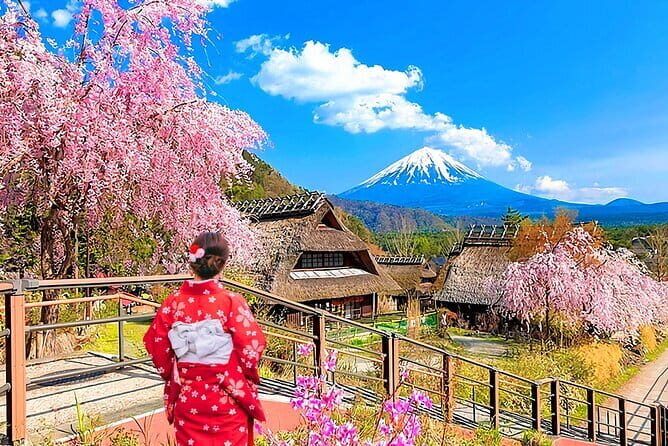
Next you head to Ameyoko Shopping Street in Ueno. This place is famous for its big mix of shopping and street-market energy. The tour frames it as a marketplace that started as a black market post–World War II and evolved into what it is today. That short history gives you a better lens than just walking down a street of stores.
Then you move into Ueno Park for about the kind of time where you can actually enjoy being outside—especially if you like mixing open space with culture. Ueno Park is described as spanning over 130 acres, and it’s home to museums, temples, and gardens.
What this section is best for:
- browsing without feeling lost
- splitting your time between market shopping and park wandering
- getting a sense of how Tokyo balances calm space and city motion
A drawback to keep in mind: if your priority is only top-tier sights with minimal walking, you may feel the market-and-park combo is “more wandering.” But if you like to explore with purpose, this is a strong match.
Akihabara: Electronics and Anime Culture, Explained in Human Terms
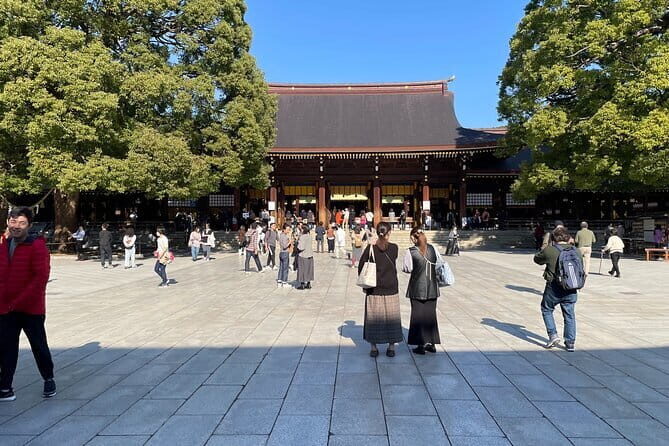
Finally, you reach Akihabara, one of Tokyo’s most recognizable districts. This tour treats it as a mecca for electronics, anime, and otaku culture, and your guide can help you understand what you’re actually seeing—how shops differ, what to look for, and how people move through the area.
Akihabara is the kind of place where a little local help saves a lot of time. If you’ve got a shopping list, this is where you can ask for the most efficient route through stores instead of zigzagging randomly.
One more practical point: Akihabara is where you might spend extra minutes if you get interested. Because this is a private tour, your guide can usually adjust the flow a bit as long as the overall time window holds.
How the Transit Portion Helps You After the Tour
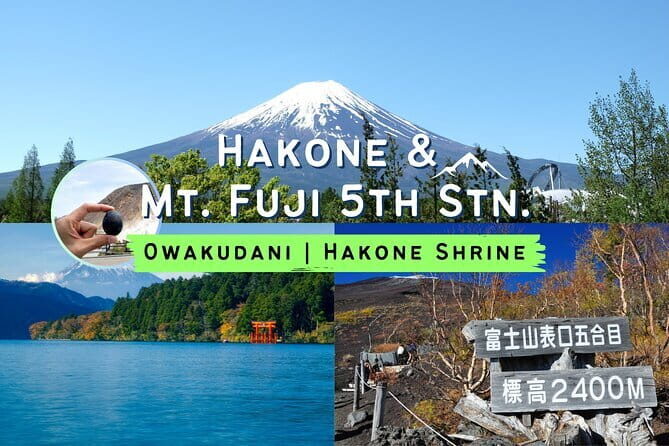
The biggest long-term value isn’t any single landmark. It’s the fact that the tour includes public transportation and pickup with public transportation. This matters because Tokyo’s train and subway system can feel intimidating until someone gives you a working mental model.
In feedback from guides like Maruf and Amir, the standout theme is that visitors left with the subway figured out enough to move around on their own. That’s the real win: you’re not just consuming sights—you’re learning how to get to the next one.
Practical advice:
- Wear shoes you can walk in for several hours.
- Have your next-day plans ready so you can ask, what’s the easiest route?
- If you want more shopping time, tell your guide early so they don’t burn time on navigation.
Price and Time: Does $130 Per Person Make Sense?
At $130 per person for about 4 to 5 hours, this is a fair price point for Tokyo—especially because it includes:
- a local guide
- public transportation
- pickup with public transportation
- a private format where only your group participates
- a mobile ticket
What’s not included: lunch, plus certain tickets like Tokyo Sky Tree and TeamLab Planet/TeamLab Borderless. Also, if you plan to climb the Skytree, you’ll need your own ticket; the tour’s plan is framed to let you see it from the river area rather than include entry.
So is it worth it? It tends to be worth it if:
- you want less time lost to logistics
- you like having context explained as you walk
- you prefer your day to run by your schedule
- your group has mixed interests and you want someone to keep everyone aligned
It might not be worth it if you’re traveling with unlimited time, you already feel confident with the subway, and you don’t care much about explanations—then a do-it-yourself route could cost less. But for most first trips, the “time saved” value is real.
Walking Pace and Guide Styles: How to Get the Most From Your Day
This tour can feel different depending on the guide and your expectations. That shows up clearly in feedback: some guides were praised for going above and beyond, explaining significance, and showing places that feel more local. Others mentioned issues like late arrival or a tour that felt too focused on moving between points.
Here’s how you can protect yourself from disappointment:
- Start by telling your guide what you want more of: photos, shopping, temple context, or transit tips.
- Ask for the level of detail you want. If you like stories and meaning, say so.
- If you expect less walking, communicate it before you start. This isn’t a sit-down tour.
- If you’re traveling with kids or you’re on a tight schedule, say that upfront too—some guides adapt well when they understand your needs.
Also, some people got very clear English guidance, while others experienced communication problems. If language comfort is important to you, mention it before the tour.
Who This Tour Fits Best (And Who Might Want a Different Plan)
This private Tokyo tour fits best if you:
- are on your first Tokyo trip and want your bearings fast
- want a mix of iconic sites and real neighborhood texture
- like learning how to use the subway without guessing
- appreciate someone helping you choose where to spend time, especially in places like Akihabara
It may not fit as well if you:
- hate walking (some days can be around 5 miles)
- only want major ticket attractions and plan to do museums or ticketed sites separately
- expect a constant stream of interpretation with zero downtime—some guide styles are more direct and less talkative
If you’re flexible and you’re happy to walk, this tour has a lot going for it.
Should You Book This Private Tokyo Tour?
If you want your Tokyo trip to feel structured without feeling trapped, I’d book it—especially for a first visit. The combination of private timing, classic stops (Tsukiji, Asakusa, Ueno, Akihabara), and transit coaching is the kind of value that pays off later when you’re planning your own days.
Book it if you:
- want help navigating without burning energy on directions
- want context, not just photos
- can handle a walking-heavy format
Skip it if you:
- already know your way around Tokyo’s subway and don’t care about explanations
- want lunch and major attraction tickets included in the price
- plan to move slowly and don’t want a timed route
FAQ
How long is the private Tokyo tour?
It runs about 4 to 5 hours.
Where does the tour start, and can I pick the start time?
The tour includes pickup offered with public transportation, and you can decide the tour start time (unlike many group tours).
Is this a private tour or a group tour?
It’s private. Only your group will participate.
What’s included in the price?
Included are a local guide, public transportation, and pickup with public transportation. A mobile ticket is used.
Is lunch included?
No, lunch is not included.
Which areas and stops does the tour cover?
The tour includes stops such as Tsukiji Fish Market, Nakamise Shopping Street (Kaminarimon), Kaminarimon Gate, Senso-ji Temple, Sumida River Side Park, Ameyoko Shopping Street, Ueno Park, and Akihabara.
Are Tokyo Sky Tree and TeamLab tickets included?
No. Tickets for Tokyo Sky Tree and TeamLab Planet/TeamLab Borderless are not included.
How much walking should I expect?
It’s a walking-focused plan. In one case it was about 5 miles, so comfortable shoes are a must.
What’s the cancellation policy?
Free cancellation is available up to 24 hours in advance for a full refund. If you cancel less than 24 hours before the start time, the amount paid isn’t refunded.