REVIEW · TOKYO
Wagyu & Sake 8 Course Tasting Dinner in Shinjuku
Book on GetYourGuide →Operated by Ninja Food Tours · Bookable on GetYourGuide
This dinner turns learning into the meal itself. You’ll get an 8-course wagyu tasting built around high-quality cuts from different regions, then you’ll taste how sake changes the flavor of each one. It’s the kind of experience where you’re not just eating; you’re picking up real pairing logic as you go.
Two things I really like about this format: the English live guide (with slide notes and Q&A energy) keeps the tasting understandable, and the pairing includes more than one style of sake—served in different ways, plus original sake-forward cocktails designed for the wagyu. One thing to consider: the experience is built as a full tasting dinner (appetizers, wagyu courses, dessert), so not every course may be pure wagyu in the way you’d expect from a strict 8-beef program.
In This Review
- What you get, who it’s for, and what to watch
- Key highlights at a glance
- Price and logistics: can $145 feel worth it?
- The Shinjuku setting: where the evening starts
- The core experience: 8+ courses, multiple wagyu cuts, and sake that actually pairs
- How sake enters the picture (and why it matters)
- Course-by-course flow: what the structure usually feels like
- 1) Opening bites and setup
- 2) First wagyu tastings (learning texture and fat balance)
- 3) Mid-meal variety: different cuts and different preparations
- 4) Sake-forward moments: samples, serving styles, and cocktails
- 5) Dessert and final palate reset
- The guide effect: why small group matters
- What you’ll actually learn (not just taste)
- Food reality check: dietary limits and fatty cuts
- Who this is perfect for
- How I’d plan it in your Tokyo trip
- Should you book it? My practical call
- FAQ
- How long is the Wagyu & Sake tasting dinner in Shinjuku?
- Where does the tour meet?
- Is an English guide included?
- What’s included in the price?
- Are there vegetarian or vegan options?
- Is it suitable for children?
What you get, who it’s for, and what to watch
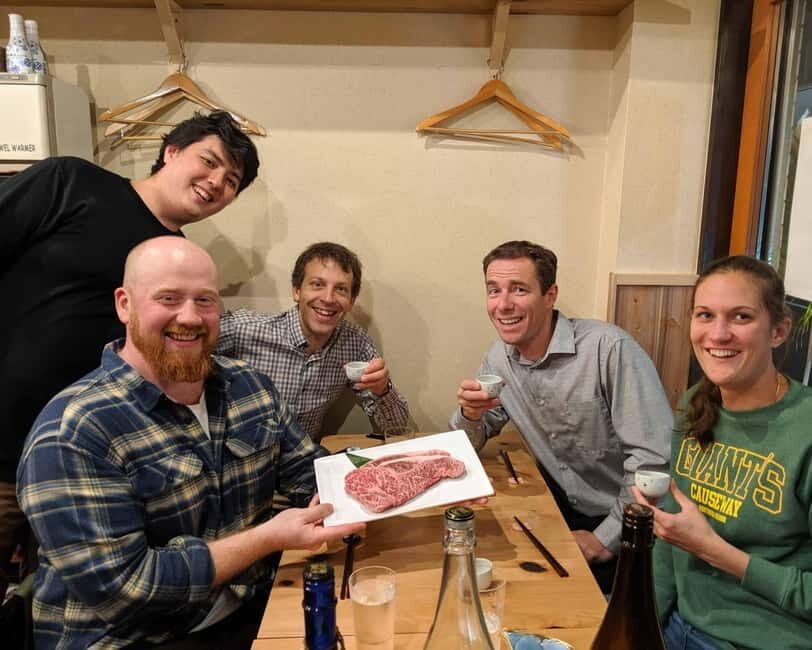
Price is $145 per person for 150 minutes, and you’re paying for the combination: premium beef, multiple sake samples, and an expert-led explanation. That can be great value if you want both flavors and context; if you’re only chasing the cheapest alcohol pairing, you might feel the structure is a bit more teaching-focused than drink-focused.
Also note the limits: no pescatarian/vegan/vegetarian options, and it’s not suitable for children under 18 or pregnant women. The venue is in Shinjuku, and the entrance is described as a little tucked away—so it’s smart to use the provided directions link before you arrive.
Key highlights at a glance
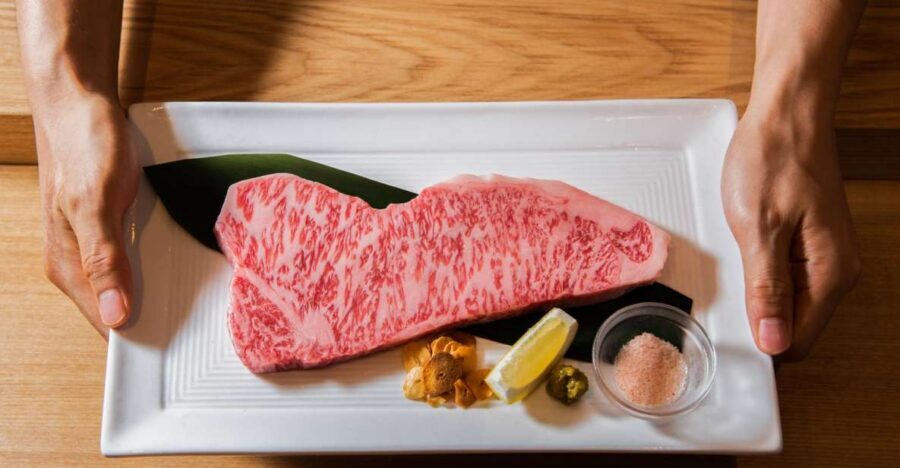
- Multiple regional wagyu cuts in one guided tasting dinner
- Sake pairings with different serving styles and flavors to test your palate
- Expert English guidance (I’ve seen names like Chizuru and Joe come up for hosting and explanations)
- Original wagyu-matched sake cocktails in addition to traditional sake pours
- Small group size (up to 8), which makes it easier to ask questions and compare notes
You can also read our reviews of more food & drink experiences in Tokyo
Price and logistics: can $145 feel worth it?
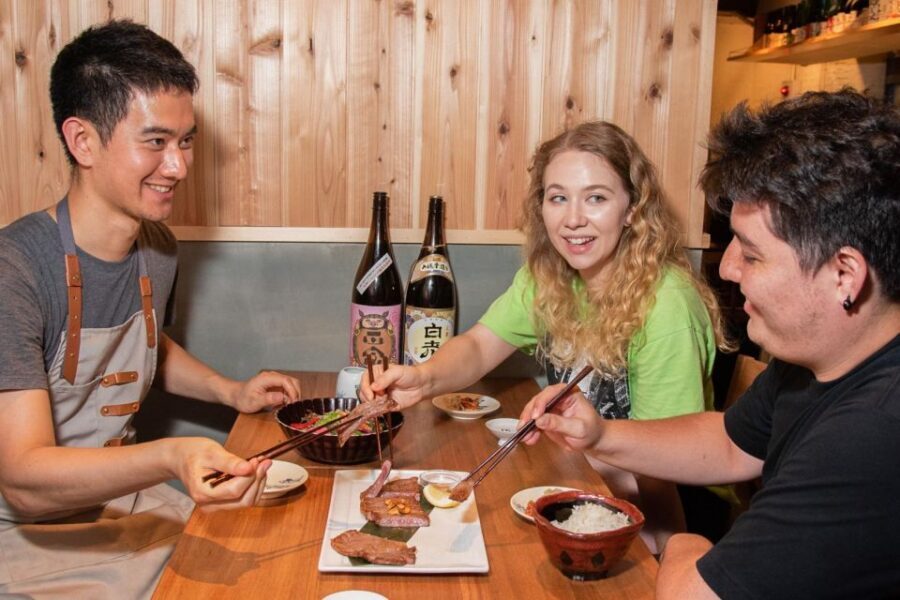
At $145 for 150 minutes, this is not a budget meal. What helps it make sense is that you’re paying for three things that are hard to replicate on your own in Tokyo: premium wagyu variety, a structured sake pairing sequence, and an English guide who can explain what you’re tasting while you’re eating.
You also get a built-in constraint: the sake pairing is included, and extra drinks aren’t included beyond what’s part of the pairing. That matters because it keeps the experience focused—less decision fatigue, fewer surprise tabs. It can also be a drawback if you’re the type who wants to keep ordering different bottles. Here, the point is sampling and learning, not building a personal bar tab.
Logistics are straightforward: the meeting point is Ushinobi Sake Bar in Shinjuku, and you enter directly on the 2nd floor. The closest station listed is Okubo (JB09), South Exit. The only real “watch out” is the entrance being a bit hidden, so take a minute to check the venue photo/directions first. In Shinjuku, minutes matter; getting turned around can cut into your relaxed start.
The Shinjuku setting: where the evening starts
This dinner is anchored at Ushinobi Sake Bar in Shinjuku, in a format that feels more like a guided dining session than a big restaurant event. Shinjuku can be loud and chaotic, so I like that this activity is small-group and timed—once you’re inside, you’re in a controlled environment where the staff can guide the pacing.
Because the entrance is described as easy to miss, I’d plan to arrive a little early and confirm the 2nd-floor entry point. That one step saves you from walking circles in a busy neighborhood while you’re hungry. It also helps you settle in before the tasting starts, which is when the explanation hits hardest.
The core experience: 8+ courses, multiple wagyu cuts, and sake that actually pairs
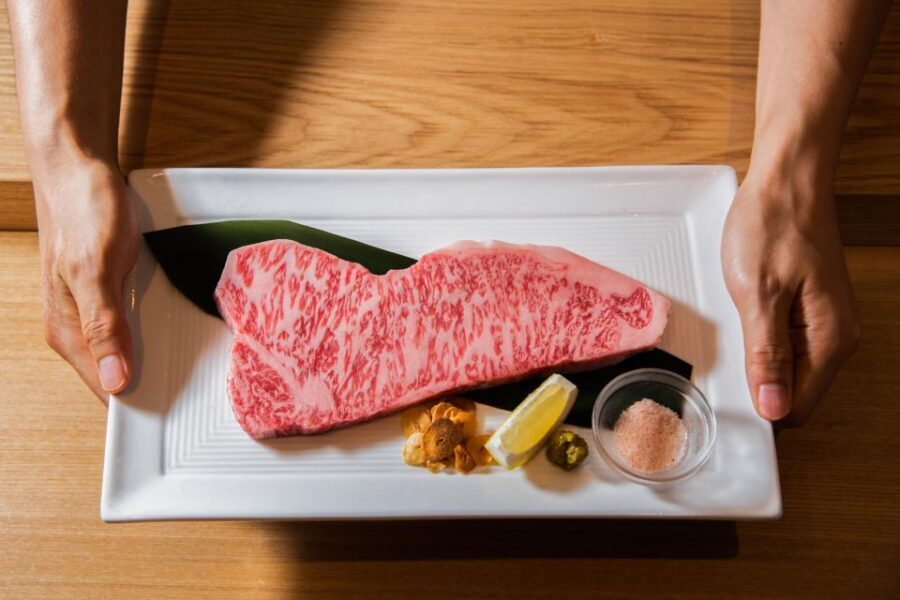
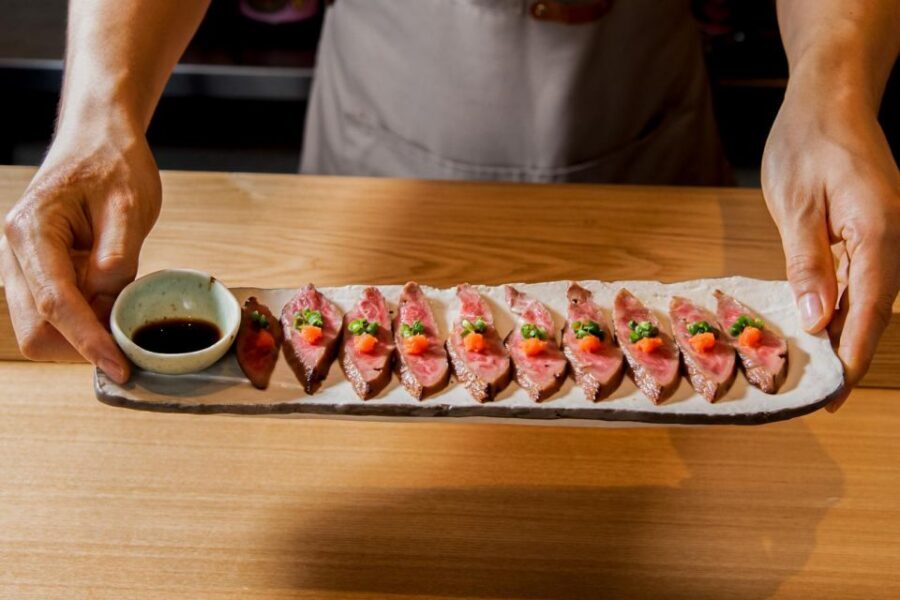
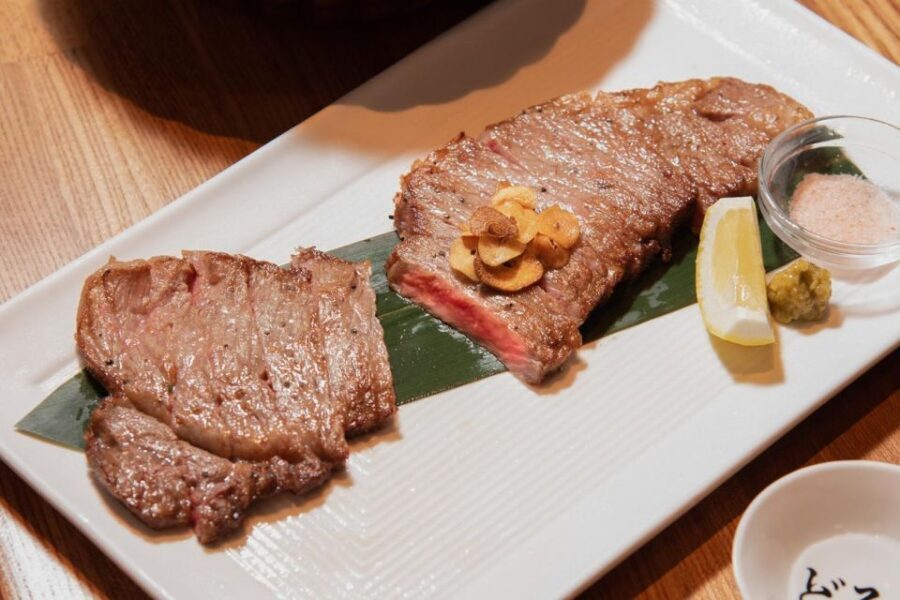
The heart of the night is the guided tasting of high-quality wagyu, built around cuts from different regions. The goal isn’t just to say the beef is good. It’s to show how wagyu flavor can shift based on cut and preparation style, then test how sake changes your perception from bite to bite.
The menu is described as an 8-course tasting, with additional context that it’s a full-course dinner experience that includes appetizers and dessert. You’ll also see that wagyu is prepared in a variety of ways to maximize natural flavor, using styles described as traditional and authentic. I like this approach because it keeps the evening from feeling repetitive: you’re not just chewing the same texture eight times. You’re tasting different “faces” of wagyu.
How sake enters the picture (and why it matters)
A big reason this dinner gets strong ratings is the pairing approach. It’s not just a casual pour alongside dinner. You’ll learn how sake compliments wagyu, and you’ll taste sake served in several different ways, including Japanese craft sake, plus original cocktails created to pair specifically with wagyu.
From a practical point of view, this teaches you the real pairing concept: you’re balancing fat, texture, and saltiness with acidity, sweetness, and aroma shifts in the sake. You don’t need to know sake labels beforehand. The guide helps you map what you’re tasting to what’s in the glass.
A few more Tokyo tours and experiences worth a look

Course-by-course flow: what the structure usually feels like
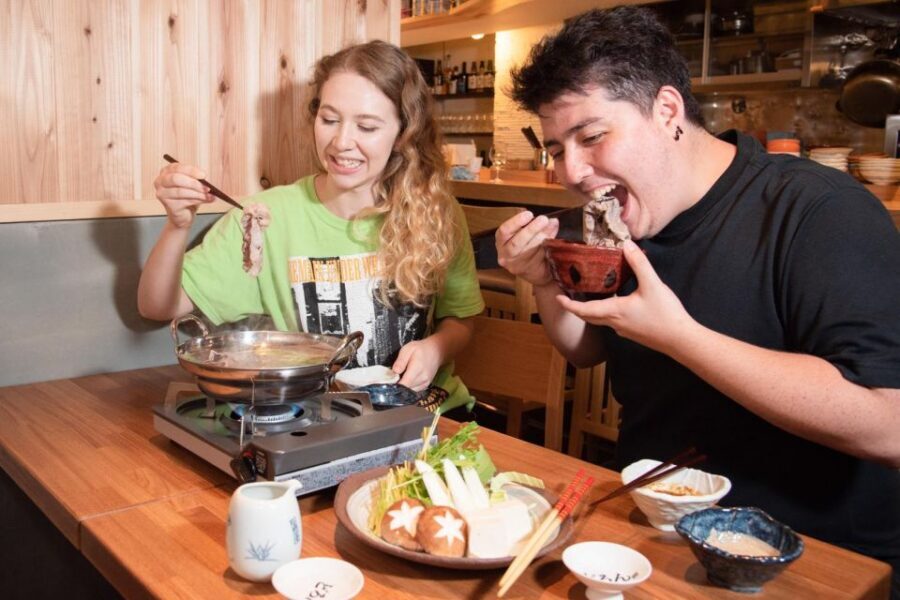
You won’t be given a “fast lecture” style tour. The pacing is built for eating. While the exact dish-by-dish order isn’t listed here, the structure described is consistent: each phase introduces a wagyu preparation, then the guide connects it to the matching sake serving.
Here’s the shape of the evening you should expect:
1) Opening bites and setup
You start with the early courses—appetizer-style plates that get your palate ready. I find this part is important because wagyu can be rich, and you’ll taste better if you start with a clean baseline.
At this stage, the guide typically frames what you’re about to do: the idea that different sake styles can bring out different qualities in the beef. If you’re new to this, you’ll get a quick map that helps the later courses click.
2) First wagyu tastings (learning texture and fat balance)
As wagyu courses begin, the pairing becomes the main event. The guide explains how sake interacts with the beef’s natural richness. You’ll notice how certain sake types can make the meat taste cleaner or more aromatic, while others may emphasize sweetness or creaminess.
Possible drawback here: some cuts of wagyu can lean very fatty, and that can shift your enjoyment depending on your preferences. If you love deep richness, you’ll likely be thrilled. If you prefer leaner flavors, pace yourself and lean on the sake pairings to reset between bites.
3) Mid-meal variety: different cuts and different preparations
The menu is designed around multiple cuts and different preparation styles, which means you’re tasting more than one wagyu “personality.” This is where the regional differences angle matters most—your palate learns what changes when the cut changes, not just when the sake changes.
This is also where some people may feel a mismatch. One concern that comes up is that the full tasting dinner includes courses that are not strictly “eight separate wagyu-only plates.” You might still enjoy the whole program, but if your mental model is pure beef every course, read the room: this is a dinner experience with appetizers and dessert.
4) Sake-forward moments: samples, serving styles, and cocktails
The sake segment is described as a true tasting, not a single pour. You’ll try craft sake in multiple styles, plus original cocktails made with pairing intent. This is great for you if you want to learn how sake can be flexible—served neat, with different methods, and even turned into a cocktail format without losing the link to the wagyu.
If you’re not a big sake person, this can still be worthwhile because you’ll taste several forms and learn what you do and don’t like. You’re not stuck with one style all night.
5) Dessert and final palate reset
Dessert rounds out the evening, and it’s a good closing move. Rich meat dinners can blur your senses, so a sweet finish plus the guide’s final explanation gives your brain a chance to organize what you learned.
The guide effect: why small group matters
This is a small group tour, limited to 8 participants, and that’s a real advantage for a tasting where you want to ask questions. When the guide has room to answer, you get more useful info and fewer generic statements.
I’ve seen two guide names tied to strong experiences: Chizuru and Joe. The common thread is that they go beyond just naming sake types. They explain how pairing works, and they use notes or slide materials to keep the concepts clear. That kind of structure is what turns the meal into something you can repeat at home—at least in spirit—even if you don’t buy the same beef or sake brand.
What you’ll actually learn (not just taste)
The biggest value of this dinner is the educational angle that stays connected to the food in front of you. You’ll learn:
- how wagyu is discussed in terms of regional differences
- how sake pairing choices change the way meat flavor comes across
- the basic history context of how wagyu and sake are enjoyed together in Japan
- how to think about serving styles and pairings, including craft sake formats and cocktail variations
One practical tip from the way this experience is described: treat the guide’s pairing logic like tasting instructions. When they explain what the sake is doing for the beef, try tasting again with that lens. It makes the whole meal feel less like eating and more like learning a skill.
Food reality check: dietary limits and fatty cuts
This isn’t designed for dietary substitutions. The program states no pescatarian/vegan/vegetarian options, so plan accordingly. Also, it’s not suitable for pregnant women and kids under 18.
On the flavor side, you should be ready for rich, high-fat texture at least some of the time. Wagyu does that by nature. The consideration is personal: if you’re sensitive to very fatty cuts, you might find some courses heavy. The upside is that this is exactly where the sake pairing helps. A good pairing can make richness feel smoother and less overwhelming.
Who this is perfect for
This dinner is a great fit if you’re the type of traveler who wants one Tokyo night to be more than sightseeing calories.
You’ll likely love it if:
- you want wagyu variety (not just one cut)
- you’re curious about sake pairing, including craft sake and cocktail-style servings
- you like small-group guidance and Q&A
- you prefer an English explanation that helps you understand what you taste
You might choose something else if:
- you’re only interested in wagyu and don’t want a dinner structure with appetizers/dessert
- you want unlimited drink ordering beyond the pairing
- you strongly dislike very fatty beef cuts
How I’d plan it in your Tokyo trip
I’d book this for a night when you’re not rushing. It’s 150 minutes, and the pacing is part of the value. You’ll want time to sit, taste, and absorb the explanations without standing up every hour to catch another reservation.
Since it’s in Shinjuku and uses the Okubo area access, it pairs well with an evening that’s already near central west Tokyo. Then you can keep the rest of your trip flexible around this one fixed anchor.
Should you book it? My practical call
Book it if you want a guided wagyu + sake pairing experience that actually teaches you something as you eat. The small group size, the included pairing, and the repeated emphasis on how sake complements different wagyu cuts make this feel like a lesson you can taste—not just a fancy dinner.
Skip it (or at least reconsider) if you’re expecting every single course to be pure wagyu in eight straight beef plates, or if you know you don’t enjoy very fatty cuts. In that case, the structure of a full tasting dinner and the richness of wagyu could work against your preferences.
If you do book, do one simple thing: arrive a little early, use the venue entrance guidance, and go in with a curious mindset. This is the sort of evening where the more you pay attention to the pairings, the more satisfying the final bites feel.
FAQ
How long is the Wagyu & Sake tasting dinner in Shinjuku?
The experience is listed at 150 minutes.
Where does the tour meet?
It meets at Ushinobi Sake Bar in Shinjuku. You enter the venue directly on the 2nd floor. The closest station listed is Okubo (JB09), South Exit.
Is an English guide included?
Yes. The tour includes a live tour guide in English.
What’s included in the price?
The price includes an 8-course meal showcasing multiple cuts of high-quality wagyu, plus a sake pairing (limited). Soft drinks are available, but extra drinks beyond the pairing are not included.
Are there vegetarian or vegan options?
No. The meal has no pescatarian/vegan/vegetarian options.
Is it suitable for children?
No. It’s not suitable for children under 18 years.