REVIEW · KANAZAWA
Shirakawa-go, Gokayama & Takayama Private Tour From Kanazawa
Book on GetYourGuide →Operated by Kanazawa Tours · Bookable on GetYourGuide
Three places, one long day, big wow factor. This private route strings together World Heritage villages and a historic mountain town, with real breathing room thanks to door-to-door logistics.
I like how the tour removes the usual headache of trains, transfers, and timing anxiety: pickup from your Kanazawa hotel lobby in the morning, then a private car and an English-speaking driver/guide taking point. I also love the contrast between the three stops—Shirakawa-go’s hand-in-prayer roofs, Gokayama’s quieter 300–400-year-old feel, and Takayama’s mountain-craft town vibe.
One watch-out: because it’s one day and the day has three distinct destinations, the pacing can feel brisk—especially if weather slows things down. Also, lunch/food isn’t included, so you’ll want a simple plan for meals on the go.
In This Review
- Key highlights you’ll feel in the day
- Kanazawa door-to-door pickup: the underrated comfort win
- Shirakawa-go: gassho-zukuri roofs, minka homes, and silk upstairs
- Gokayama (Nanto): older homes, quieter pace, and a famous royal quote
- Takayama: Japan Alps gateway, mountain-town culture, and Hida beef
- Pacing and weather: how the day stays on track
- Price and value: what $765 really buys (up to 3 people)
- Who this private tour fits best
- Final verdict: book it if convenience and structure matter
- FAQ
- Do I get picked up from my Kanazawa hotel?
- Is this a private tour?
- How many people can be in the group?
- How long is the tour?
- Is there an English-speaking guide?
- What sites are included in the day?
- What’s included in the price?
- Is food included?
- Can I cancel for a full refund?
- Can I choose the time of departure?
Key highlights you’ll feel in the day
- Door-to-door Kanazawa pickup so you start calm instead of stressed.
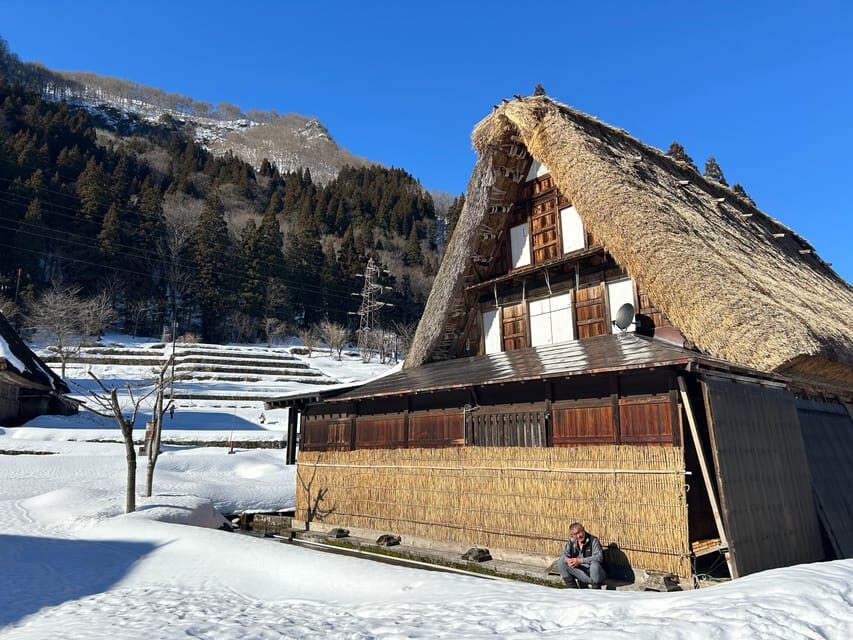
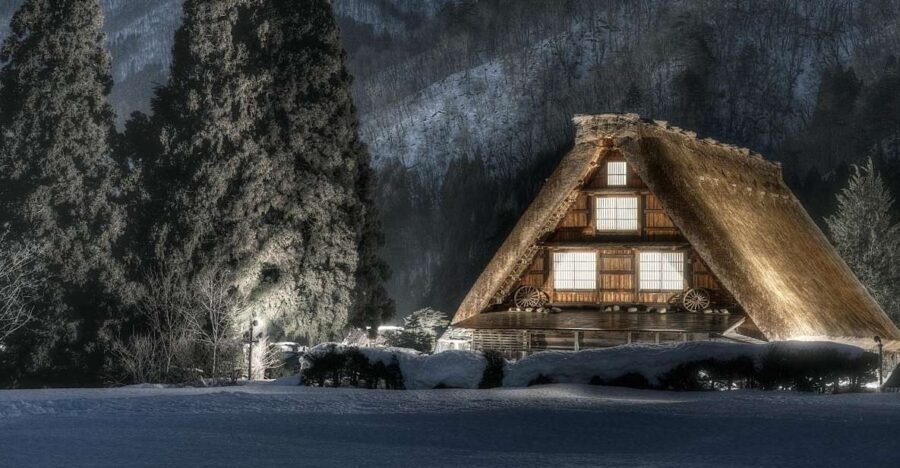
- Shirakawa-go gassho-zukuri: thatched roofs shaped like hands in prayer.
- Gokayama’s extra seclusion in Nanto, with homes said to be 300–400 years old.
- Takayama as the Japan Alps gateway plus Hida carpentry tradition and Hida beef.
- English-speaking driver/guide who can keep things moving and adjust pacing when needed.
- Best value for small groups: the price is per group up to 3 people, so it’s easier to justify together.
Kanazawa door-to-door pickup: the underrated comfort win
This is a private, one-day tour with hotel collection from your Kanazawa lobby in the morning. That alone changes the feel of the trip. Instead of you hauling luggage, timing bus connections, or guessing where to meet, you hand off the logistics to a driver/guide and focus on being out and looking.
You’re not stuck with a large group either. It’s a private group setup, so you can move at a human pace—pause for photos, take a slower look at a shop street, or ask questions without shouting over everyone else.
A few guide names come up in the experience you’re booking—people like Takeshi-san, Mai, Yuka, Jun, and Jorge are described as careful with pacing and comfortable in English. That matters in Japan, where a basic schedule can be fine, but clear explanations make the architecture and culture click fast.
Practical tip: wear shoes you can walk in for a few stretches. These towns involve uneven surfaces and some wandering between viewpoints and shop areas. Also bring a rain layer. Even if you start with clear skies, mountain weather can shift.
You can also read our reviews of more private tours in Kanazawa

Shirakawa-go: gassho-zukuri roofs, minka homes, and silk upstairs
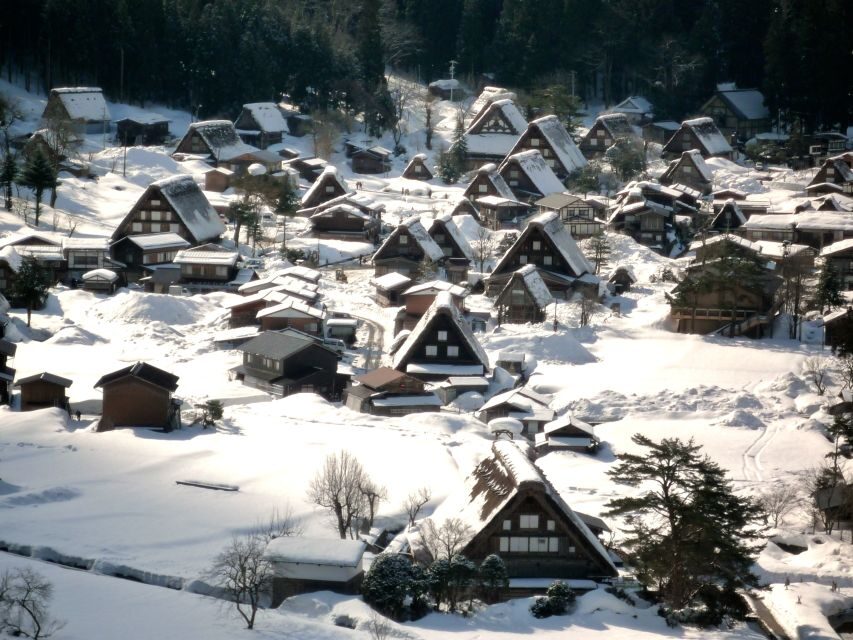
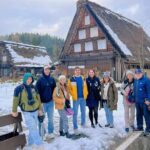
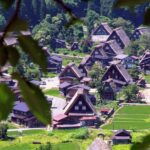
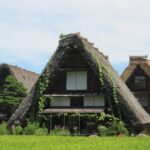
Shirakawa-go is the headline stop, and it’s easy to see why. This village is registered as a World Cultural Heritage site, famous for gassho-zukuri—traditional homes with peaked, thatched roofs that resemble two hands in prayer.
What I find most interesting is that these aren’t just “pretty buildings.” The design was built around life in a harsher climate and around work inside the house. The homes are described as minka, meaning non-samurai traditional houses. And in some homes, the upper floors were used for silk farming (sericulture). That space was needed for storing silkworms and mulberry leaves. So when you see those steep rooflines, you’re also seeing a structure that supported a specific way people earned a living.
How to get more out of your visit:
- Look at the roofline shapes from different angles. The “hands in prayer” look becomes clearer as you shift viewpoints.
- Pay attention to details that suggest working life, not just decoration—storage space, layout, and how the house functions.
- Take your time if the guide suggests small areas off the busiest path. With a private format, you don’t have to follow one single crowd flow.
Possible drawback here is time pressure. Shirakawa-go is popular, and the day’s schedule is designed to cover three places. If it’s busy (or rainy), you may have less “wander forever” time than you’d like. Still, with a guide coordinating transitions, you should be able to see the key village sights without turning it into a sprint.
Gokayama (Nanto): older homes, quieter pace, and a famous royal quote
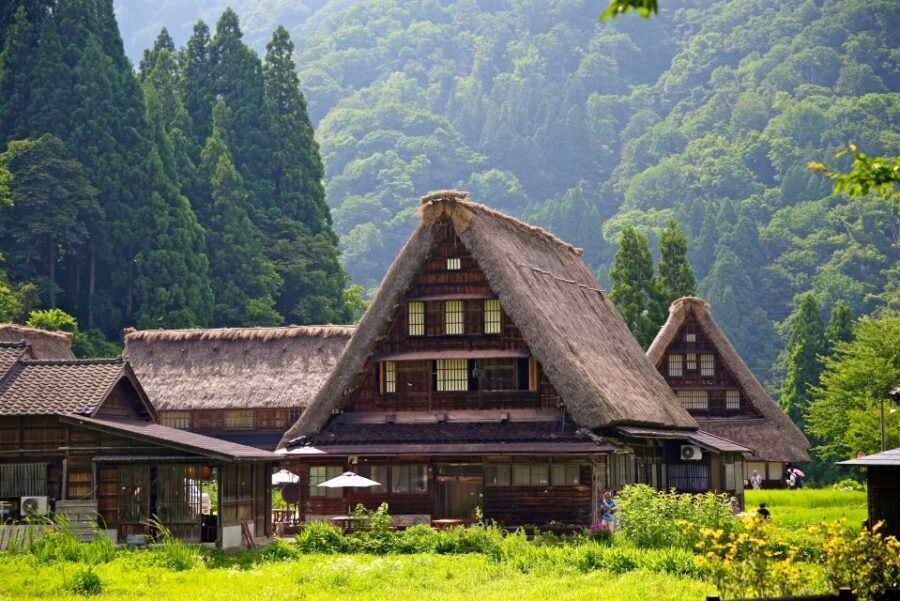
After Shirakawa-go, Gokayama feels like a calmer counterpoint. This World Heritage Site is in the city of Nanto, and it’s described as a village that was extremely secluded—modern development didn’t rush in the same way it did elsewhere. That’s a big part of the appeal.
Gokayama’s gassho hamlet includes wooden and thatched houses said to be over 300 years old, and some reaching around 400 years. In practice, that means the “old Japan” feeling isn’t only in a handful of museum-like spots. It’s in the lived-in rhythm of the hamlet.
Here’s a detail that adds weight to the experience: Prince Fumihito (Prince Akishino) is quoted saying that one of the three places he likes most in the world is Gokayama. That’s not just trivia. It reinforces that this place draws admiration for more than its postcard looks.
How this stop typically works best:
- Go in expecting fewer crowds and more atmosphere.
- Let the guide set a slower pace if there’s time. Gokayama rewards calm looking.
- Use this as your “breather” between the more attention-grabbing moments.
One consideration: because the entire tour is only one day and covers three destinations, your time at Gokayama can be shorter if conditions shift. Rain, traffic, and the need to protect Takayama time can all change the balance. If Gokayama is your priority, it’s worth going in with flexibility and trusting the guide to optimize the day.
Takayama: Japan Alps gateway, mountain-town culture, and Hida beef
Takayama is the third stop and the one that rounds out the day by showing how inland Japan grew its own identity. It’s described as the gateway to the Japan Alps and a storehouse of inland culture. It also developed into its current form in the 1500s, shaped by seclusion and high altitude.
What makes Takayama feel special in a practical way is its carpentry reputation. The tour info highlights that local carpenters worked on major national projects—Kyoto Imperial Palace plus important shrines, temples, and palaces. That’s not abstract. It’s a reason to pay attention to the town’s craft tradition as you walk.
You can also enjoy the town-life vibe: tradition views, local food, and a sense of being in the center of a real mountain community rather than only a heritage theme park.
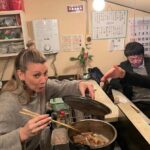
Food note (important): food on the day isn’t included. If you want Hida beef, plan to fit it into your Takayama time. The tour description specifically encourages trying Hida Beef, and it’s one of those “if you’re here, do it” choices—especially when you’re already spending a full day on the road.
If rain or timing makes things tight, Takayama often still works because you can focus on the core walking areas and meals without it turning into a lost day. This stop is also where a good guide can point you toward the right choices quickly, based on what you want (simple meal vs. sit-down vs. something quick).
Pacing and weather: how the day stays on track
This is a one-day tour, and that’s the defining factor in how it will feel. You’re moving between three areas in a single day, which means the schedule is always doing some balancing. The good news is that the private format gives the guide flexibility to adjust.
In real-world conditions, weather can be the biggest variable. Heavy rain can slow walking times and make outdoor village viewing harder. When that happens, a careful guide can shift the balance—for example, spending less time at one stop to protect the rest of the day. That’s the difference between a rigid bus day and a private car day.
So here’s my advice: don’t treat this tour like three separate half-day trips. Treat it like one organized outing. If you see the key sights and finish with time for Takayama food and strolling, that’s a win.
Bring:
- A light rain jacket or umbrella that works for wind (mountain weather can be moody).
- Comfortable shoes for uneven ground.
- A small snack or plan for snacks, since food isn’t included.
And mentally plan for “fast looking, then deeper looking when possible.” The guide’s job is to get you to the right place at the right time; your job is to stay flexible and ready.
Price and value: what $765 really buys (up to 3 people)
At $765 per group up to 3 people, this tour isn’t cheap. But the value question depends on how you’re traveling and what you hate more: paying for convenience or spending time managing transit.
Let’s do the simple math:
- If you fill the group to 3 people, it’s about $255 per person for a whole day with private transport and an English-speaking guide.
- If you have 1–2 people, the per-person cost climbs.
What you’re paying for is not only the ride. You’re paying for:
- Hotel lobby pickup and door-to-door coordination
- Private car transport between three rural/inland areas
- A guide who can explain what you’re seeing—gassho roof design, sericulture use, why these places stayed old
- Time-saving route management so you don’t lose hours to transfers
Not included: food. So you should budget for lunch and snacks separately. That’s normal for a private day trip, but it affects your “total trip cost” in a way you should factor in.
Where this price tends to feel most reasonable:
- Couples who hate logistics
- Small families (if everyone can manage walking)
- Anyone who wants three UNESCO-level stops without planning a complex day
Where it might feel less worth it:
- If you’re traveling solo and you could handle trains/buses comfortably
- If you prefer a slower pace and want to spend lots of time in only one village
Who this private tour fits best
This experience fits best if you want the region’s highlights without turning your day into a project. It’s a strong match for:
- First-time visitors to Kanazawa and central Japan who want the next steps to be easy
- People who value English explanations while they’re walking through places like Shirakawa-go and Takayama
- Small groups up to 3 who can split the group cost
It might not be the best fit if:
- You’re the type who wants hours and hours in just one town
- You’re very sensitive to time pressure on a single-day schedule
- You’re hoping for food to be fully handled (meals aren’t included)
For the right kind of traveler, though, the private car + door-to-door setup is the big win. It lets you spend your energy on looking and learning instead of mapping and waiting.
Final verdict: book it if convenience and structure matter
If you want Shirakawa-go, Gokayama, and Takayama in one organized day with an English-speaking driver/guide and Kanazawa hotel pickup, this private tour makes practical sense. The World Heritage depth is real: you’re not only seeing gassho roofs—you’re getting context about why those homes look and work the way they do, including the silk-farming use of upper floors.
Just go in knowing it’s a packed schedule. Weather and the day’s flow can change how long you stay at each stop. If you’re flexible, you’ll likely appreciate the efficient route and the smooth transitions.
FAQ
Do I get picked up from my Kanazawa hotel?
Yes. Pickup is available from your hotel lobby in Kanazawa on the morning of the tour.
Is this a private tour?
Yes. It’s a private group experience with a private car and a guide/driver.
How many people can be in the group?
The price is listed per group up to 3 people.
How long is the tour?
The duration is 1 day.
Is there an English-speaking guide?
Yes. The host/greeter is listed as English.
What sites are included in the day?
The tour covers Shirakawa-go, Gokayama, and Takayama.
What’s included in the price?
Included items are a private car, guide/driver, hotel collection, and a tour of Shirakawago, Gokayama, and Takayama.
Is food included?
No. Food on the day is not included.
Can I cancel for a full refund?
Yes. Free cancellation is available up to 24 hours in advance for a full refund.
Can I choose the time of departure?
The tour is 1 day, and you should check availability to see starting times.