REVIEW · KANAZAWA
Private Tailored Kanazawa Highlights Tour with a Local
Book on Viator →Operated by Lucy · Bookable on Viator
Kanazawa is best seen on foot, your way. This private half-day walking tour with Lucy is built around what you care about, with time to linger and ask questions. I like the way it mixes major sights (like Kenrokuen Garden) with everyday local flavor (Omicho Market), and I also like that two big-ticket stops are handled with included admission. The one thing to watch is simple: you’ll be walking for hours, and the tour doesn’t include food or drinks.
Lucy’s style comes through fast. The vibe is friendly and calm, and she can slow down when needed, which is a lifesaver if you’re traveling with an elderly relative or just prefer a less-rushed pace. You’ll also get insider tips that help you not just see places, but understand what you’re looking at.
One more practical note: most entry fees are free, but the tour only includes admissions for specific stops. If you’re traveling with a strict budget for snacks, you’ll want to plan ahead since food isn’t included, and the itinerary includes a market stop where you’ll likely want to sample.
In This Review
- Key things I’d plan for
- How this private walking tour stays flexible in Kanazawa
- Omicho Market: your easy start and local-food orientation
- Kanazawa Castle Park: Maeda clan stonework and simple good views
- Gyokusen-immaru Garden: a short pause that resets your feet
- Oyama Shrine: a gate with mixed styles and a local-feeling garden
- Nomura Family Samurai House: samurai life you can see with your own eyes
- Kenrokuen Garden: the included admission highlight that makes the day feel complete
- Higashi Chaya District and Kazuemachi Chayagai: preserved streets and river atmosphere
- Price and value: when $124.65 makes sense
- Timing, walking, and what you should wear
- Who this tour fits best
- Should you book Lucy’s Kanazawa highlights tour?
- FAQ
- FAQ
- How long is the Kanazawa highlights tour?
- Is this a private tour?
- Where does the tour start?
- Is hotel pickup available?
- Are entrance fees included?
- Does the tour include food or drinks?
- What’s included in the guide service?
- What if the weather is bad?
- What’s the payment or ticket method?
- When should I book?
Key things I’d plan for
- A tailored route built from your interests, not a one-size script
- Private time with Lucy, including unlimited questions and a flexible pace
- Two major admissions covered: Nomura Family Samurai House and Kenrokuen Garden
- A strong Kanazawa sampler menu: market, samurai home, gardens, and preserved chaya streets
- Hotel meet-up in the city center and a clear start point at Mister Donut
- Weather matters since it’s a walking tour with good-weather expectations
How this private walking tour stays flexible in Kanazawa
This isn’t a giant group bus-and-brief-stop situation. It’s a private walking tour, so you set the tempo with Lucy. You’ll start with a friendly conversation about what you want to see most, whether that’s samurai-era life, gardens, tea-house districts, food culture, or something more modern. Then the route aims to give you highlights plus the small details that make Kanazawa feel like Kanazawa.
The logistics are straightforward. You get a hotel meet-up in the city center, and the tour starts at Mister Donut Kanazawa Musashi Shop. It ends back at the same meeting point, so you don’t have to solve transportation puzzles at the finish line. There’s also a mobile ticket involved, which usually means less hassle on the day.
Duration runs about 4 to 7 hours. That range mostly reflects your walking pace and how much you choose to linger. In practice, the itinerary is weighted to real sightseeing time at places like Kenrokuen and the chaya districts, with shorter “recharge stops” at shrines and gardens.
You can also read our reviews of more private tours in Kanazawa


Omicho Market: your easy start and local-food orientation

Your tour begins at Omicho Market, often described as Kanazawa’s kitchen. It’s busy, covered, and packed with stalls and small restaurants under one roofline. The key detail here is scale: there are 180+ stalls, and you’ll see that variety in the time you’re there.
Why this stop matters: it gives you a feel for how Kanazawa shops and eats before you head into the quieter garden-and-samurai parts of the day. It’s also a great place for first photos, people-watching, and getting your bearings without needing to rush.
Plan for reality. The market stop is about 30 minutes, and admission is free. Food and drinks aren’t included, so if you want to snack, you’ll be paying out of pocket. If you’re picky about seafood or raw items, you might still find cooked bites, sweets, or drinks—but you’ll need to choose what fits your diet.
Possible drawback: it’s lively. If you dislike crowds, you’ll still get value from looking around, but this won’t feel like a quiet stroll.
Kanazawa Castle Park: Maeda clan stonework and simple good views
Next up is Kanazawa Castle Park, with its stone walls and elegant turrets. This is the spot where the tour shifts gears toward samurai legacy and the Maeda Clan story. Even if you don’t read Japanese signage in depth, the setting helps you understand the power structure: strong stone boundaries, formal park layouts, and the sense of a former stronghold.
You get about 40 minutes, and admission is free. That’s enough time to walk the perimeter areas and slow down for photos without feeling trapped. If you like architecture and fortification details, this is a solid early anchor point.
A small consideration: “park” can mean wide paths and some walking between viewpoint areas. Wear shoes you don’t mind using again later in the day, because you’ll still have gardens and chaya streets after this.
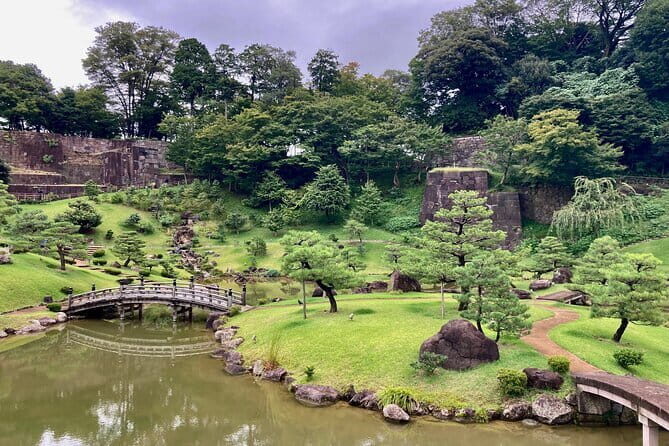
Gyokusen-immaru Garden: a short pause that resets your feet
Then you get a brief break at Gyokusen-immaru Garden. This is a traditional-style landscape garden stop, but the real value is the timing: about 15 minutes to cool down and reset before the shrine and samurai house.
Admission is free, and it’s quick enough that you won’t feel like you’re being rushed through. Still, it’s not a full “garden tour.” Think of it as a preview of the garden aesthetics you’ll see later at Kenrokuen—you’re learning the language of ponds, paths, and designed views at a smaller scale first.
If you’re traveling with someone who needs a slower schedule, this sort of short stop is a useful trick. It keeps energy up without losing momentum.
Oyama Shrine: a gate with mixed styles and a local-feeling garden

Your next stop is Oyama Shrine, about 20 minutes, free entry. One highlight is the entrance gate, described as mixing Japanese, Chinese, and Western elements. That blend is exactly why this kind of guided walk helps: you notice patterns and symbolism that you might skip if you were solo.
The shrine is also linked to a garden nicknamed as a music instrument garden. Even without deep backstory, the atmosphere tends to feel calm and local, and the shrine is described as one of the more popular ones for locals.
Practical tip: this is another area where shade and footing matter. If you’re walking in warmer months, you’ll appreciate the break from city streets. If it’s raining, this part could still be workable—though the tour overall needs good weather.


Nomura Family Samurai House: samurai life you can see with your own eyes
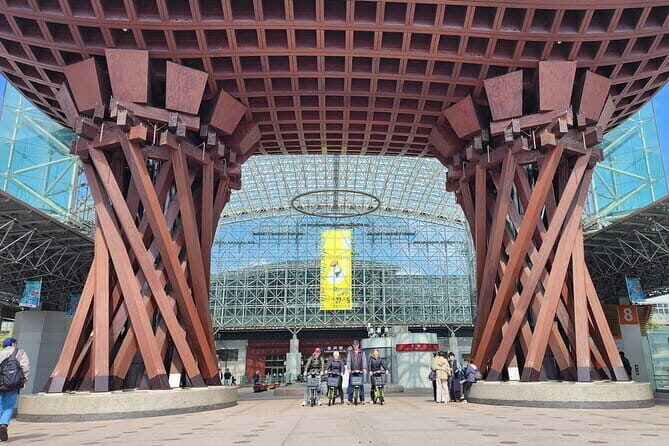
Now for the “how did people actually live?” stop: the Nomura Family Samurai House. You’ll spend about 30 minutes here, and admission is included.
This is where the day gets more human. A samurai home isn’t just a building; it’s daily routine, family space, and the boundary between public authority and private life. You’ll see how the residence is arranged and what details signal status and lifestyle.
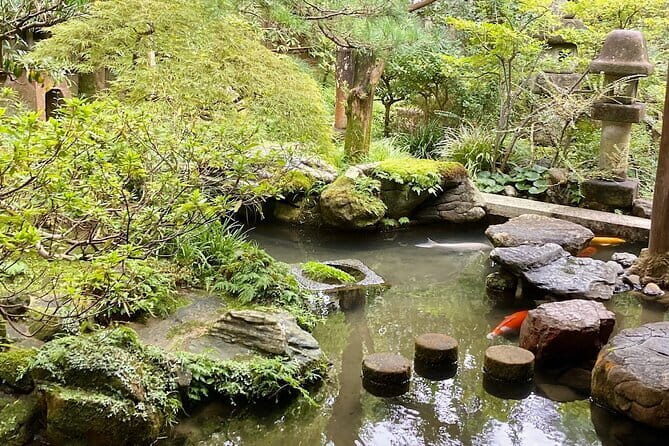
There’s also a private garden associated with the residence that was awarded 2 stars in the Michelin Green Guide. That doesn’t mean you should treat it like a restaurant review—it means the garden is regarded as especially well made and worth seeing in person.
Possible drawback: because it’s a ticketed inclusion, timing depends on the day. You won’t be stuck waiting long in typical conditions, but if you’re very photo-driven, you may wish you had extra time here. The tour gives you enough to get the big picture.
Kenrokuen Garden: the included admission highlight that makes the day feel complete
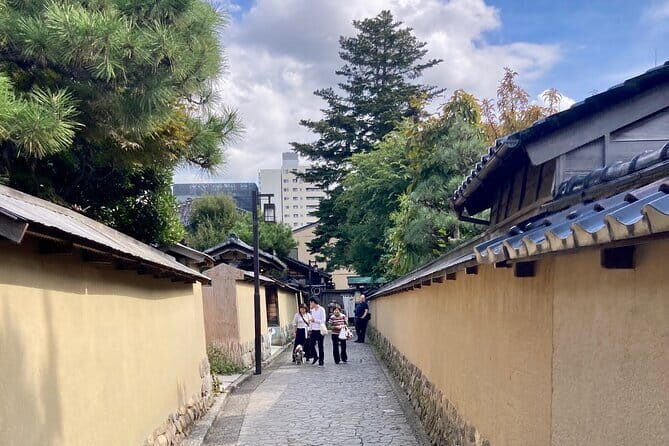
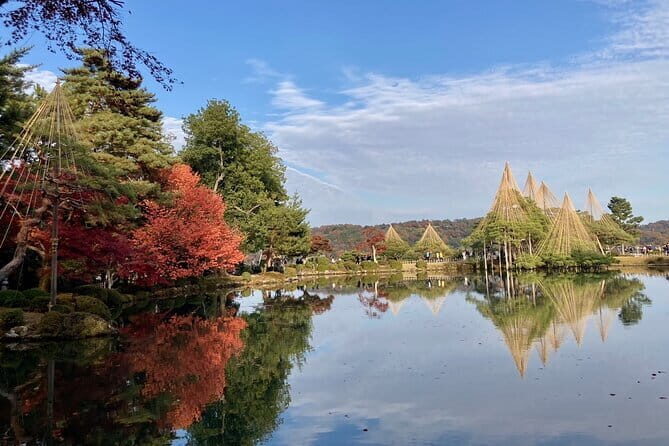
Your tour ends with Kenrokuen Garden, with about 1 hour allotted. Admission is included, and this is one of Japan’s most famous landscape gardens, known for seasonal beauty.
What you’ll actually notice in that hour:
- serene ponds
- meandering streams
- carefully maintained grounds
Even if you aren’t the type who plans gardens like an itinerary sport, Kenrokuen works because it’s designed for slow looking. With a guide, you also get help seeing what’s intentional—why a path bends where it does, what a view emphasizes, and how seasonal features tend to change the mood.
Since the time is fixed, this is a stop where you should pace yourself. If you spend too long on photos at the first strong viewpoint, you’ll feel rushed later. Ask Lucy which areas are best to prioritize first if you’re short on time or traveling with someone who tires easily.
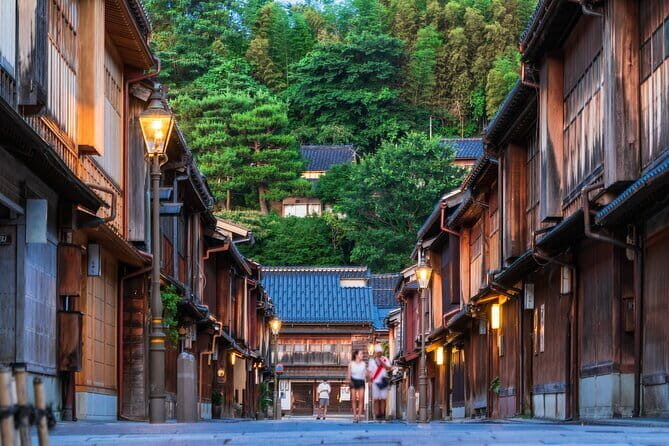
Higashi Chaya District and Kazuemachi Chayagai: preserved streets and river atmosphere
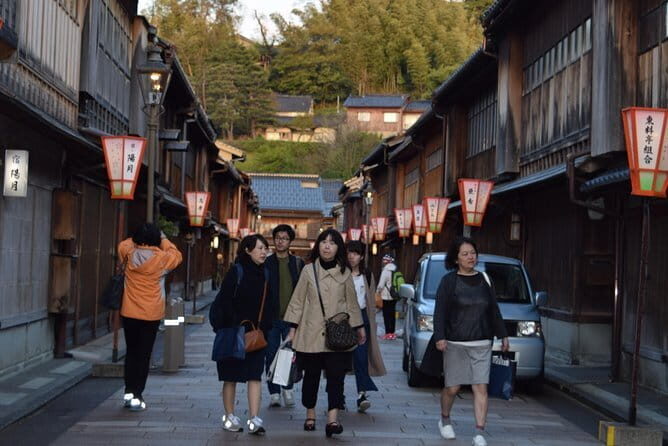
After Kenrokuen, you’ll shift into the preserved tea-house districts: Higashi Chaya District first (about 45 minutes) and then Kazuemachi Chayagai (about 15 minutes). Both are free to enter.
In Higashi Chaya, you’ll walk narrow cobblestone streets with beautifully preserved wooden tea houses and a timeless ambiance. This is the part of the day where Kanazawa feels like a period set, but you’re experiencing it at real pedestrian speed. The benefit of having a guide is simple: you’re more likely to notice the layout and what makes the area feel protected and intentional.
Then there’s Kazuemachi, a riverside geisha district along the Asano River. It’s shorter, but it changes the mood. Instead of just wood and street lanes, you get that sense of water and space. Even in 15 minutes, it helps your brain connect the city’s geography with its cultural spaces.
Practical note: these districts are often where you’ll want to pause for snacks, souvenirs, or just to catch your breath. Since food and drinks aren’t included, you’ll likely treat this as your “grab something on your own” window.
Price and value: when $124.65 makes sense
The price is $124.65 per person, with tours commonly booked about 5 days in advance. That price point only feels fair if you compare it to what you get: a private local guide, hotel meet-up in the city center, and included admissions for two major stops.
Here’s how I think about value for this tour:
- You’re paying for a private guide for several hours, which saves you the time cost of figuring out routes and meaning on your own.
- Two admissions are included: Nomura Family Samurai House and Kenrokuen Garden.
- Most other stops have free admission, which keeps your day from turning into a pay-at-the-door situation.
What you still pay for:
- food and drinks
- transportation fees if needed (the tour includes hotel meet-up, but it doesn’t promise extra paid transit)
- any entrance fees not listed as included
If you’re two people traveling together, the “private” part can feel especially worth it compared with splitting the cost of a self-guided day where you still have to buy tickets and do planning.
Timing, walking, and what you should wear
This is a walking tour with a flexible pace, but it isn’t a sit-and-look-from-a-bench experience. The itinerary adds up to a full half-day feel, often around 4+ hours, with multiple areas that involve moving between streets and gardens.
So pack like you’re going to be on your feet:
- comfortable walking shoes
- a light layer in cooler months
- water if you need it (since drinks aren’t included)
Weather is also part of the deal. The experience requires good weather. If it’s canceled due to poor conditions, you’re offered a different date or a full refund. That’s the sort of policy that matters because this is built for outdoors.
Who this tour fits best
I’d book this if you want a high-return day in Kanazawa without turning it into a stress-fest.
It’s especially well suited for:
- first-time Kanazawa visitors who want the main hits plus local-feeling context
- people who care about samurai-era life and gardens
- travelers who like asking lots of questions instead of speed-running sights
- families with mixed ages, since the guide’s pace can be adjusted and patience matters
If you’re someone who only wants one big attraction and wants the rest to be free time, you might feel a bit scheduled. But if you like structure plus flexibility, this hits the sweet spot.
Should you book Lucy’s Kanazawa highlights tour?
Yes, if you want a guided day where Kanazawa’s big names feel connected, not like separate checkboxes. The standout strength is the balance: market to castle to shrines to samurai home to Kenrokuen, then straight into the chaya districts. That flow makes the city make sense.
Skip it only if walking for several hours is a problem for you, or if your budget needs food and drinks handled by the tour price. Also consider your pace preferences: even though the tour is flexible, the itinerary is still designed around walking between key areas.
If you’re deciding between doing everything solo and hiring a guide, I’d choose this when you value meaning as much as photos. Kenrokuen and the samurai house aren’t just places to look; they’re places to understand, and Lucy’s approach is built for that.
FAQ
FAQ
How long is the Kanazawa highlights tour?
It runs about 4 to 7 hours.
Is this a private tour?
Yes. It’s private, and only your group participates.
Where does the tour start?
The meeting point is Mister Donut Kanazawa Musashi Shop in Kanazawa. The tour ends back at the same meeting point.
Is hotel pickup available?
Yes. There is a hotel meet-up in the city center.
Are entrance fees included?
Entrance fees are included for the Nomura Family Samurai House and Kenrokuen Garden. Other stops listed are free admission.
Does the tour include food or drinks?
No. Food and drinks are not included.
What’s included in the guide service?
You get a private, knowledgable local guide, a flexible customisable walking tour with highlights and insider tips, plus suggestions to make the most of your stay in Kanazawa.
What if the weather is bad?
The experience requires good weather. If canceled due to poor weather, you’ll be offered a different date or a full refund.
What’s the payment or ticket method?
A mobile ticket is included.
When should I book?
On average, this is booked about 5 days in advance, and confirmation is received at the time of booking.