REVIEW · KANAZAWA
Gokayama and Shirakawago (UNESCO Heritage) Small Group(Max 9)
Book on Viator →Operated by Kanazawa Tours · Bookable on Viator
A quick day, deep in the mountains. This small-group route from Kanazawa takes you to Suganuma and Iwase House first, then finishes with UNESCO-listed Shirakawago—all at a calmer pace than the big-bus scramble. The whole point is rural Japan beyond the day-trip crowd.
What I like most is the way this tour builds real variety in just 6.5 hours: you get a chance to see Suganuma’s gassho-zukuri village atmosphere and then step into the preserved Iwase Family home. Another big win is the human factor—guides like Masahiro, Takeshi, and Ku (Kumiko Mitsuhata) show up with solid English, stories, and a light touch that keeps the day moving.
One thing to keep in mind: this is weather-dependent mountain sightseeing, and the schedule is tight enough that you’ll want sturdy shoes and a good attitude toward early mornings. Also, bottled water is not included, so plan on carrying a refill-ready bottle.
In This Review
- Key reasons this day trip works
- Gokayama vs Shirakawago: Two UNESCO vibes, one calm itinerary
- Pickup from Kanazawa: the simple 7-Eleven meeting point
- Suganuma Gassho Community: timing, roofs, and the quiet wow
- Iwase Family House: the preserved home stop that adds meaning
- Shirakawago UNESCO village: the headline visit, done human-style
- Lunch and the little details that make the day smoother
- Price check: what you’re really paying for at $65.15
- Pace, timing, and what to wear (so you enjoy the walk)
- What kind of person should book this?
- Should you book this tour or DIY it?
- FAQ
- FAQ
- What is the starting point for this tour?
- What time does the tour begin?
- How long is the tour?
- How large is the group?
- What places do you visit?
- Is entrance fees included?
- What about lunch and drinks?
- Is this tour ticketless or mobile-friendly?
- Do you need good weather for it to run?
- Can I cancel for free?
- Are service animals allowed?
Key reasons this day trip works
- Max 9 people keeps the stops relaxed and conversation possible
- Suganuma + Iwase House adds context that many Shirakawago-only plans skip
- UNESCO Shirakawago is still the star, but you won’t feel trapped in a crowd
- Entrance fees + lunch included, so your day cost is easier to predict
- Group photos shared after the tour means fewer solo-photo struggles
Gokayama vs Shirakawago: Two UNESCO vibes, one calm itinerary
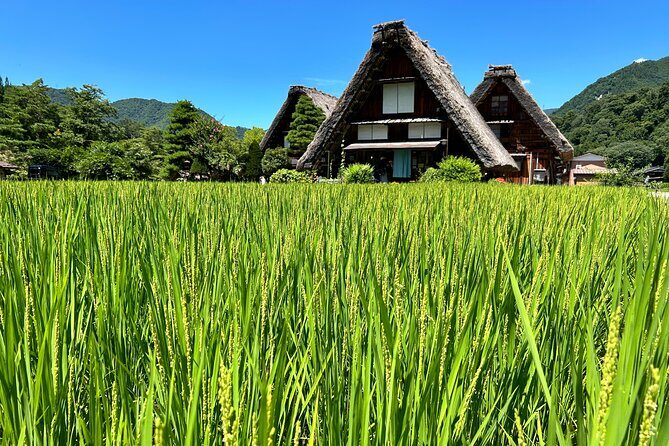
It helps to know this: you’re not just visiting one famous village. You’re comparing two related mountain communities with different levels of fame and different rhythms on the ground.
Shirakawago is the name most people recognize. It’s UNESCO, it’s photogenic, and it can get busy, especially when tour buses arrive in waves. The trick on this tour is that you see Gokayama areas first, when your timing is often better and the mood feels more local and less staged.
Then there’s the Iwase House stop—short, focused, and easy to miss on generic day trips. You’re not wandering for hours trying to decode a place. You’re getting a direct look at how a once-prominent family preserved a home in its original condition. That makes the later UNESCO visit feel less like sightseeing and more like understanding.
If you want “Japan photos,” you’ll get them. But if you want a little more meaning, the order and the added house visit are what do it.
You can also read our reviews of more historical tours in Kanazawa
Pickup from Kanazawa: the simple 7-Eleven meeting point
This is a day trip that starts with an easy, recognizable rendezvous: meet at the 7-Eleven by JR Kanazawa Station (the tour ends back at the same place). With that setup, you’re not hunting across town or timing the day around complicated transfers.
The start time is 8:00 am, and the tour runs about 6 hours 30 minutes. That timing matters. You get daylight for photos, and you’re back before the evening traffic chaos can turn your plans into guesswork.
Also: the tour uses a mobile ticket, which is convenient if you’re trying to keep your travel days paper-light. Just make sure your phone battery doesn’t die before pickup—Japan days have a way of turning you into a compulsive photo-taker.
And yes, it’s small-group by design. With a maximum of 9 people, you’re less likely to feel like you’re being herded. Your guide can actually look at the group and manage timing without shouting over 40 other people.
Suganuma Gassho Community: timing, roofs, and the quiet wow
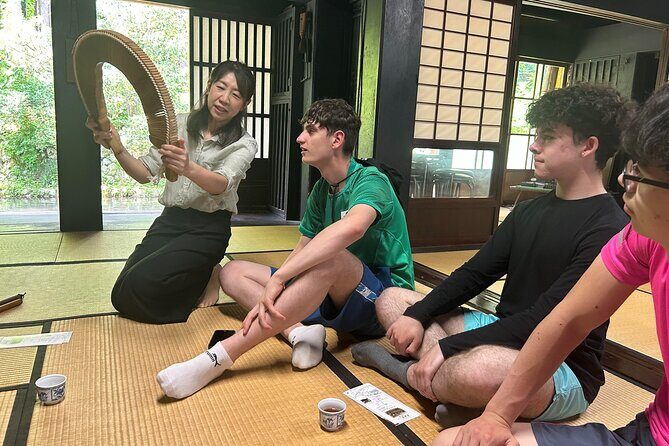
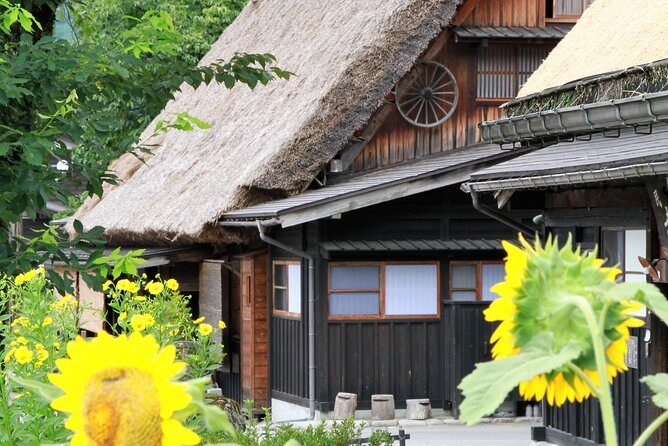
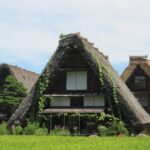
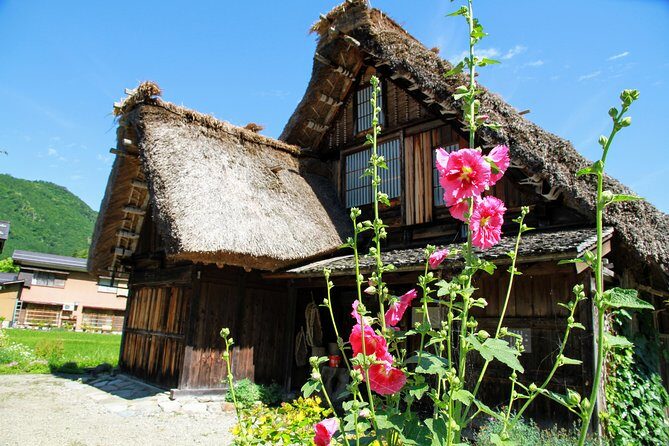
Your first real stop is Suganuma Gassho Community, where you’ll have about 1 hour. That’s enough time to get your bearings, walk through the village streets, and notice the details that make gassho-zukuri houses so distinctive—steep thatched roofs built to handle heavy snowfall.
Here’s the practical part: one hour sounds short until you realize the village isn’t a place you just race through. The charm is in slow glances—roof lines, narrow lanes, the way the homes sit within the mountain setting. If you’re with a group, you’ll also benefit from knowing what to look for, which saves you from wandering like a confused character in a movie.
In the best moments of this stop, it feels less like a checklist and more like stepping into a quiet corner of rural life. One of the strongest theme notes from the tour experience is that people often prefer Gokayama for feeling more authentic and less crowded than the headline UNESCO stop. Even if you love Shirakawago too, Suganuma is where that advantage starts to show.
Possible drawback: because this is a small village, crowds can still happen depending on the day. If you’re especially sensitive to bus-tour energy, go slower in the lanes and spend a bit more time near the quieter edges rather than clustering at the most famous viewing spots.
Iwase Family House: the preserved home stop that adds meaning
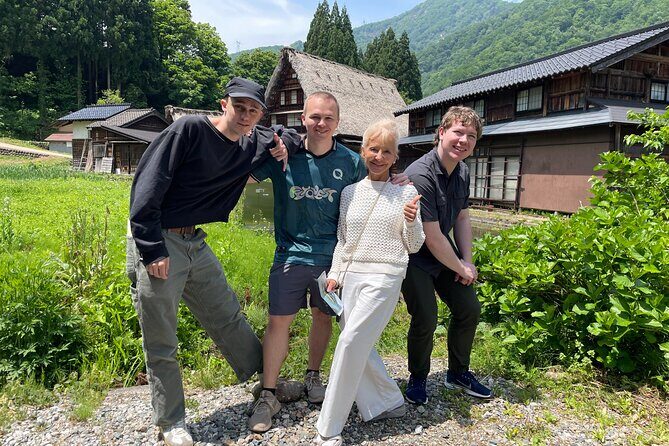
After Suganuma, you visit the Iwase family house for about 45 minutes. This is the stop that changes the whole feel of the day trip.
A lot of big-name Shirakawago experiences focus on the village scenery. Here, you get a direct look at a family home that remains intact in its original condition. That matters because it connects the dramatic rooflines to real domestic life. You’re not only admiring architecture; you’re seeing the result of how people lived and carried on traditions over time.
Think of it like adding a “why” to the “what.” When you understand what you’re looking at—how and why a home was preserved—it makes the UNESCO visit later feel less repetitive. Instead of roof, photo, walk, repeat, you get a more coherent story.
This stop is also perfectly paced. Forty-five minutes is usually long enough to tour the house area without feeling stuck. If you’re someone who likes architecture, family heritage, or plain old curious details, this is likely your favorite moment of the day.
Practical tip: dress for walking, but also for potentially cooler indoor areas. Even in warmer months, rural mountain villages can feel different from the city.
Shirakawago UNESCO village: the headline visit, done human-style
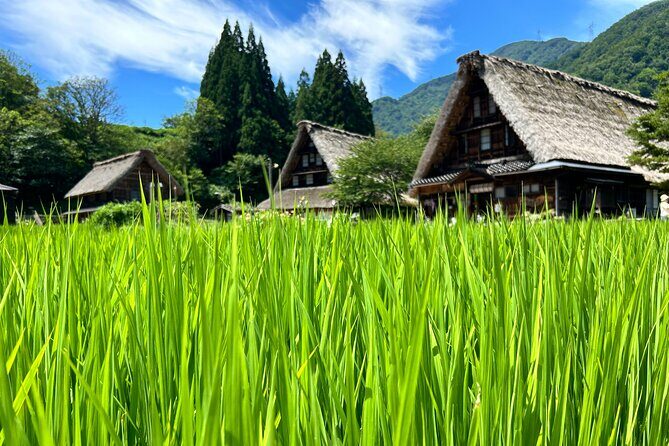
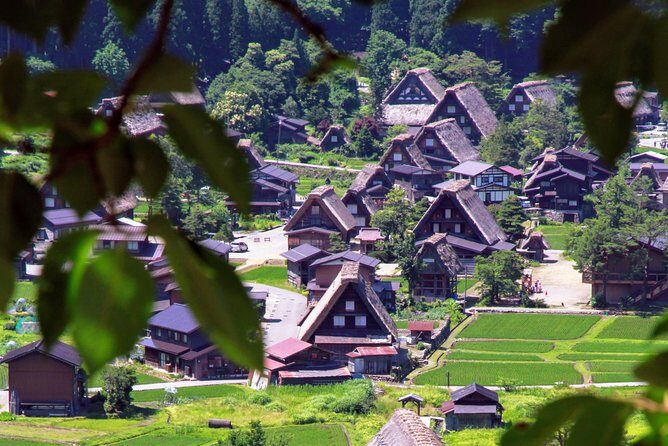
Then you arrive at Shirakawago, with about 1 hour 30 minutes on site. This is your big UNESCO moment: classic white and dark-wood buildings, steep thatched roofs, and the kind of scenery that earns its reputation.
Still, the tour structure helps. Because you’re not starting here first, you’re often less trapped in the peak crowd pattern that hits later in the day. The guide’s job is also more effective in a group this size—timing, route suggestions, and photo moments happen with less chaos.
You’ll likely want to do three things during your 90 minutes:
- Take a few wide photos early so you don’t feel rushed later
- Find a quiet lane or edge area instead of only standing in the busiest spot
- Save a little time for wandering without a checklist
Shirakawago can be busy, and it’s still worth it. Just don’t expect a private museum experience. What you’re paying for here is the balance: the UNESCO village, plus an approach that keeps you moving with purpose.
And if you love autumn scenes, you’ll appreciate the timing potential. One review note specifically called out perfect fall colors, which can make this stop even more memorable.



Lunch and the little details that make the day smoother
The tour includes lunch, plus entrance fees at the houses and locations. That’s a real value point, because those costs add up fast when you’re booking your own transport and tickets. You’re not solving logistics all day—you’re following a clear plan.
Lunch is included, but bottled water is not. That’s not a big deal, but it’s exactly the kind of small miss that turns into an overpriced convenience store stop later. Bring your own bottle or plan for a small purchase.
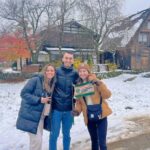
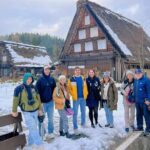
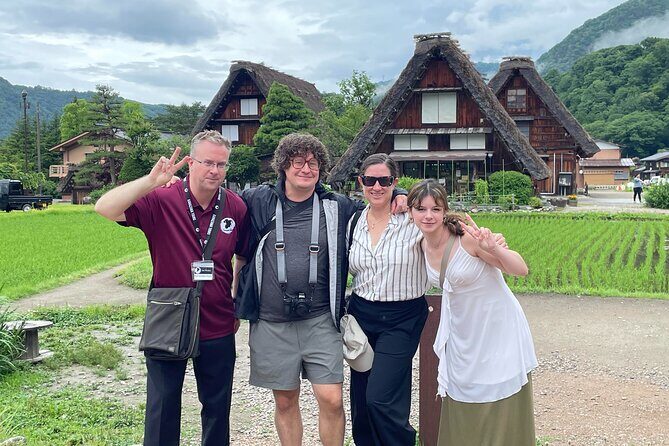
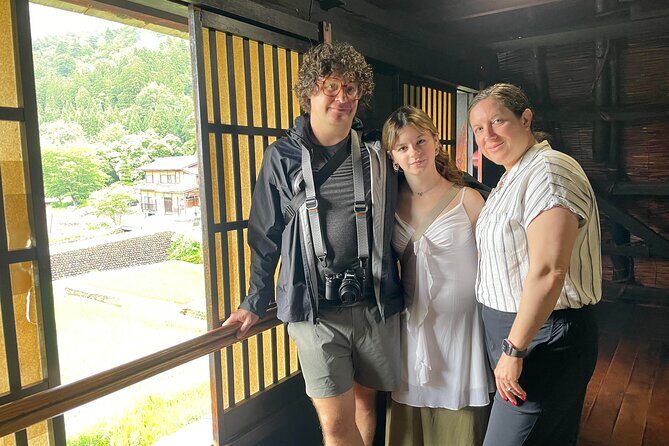
You also get group photos shared after the tour. It’s a small thing, but it’s helpful. Instead of everyone playing camera roulette for every other photo, you can let the guide handle the group shots and spend your energy on the scenery.
Guides also help keep the day fun. Names that came up strongly in the experiences include Mr. Masahiro, who’s described as excellent in English with a great sense of humor, Takeshi, praised for the information he shared during the village visits and for the ride to and from, and Ku (Kumiko Mitsuhata), noted for warmth and friendliness. That blend of clear English and friendly energy is a big part of why this feels like more than just transportation.
Price check: what you’re really paying for at $65.15
At $65.15 per person, this isn’t an ultra-cheap option, but it also isn’t a premium splurge. The value comes from bundling the stuff that typically costs you time and money when you DIY.
You’re getting:
- A professional certified guide
- Entrance fees to houses and locations
- Lunch included
- A small-group format (max 9 people)
- Group photo sharing
When you add up guide time plus admissions plus lunch, the price starts to make sense. The big “soft value” is the small group size. With fewer people, you can ask questions and get more specific answers instead of nodding politely while the group is hustled forward.
Also, the tour is described as mobile-ticket-based, so it’s set up for a smoother arrival day. That matters when you’ve already got trains to think about and you don’t want to waste time.
One more value angle: the route includes stops that are often left out of basic Shirakawago-only plans. If you care about seeing more than the headline location, that added breadth justifies the cost.
Pace, timing, and what to wear (so you enjoy the walk)
This tour is about 6 hours 30 minutes. It feels like a single day, but the rhythm is structured: pickup, then stops with clear visit windows, then back to Kanazawa.
What that means for you: wear comfortable shoes. The walking is not described as extreme, but village paths and indoor house floors can still make slick or uncomfortable footwear a problem.
Bring layers. Mountain areas can shift in temperature as the morning progresses, and even short stops can feel cooler if there’s shade or cloud cover. If rain or poor weather moves in, the tour can be affected—this experience requires good weather, and if it’s canceled due to poor conditions, you’ll be offered a different date or a full refund.
Also, start time is early enough that breakfast matters. If you’re coming off an overnight train or a busy morning, grabbing a solid breakfast near the station before 8:00 am can save you from feeling cranky later.
What kind of person should book this?
This is a good match if you:
- Want UNESCO sights, but you’d rather not spend the day squeezed in with tour groups
- Care about cultural context, not only photos
- Appreciate an included lunch and a guide who makes the route understandable
- Like the idea of Gokayama feeling more authentic and quieter than the famous stop
It’s also a solid choice if you’re traveling with limited time from Kanazawa. A day trip lets you get multiple distinct villages without turning your itinerary into a logistics puzzle.
If you’re the type who wants total freedom to wander without timing, you might feel slightly constrained by the scheduled stop lengths. But for most people, the structure keeps the day enjoyable.
Should you book this tour or DIY it?
If your goal is to maximize learning and reduce hassle, this tour is a strong option. The inclusion of Iwase House and the structured visit to Suganuma first make it more than a simple Shirakawago transfer.
DIY can work if you’re comfortable planning transport, buying tickets, and building your own schedule across rural mountain areas. But with only about 6.5 hours, DIY tends to turn into timing stress. Paying for the guide and bundled entry fees can protect your day from turning into a math problem.
The small-group format is the tipping point for many people. When you’re not surrounded by a crowd, you have a better chance of enjoying the villages at a human pace.
If weather is a major concern for your dates, book with awareness that conditions can affect operations. But the good news is that if it’s canceled due to poor weather, you’ll be offered another date or a full refund.
FAQ
FAQ
What is the starting point for this tour?
The tour starts at 7-Eleven near JR Kanazawa Station in Kanazawa, Japan. It also ends back at the same meeting point.
What time does the tour begin?
The start time is 8:00 am.
How long is the tour?
The duration is about 6 hours 30 minutes.
How large is the group?
The group size has a maximum of 9 travelers.
What places do you visit?
You visit Suganuma Gassho Community, Iwase Family (the family house), and Shirakawago (the UNESCO village).
Is entrance fees included?
Yes. Entrance fees to houses and locations are included.
What about lunch and drinks?
Lunch is included, but bottled water is not included.
Is this tour ticketless or mobile-friendly?
Yes, it uses a mobile ticket.
Do you need good weather for it to run?
Yes. This experience requires good weather. If it’s canceled due to poor weather, you’ll be offered a different date or a full refund.
Can I cancel for free?
Yes. Free cancellation is available up to 24 hours in advance of the experience start time for a full refund.
Are service animals allowed?
Service animals are allowed.