Beat Tokyo crowds with an early start. This private morning route stacks iconic stops from Shibuya Crossing to Senso-ji.
I like the private pace and the fact you’re not just herded through. I also like that admission fees to temples and shrines are included, so you can focus on photos and wandering instead of ticket math.
One thing to plan for: this is a walking-first tour that uses public transport, and you’ll need comfy shoes and a moderate fitness level. If you’re late, you can’t join and there’s no refund.
In This Review
- Key Things That Make This Tour Worth Your Morning
- Why This Early-Morning Tokyo Route Actually Feels Easier
- Meeting at Hachiko and Getting to Asakusa on Schedule
- Shibuya Crossing First: Photos Before the Crowd Wave
- Meiji Jingu Shrine: A Forest Pause in the City Core
- Takeshita Street in Harajuku: Youth Culture, Quick Bites, and Photos
- Kanda Shrine: A Short Stop That Adds Meaning
- Akihabara and the Electric-Town Feel
- Ameyoko Shopping Street: Snacks, Souvenirs, and Old Market Energy
- Senso-ji in Asakusa: Ending at Tokyo’s Classic Temple
- Guide Style That Makes a Big Difference in Five Hours
- Price and Value: What $97.22 Buys You (and What It Doesn’t)
- Who This Tour Fits Best
- Should You Book This Private Tokyo Early Morning Tour?
- FAQ
- FAQ
- How long is the private Tokyo early morning tour?
- Is this tour private, or will I share it with strangers?
- What stops are included on the route?
- Are temple and shrine admission fees included?
- How much is the public transportation fare?
- Does the tour include food and drinks?
- Are professional photos included?
- Can I cancel for a full refund?
Key Things That Make This Tour Worth Your Morning
- Shibuya Crossing early: catch big landmark photos before the heaviest crush
- English-speaking guide who can reroute: you’ll spend less time asking and more time seeing
- Meiji Jingu Shrine on a schedule: a quiet forest reset in the middle of the city
- A youth-culture chain: Harajuku, then Akihabara, then Ameyoko for variety in one sweep
- Professional photos included: the guide helps you get great shots at each key moment
- Private group time: just your party, not a packed meet-and-go with strangers
Why This Early-Morning Tokyo Route Actually Feels Easier
Tokyo is fun, but it can be exhausting when you’re doing it solo during peak hours. This tour is built around the simple idea of going early, then moving steadily through big-name areas before the day fully turns on.
You get a guided plan that hits multiple neighborhoods in about five hours, without you having to figure out transport timing or where to stand for photos. The payoff is you’ll check off classic Tokyo landmarks while the city still feels manageable.
You can also read our reviews of more guided tours in Tokyo

Meeting at Hachiko and Getting to Asakusa on Schedule
The tour starts at the Hachiko Statue in Shibuya (2 Chome-1 Dogenzaka, Shibuya). You’ll finish at the Tokyo Cruise Asakusa Pier in Asakusa (1-chōme-1-1 Hanakawado, Taito City).
That start-to-finish flow matters. By the time you’re done, you’re positioned in Asakusa, a great place to continue with dinner or a bit more sightseeing. If Tokyo Skytree is on your list, it’s noted as nearby, and you’ll be in the right part of town to tack it on.
Logistics to take seriously: this is a walking experience using public transportation, and you need a moderate fitness level. Also, the operator notes that if you’re late for the meeting time, you won’t be able to join and won’t receive a refund. In practice, that means you should pad your morning and build in a little extra buffer.
Shibuya Crossing First: Photos Before the Crowd Wave
You begin at Shibuya, then the first major stop is Shibuya Crossing right by Shibuya Station. The scramble crossing is one of the busiest pedestrian crossings in the world, and the tour gives you about 20 minutes there.
Why start here? Timing. Early morning usually means fewer people and less crowd shuffle, which makes photography easier and navigation smoother. You can also slow down at the edges of the crossing and let the guide point out good moments to capture the scene.
What to keep in mind: even early, Shibuya Crossing is still famous. Expect some movement and noise. If you hate busy streets, you’ll want to plan your photos quickly and focus on the experience rather than trying to make it feel quiet.
Meiji Jingu Shrine: A Forest Pause in the City Core
After Shibuya’s motion, you head to Meiji Jingu Shrine, with about one hour on-site. This Shinto shrine is dedicated to Emperor Meiji and Empress Shoken, and it sits in a lush forest in the heart of Tokyo.
This stop is your mental reset. Tokyo can feel nonstop, so having a shrine in the middle of the morning is a relief, especially when you’re mixing modern neighborhoods with traditional places. You’ll get a real change of pace: more shade, more stillness, and fewer shopping streets pushing for your attention.
A practical note: since the day mixes walking and transitions, you’ll likely enjoy having a full hour here. It gives you time to slow down, look around, and catch photos without feeling rushed back into the crowds.
Takeshita Street in Harajuku: Youth Culture, Quick Bites, and Photos
Next up is Takeshita Street in Harajuku for around 20 minutes. It’s known for trendy fashion, unique boutiques, and colorful sweets, and it’s often treated as a hub of Japanese youth culture.
This is a short stop by design, and that’s not a flaw. Takeshita Street is visually loud and fun, but it can also be packed. With only about 20 minutes, you get the flavor without losing the rest of your morning to crowd management.
If you’re shopping, arrive with a light plan. You’ll likely spend more time browsing small shops and snack stalls than you think. If your budget is tight, it helps to set one or two items you’ll look for, then enjoy the rest without turning it into a long decision marathon.
You can also read our reviews of more private tours in Tokyo

Kanda Shrine: A Short Stop That Adds Meaning
Then you shift to Kanda Shrine (also known as Kanda Myojin) for about 20 minutes. It’s a historic Shinto shrine in Tokyo that enshrines deities of prosperity and protection. It’s popular with businesspeople and also has a following among anime fans.
This quick timing works because it breaks the day into clear sections. After Harajuku’s fashion energy and Akihabara’s electronics vibe later on, a shrine stop gives you a different kind of attention: quieter, more reflective, and easy to appreciate even if you’re not a hardcore temple person.
Given it’s only 20 minutes, set your expectations as a brief visit rather than a long ceremony-focused experience. Use it to enjoy the atmosphere and get a few photos, then let the guide move you on.
Akihabara and the Electric-Town Feel
You’ll spend about 30 minutes in Akihabara, often called Tokyo’s electric town. This area is known for anime, gaming, and electronics, with tons of shops for gadgets, collectibles, and otaku goods. Maid cafés are also part of the area’s culture.
Akihabara is a place where you can lose an hour without trying. That’s why the tour’s 30-minute window is useful. You get a sample: enough time to walk through streets, spot your interests, and leave without burning half your day.
If you want to buy something, do it early in your Akihabara time. Electronics and collectibles can invite comparison-shopping, and 30 minutes disappears fast once you start checking details.
Also, since this is a walking tour with multiple neighborhoods packed in, you don’t want to start Akihabara with sore feet. Stretch lightly on transitions, then let the stop be fun rather than tiring.
Ameyoko Shopping Street: Snacks, Souvenirs, and Old Market Energy
After Akihabara, the tour continues to Ameyoko Shopping Street (Ameya-Yokocho) in Ueno for about 20 minutes. It’s described as once a black market after World War II and now a busy shopping street with fresh seafood, snacks, clothing, and souvenirs.
This is one of those stops that helps your morning feel real, not just sightseeing. It adds everyday Tokyo texture. Even if you don’t buy much, it’s a sensory stop: food smells, snack stalls, and a lot of casual street-level commerce.
A key consideration: food and drinks are not included on this tour. If Ameyoko is on your route, you might want to budget for a snack or plan what you want to try. If you skip eating during the tour, you’ll still have dinner options ready once you’re in Asakusa.
Senso-ji in Asakusa: Ending at Tokyo’s Classic Temple
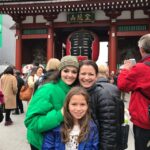
Your final stop is Senso-ji Temple in Asakusa for about one hour. It’s Tokyo’s oldest and most famous Buddhist temple, founded in the 7th century. It’s known for the Kaminarimon Gate and Nakamise Street, lined with traditional shops.
Ending here is smart. You get your biggest iconic finish right as the tour wraps, and you’ll be in a neighborhood where you can keep exploring on your own afterward. The tour ends at the Asakusa cruise pier area, and that puts you in easy reach of more food, more strolling, and even a possible Skytree add-on.
One practical tip: Nakamise Street is shop-lined, which means it can be tempting to keep walking inside the shopping lanes even after your hour is up. If you want photos of the temple complex, plan to spend a little time early in your Senso-ji hour, then enjoy shopping later so you don’t feel rushed at the end.
Guide Style That Makes a Big Difference in Five Hours
This is a private tour, and that matters more than people think. You’re not competing with a crowd for the next photo spot, and you can move at a pace that fits your group.
The English-speaking guide is local and energetic, and one name you may see connected with positive feedback is Yukou. The overall impression is that Yukou helps keep the day moving, explains what you’re looking at, and makes it easier to know what to do at each stop, especially when you’re jumping between modern districts and shrine-and-temple areas.
You’ll also get professional photos taken during the tour. That’s a big value add because it reduces your reliance on self-timers and awkward arm-length shots at iconic places like Shibuya Crossing and Senso-ji. You can focus on looking and photographing, and let the guide handle the timing and positioning.
Price and Value: What $97.22 Buys You (and What It Doesn’t)
The price is $97.22 per person for about five hours. That can look steep until you break down what’s included.
What you get for your money:
- A passionate local English-speaking guide
- Admission fees for temples and shrines (so you don’t pay extra at multiple stops)
- Professional photos taken during the tour
- A private group format with efficient route planning across major areas
What’s not included:
- Public transportation fare of ¥900 per person
- Food and drinks
So the value question becomes simple. If you were planning to visit Meiji Jingu and Senso-ji anyway and wanted a guided plan to compress Shibuya/Harajuku/Akihabara/Ameyoko into one morning, this tour often makes sense. If you already have a strict itinerary you love and you’re comfortable using transit on your own, you could replicate parts of it. But you would be giving up the coordination, photo help, and multi-site admissions coverage.
One more practical note: the tour is typically booked around 13 days in advance on average. That’s a decent sign to plan ahead, especially if your trip dates are fixed and you prefer a specific early-morning slot.
Who This Tour Fits Best
I think this tour is a strong match for first-time visitors who want a well-organized highlights sweep. You’ll also like it if you enjoy photos, want temple and shrine time without searching for tickets, and prefer the comfort of having someone guide you through navigation and pacing.
It’s also a good choice if you’re traveling as a small private group and want flexibility without booking a dozen separate activities. Group discounts are listed as a feature, so if you’re splitting costs with friends or family, it can get more attractive.
Where it may not fit:
- If you want long, slow time at one neighborhood (this is spread across several stops)
- If walking and transit changes are hard for you
- If you need food included, since meals aren’t part of the package
Should You Book This Private Tokyo Early Morning Tour?
If your goal is to see major Tokyo landmarks efficiently and avoid peak crowds, this tour hits that goal directly. The early start plus temple/shrine entry inclusion plus photo support is a very practical combination for a first Tokyo visit.
I’d book it if you want structure, great photo moments, and a smooth handoff into Asakusa at the end. I’d skip it if you’re staying flexible enough to build your own route, or if you’d rather linger in one area for hours instead of sampling many.
FAQ
FAQ
How long is the private Tokyo early morning tour?
It runs for about 5 hours.
Is this tour private, or will I share it with strangers?
It’s a private tour/activity, so only your group participates.
What stops are included on the route?
The tour includes Shibuya Crossing, Meiji Jingu Shrine, Takeshita Street, Kanda Shrine, Akihabara, Ameyoko Shopping Street, and Senso-ji Temple.
Are temple and shrine admission fees included?
Yes. Admission fees for all temples and shrines are included.
How much is the public transportation fare?
Public transportation fare is listed as ¥900.00 per person, and it is not included.
Does the tour include food and drinks?
No. Food and drinks are not included.
Are professional photos included?
Yes. Professional photos are taken during the tour.
Can I cancel for a full refund?
Yes. You can cancel up to 24 hours in advance for a full refund.