REVIEW · OSAKA
2-Day Bus Tour to Shirakawago & Hida No Sato Winter Illumination
Book on Viator →Operated by H.I.S.Co., Ltd. · Bookable on Viator
Winter turns Japan into a lantern story. This 2-day bus trip from Osaka mixes Shirakawa-go in snow with the Hida no Sato winter light-up and ends with a hotel stay that includes a rooftop open-air hot spring view of the Alps. It’s a strong choice when you want winter sights, real local rhythm, and less hassle than DIY.
I really like the balance of hands-on and iconic stops. The Omi beef sushi-making break at Sekigahara-cho adds a do-something moment, and the guides I met on similar departures—like Sir Julien and Tamy—bring a calm, attentive style that keeps the day moving smoothly.
One thing to watch: the winter schedule is tight. You’ll have limited time for the evening lights, so if you want slow wandering and lots of photos without rushing, plan your pace carefully.
In This Review
- Key highlights worth your time
- Osaka morning meet-up and the long winter bus ride
- Sekigahara-cho: Omi beef sushi making that breaks up the travel day
- Shirakawa-go in winter: Gassho Zukuri Village walks
- Hida no Sato light-up festival: short time, big atmosphere
- Takayama hotel stay: rooftop open-air onsen with Alps views
- Day 2 begins at Miyagawa morning market: souvenirs and local energy
- Takayama Jinya: Edo-era government atmosphere in one focused stop
- Sanmachi Suji: Hida Takayama old town stroll (and your lunch break)
- Hida Bussankan: a focused shopping stop with local products
- Price and value: what $318.68 buys in real terms
- Guide and driver quality: the difference between a trip and a chore
- Who should book this winter bus tour
- Should you book this tour?
- FAQ
- FAQ
- What’s the meeting point and start time?
- Where does the tour end?
- How long is the tour?
- Is there a mobile ticket?
- What meals are included?
- What admissions are covered?
- Is the hotel close to train access?
- How big is the group?
- Can dietary restrictions be accommodated?
Key highlights worth your time
- Hands-on Omi beef sushi making at Sekigahara-cho, not just passive sightseeing
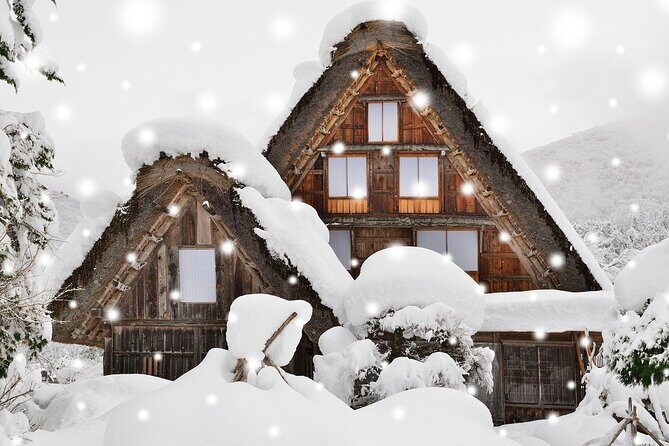
- Gassho Zukuri Village in winter at Shirakawa-go, a UNESCO World Heritage Site
- Hida no Sato night light-up for a proper after-dark winter atmosphere
- Rooftop open-air hot spring with Alps views, built into your Day 1 evening
- Takayama Jinya from the Edo period, one of Japan’s rare surviving governor/magistrate offices
- Small-group feel: the tour max is 40, and some departures run in very small mini-bus setups
Osaka morning meet-up and the long winter bus ride
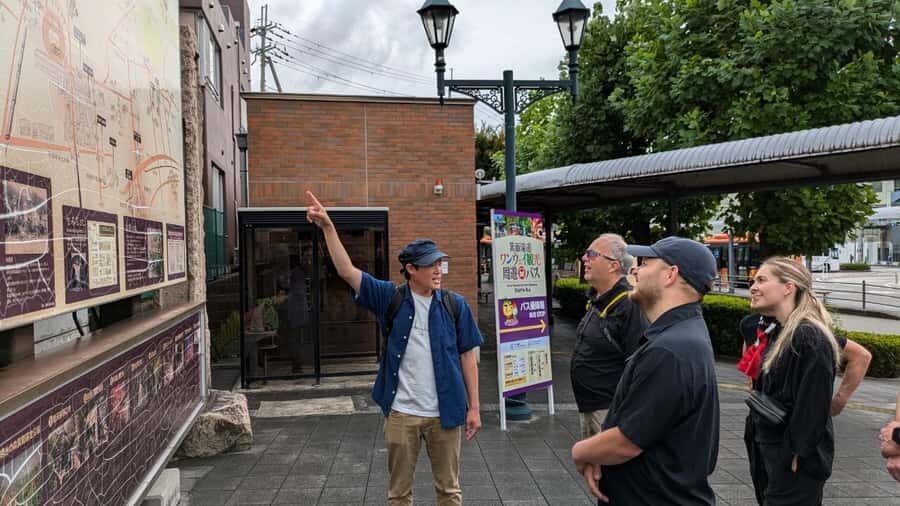
Your trip starts in Osaka at 8:30 am, meeting in front of the Mainichi News Paper Building (3-chōme-4-5 Umeda, Kita Ward). You’ll want to arrive about 15 minutes early so you’re not rushing in cold air with winter bags and camera straps.
From there, you’re on a tour bus headed toward Gifu Prefecture. The drive is about 2.5 hours, and that’s actually part of the value. Winter roads and connections can be fiddly. This route is built for you to relax in air-conditioned comfort while the day’s big stops line up on the other side.
If you’re the type who hates wasting daylight, this early start helps. You get to arrive in the Hida region with enough time to walk, shop, and still enjoy the evening lights on Day 1.
A few more Osaka tours and experiences worth a look
Sekigahara-cho: Omi beef sushi making that breaks up the travel day
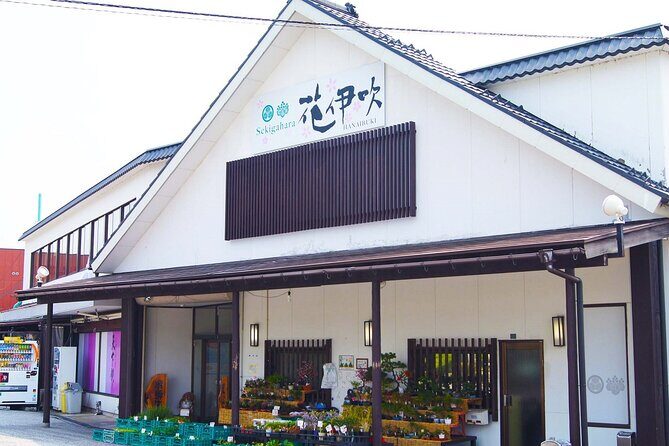
Midday (in the Sekigahara-cho area), the tour gives you a lunch-time slot at Sekigahara Hanaibuki, plus an included hands-on experience: making Omi beef sushi.
This is the kind of stop that works better than another photo spot. Cooking tasks make the day feel personal, and you’re learning a technique instead of simply watching someone else do it. It’s also a nice break from the colder, outdoor-heavy sightseeing later.
Practical tip: come ready to eat. This is not a quick snack stop. You’ll be doing the experience first, then lunch is part of the schedule, so plan your appetite accordingly and avoid overpacking snacks that will just get cold on the bus.
Shirakawa-go in winter: Gassho Zukuri Village walks
Shirakawa-go is the postcard moment for a reason. You’ll step into winter at the Gassho Zukuri Village, a UNESCO World Heritage Site known for its thatched-roof houses shaped like hands held together in prayer.
Your time here is about 1.5 hours. In winter, that’s a good length if you use it well: walk the main lanes for the iconic views, then slow down for close details on the roofs and street layout. Snow changes everything. Even when the village looks quiet, the atmosphere feels lived-in, not staged.
A consideration: winter footing matters. Surfaces can be icy or slick. Wear shoes you trust, and keep your steps short on turns. The sights are worth it, but your safety is more important than that perfect photo angle.
Also, you’re doing multiple walking segments over two days. If you’re sensitive to cold feet, you’ll be happier with thicker socks and a warm layer you can keep on during transfers.
Hida no Sato light-up festival: short time, big atmosphere
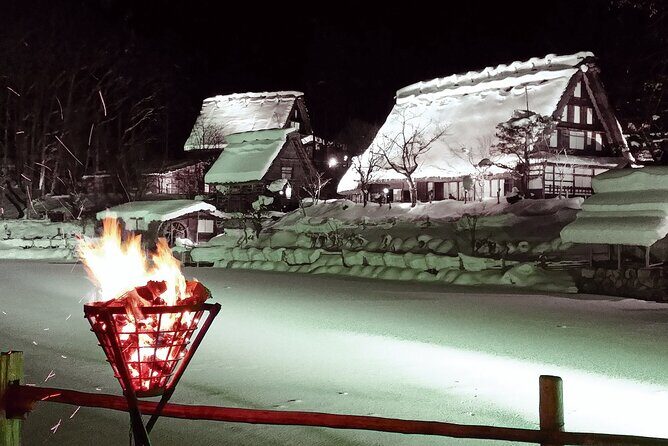
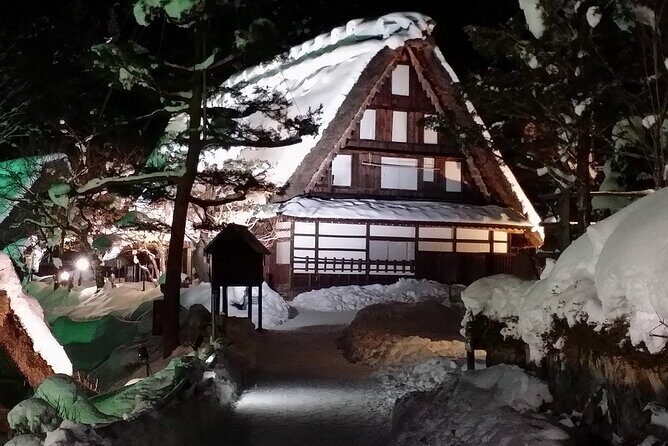
Once night falls, Hida no Sato becomes the night show. This is an included event stop where the village transforms into a luminous winter scene.
You’ll have about 45 minutes. That sounds brief until you realize the evening lighting works best when you don’t overthink it. You arrive after dark, walk through the lit lanes, and let the visual rhythm do its job.
Why I like this stop: it’s not just bright lights. It’s a walk through shadow and glow, with winter village architecture creating the mood. You get that surreal winter feeling that you usually have to chase on your own at extra cost and extra transit planning.
Possible drawback: if you’re someone who wants to linger and keep photographing for a long time, 45 minutes may feel rushed. My advice is to choose your priorities before you step inside—decide where you want your first photos, and then keep moving so you catch multiple corners instead of getting stuck at one view.
Takayama hotel stay: rooftop open-air onsen with Alps views
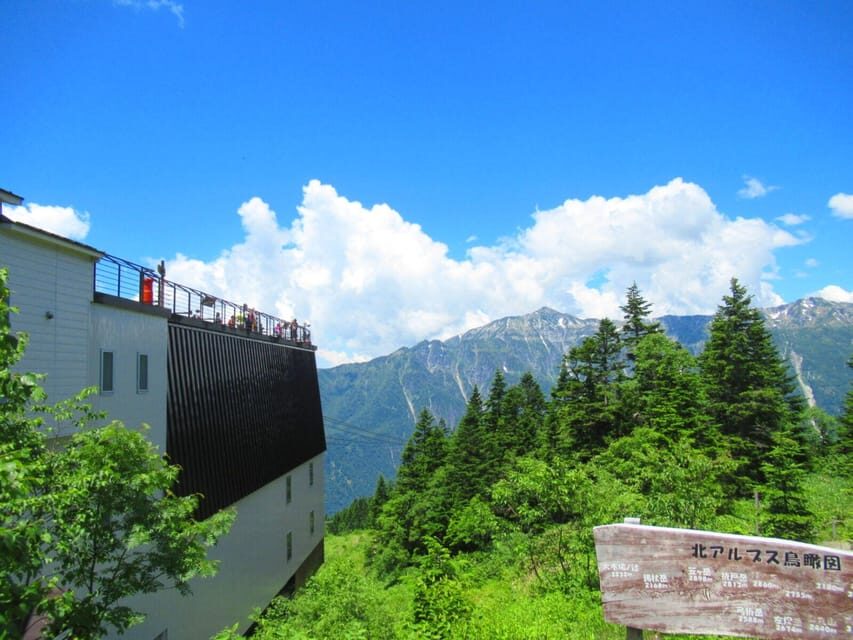
Day 1 ends with arrival at the hotel around 19:15. You’ll then get kaiseki cuisine and relax. The big win here is the rooftop open-air hot spring experience with views of the Alps.
After a winter day of walking (and those cool bus transfers), soaking in open air is the kind of recovery that makes the trip feel complete. Even better, the hotel location is convenient: it’s about a 5-minute walk from JR Takayama Station. That matters because it keeps your evening from feeling like a transit puzzle.
Practical note: dinner is included as part of the Day 1 schedule (kaiseki). Breakfast is included for Day 2, but lunches on Day 2 are on your own. If you’re planning what to eat, keep that in mind so you don’t arrive hungry at the afternoon stroll.
Also, pack like you’ll use the onsen. Winter means damp clothes. Having a plan for your swimwear/towel items makes the hotel part of the trip much easier.
A few more Osaka tours and experiences worth a look
Day 2 begins at Miyagawa morning market: souvenirs and local energy
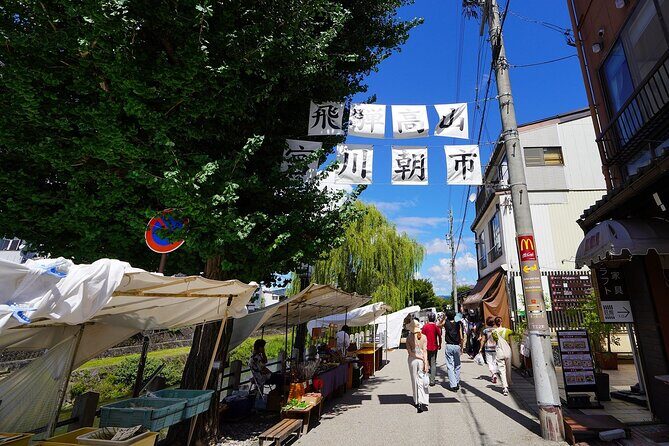
After departure around 9:00 am, you head to the Hida-Takayama Miyagawa Morning Market for about 1 hour 15 minutes.
This is a practical stop for two reasons. First, it’s a quick way to buy small gifts without needing extra detours. Second, markets are how you learn what locals actually eat and carry home in a short time window.
Your tour time here is short but useful. You can sample what you want, pick up small souvenirs, and still leave energy for the older streets later.
If you’re photographing, go early. Morning light and active stall life make for better pictures than late-day stillness. Just remember that walking in winter still takes energy—keep your pace comfortable.
Takayama Jinya: Edo-era government atmosphere in one focused stop
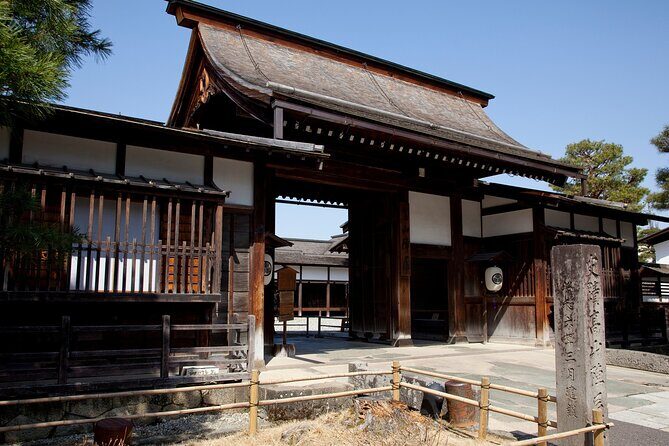
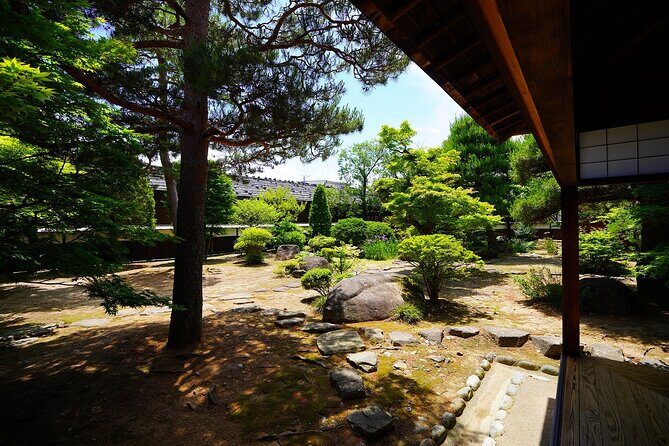
Next is Takayama Jinya, the provincial governor and magistrate’s office building that still exists in Japan. You’ll spend about 30 minutes here, and you’ll be able to slow down and appreciate the Edo-period atmosphere.
I like this stop because it’s not a theme park version of old Japan. It’s an administrative site, so the focus is on how the region ran, what authority looked like, and how buildings were used beyond simple tourism.
This is also a good counterbalance to the outdoor winter scenes. After so much snowy walking, a sheltered indoor/exhibit stop helps your body warm up without turning the day into a museum slog.
Sanmachi Suji: Hida Takayama old town stroll (and your lunch break)
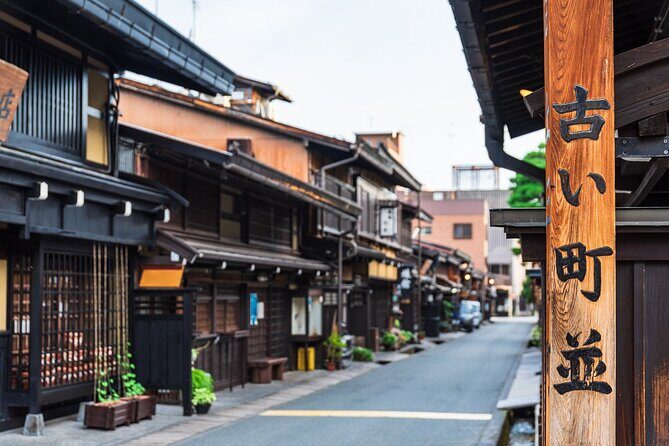
Then it’s the classic old-town walk: Sanmachi Suji for about 2 hours. You’ll stroll the preserved streets in Hida Takayama Old Town.
This is where you slow down and let the details do the work: street layout, shop fronts, and the overall look of a region that survived multiple eras. Two hours gives you enough time to wander without feeling like you’re stuck in a line.
You’ll take lunch on your own during this segment. That’s a flexibility win. You can choose what fits your taste and budget instead of being locked into one group meal. The downside is you need to decide quickly once the day is moving, so have a simple plan—pick a couple places you’d be happy with before you sit down.
My practical advice: don’t wait until you’re starving. In winter, you can get cold fast, and quick lunch becomes your best comfort choice.
Hida Bussankan: a focused shopping stop with local products
After Sanmachi Suji, you’ll visit Hida Bussankan for about 50 minutes. This is a museum/shop setup aimed at finding keepsakes and gifts tied to the Hida Takayama area.
I think this is the right size stop: long enough to browse, short enough that it doesn’t drag your afternoon. If you want a one-stop place to bring something home, it’s efficient.
This is also a good last-choice stop for gifts if you’re picky. You can compare items in one room instead of scattering your shopping across multiple streets.
If you’re trying to travel light, set a weight limit in your head. It’s easy to buy more than planned when everything looks handmade and winter-perfect.
Price and value: what $318.68 buys in real terms
At $318.68 per person, the price isn’t just about buses and checkmarks. You’re paying for a tight package that includes:
- One night of accommodation
- Breakfast on Day 2 and kaiseki cuisine on Day 1
- Licensed tour guide
- Air-conditioned vehicle and bottled water each day
- Key admissions: Hida no Sato light-up and Takayama Jinya
- The scheduled lunches you’re assigned during the itinerary (including lunch on Day 1)
So the value comes from reducing decision fatigue. In winter, getting between Osaka, Shirakawa-go, and Takayama is the hard part. This tour handles the routing, timing, and guide translation so you spend energy on enjoying the places.
Also, the small-group feel helps. The reviews highlight spacious mini-bus conditions on some departures (for example, an 8-person group on a 16-seater), plus guide and driver service that feels personal. That’s the kind of difference you feel most when the schedule gets real on winter roads.
Guide and driver quality: the difference between a trip and a chore
The most consistently praised part is service. Guides like Sir Julien and Tamy are described as approachable and attentive, keeping the day clear and well paced. Drivers are highlighted as on time and problem-solving when needed, including help recovering items left behind.
That matters more than people expect. When you’re far from home and everything is in a new language, minor glitches can turn into big stress. A guide who stays calm makes your whole schedule easier to trust.
You’re also in a group of up to 40, which means you get structure without feeling like you’re swallowed by chaos.
Who should book this winter bus tour
I’d steer you toward this tour if you:
- Want winter illumination and don’t want to plan night logistics
- Like a mix of outdoor walking and one or two guided cultural stops
- Appreciate a package that includes hotel and meals, not just sightseeing
- Are traveling solo, as a couple, or with friends/family and want the schedule handled
This tour might be less ideal if you:
- Want lots of free time at each stop to wander without time pressure
- Dislike early starts and tight evening timing
- Need a very flexible lunch plan on Day 2 (since lunch is on your own during Sanmachi Suji)
Should you book this tour?
If you want the winter highlights of Shirakawa-go and Takayama without the stress of transit and timing, I’d book it. The mix is well balanced: a hands-on food moment, a UNESCO winter village, a true night light-up, plus a rooftop onsen reset at the end of Day 1.
Make your decision based on your comfort with schedules. If you’re okay moving efficiently through key sights and using your free time wisely, this is a strong value way to experience the Hida region in winter. If you prefer slow, unstructured roaming, consider whether the 2-day structure and short light-up window will feel too tight.
FAQ
FAQ
What’s the meeting point and start time?
You meet at the Mainichi News Paper Building (3-chōme-4-5 Umeda, Kita Ward, Osaka) at 8:30 am. It’s best to arrive about 15 minutes early.
Where does the tour end?
The activity ends back at the meeting point in Osaka.
How long is the tour?
It’s a 2-day bus tour, with the overall duration described as approximately 2 days.
Is there a mobile ticket?
Yes. The tour includes a mobile ticket.
What meals are included?
Lunch is included (Day 1), breakfast is included (Day 2), and dinner on Day 1 is included as part of the hotel kaiseki. Lunch on Day 2 is not included, and dinner on Day 1 and Day 2 is listed as not included overall (with Day 1 kaiseki provided by the itinerary’s hotel stop).
What admissions are covered?
Admission fees are included for the Hida no sato Light up festival and for Takayama Jinya.
Is the hotel close to train access?
Yes. The hotel is about a 5-minute walk from JR Takayama Station.
How big is the group?
The tour has a maximum of 40 travelers.
Can dietary restrictions be accommodated?
Yes. The tour states it can accommodate dietary restrictions such as vegetarian, as long as you indicate your needs when booking.