REVIEW · TOKYO
1-Day trip: Mt Fuji + Kawaguchi Lake area
Book on GetYourGuide →Operated by Karyu Inc · Bookable on GetYourGuide
A single day near Mount Fuji can feel like a whole reset. This private trip takes you to the Lake Kawaguchi area, with time built in for the kind of stops you actually want. I love the idea of picking between lakeside scenery, viewpoints, and indoor breaks, instead of being stuck on one rigid path.
What I like most is the 100% customized flow, where you chat with your driver before you leave and communicate again during the day. I also really appreciate that you’re not navigating transport alone: you get a dedicated, English-speaking driver and private air-conditioned vehicle, plus parking and tolls handled.
One consideration: Mount Fuji visibility is weather-dependent, so you’ll want to stay flexible. Also, the day is long (10 hours), and extra time costs 7,000 JPY per hour if you go beyond the planned window.
In This Review
- Key takeaways before you go
- From Tokyo to Lake Kawaguchi: the day’s backbone
- Planning your route: how the customization really works
- Oishi Park and the Kawaguchi lakeside: seasonal color time
- Arakurayama Sengen Park and Chureito Pagoda: a change of scenery
- Mt Fuji Panorama Ropeway: a new angle on the same day
- Lake Kawaguchi Cruise: the “slow down” option
- Museums and indoor options: Music Forest and Itchiku Kubota
- Fuji-Q Highland and Narusawa Ice Cave: thrills and chill
- Transportation, timing, and what the $539 price really covers
- Weather and Mt Fuji: how to keep the day from feeling ruined
- Who this 1-day private Mount Fuji + Kawaguchi tour suits best
- Should you book this day trip?
- FAQ
- FAQ
- How long is the Mt Fuji + Kawaguchi Lake trip?
- Is pickup available in Tokyo?
- How far is it from Tokyo to Lake Kawaguchi?
- What attractions are included in the standard options?
- Are entry fees included?
- Are food and drinks included?
- What happens if Mount Fuji isn’t clear due to weather?
- Can I cancel and get a refund?
Key takeaways before you go
- 100% private, pick your mix of stops based on your preferences during the planning chat
- Hotel pickup plus in-Tokyo shuttle option, with a prearranged meeting time using your hotel address
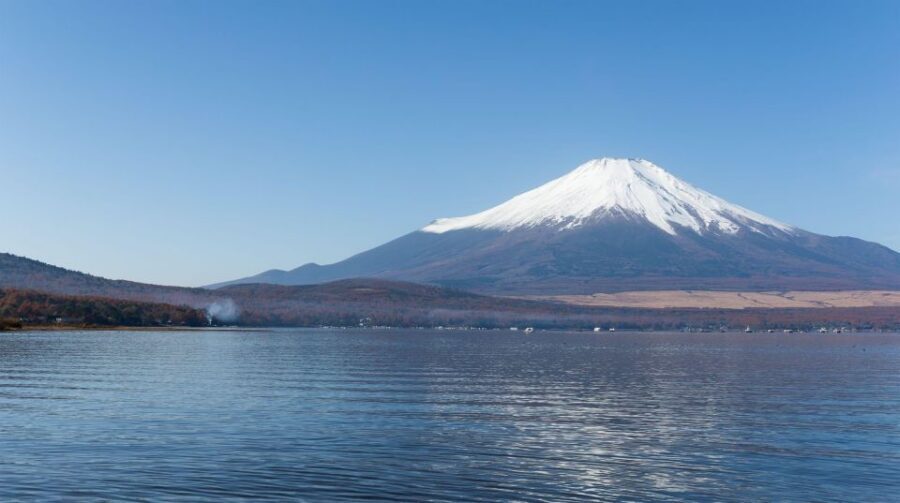
- Seasonal flower time at Oishi Park near Lake Kawaguchi when the colors are right
- Big variety of options including parks, a ropeway, a cruise, museums, and even an ice cave
- Weather can change the day since Mt Fuji may not be clear
- Clear cost boundaries: entry fees and food/drinks are on you, overtime is 7,000 JPY/hour
From Tokyo to Lake Kawaguchi: the day’s backbone

This is a one-day format, which means timing matters more than anything else. The one-way drive from Tokyo to Lake Kawaguchi is about 2 hours, so you’re building the day around that travel block. The upside is simple: you get out of the city and back without needing an overnight plan, but you still get real time in the Fuji area rather than a quick photo stop and dash.
In Tokyo, the experience includes a free in-city shuttle service. You prearrange a meeting time and share your hotel address, so you’re not guessing where to find the car. Once you’re picked up, you’re in a private, air-conditioned vehicle for the day, with an English-speaking driver (and the overall provider lists Chinese and Japanese support too). That language piece matters here because you’ll be making choices during the trip, not just listening to a monologue.
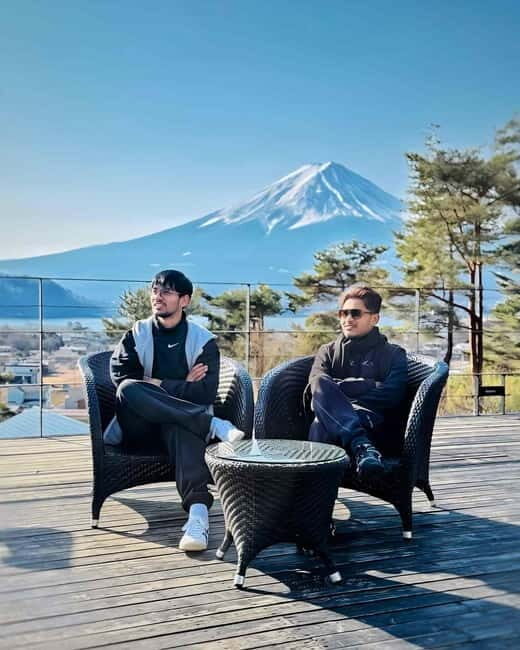
Schedule flexibility is built into the experience, but not unlimited. Traffic can shift the timing, so it’s smart to go in with a short list of priorities (your must-dos) and a second list (nice-to-dos). Mt Fuji may also be hazy due to weather, which is not something anyone can control. If the sky cooperates, you’re in for that classic Fuji backdrop. If it doesn’t, you’ll still have plenty to do in parks, museums, and nature-style stops.
A few more Tokyo tours and experiences worth a look



Planning your route: how the customization really works
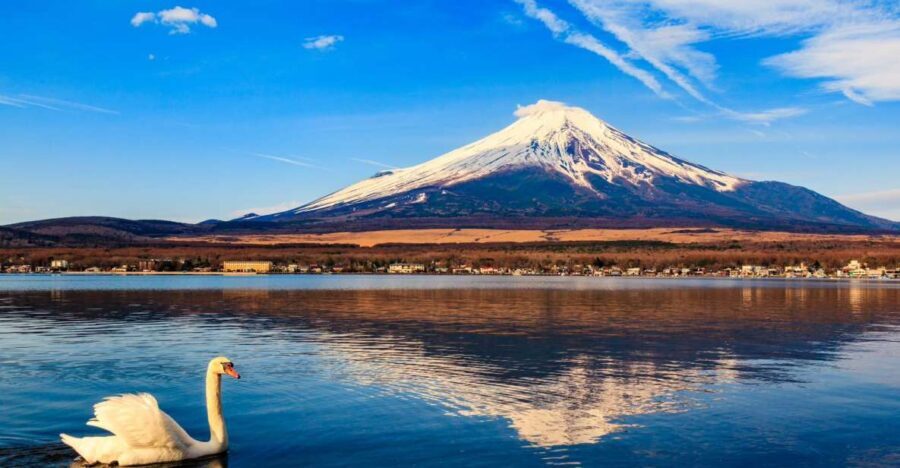
The day runs as a conversation, not a fixed script. Before departure, you’ll discuss which attractions you want to visit and get recommendations based on your preferences. Then, on the day itself, you can communicate with the driver to customize further as you go.
This matters because the standard options span very different vibes. You can lean scenic and outdoorsy, or you can shift toward indoor museums and caves if the weather turns. You can also match the pace to your group. Even within a private tour, people move at different speeds—one couple wants photos and strolls; another family wants attractions and quick stops. This format lets you steer.
Think of it like this: your driver acts as the day’s traffic controller and decision helper. You’re not just paying for transport; you’re paying for time saved and choices made easier. That’s a big part of the value for a group, especially because you’re traveling together in one vehicle rather than piecing together trains, buses, and walking routes.
Practical tip: decide ahead of time whether you want a “quiet scenery day” or an “activity day.” Both can work, but your best sequence will change.
Oishi Park and the Kawaguchi lakeside: seasonal color time
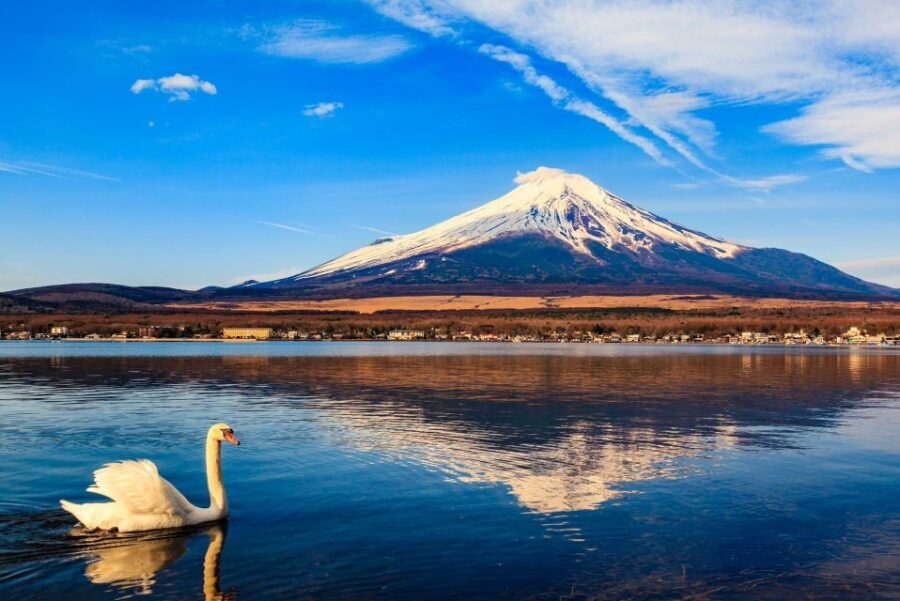
One of the standard options is Oishi Park, specifically mentioned for seasonal flowers near Kawaguchi Lake. This is the kind of stop that gives you that gentle, postcard-friendly atmosphere without requiring big-ticket tickets or long planning.
Why it’s valuable: this is a lakeside anchor. Even if Mt Fuji is partially obscured, you’re still at the foot-of-Fuji setting where the lake area feels like a different world from Tokyo. And because the park is tied to seasonal flowers, your visit can feel timed rather than generic. If you’re traveling when the flowers are at their best, this can be the emotional highlight of the day.
The downside is also predictable: seasonal parks can be popular and weather can affect how comfortable outdoor walking is. So wear comfortable shoes and plan for short-but-real walking time.
If you love the idea of nature photos and slower pacing, make Oishi Park a strong candidate for your first half-day stop.
Arakurayama Sengen Park and Chureito Pagoda: a change of scenery
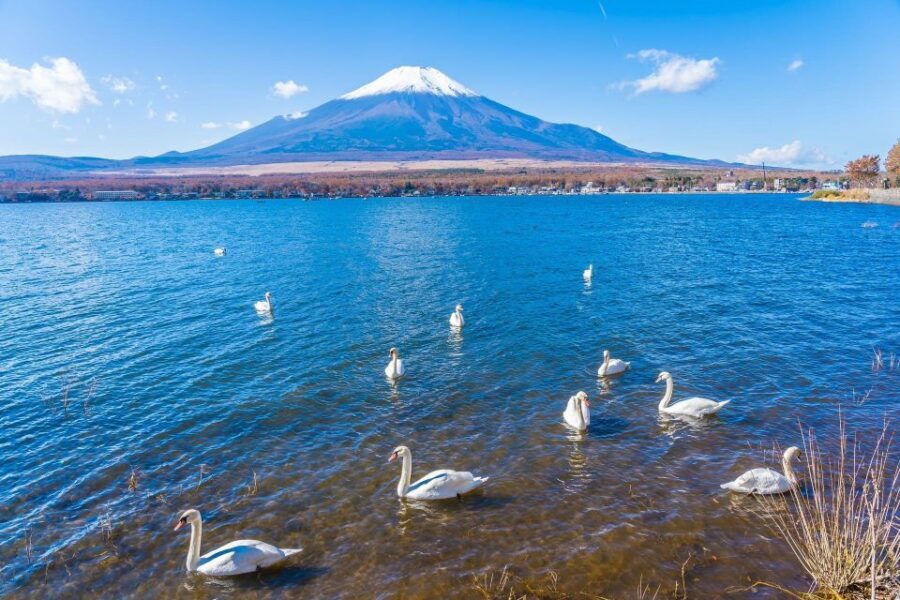
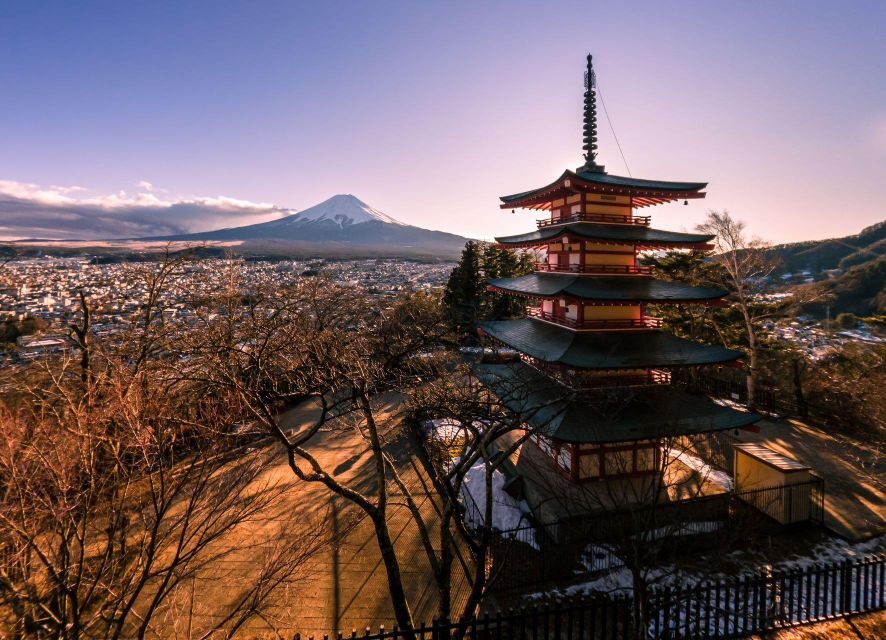
Another standard stop is Arakurayama Sengen Park and Chureito Pagoda. The key point here is variety. After time around the lake, this gives you a different setting and a different kind of photo opportunity, without turning the day into a museum-only schedule.
Why I think this belongs in the mix: it adds structure to the outdoor portion of your day. Instead of “walk along the water and see what you find,” you’re aiming for a specific park-and-pagoda combo that gives your route a natural rhythm.
Consideration: as with any park stop, you’ll want to keep your walking comfortable and your time realistic. This is a 10-hour day, including travel, so you may not want to overstuff outdoor stops back-to-back.
If your group includes anyone who likes iconic landmarks, this is one of the easiest “yes” decisions from the standard list.
Mt Fuji Panorama Ropeway: a new angle on the same day
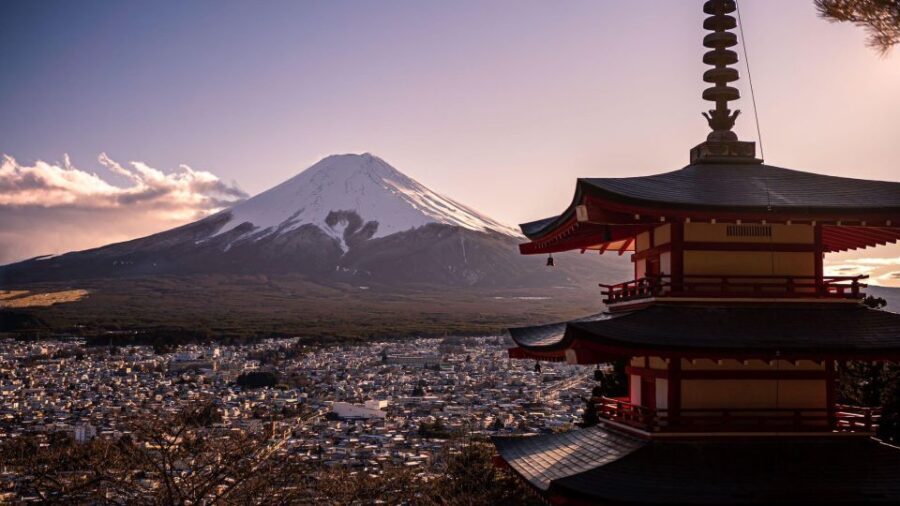
The Mt Fuji Panorama Ropeway is on the list as another standard option. Even if you already did parks and lakes, a ropeway is the kind of switch that changes your viewpoint without adding a lot of complexity to logistics.
What to expect from a practical standpoint: ropeway stops tend to be efficient, and they break up ground-level time. They can also be a good compromise if you want that Fuji-area feeling but your group doesn’t want to spend all day walking.
A simple planning note: if you’re aiming for the best visibility, ask your driver about sequencing based on weather that morning. Weather is unpredictable, but your order of stops can still reduce the chance of arriving at your favorite location only to find a gray sky.






Lake Kawaguchi Cruise: the “slow down” option
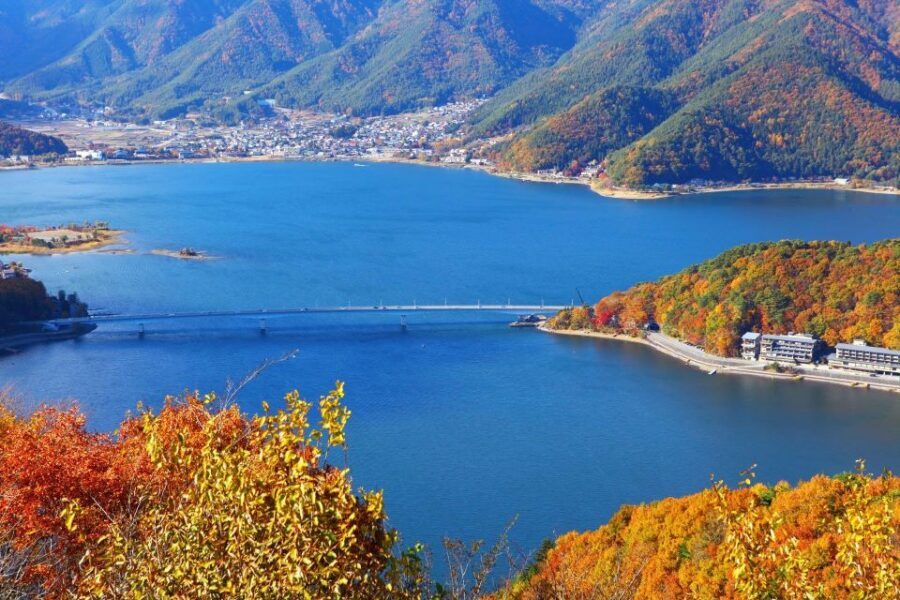
A cruise on Lake Kawaguchi is included as one of the standard attractions. Even without adding a long hike, being on the water changes the feel of the day. It’s also a nice balance against all the land-based stops.
Why it’s great for groups: cruises often serve as a social reset. People can sit, look around, and stop scanning maps. For families, it’s also a different kind of activity without needing anyone to sprint across a park.
What to keep in mind: the tour runs for 10 hours, and weather can affect outdoor comfort. Build this in as either a centerpiece or a mid-day reset rather than squeezing it between two “must arrive at X time” stops.
Museums and indoor options: Music Forest and Itchiku Kubota
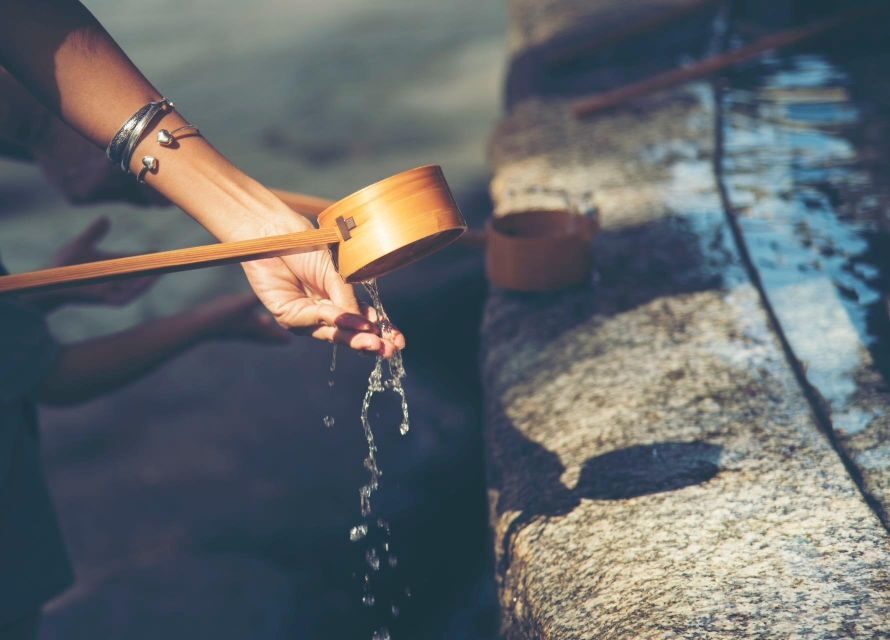
If you want a plan that survives changing weather, the standard list helps you. You can choose Music Forest Museum and Itchiku Kubota Art Museum as part of your customization.
These are valuable because they give you a “third lane” between outdoor scenery and action attractions. When the weather is moody, indoor stops keep the day from collapsing into disappointment. They’re also a good choice if you have mixed ages in your group or if someone in your party prefers calmer activities.
How to use them strategically: pick one museum stop rather than stacking multiple indoor options. That keeps you from spending the whole day changing locations without time to enjoy any one place.
If your group loves art, prioritize Itchiku Kubota Art Museum. If your group is more curious and relaxed, Music Forest Museum can balance out the day’s energy.
Fuji-Q Highland and Narusawa Ice Cave: thrills and chill
The standard attractions also include two very different “energy levels.”
- Fuji-Q Highland is listed as an option for people who want something more amusement-park style than scenery walks.
- Narusawa Ice Cave is listed as another option, and because it’s an ice cave, you can expect it to feel cooler inside than outside. Bring layers if you tend to get cold easily.
Why this matters: customization means you can shape the day around your group’s mood. If you want to mix scenery with a fun activity, Fuji-Q Highland can do that. If you want a memorable natural stop that feels unusual and different, Narusawa Ice Cave fits.
Practical caution: these types of stops can eat time. If you’re trying to hit multiple locations in one day, choose either an attraction-heavy stop (like Fuji-Q Highland) or a unique natural stop (like the ice cave), then keep the rest focused.
Transportation, timing, and what the $539 price really covers
The price is $539 per group up to 6. That’s not “cheap” in the way of public transport, but it’s also not trying to be. You’re paying for privacy, door-to-door style pickup in Tokyo, and an all-in driving day that covers logistics you’d otherwise juggle.
Included:
- Hotel pickup and drop-off
- Private transportation in an air-conditioned vehicle
- English-speaking driver
- Parking fee
- Fuel and tolls
- Baby seats (optional)
Not included:
- Food and drinks
- Entry fees
- Airport pickup and drop-off
- Extra hour charge (7,000 JPY per hour)
So how do you judge value? For a group of friends or a family of up to 6, this can start to look efficient compared to splitting taxis and trying to coordinate train connections. You’re also buying time and decision support. Instead of wasting half a day figuring out what’s feasible, you’re using a driver who helps you select what to do.
The biggest “hidden variable” is not the base price—it’s entry fees and your choices. If you pick several paid attractions and add on meals, your day cost grows. But that’s true of any Fuji-area itinerary. The good news is you can tailor it.
Also note the day length: the tour time is 10 hours. If your plan runs long, overtime is 7,000 JPY/hour, so it’s wise to build a light buffer into your priorities.
Weather and Mt Fuji: how to keep the day from feeling ruined
Mt Fuji may not be clear due to weather, and that’s explicitly part of the reality here. The fix is attitude plus plan structure.
Here’s how you protect your day:
- Treat outdoor Fuji views as a bonus, not the only goal.
- Keep at least one indoor or sheltered option on your list, like Music Forest Museum or Itchiku Kubota Art Museum.
- Choose one “scenery anchor” stop around the lake (Oishi Park or the cruise) so even if the sky is gray, the area still feels like a destination.
The tone you want is practical hope. When visibility is good, you’ll enjoy those classic views close to the mountain. When it’s not, you can still get a day that feels relaxed, scenic, and different from Tokyo.
Who this 1-day private Mount Fuji + Kawaguchi tour suits best
This works especially well if:
- You want a private day without train transfers and walking routes.
- Your group includes different interests, so you need flexible stop choices.
- You want to see more than one type of place: lake, parks, a ropeway option, cruise time, and museums.
- You’re traveling with kids or want the option of baby seats.
It may be less ideal if:
- You only want one quick outdoor viewpoint and don’t care about anything else.
- You’re trying to keep strict costs low, since food, drinks, and entry fees are not included.
In other words: this is best for people who value time efficiency, choice, and comfort.
Should you book this day trip?
I’d book it if you want a real Mount Fuji day that you can shape to your group’s energy. The big selling point isn’t just seeing the area—it’s the way the day is handled: dedicated transport, a driver you can talk with, and a plan that can shift if the weather doesn’t cooperate.
If your group is serious about Mt Fuji photos only and nothing else matters, you might feel frustrated by the weather factor. But if you go in planning for both scenarios—good visibility and gray sky—this private setup is a strong way to get your money’s worth.
FAQ
FAQ
How long is the Mt Fuji + Kawaguchi Lake trip?
The tour time is 10 hours total. If you need more time, there is an extra hour charge of 7,000 JPY per hour.
Is pickup available in Tokyo?
Yes. There is free in-city shuttle service in Tokyo. You can prearrange a meeting time and share your hotel address.
How far is it from Tokyo to Lake Kawaguchi?
The one-way journey to Lake Kawaguchi is 2 hours.
What attractions are included in the standard options?
Standard attractions include Oishi Park, Arakurayama Sengen Park and Chureito Pagoda, Mt Fuji Panorama Ropeway, Lake Kawaguchi Cruise, Music Forest Museum, Itchiku Kubota Art Museum, Fuji-Q Highland, and Narusawa Ice Cave. You can choose based on your preferences.
Are entry fees included?
No. Entry fees are not included.
Are food and drinks included?
No. Food and drinks are not included.
What happens if Mount Fuji isn’t clear due to weather?
Mt Fuji may not be clear depending on weather. The tour schedule and stop selection can be adjusted, and you can also choose attractions that work even if visibility is limited.
Can I cancel and get a refund?
You can cancel up to 24 hours in advance for a full refund.
If you want, tell me your travel month and what your group likes most (scenery, museums, or attractions). I can suggest a balanced “must-do” mix from the standard options that fits a 10-hour day.