REVIEW · KYOTO
All-Inclusive Kyoto Day Tour: Amanohashidate, Miyama or Ohara
Book on Viator →Operated by KyotoNusa Tours · Bookable on Viator
Kyoto’s quieter side hits by 9 a.m., with a private guided route and car taking you to Amanohashidate, Miyama, or Ohara. You pick the focus, but the day is designed to feel calm: temple time, countryside time, then water views without the stress of figuring out trains and transfers.
I love two things most. First, the English-speaking guide keeps the stops understandable, not just photo-op narration. Second, the day is truly all-in for the big-ticket moments like the boat ride in Ine and the chairlift at Amanohashidate Viewland, plus transportation and required fees.
One thing to consider: lunch isn’t included, and the tour runs about 8 hours, so plan on eating on the go or grabbing something simple near your route stops.
In This Review
- Quick hits before you go
- Choosing the Route: Miyama, Amanohashidate & Ine, or Ohara and Lake Biwa
- Morning Pickup and a Day That Moves at Real Human Speed
- Jingoji Temple: Cedar Shade and Old Pagodas
- Kozanji Temple (Takao): A UNESCO-Listed Stop in the Mountains
- Kayabuki-no-sato Kitamura: Thatched Roofs and Quiet Countryside
- Hiyoshi Dam: A Concrete Landmark With a Purpose
- Amanohashidate Stops: Chion-ji, Motoise Konojinja, and Kasamatsu Park Views
- Ine no Funaya Fishing Village: Boats, Water-Edge Houses, and Bay Atmosphere
- What You Really Get for the $520.25 Price
- Practical Tips: Timing, Shoes, and Lunch Planning
- Should You Book This Private Kyoto Day Tour?
- FAQ
- What time does the tour start?
- How long is the day trip?
- Is this a private tour or shared with other people?
- What routes can I choose?
- Are the boat ride and chairlift included?
- Is lunch included in the price?
- Which entrance fees are included?
- Do you offer pickup?
- Can I cancel and get a full refund?
Quick hits before you go
- Private car + pickup option: you start fresh instead of wrestling with Kyoto-area connections
- Boat + chairlift included: the money and time sinks are handled
- Temples that feel different, not repetitive: cedar shade, mountain heritage, and bay-side calm
- Thatched-roof villages for contrast: a step back from the main Kyoto tourist loop
- Ine fishing village water-edge atmosphere: narrow lanes and funaya boathouses up close
Choosing the Route: Miyama, Amanohashidate & Ine, or Ohara and Lake Biwa

This tour is built around a simple idea: don’t just see one famous sight. Choose a route that gives you variety in a single day, and let the guide stitch it together with context.
You have three route options to pick from:
- Miyama & Takao: traditional thatched farmhouses and mountain temples
- Amanohashidate & Ine: the famed sandbar views plus a fishing village along the water
- Ohara & Biwako: rural villages and time by Lake Biwa
In practice, this means you can shape the day around your interests. Want classic countryside? Go Miyama. Want the most iconic water panorama in the region? Amanohashidate + Ine. Want something calmer and less “photo-first”? The Ohara + Biwako route is designed for slow strolling and relaxation.
You can also read our reviews of more tours and experiences in Kyoto.

Morning Pickup and a Day That Moves at Real Human Speed
The day starts at 9:00 a.m. and runs around 8 hours. You’ll typically get picked up (when available), then settle into a private car so you can focus on the sights instead of hopping between stations.
This kind of pacing matters in Kyoto. Many day trips feel like a speedrun: one crowd funnel after another. Here, the mix is intentionally varied—temples, village walking, and water-view breaks—so you’re not just sitting and driving for half the day.
You also get bottled water during the tour, which sounds small until you’re sweating under temple gates and waiting for a boat dock schedule.
Jingoji Temple: Cedar Shade and Old Pagodas
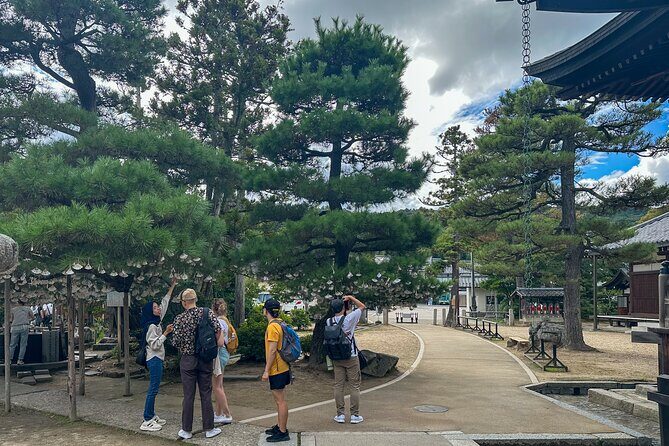
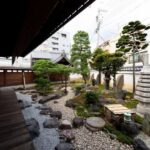
Jingoji Temple is the kind of stop that makes Kyoto feel older than its busy streets. You walk through serene grounds with ancient cedar trees, historic pagodas, and landscaped gardens.
What I like here is how it resets your attention. After driving out of the city, you’re not immediately hit with a single huge landmark. Instead, you get a slow, grounded walk where you notice the little changes—textures of stone, the quiet rhythm of temple paths, and the way the trees shape the light.
Expect about 1 hour 30 minutes, and that admission is included. If you enjoy gardens and architectural details, this is one of the stops where your time really feels earned.
Kozanji Temple (Takao): A UNESCO-Listed Stop in the Mountains
Next up is Kōzan-ji Temple in the Takao area. This is one of those mountain-temple visits where the setting is part of the story: lush surroundings, temple halls, and garden views in a UNESCO-recognized context.
With about 1 hour on the site, you’re not rushed through key points. You’ll be guided through the halls and grounds while learning how this temple fits into the wider heritage of the region.
Admission is included here too, which is helpful because it prevents the day from turning into a series of small surprise payments. If you’re the kind of person who wants meaning along with the photos, this is your time to lean in.
Kayabuki-no-sato Kitamura: Thatched Roofs and Quiet Countryside
Then the day shifts into countryside mode at Kayabuki-no-sato Kitamura (Miyama Kayabuki no Sato). This is the area famous for thatched-roof farmhouses, and you get about 1 hour for a leisurely stroll.
A good countryside village stop should do two things: slow your pace and make you feel the geography. This one does both. Narrow paths and traditional structures help you understand why people settled here in the first place—mountain weather, farming life, and seasonal rhythms.
Admission is listed as free for this stop, so you’re paying for the guide and the transport effort, not an entry fee. That’s a nice value move inside a day that already costs a premium.

Hiyoshi Dam: A Concrete Landmark With a Purpose
At Hiyoshi Dam, you get something a bit different from the usual temple-and-shrine pattern. The guide explains its role in flood control and water management, and you take in the setting around this major piece of engineering.
This stop works best if you enjoy practical context—how infrastructure affects everyday life. It also breaks the pattern so your brain doesn’t stay in purely spiritual mode all day.
You’ll have about 30 minutes, and admission is free. It’s short enough that it won’t derail a day that’s mostly about scenery, but long enough for the explanation to land.
Amanohashidate Stops: Chion-ji, Motoise Konojinja, and Kasamatsu Park Views
Amanohashidate is the main event, but the tour approaches it in a smart way: warm up your eyes before the big panorama.
You’ll visit Chion-ji Temple first for around 20 minutes. It’s described as a peaceful Buddhist temple with a spiritual atmosphere and historic charm. For a lot of people, these temple minutes are what make the later views feel earned rather than accidental.
Next is Motoise Konojinja Shrine for about 15 minutes. The shrine’s traditional architecture and serene setting make it a solid contrast to the bay area that follows. Even without going deep into rituals, the tone changes your mindset.
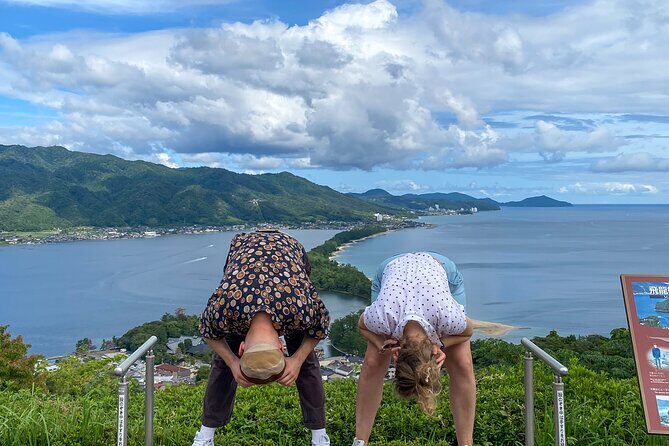
Then you reach Amanohashidate Kasamatsu Park, with about 1 hour 30 minutes and an included admission ticket. This is where you focus on the sandbar views—panoramic outlooks across the bay.
One more important detail: the tour includes the chairlift fee at Amanohashidate Viewland. That matters because you’ll likely get an elevated perspective without having to rely only on walking uphill. In plain terms, it saves time and effort while improving the view.
Ine no Funaya Fishing Village: Boats, Water-Edge Houses, and Bay Atmosphere
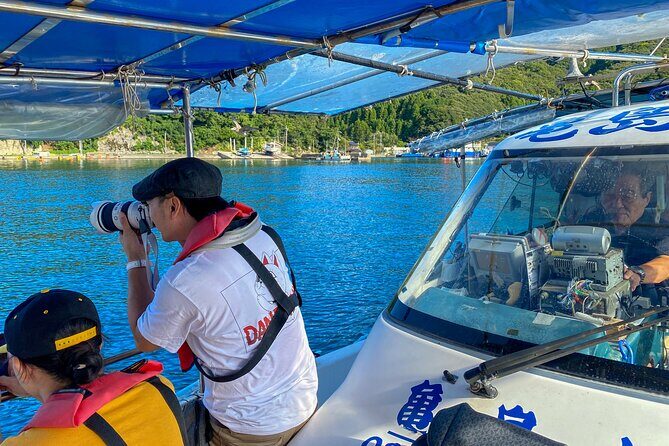
The finale is Ine no Funaya in Ine-cho, and this is where the day turns from “look at Kyoto” into “feel the coast.”
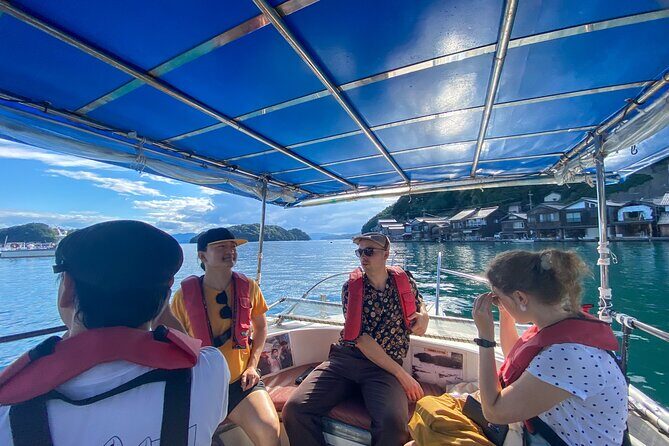
You explore a charming fishing village known for funaya—boathouses built right along the water’s edge. The walk includes narrow streets and water-facing structures, so you get that up-close sense of how daily life works around tides and small boats.
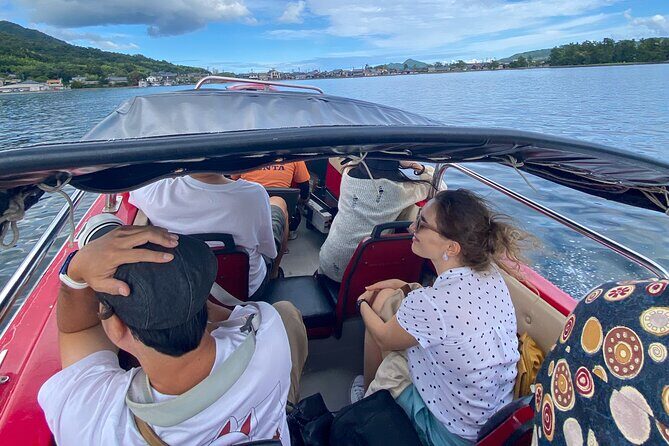
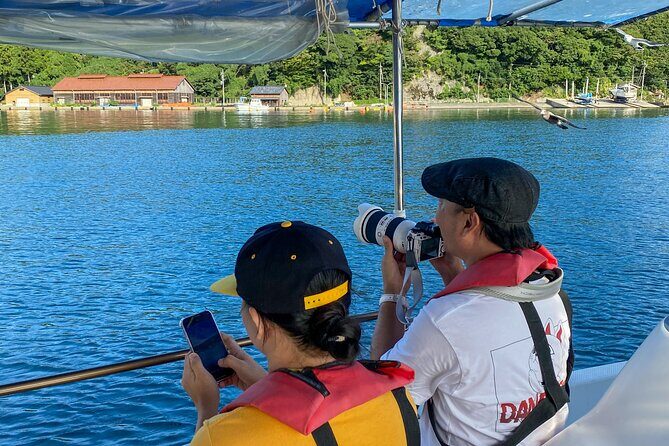
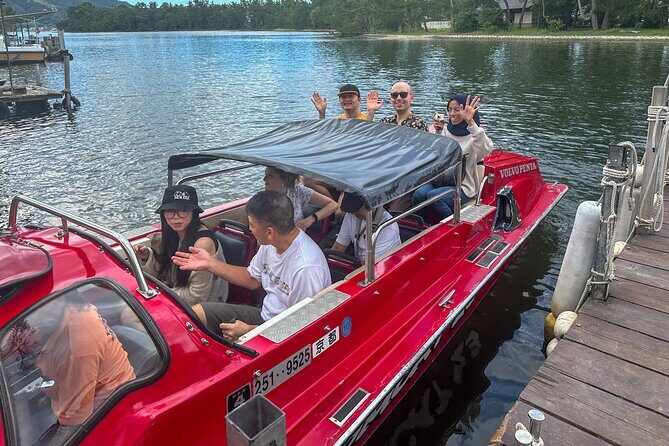
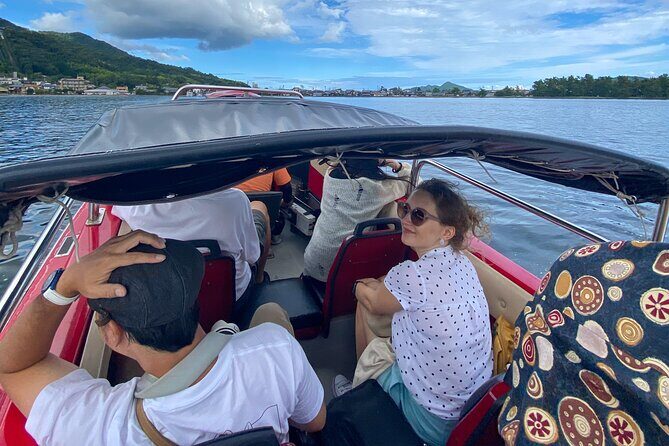
You’ll have about 1 hour 30 minutes here, and it includes a boat fee as part of the day. That boat component is one of the practical reasons this tour works so well: it adds a water perspective you simply can’t replicate from the shore.
From the notes shared with me, the boat ride includes views in the Amanohashidate and Ine area that people specifically talk about as a signature point of the excursion. Even if you only remember one thing from the day, make it this—water, houseboats, and a slower pace that feels natural.
What You Really Get for the $520.25 Price
Let’s talk money honestly. At $520.25 per person, this is not a budget day trip. So the question isn’t just what you see—it’s what the price covers and how much effort it saves.
Here’s what’s included that would cost you time and money on your own:
- Private car (plus gasoline, parking, and highway fees)
- English-speaking guide
- Bottled water
- Boat fee in Ine Funaya & Amanohashidate
- Chairlift fee at Amanohashidate Viewland
- Admission tickets for certain stops (listed for Jingoji, Kōsan-ji, and Amanohashidate Kasamatsu Park)
In other words, you’re paying for a day where the logistics are handled: route flow, the big paid activities, and the driving costs that add up when you’re coordinating multiple transit hops.
The value is strongest if you want:
- a day that stays organized without you planning train times
- a mix of experiences (temples + village + water views)
- the boat and chairlift handled for you
The value is weaker if you already know how to travel out to Amanohashidate and Ine on your own and you’d rather spend the day cheaper. In that case, you might treat this as a splurge only if you’re also paying for the guide and the convenience.
Practical Tips: Timing, Shoes, and Lunch Planning
A few practical notes so your day runs smoothly:
- Wear comfortable walking shoes. Even “stroll” days involve uneven temple grounds and village paths.
- Expect a full day. With stops ranging from 15 minutes to 1 hour 30 minutes, you’ll want your body ready for frequent short walks.
- Lunch isn’t included. Build your plan around it. You can usually find simple food options near sightseeing areas, but you won’t have lunch handled as part of the package.
- Tips are optional for the guide. If you felt the day was well-paced and well-explained, it’s a nice way to say thanks.
- You’ll use a mobile ticket, and the meeting point is near public transportation, which is useful if you’re syncing with another plan later.
Also, keep your expectations realistic: this is about sightseeing flow, not a leisurely lunch-and-sleep-in day. If you like structure and clear timing, you’ll appreciate that.
Should You Book This Private Kyoto Day Tour?
Book it if you want a private, guided day that covers Amanohashidate and Ine-style coastal Japan with real variety. You’ll likely be happiest if you care about:
- getting the boat and chairlift experiences without extra planning
- having an English guide connect temple, village, and regional context
- avoiding the fatigue of figuring out how to connect Kyoto to multiple outlying stops
Skip it (or consider another option) if you’re chasing low cost or you prefer to freestyle every hour. With a price tag this high, you’ll want to be sure the route fits your interests—especially since lunch isn’t included and the day stays packed.
If you’re traveling as a small group and you can use the group discounts, that can help the math feel more reasonable too.
FAQ
What time does the tour start?
The tour starts at 9:00 a.m.
How long is the day trip?
It runs about 8 hours.
Is this a private tour or shared with other people?
It’s private. Only your group participates.
What routes can I choose?
You can choose from three routes: Miyama & Takao, Amanohashidate & Ine, or Ohara & Biwako.
Are the boat ride and chairlift included?
Yes. The boat fee in Ine Funaya and Amanohashidate is included, and the chairlift fee at Amanohashidate Viewland is included too.
Is lunch included in the price?
No. Lunch isn’t included.
Which entrance fees are included?
Admission tickets are included for Jingoji Temple, Kōsan-ji Temple, and Amanohashidate Kasamatsu Park. Other listed stops have admission ticket marked as free.
Do you offer pickup?
Pickup is offered.
Can I cancel and get a full refund?
Yes, you can cancel for a full refund up to 24 hours in advance of the start time.
If you tell me which route you’re considering (Miyama, Amanohashidate & Ine, or Ohara), I can tailor the “who this is for” advice to your priorities—temples, countryside walking, or Lake Biwa-style downtime.