REVIEW · OKAYAMA
Okayama Full-Day Private Trip with Government-Licensed Guide
Book on Viator →Operated by Japan Guide Agency · Bookable on Viator
Okayama works best when you’re not racing. This private, government-licensed tour helps you move with purpose through the city’s top gardens and historic sights in about 6 hours.
I especially liked two things right away: Korakuen Garden (easy to enjoy, good for photos, and beautiful in every season) and the crow-black Okayama Castle for a quick hit of history without getting lost. The one thing to weigh is simple: it’s a walking tour with pick-up on foot, and entrance fees, lunch, and most transit costs are on you.
In This Review
- Key highlights at a glance
- How a Private, Government-Licensed Guide Makes Okayama Feel Easy
- Okayama Castle: the Crow-Black Fortress Stop
- Korakuen Garden: a Top-Tier Stroll Without the Stress
- Choosing Kibiji Museum of Literature and the Kibi Plain for a Breather
- Handayama Botanical Garden for Cherry Views With Real City-Top Air
- Nishigawa Canal Park: the Quiet Stroll Between Big Sights
- Kurashiki’s Bizan Historical Quarter: the Simple Add-On Day Trip
- Price and Value: what you’re paying for (and what you’re not)
- Making the Most of a 6-Hour Walking Day (Without Burning Out)
- Who Should Book This Okayama Private Day
- Should You Book It?
- FAQ
- What’s the duration of the Okayama private tour?
- How much does the tour cost per person?
- What’s included in the price?
- What isn’t included?
- Can I choose which sights to visit?
- Is this tour walk-heavy?
- Do I need to pay for admission tickets?
- Is there free cancellation?
Key highlights at a glance
- Government-licensed English-speaking guide who can tailor your 3–4 stops
- Korakuen Garden plus Okayama Castle in one efficient day
- Optional add-on scenery: Handayama Botanical Garden and Nishigawa Canal Park
- Optional day-trip style stop: Kurashiki (about a 20-minute train ride)
- Mobile ticket and a meet-up spot near public transportation
- Reviews mention guides who help with pacing and even photo timing (and at least one guest reported language issues)
How a Private, Government-Licensed Guide Makes Okayama Feel Easy
This is a private tour, meaning it’s just your group, not a busload. You get a licensed local guide who speaks English, and the big win is flexibility: you choose 3–4 sites from the options and build a day that matches your pace and interests.
Meet-up is on foot in a designated area in Okayama. That matters because you won’t be dropped at each gate by a driver; you’ll walk between nearby sights, then use public transportation if you choose something farther like Kurashiki. If you like having a plan—but not a rigid one—this format is a good fit.
It also helps that guides can be very practical. One guide, Naoki, was praised for being friendly and adaptive, and for writing out careful directions for next stops after the day trip (including places like Kibitsu shrine and Naoshima). Another guide experience praised Sato for taking time to make sure guests got pictures at key moments inside Korakuen.
One note from the mixed feedback: English skill and pacing can vary by guide. Most guides do well, but if strong language clarity matters a lot to you, it’s worth confirming the guide’s language expectations when booking.
You can also read our reviews of more guided tours in Okayama
Okayama Castle: the Crow-Black Fortress Stop
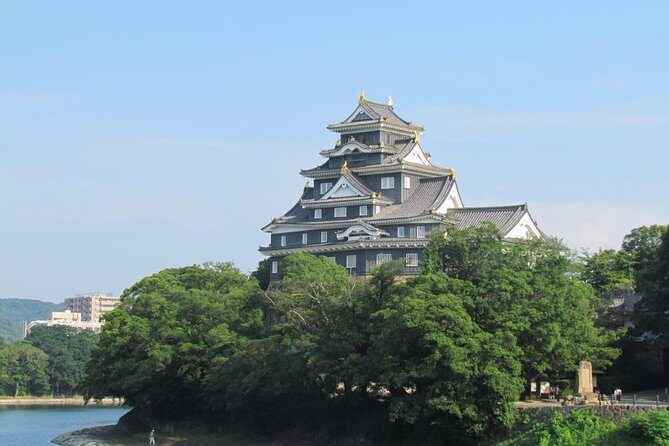
Okayama Castle is the kind of sight that’s easy to appreciate even if you’re not a hardcore castle nerd. It’s nicknamed the crow castle because of its black exterior, and it traces back to the Azuchi-Momoyama period style. The current structure is part of the castle’s long story, starting from a build in 1597.
In a tour day, this stop works for three reasons:
- It gives you a sense of place fast—Okayama’s identity in one look.
- It’s a clear “anchor” for photos and orientation.
- You get a focused hour here, so you’re not burning your whole day on one site.
Admission is not included, so budget for that. Also, plan for walking inside and around the grounds, especially on warm days. A castle visit can be short on paper, but you’ll still want comfortable shoes, plus a little flexibility for photo breaks and viewpoints.
If you’re visiting outside cherry or autumn peaks, the castle is still worth picking because it’s a year-round monument. When gardens steal the spotlight seasonally, the castle helps balance the day.
Korakuen Garden: a Top-Tier Stroll Without the Stress
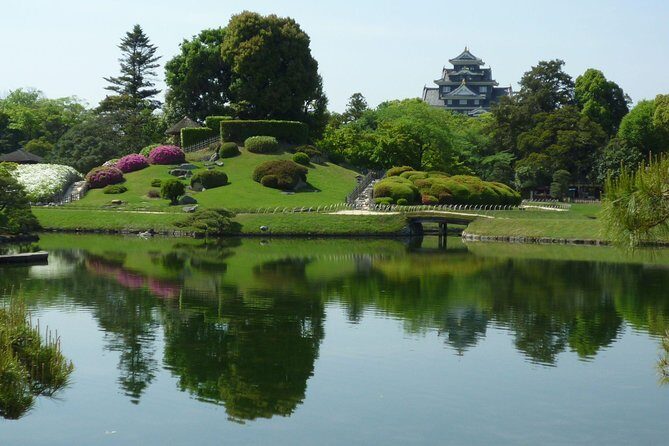
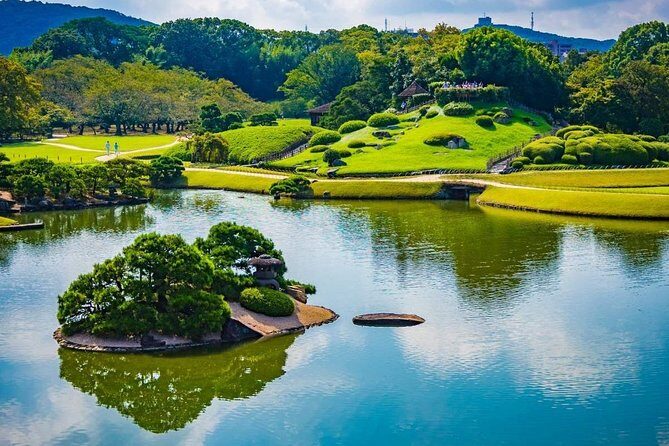
If you only pick one “must” in Okayama, make it Korakuen Garden. It’s often grouped with Japan’s best gardens—alongside Kenrokuen in Kanazawa and Kairakuen in Mito—so you’re seeing something that’s been respected for a long time.
The reason Korakuen is such a smart tour stop is that it’s designed for strolling, not sprinting. You’ll spend about an hour here, and that’s plenty time to slow down, take in views, and catch the seasonal mood. Spring can bring pink cherry blossoms, autumn can bring colored maples, and the garden still has personality outside those times.
A practical tip: Korakuen is one of those places where the “best angle” depends on the day and lighting. Guides like Sato have been praised for helping guests time pictures in the right spots. So if photography matters, don’t be shy about asking your guide when to pause and where to stand.
Admission is not included, so consider the total day cost before you decide on your 3–4 stops. Still, this is the core value of the tour because a guided hour helps you see more than you would on your own if you’re not sure where to spend your time.
Choosing Kibiji Museum of Literature and the Kibi Plain for a Breather
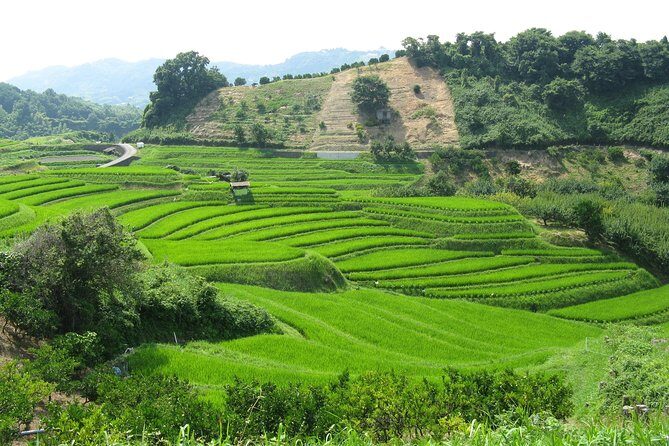
Not every stop in the plan is designed to be a headline. Kibiji Museum of Literature and the surrounding Kibi plain area give you a calmer, more everyday Okayama feeling—fields, small shrines and temples, and clusters of farmhouses outside the city core.
This part of the day works well if you want contrast. Castle and garden can fill your senses with beauty and symbolism. The Kibi plain helps reset your eyes. It’s also a good option if you’ve already seen a lot of urban sights elsewhere and want something quieter.
You’ll get about an hour here, and admission is not included. What you’ll enjoy most is the pacing. It’s not the kind of place where you rush from one object to another; it’s more about taking in the setting and letting the area breathe around you.
A possible drawback: if you want only major, ticket-heavy attractions, this can feel lighter. I see it as a bonus for people who like a break from crowds and like getting a sense of how the region actually looks when it’s not dressing up for tourists.
Handayama Botanical Garden for Cherry Views With Real City-Top Air
When cherry blossoms are the goal, Handayama Botanical Garden is the stop I’d consider most “worth planning around.” It’s described as a favorite cherry blossom spot, and it also adds a different look than the usual riverside or park-flat photos.
This is a hillside garden with city views, and the cherry count is part of the appeal—think about the scale of about 1,000 cherry trees mentioned for the garden. That combination—hillside + views + a big blossom count—tends to create more dramatic photos than a flat walkway.
You’ll have about an hour. Admission is not included, so factor that in. Since this is on a slope, wear shoes that don’t slip and are comfortable for uneven ground. Also bring water if you’re going in spring; even if the blossoms are the main event, you’ll still be walking.
If you’re not visiting in peak cherry season, Handayama still makes sense because the value is the viewpoint and the garden setting. It’s an easy way to add “wow” to your tour without needing extra travel time.
Nishigawa Canal Park: the Quiet Stroll Between Big Sights
Nishigawa Canal Park isn’t presented as a top headline attraction, but that’s exactly why it can work. It’s a pleasant place for a jog or a slower stroll, especially during cherry season when flowers line the area.
This stop is about adding atmosphere rather than adding a major landmark. You’ll spend about an hour, and admission is not included. In practice, it’s a good buffer between heavier stops, like Korakuen or Kurashiki, because it lets you stretch your legs without the pressure of “seeing everything.”
If you like scenic walks and want something that feels more local than famous, this is a strong pick. If you’re traveling with limited interest in flower seasons, it might feel more optional—so I’d only include it if it matches the mood you’re chasing that day.
Kurashiki’s Bizan Historical Quarter: the Simple Add-On Day Trip
Kurashiki is one of the most popular day trips from Okayama, and it’s easy to access: the train ride is about 20 minutes. The tour’s Kurashiki focus is Kurashiki’s Bizan Historical Quarter, where traditional Japanese houses and an older-town feel come together.
This stop is especially useful if you want your Okayama day to include more variety without turning it into a multi-day mission. You’ll spend about an hour here, and the admission for the stop is described as free.
The one catch: transportation fees aren’t included, so the train cost is on you. Even so, this can be good value if you’re currently thinking about how to fill your day after Okayama’s main gardens.
If your time is tight, Kurashiki is a smart way to “add another city feeling” while keeping your day manageable. If you’re the type who prefers staying in one compact area, you may choose to skip it and put the extra time into one more Okayama option.
Price and Value: what you’re paying for (and what you’re not)
At $153.11 per person for about 6 hours, you’re paying for a private government-licensed guide plus customization. The average booking window is about 40 days in advance, which suggests this is popular enough that planning ahead can help you get the timing you want.
What’s included:
- Licensed local English-speaking guide
- A customizable tour where you choose 3–4 sites
- Meet-up with the guide on foot in the designated area
- Mobile ticket
What’s not included:
- Transportation fees
- Entrance fees
- Lunch and personal expenses
- Private transportation
- Guide entry fees only covered for sights listed under the experience
So the value comes down to this: can you make 3–4 of these stops match your day in a way that would be annoying to plan solo? If yes, the guide time pays off. If you’re a strong independent planner who already knows exactly what you want and how to get between places by transit, you may feel the cost more.
I like it most when you want a guided day that reduces decision fatigue—especially with gardens, where timing and picking the right spots can make the difference between meh photos and great ones.
Making the Most of a 6-Hour Walking Day (Without Burning Out)
Because this is a walking tour with pick-up on foot, you should treat it like a guided city walk with a little regional reach (Kurashiki) rather than a car-based sightseeing loop. That means you’ll want:
- Comfortable shoes you trust on uneven ground
- A light daypack for water and a small umbrella or layer if weather turns
- A clear priority list so you don’t end up negotiating mid-day
Also remember you’re choosing 3–4 sites. That’s not too many, but it’s enough that you’ll feel the pacing. If you love gardens, choose the garden-heavy mix (Korakuen plus Handayama, for example). If you prefer history and strolls, you can bias toward the castle and canal park.
One more smart angle: ask your guide for a simple plan if you’re also thinking about nearby add-ons outside the tour window. Naoki’s example—writing down careful next-step directions for other nearby places—shows that some guides go beyond the checklist when you ask.
Who Should Book This Okayama Private Day
This tour makes the most sense for you if:
- You want a smooth first trip to Okayama without spending time figuring out the best order
- You care about Korakuen Garden and want to see more than just the postcard version
- You like private guiding and a customized mix of sights
- You’re comfortable walking for most of the day
It also fits well for people who want the day to feel “planned but flexible.” The customization option matters because Okayama can feel mellow; with a guide, you can shape the day so it feels intentional instead of random.
If you’re extremely price-sensitive and already know exactly what you’ll do (and how you’ll move), you might get by without a guide. But if you’re the type who likes getting your bearings fast and saving mental energy, this is a practical way to do it.
Should You Book It?
I’d book this if you want Okayama’s highlights with a guide who can adapt to your priorities, especially if Korakuen Garden is on your list and you’re open to adding one more themed stop like Handayama or Kurashiki.
I’d hesitate if you know you’re very sensitive to guide language and communication quality. The overall guide lineup seems strong, but one experience reported poor English and a rushed feel—so if that’s a dealbreaker for you, it’s worth confirming guide details during booking.
FAQ
What’s the duration of the Okayama private tour?
The tour runs for about 6 hours.
How much does the tour cost per person?
The price is $153.11 per person.
What’s included in the price?
You get a licensed local English-speaking guide, a customizable tour where you choose 3–4 sites, and meet-up with the guide on foot in a designated area. A mobile ticket is also provided.
What isn’t included?
Transportation fees, entrance fees, lunch, and other personal expenses are not included. Private transportation is also not included.
Can I choose which sights to visit?
Yes. You customize the tour by selecting 3–4 sites from the available options.
Is this tour walk-heavy?
Yes. It’s described as a walking tour, with pick-up on foot.
Do I need to pay for admission tickets?
Admission tickets are not included for the listed stops.
Is there free cancellation?
Yes, you can cancel for a full refund if you cancel at least 24 hours before the experience start time.