REVIEW · KYOTO
Traditional Concert in Public bath near Kyoto Station
Book on Viator →Operated by Gen · Bookable on Viator
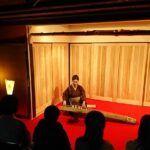
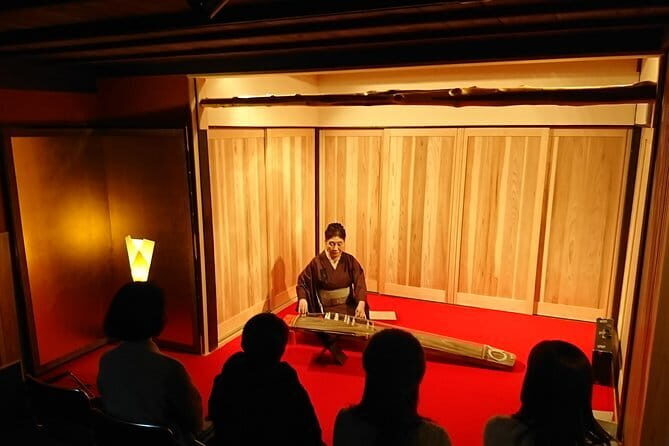
Bathhouse walls change the music. In Kujo-yu’s renovated sento near Kyoto Station, the old bathhouse shape does the work, giving the koto and shamisen crisp acoustics in a room built for sound.
I really love the setting: high ceilings and tiled walls that feel authentic, not like a generic concert hall. One thing to consider is the concert is only about an hour, so if you want a longer, full-evening outing, you’ll need to plan something before or after.
In This Review
- Quick reasons to pick this Kyoto concert
- Entering Kujo-yu: a renovated sento turned concert room
- How the tiled bathhouse boosts koto and shamisen
- What the program actually includes (and how it changes)
- Your 1-hour flow: what to expect on the night
- Coffee, comfort, and the small practical things
- Price and value: $32.52 for a one-hour cultural concert
- Booking timing: when to lock it in
- Who should book this concert (and who might skip it)
- Final thoughts: should you book the bathhouse concert?
- FAQ
- Where is the concert held?
- How long is the concert?
- What does the ticket price include?
- Is coffee or tea included?
- How do I get the ticket?
- What’s the cancellation window?
Quick reasons to pick this Kyoto concert
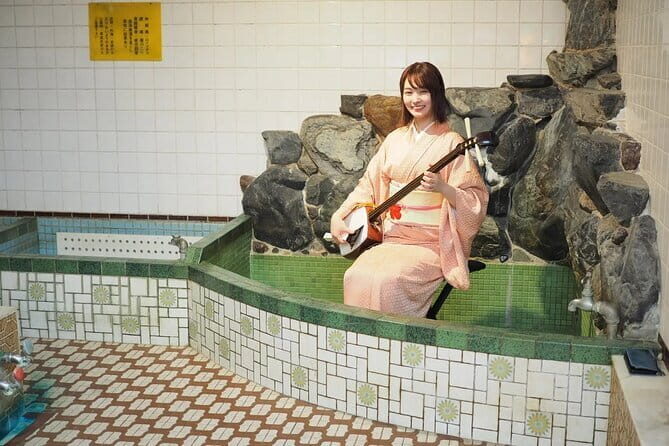
- Kujo-yu sento venue: a former public bathhouse turned music room
- Sound-first architecture: high ceilings and tiled surfaces that help subtle notes carry
- Traditional + modern programming: classics alongside contemporary arrangements and original pieces
- Seasonal variety: repertoire changes depending on the season and performers
- Simple ticketing: mobile ticket with confirmation at booking
- Near Kyoto Station: easy to fold into a Kyoto itinerary
Entering Kujo-yu: a renovated sento turned concert room
This concert happens in a former Japanese sento, a public bathhouse that’s been carefully renovated and reused as a cultural space. The address is at コワーケーションスペース九条湯, and it’s close to Kyoto Station—handy when you want Kyoto culture without spending your evening zigzagging across town.
What makes the place special is how the building still feels like itself. You’re not just sitting in some converted basement with stage lights and folding chairs. The room’s bathhouse design—the tile work, the open vertical space, and that old-world geometry—creates a different listening mood. The show feels grounded in place, not floating in a generic venue.
I also like that the concept is practical. You get a focused event with a clear time window (about one hour). No rabbit holes, no need to chase multiple activities. Just arrive, settle in, and let the music do its job.
A few more Kyoto tours and experiences worth a look
How the tiled bathhouse boosts koto and shamisen
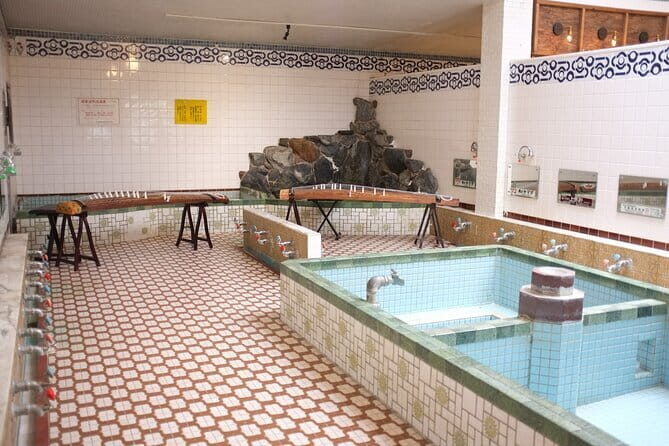
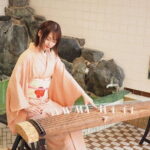
The instruments are the headline: koto and shamisen. These are delicate, nuanced sounds, and they can either get swallowed in a bad room or shine in one that carries detail well. Here, the venue is built for reflection and resonance, thanks to the high ceilings and tiled walls that were originally meant for a bathhouse’s sound environment.
That architectural choice matters. In this kind of setting, you tend to hear more separation between notes—especially with plucked string instruments—because the room doesn’t immediately kill the tone. The result is a concert where the music feels close and clear, not buried under noise or crowd chatter.
There’s also a neat psychological effect. Bathhouses are historically public spaces—meant for community, routine, and calm. Even though this is a concert, that atmosphere lingers. You’re listening in a room that once belonged to daily life, not a place designed only for performances. That can make the music feel more personal.
What the program actually includes (and how it changes)
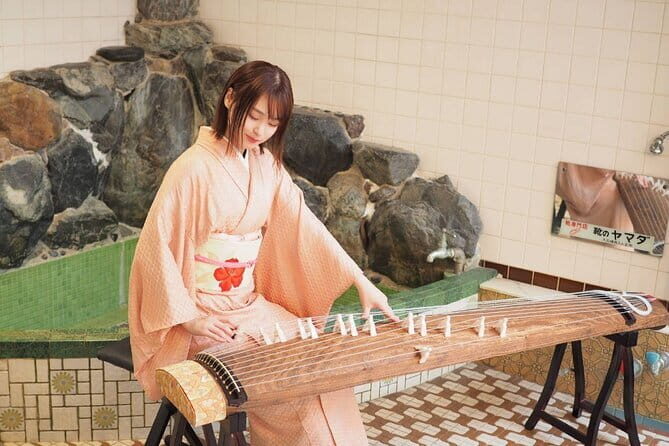
The repertoire is described as a mix, and that’s a big part of the value. One concert might lean more toward classical Japanese masterpieces. Another might feature contemporary arrangements. And then there are original compositions, depending on the performers and season.
I like this approach because it prevents the concert from feeling like a museum display. Traditional instruments can sound timeless, but they’re also capable of modern phrasing. When you get both sides—classic and newer—your ear gets a better roadmap for what the instruments can do.
Also, the program isn’t fixed. Repertoire changes by season and performers, so the “what you’ll hear” depends on when you go. That means:
- If you’re choosing between dates, the music style may shift.
- If you’re the type who hates surprises, you’ll still be fine, but you should know you’re buying into variety, not a repeatable set list.
Your 1-hour flow: what to expect on the night
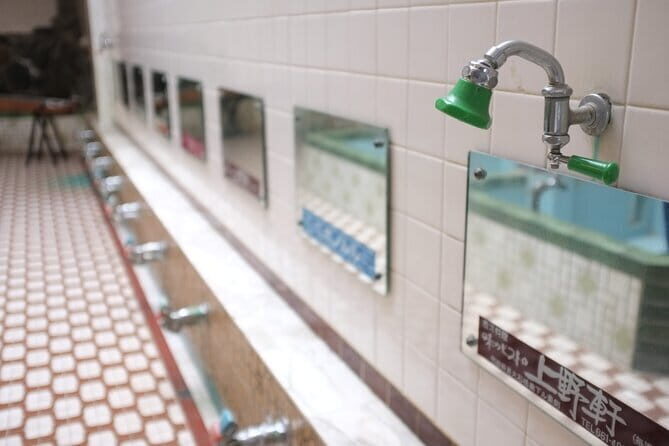
The experience is simple: one concert event in the Kujo-yu sento. The duration is listed as about 1 hour, and there’s one main stop: the performance at コワーケーションスペース九条湯 in the renovated bathhouse.
Because the time window is tight, you can plan it like a “music block.” I’d treat it as a concentrated cultural stop, not a long evening activity. Arrive a bit early so you’re not rushing when you’d rather be listening and settling.
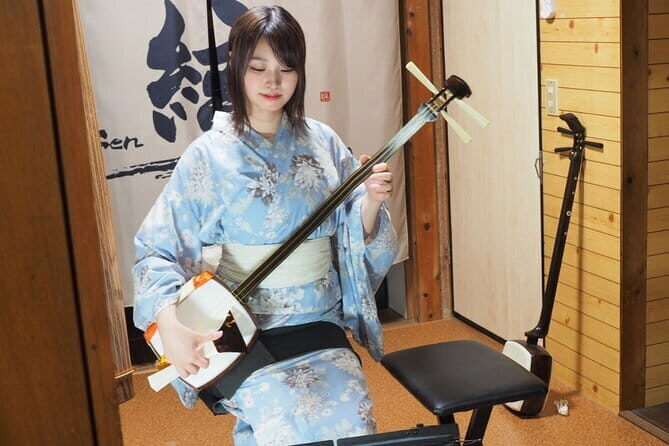
What you’ll do during the concert is exactly what it sounds like: sit, listen, and enjoy koto and shamisen in a room designed to carry sound. The experience is described as intimate and memorable, and the venue design is a big reason why. You’re not just watching; the music resonates through the space in a way that feels connected to the surroundings.
Afterward, you’ll be done quickly. That’s good news if you want flexibility. It also means you may want to have food or a drink plan already figured out, because coffee and/or tea aren’t included.
Coffee, comfort, and the small practical things
This isn’t a dinner show. The ticket includes concert admission, and nothing else is listed as included—specifically, coffee and/or tea are not part of the package.
So if you care about a warm drink before or after, plan for it separately. That’s not a dealbreaker. It just affects your pacing. A one-hour show is easy to fit in, but you don’t want to realize halfway through that your schedule leaves you with no drink option.
Another practical point: you get a mobile ticket. That means you’ll want your phone charged and accessible on the day of the concert. It’s also one less thing to worry about like printing or losing paper tickets.
Finally, the experience says near public transportation. That’s a real convenience factor in Kyoto, where getting across town can eat time. Here, you’re aiming for an area close to Kyoto Station, which usually makes timing easier.




Price and value: $32.52 for a one-hour cultural concert
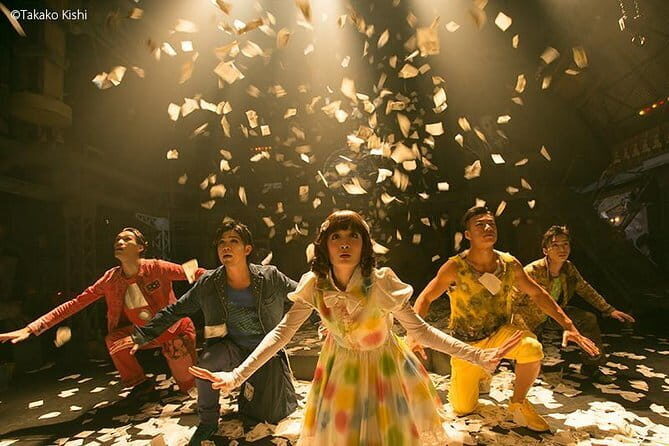
At $32.52 per person for about one hour, you’re paying for a focused event: a live traditional-instrument concert in a special venue. This is not priced like an all-day tour or a multi-stop cultural program.
So is it good value? I’d say yes if you’re the kind of person who enjoys:
- live music performances
- traditional Japanese instruments like koto and shamisen
- experiences where the venue itself helps create the mood
The value improves because the ticket includes entry and because the setting is rare in Kyoto. A renovated sento isn’t something you stumble into for free. You’re basically buying admission to a performance in a room that was intentionally repurposed while keeping its identity.
If you’re expecting a long guided outing, or you want food included, you may feel the price is less “complete.” But if your goal is a solid cultural night with minimal fuss, the cost-to-time ratio makes sense.
Booking timing: when to lock it in
The average booking lead time is 32 days in advance. That’s a signal worth respecting. It suggests the calendar can fill, and booking earlier usually gives you more options without stressing out.
You also get confirmation at booking, and there’s a mobile ticket, which keeps things straightforward once you purchase. If you’re building your Kyoto schedule around other reservations, I’d still treat this like a key appointment you don’t want to leave too late.
Who should book this concert (and who might skip it)
This concert is a great fit for people who want a cultural experience that’s compact and thoughtfully placed. You’ll probably enjoy it most if you’re:
- curious about traditional Japanese instruments and want to hear them live
- interested in architecture and how a venue affects sound
- looking for something different from typical Kyoto sightseeing
It’s also a solid choice for anyone staying near Kyoto Station and who wants an easy, one-stop plan. The “near public transportation” factor helps if you’re tired of long transfers.
Who might skip it? If you need a full evening of activities or shopping stops, a one-hour concert can feel short. Also, if you dislike any kind of programming variation, the fact that the repertoire changes by season and performers means your exact listening experience will differ from other dates.
Final thoughts: should you book the bathhouse concert?
If your idea of a great Kyoto night is live music in a meaningful space, book it. The combination of koto and shamisen, the bathhouse architecture, and a seasonally changing program makes this more than just a show in a historic-looking room. It’s a deliberate listening experience.
I’d especially recommend it if you want something authentic without the complexity of a multi-part tour. It’s close to transit, it’s time-efficient, and the ticket includes concert admission with a mobile format that’s easy to use.
If, instead, you’re looking for a long guided itinerary with lots of stops and included refreshments, you might feel under-satisfied. This is a tight cultural hour. Plan your food and time around that, and you’ll be glad you did.
FAQ
Where is the concert held?
It takes place at コワーケーションスペース九条湯 in Kyoto, near Kyoto Station.
How long is the concert?
The experience is listed as about 1 hour.
What does the ticket price include?
The included item is concert admission (the concert tickets).
Is coffee or tea included?
No. Coffee and/or tea are not included.
How do I get the ticket?
You get a mobile ticket, and confirmation is received at time of booking.
What’s the cancellation window?
You can cancel for a full refund up to 24 hours before the experience’s start time.