REVIEW · KYOTO
Kyoto: Half-Day Private Guided Tour to the Old Town of Gion
Book on GetYourGuide →Operated by Nara Guide · Bookable on GetYourGuide
Gion on foot feels like stepping into another Kyoto. This half-day private guided tour strings together the classic streets you came for, from the Kamo River start to Hanamikoji’s old-town atmosphere. I especially like how it mixes top sights with smaller, photo-friendly street scenes like Shirakawa Street and the Ninenzaka–Sannenzaka slopes. Cherry blossom season (and autumn too) is a big bonus, but the schedule is still realistic if your time in Kyoto is tight.
Two things I’d put at the top: you get a live guide who can explain what you’re seeing as you walk, and the route is built around traditional Kyoto streets and settings rather than hopping in and out of transport. The ending stretch around Hanamikoji and Pontocho helps you slow down and absorb the neighborhood look. One possible drawback: it’s a steady walking tour, so if you want a lot of sitting-down time for snacks or shopping, this may feel a bit tight since lunch isn’t included.
You’ll cover a lot—without feeling like a checklist. Even with only 3 to 4 hours, the mix of shrine, traditional slopes, and park gives you the rhythm Kyoto is known for. Private group means you can move at a comfortable pace, but you’ll still be on your feet for most of the morning or afternoon.
In This Review
- Key highlights worth planning around
- Why this Gion walk works in just 3–4 hours
- From Starbucks Sanjo-ohashi Bridge to the Kamo River start
- Entering Gion through Shirakawa Street
- Yasaka Shrine: the stop that gives meaning to the streets
- Sannenzaka and Ninenzaka slopes: old streets with real atmosphere
- Maruyama Park: seasonal nature that balances the streets
- Hanamikoji Street and the kyomachiya feel
- Pontocho to finish: a riverside-alley mood shift
- Price and value: what $96 buys you
- Who should book this private Gion tour
- The one drawback to consider before you go
- Should you book this Kyoto Half-Day Gion Private Tour?
- FAQ
- How long is the Kyoto Half-Day Private Guided Tour to the Old Town of Gion?
- Where does the tour start and end?
- What main places are included in the walk?
- Is lunch included?
- What languages are available for the live guide?
- Is the tour private and wheelchair accessible?
- What is included in the price?
Key highlights worth planning around
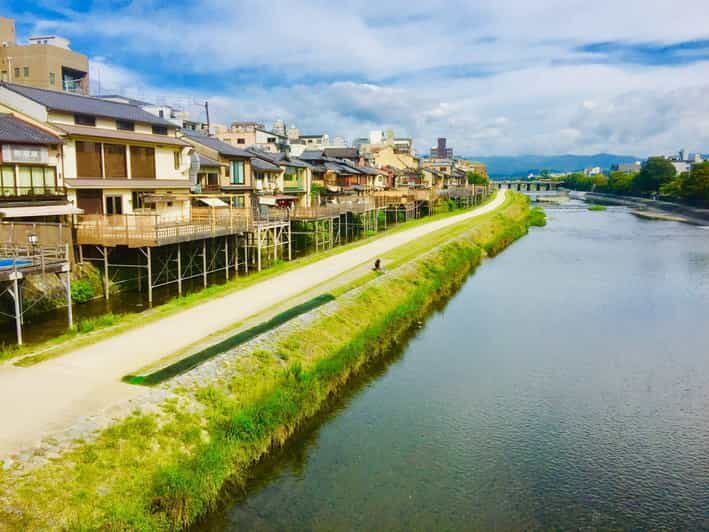
- Kamo River promenade: a local-style start that gets you oriented fast
- Shirakawa Street entrance: traditional homes and a clear “you’re in Gion now” transition
- Yasaka Shrine stop: a quick, meaningful culture anchor dating back centuries
- Sannenzaka and Ninenzaka slopes: classic old-street vibes in a short loop
- Maruyama Park seasonal views: cherry blossoms in spring, autumn leaves when the timing’s right
- Hanamikoji and Pontocho finish: kyomachiya (traditional townhouses) and a riverside alley mood
Why this Gion walk works in just 3–4 hours
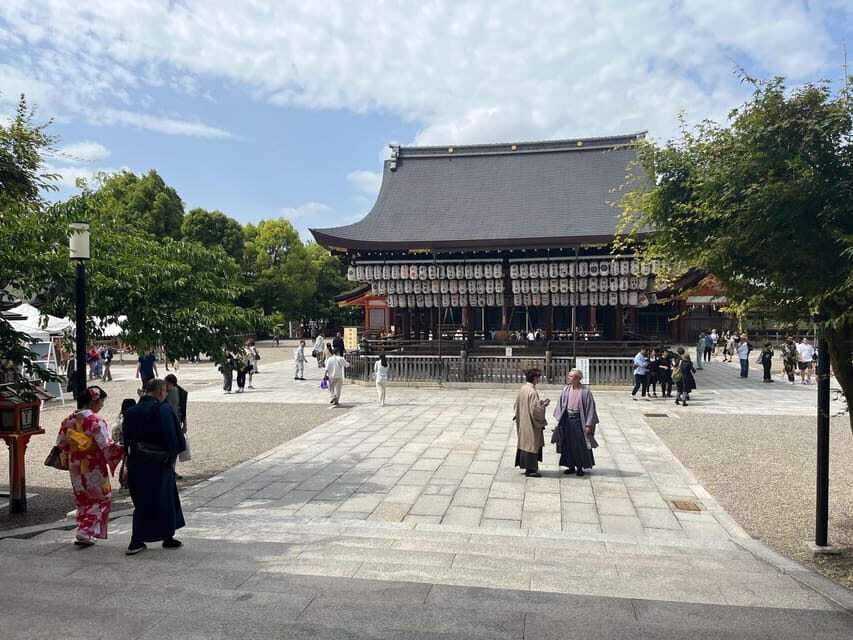
This tour is designed for people who want the feel of old Kyoto without spending the whole day. With a 3 to 4 hour window and a private guide, you’re not stuck blending into a large group, and you can ask questions as you go. For $96 per person, that private pacing is a big part of the value—especially in Kyoto, where the best streets are the ones you reach by walking slowly.
What I like about this plan is its “shape.” You start with a riverside orientation, shift into classic Gion approaches, then end in the lanes and streets that people actually photograph for a reason. The time is divided into focused stops—most segments run about 30 minutes—so you get depth without long gaps.
The tour is also well suited to different seasons. Spring cherry blossoms are the famous draw, but the same streets and parks look excellent when the weather changes. In other words, you’re not paying for one narrow time slot.
You can also read our reviews of more guided tours in Kyoto
From Starbucks Sanjo-ohashi Bridge to the Kamo River start
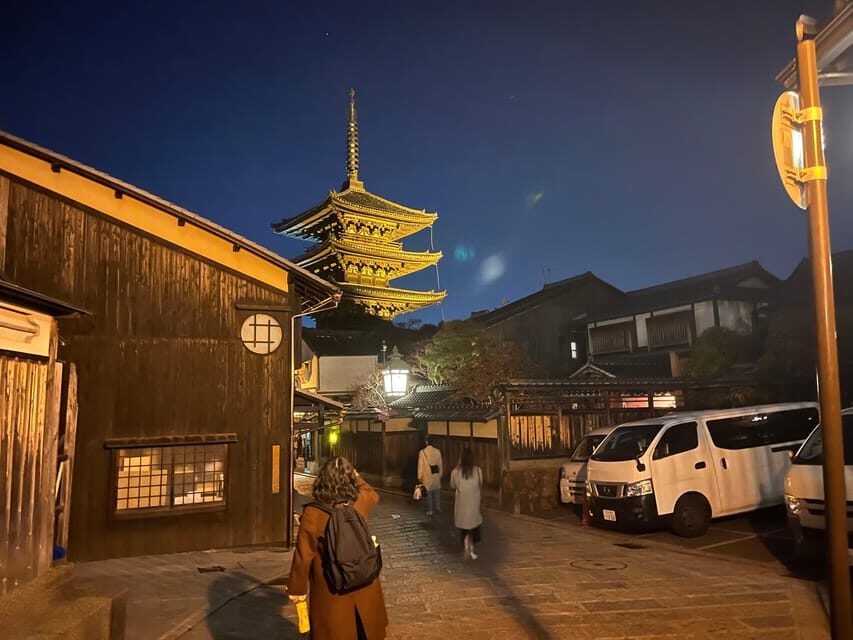
Your tour begins at Starbucks Coffee near Kyoto Sanjo-ohashi Bridge. It’s an easy meeting point if you’re already using central Kyoto landmarks, and it makes the first handoff simple. From there, the route starts with a walk along the Kamo River, a local promenade that feels calmer than many major tourist corridors.
This first stretch matters more than it sounds. Getting next to the river early helps you understand the neighborhood geography—where the streets funnel in, how the bridges connect, and what “Kyoto calm” looks like when you’re not yet inside the densest areas. It’s also a nice way to reset your energy before the more scenic lanes begin.
If you’re traveling in hot months, the river-side walk can feel a touch more comfortable than walking on fully sun-exposed streets. If it’s rainy, it’s still manageable, but you’ll want shoes with traction since you’ll later hit the slopes around Sannenzaka and Ninenzaka.
Entering Gion through Shirakawa Street
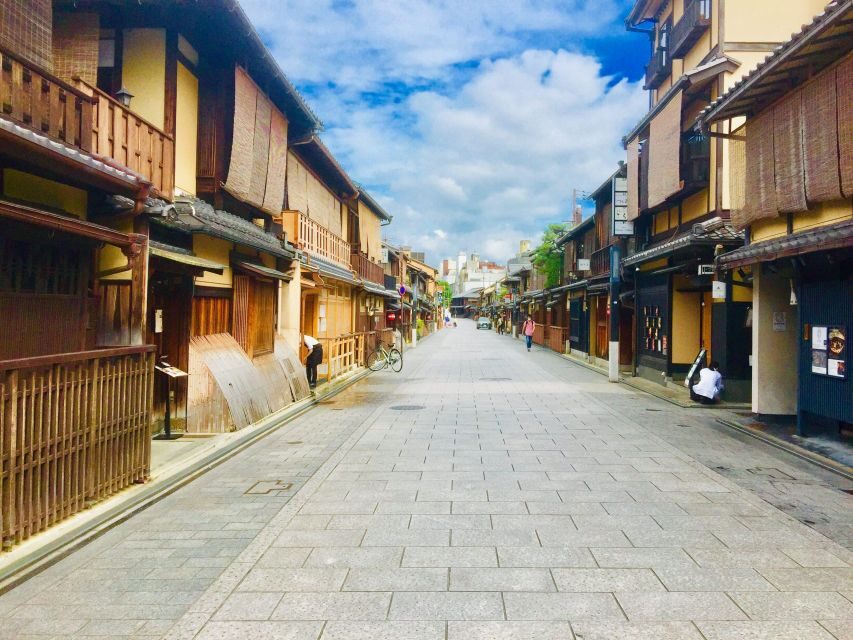
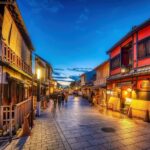
After the river start, the tour heads toward Shirakawa Street, which marks a classic entrance into the neighborhood. Shirakawa is famous for the way the street layout frames traditional buildings, so it’s a great “transition moment.” One minute you’re orienting near open views, and the next you’re in a narrower, more atmospheric old-town feel.
A guided walk here helps because the street isn’t just pretty—it’s readable. A good guide can point out what makes these traditional streetscapes work: the relationship between the buildings and the lane width, how the road guides your view, and why these settings survive while many other cities modernized faster.
I like this stop because it sets the tone. You’ll feel like you’re entering Gion rather than touring it from the outside. And because it’s on foot, you get the changing angles that you just can’t capture from one photo spot.
Yasaka Shrine: the stop that gives meaning to the streets
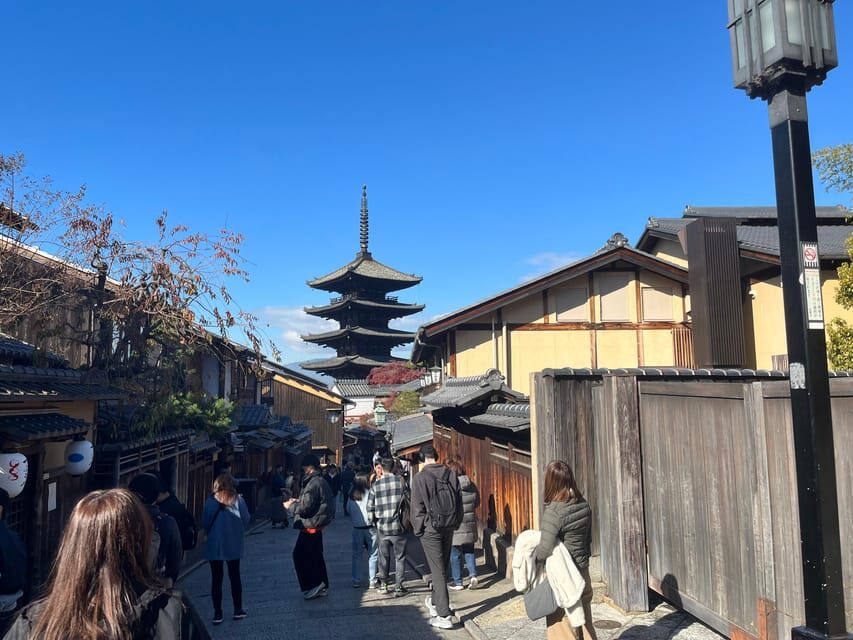
The next anchor is Yasaka Shrine. This is a sacred site dating from the 7th century, and the tour uses it to connect the scenery to the cultural context behind it. Even if you’re not a temple person, a short guided stop like this helps you understand why certain streets and neighborhoods hold a strong place in Kyoto life.
This segment also gives you a break in pace. You’re not just walking down old streets; you’re pausing at a place that’s historically significant, which makes the later street scenes feel more grounded. It’s the kind of cultural anchor that stops the tour from feeling like only sightseeing.
Possible consideration: if you strongly prefer shopping or street snacks over formal site stops, you might wish the shrine time felt longer. That said, the tour is half-day by design, and the shrine is used as a meaningful pivot rather than a long detour.
Sannenzaka and Ninenzaka slopes: old streets with real atmosphere
Then you’ll walk through Sannenzaka and Ninenzaka, the famous old-street lanes where traditional Kyoto awaits. These slopes are often where people notice the “Kyoto look” most clearly: layered street views, preserved-style buildings, and a strolling rhythm that feels intentional.
Why these stops work in a short tour: they’re compact but visually varied. In 30 minutes you can experience the street rhythm, the changing perspectives as you move uphill or downhill, and the way the lanes lead back toward Gion’s core. A guide helps here by explaining what you’re looking at and how the streets relate to the neighborhood layout.
Comfort note: these streets involve walking on slopes and uneven paving at points, so sensible shoes matter. If you’re prone to aching feet, you might plan to wear supportive footwear and keep your water handy between stops. You won’t have lunch included, so it helps to think about timing before you arrive.
You can also read our reviews of more private tours in Kyoto

Maruyama Park: seasonal nature that balances the streets
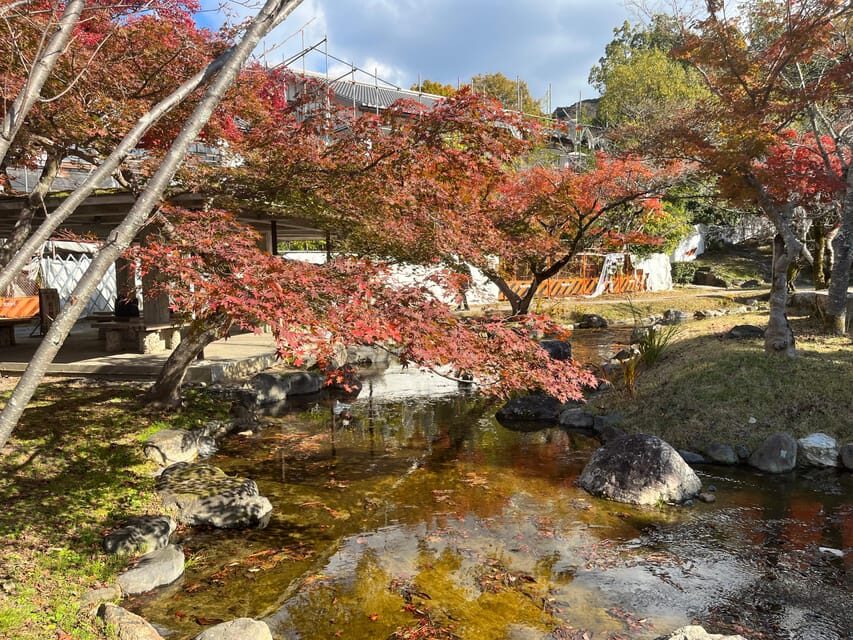
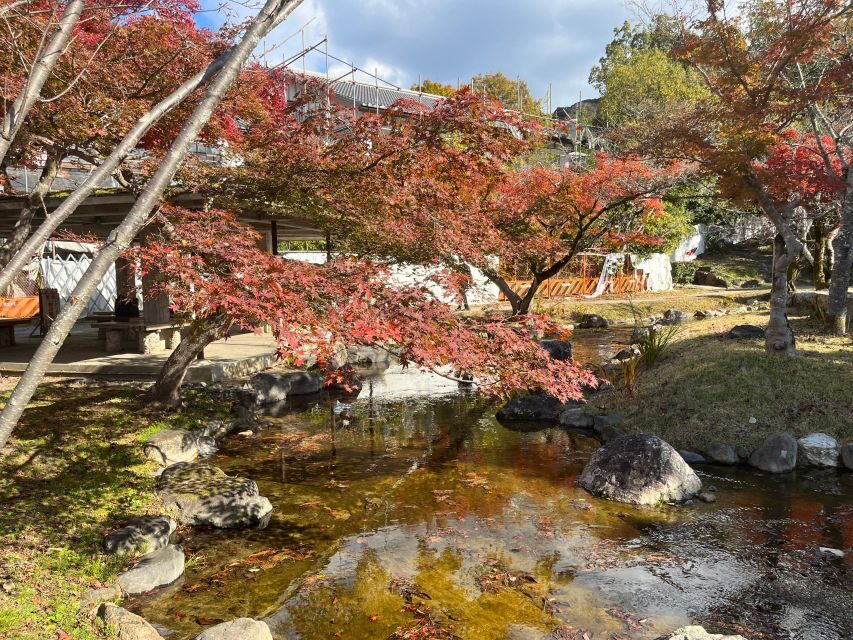
After the old-street intensity, you pass through Maruyama Park. This is the tour’s nature pause, and it’s especially ideal when the seasons are doing something dramatic—cherry blossoms in spring or autumn leaves later in the year.
I like this stop because it changes the feel of the walk without breaking the itinerary. You’re still in the same general Gion–Higashiyama area, but the visual texture shifts from narrow lanes to open greenery and seasonal trees. If you’ve been photographing streets and signage all morning, this is a reset.
The park also helps you capture “Kyoto atmosphere” beyond architecture. A shrine lane and a preserved street are great, but the Kyoto vibe is also about timing, light, and nature showing up at the right moment. If your travel dates line up with peak blossoms or peak leaves, this is where you’ll likely feel the season most strongly.
Hanamikoji Street and the kyomachiya feel
Next comes Hanamikoji Street, where the kyomachiya (traditional Kyoto townhouses) help transport you back in time. Hanamikoji is the kind of street where even a short walk can feel like a scene from a story: narrow lane, traditional facade lines, and the sense that Kyoto’s old living spaces still matter.
This is where a guide earns their fee. Without context, you may mostly see buildings and photo angles. With context, you understand what you’re looking at—why these townhouses matter, and what gives the street its special character beyond the visuals.
If you’re traveling in peak season, you may share the street with more people, but the guide’s walking pace and route timing help you keep a steady flow rather than getting stuck. Consider slowing your thinking here—less about the next stop, more about noticing details in front of you.
Pontocho to finish: a riverside-alley mood shift
Your tour wraps up with a stroll down Pontocho before returning to the meeting point near Sanjo-ohashi Bridge. Pontocho’s appeal is the alley-style, atmospheric feel close to the river corridor. Even when you’re not aiming for nightlife, this area gives you a different side of old Kyoto: intimate lanes and a sense of place that feels lived-in.
This ending works because it’s a mood shift. Earlier in the tour, you were moving through heritage streets and shrine-culture stops. Here, you get a final look at the neighborhood’s character, with lanes that feel quieter and more layered.
Possible consideration: Pontocho can be especially popular during evening hours. Since your tour is half-day, you’re likely visiting earlier in the day, but it still helps to remember that this is a central Kyoto area with foot traffic. The upside is you’ll likely see the neighborhood in real daily rhythm, not just at one isolated time.
Price and value: what $96 buys you
Let’s talk value in plain terms. At $96 per person for roughly 3 to 4 hours, you’re paying for three things: a private group format, a live guide, and a walking route that covers multiple classic Gion zones efficiently. If you were trying to piece this together on your own, you’d likely spend time figuring out where to start, which streets connect logically, and how to sequence the area for good pacing.
This tour isn’t about a bus ride with a few photo stops. It’s about moving through the neighborhood at a human pace, with guidance that helps you read the streets as you walk. The fact that it’s described as wheelchair accessible is also meaningful for value if mobility needs affect your planning.
What’s not included is lunch or snacks. That matters because you’ll want to plan a meal timing around your arrival and departure. If you need breaks to eat, you may want to bring something small or plan to stop right after the tour ends.
Who should book this private Gion tour
This experience is best for you if:
- You want Gion’s classic streets in one compact half-day plan
- You prefer a walk guided by context, not just maps and landmarks
- You’re visiting Kyoto for the first time and want a clean introduction to how Gion “fits” into the city
It’s also a good pick if you’re traveling with someone who appreciates structure—someone who’d rather not guess which streets are worth your time. And if you’re traveling in cherry blossom season or during autumn leaf timing, you’ll appreciate the way the route includes that seasonal nature pause.
If you’re the type who wants lots of free time to shop, linger, or eat slowly between stops, you might find the schedule a bit tight. But if you want the highlights with explanations, this layout is hard to beat.
The one drawback to consider before you go
One potential downside is variability in guide style. One person’s comment suggested a guide who didn’t land their explanations as well as expected. That doesn’t mean the tour is bad—it just means you should go in ready to ask questions. If you care about specific topics (shrines, architecture, neighborhood traditions, street history), say so early so your guide can tailor the walk.
Also, because the tour relies on walking, it’s not the choice if you want minimal foot time. It’s built for movement, so plan footwear and pace accordingly.
Should you book this Kyoto Half-Day Gion Private Tour?
Yes—if you want a focused, neighborhood-based tour that hits the main old-town streets and ends in a memorable riverside-alley mood. The price is fair for the private guide format and the amount of ground covered without feeling like a sprint. The cherry blossom and autumn timing makes it even more tempting, especially because Maruyama Park gives you a nature break at a moment when you’ll welcome it.
Before booking, decide how you feel about walking and how you want your time structured. If you like a guided plan with context and photo-friendly streets, you’ll likely feel satisfied in the 3 to 4 hour window.
FAQ
How long is the Kyoto Half-Day Private Guided Tour to the Old Town of Gion?
It lasts about 3 to 4 hours.
Where does the tour start and end?
It starts and ends at Starbucks Coffee – Kyoto Sanjo-ohashi Bridge.
What main places are included in the walk?
The tour includes a stroll along the Kamo River, Shirakawa Street, Yasaka Shinto Shrine, Sannenzaka, Ninenzaka, Maruyama Park, Hanamikoji Street, and Pontocho.
Is lunch included?
No. Lunch or snacks are not included.
What languages are available for the live guide?
The guide is available in English, French, and Japanese.
Is the tour private and wheelchair accessible?
Yes. It’s a private group tour, and it is listed as wheelchair accessible.
What is included in the price?
The tour includes the guide and guide fees. Anything like food is not included.