REVIEW · TOKYO
Tokyo: Tsukiji walk & sushi private tour with Uni Students
Book on GetYourGuide →Operated by And Nature Corporation · Bookable on GetYourGuide
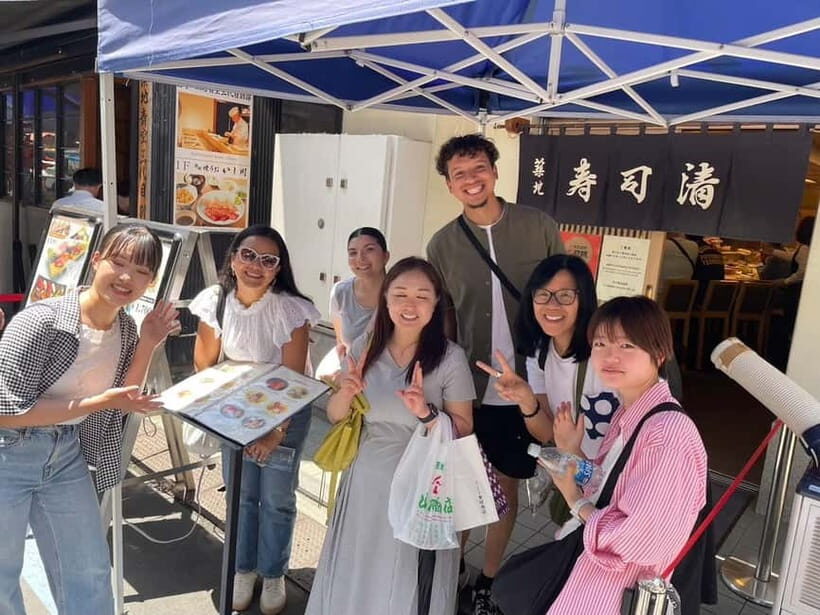
Tsukiji hits different when it comes with a young local guide. This private 3-hour walk mixes temple time, a real market feel, and conversations with Tokyo university students who are practicing their English and sharing how they see Japan.
I particularly like starting at Tsukiji Honganji Temple, where the day doesn’t feel like a food-only chase. I also love that you get included bites like tamagoyaki and a classic-style sushi lunch, so you’re not stuck guessing what’s worth ordering. The one catch: the tour includes raw food items, so if you’re sensitive to that, you’ll want to plan carefully.
In This Review
- Key points you’ll care about
- Meeting at Tsukiji Honganji Temple: start with worship, not shopping
- What I’d watch for here
- Walking with Tokyo university students: the conversations are the real product
- Why that matters for you
- A fair consideration
- Outer Market: where food professionals shape the street
- A reality check (so you don’t get disappointed)
- Namiyoke Inari Jinja: the short shrine stop that adds context
- What to do here
- Lunch at the end: tamagoyaki and sushi done the traditional way
- Raw food note (read this part carefully)
- Photos during the tour
- Weather, pace, and shoes: a practical plan for a rainy Tokyo day
- What I recommend you do before you go
- What you’re really paying for: value at $87 for a student-led private tour
- Who this price works best for
- Who should book this Tsukiji tour (and who should skip)
- Should you book this Tsukiji walk and sushi private tour?
- FAQ
- Where do I meet the guide?
- How long is the tour?
- Is this a private tour?
- What food is included?
- Is anything else besides tamagoyaki and sushi included?
- Does the tour include raw food?
- What languages are the guides?
- What should I bring or wear?
- Can I cancel for a refund?
Key points you’ll care about
- Temple start at Tsukiji Honganji: begin with a cultural stop before you hit the market noise
- University student guide conversations: easier, more relaxed chats than a typical lecture
- Outer Market route guided by locals: you’ll see famous sights and learn what stalls do best
- Namiyoke Inari Jinja visit: a short shrine stop that adds meaning beyond food
- Included tamagoyaki and sushi lunch: you arrive with an appetite, then get fed
Meeting at Tsukiji Honganji Temple: start with worship, not shopping
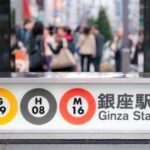
The tour starts where a lot of visitors miss the point. You meet at the main gate of Tsukiji Honganji Temple, near Tsukiji Station (Tokyo Metro Hibiya Line), and your guide will be holding a sign with your name. It’s a small detail, but it matters when you’re in a dense area and you don’t want to waste time hunting for the right person.
Once you’re inside, you’ll spend about 30 minutes with a guided look at Tsukiji Hongan-ji. This is the opposite of the usual “show up, eat, leave” model. The temple stop gives you a baseline for how Tsukiji isn’t only a marketplace. It’s also a neighborhood with rituals, routines, and a sense of community. Even if you’re not into temples, it helps you understand why the area still feels grounded even when it’s surrounded by seafood talk.
You can also read our reviews of more walking tours in Tokyo
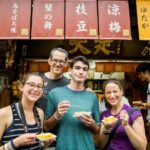
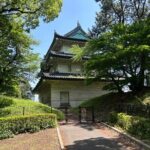
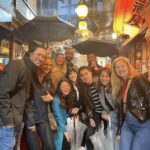
What I’d watch for here
Wear comfortable shoes. The walking comes soon after, and you’ll be on your feet through market streets and stairy bits. Also, try not to arrive stuffed. The tour specifically recommends coming with an empty stomach, and that advice makes sense once you see what’s included later.
Walking with Tokyo university students: the conversations are the real product
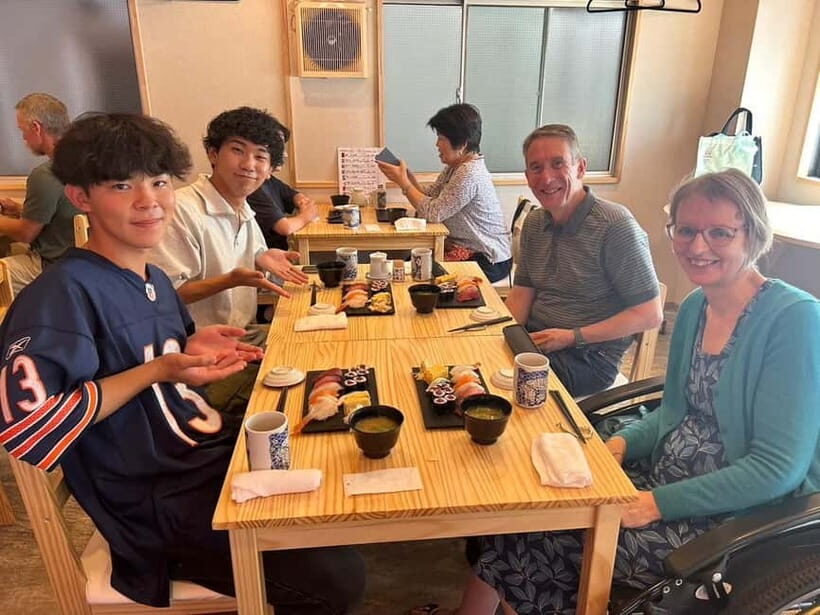
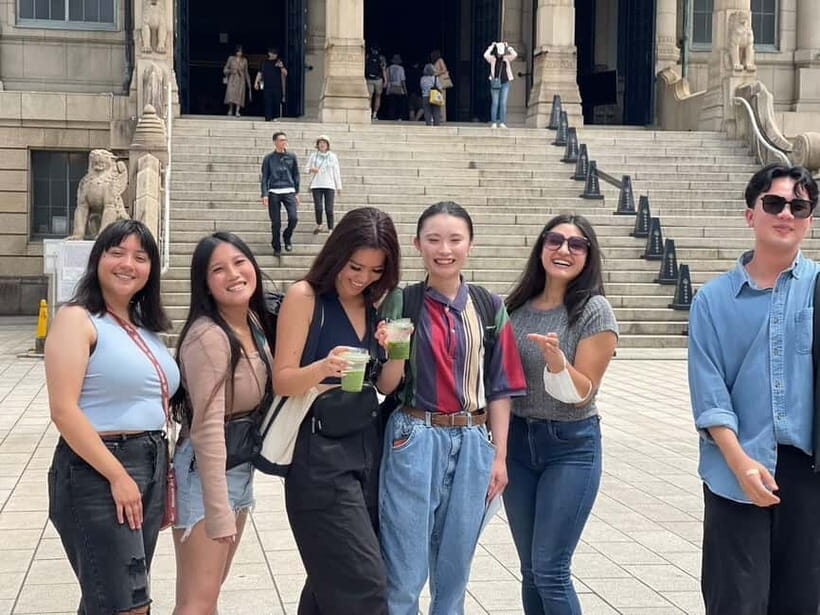
This is a private tour with a university student guide in Tokyo. That shapes the whole experience. The vibe tends to be more human-scale than a standard “tour-company script.” You’ll have time for easy, meaningful conversation, and since the guides are actively studying English, you’ll often get a natural back-and-forth rather than one-way explanations.
From names shared in past tours, you might be guided by people like Teddy or U. Other student guides mentioned include Nonoka, Kiko, Yuri, Risa, Kaho, and Yuta. What ties them together is a common theme: lots of friendly information about Japan and the Tsukiji area, plus humor and genuine energy when questions come up.
Why that matters for you
If you’ve ever done a group tour where you’re quietly taking photos while someone else talks, this format can feel different. A student guide usually has more chances to ask you what you think, what you’ve eaten already, and what you want to see next. That can turn Tsukiji from a checklist into something you actually understand.
A fair consideration
The guides are studying English, so the depth and speed of English can vary. That’s not a problem if you’re patient and curious. Just don’t expect perfectly polished, professional tour-guide delivery. The payoff is the chance to connect with real people in real learning mode.
You can also read our reviews of more private tours in Tokyo



Outer Market: where food professionals shape the street
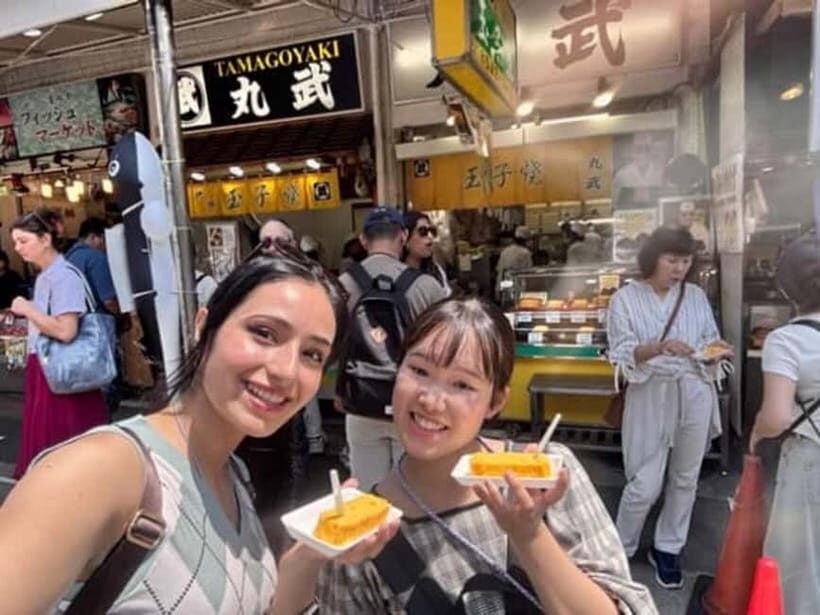
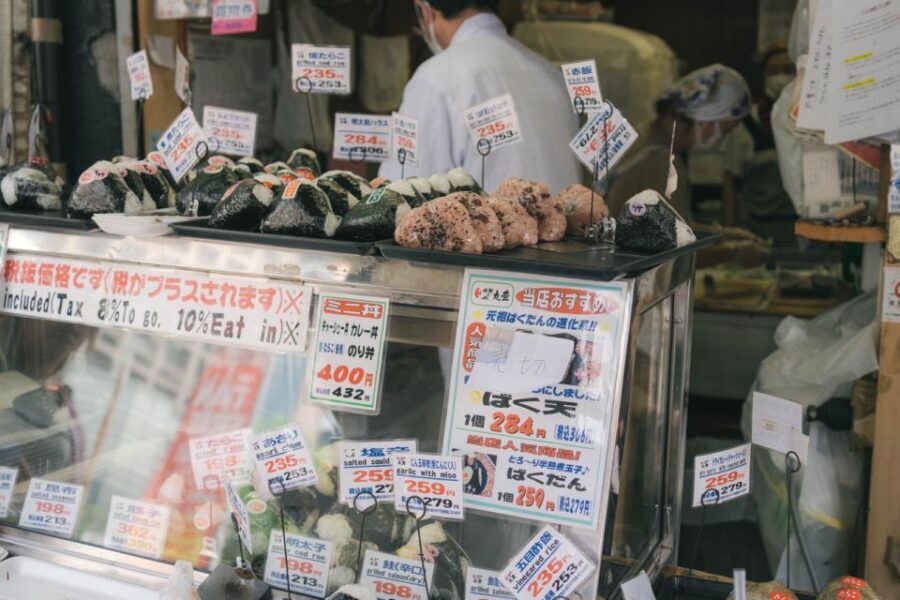
After the temple, you move into Tsukiji Outer Market, with about 1.5 hours of guided time. This part is lively in a practical way: the streets feel built around vendors, customers, and fast decisions. You’ll be walking through the area with someone who knows how it works, not just what it looks like from the outside.
You’re there for two things at once:
- seeing famous Tsukiji sights people point to in guidebooks
- learning what the market actually does day-to-day
A good guide helps you notice what matters. You’ll likely get pointers on how to approach stalls, what to look for in offerings, and how to ask questions without feeling lost. And since you’re walking with a local student, the conversations often land on small cultural details: how people talk about food, what counts as a treat versus everyday eating, and how Tsukiji fits into Tokyo life.
A reality check (so you don’t get disappointed)
Market time can be all about options, and options can be a lot. This tour includes tasting food later, but it also gives you an appetite for additional stalls. If you want to eat more than what’s planned, you should budget extra. Drinks aren’t included either, so plan on paying for beverages separately.
Namiyoke Inari Jinja: the short shrine stop that adds context
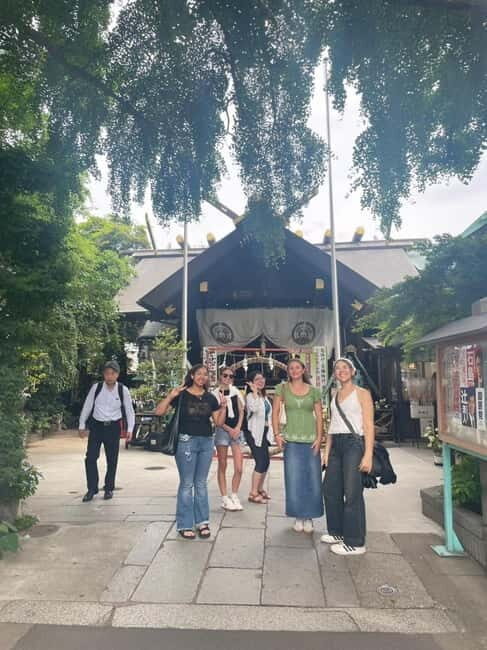
Halfway through the route, you’ll visit Namiyoke Inari Jinja. This is a guided stop, not a long detour. Still, it adds something valuable: a look at how people bring protection and good luck into their daily rhythms.
Inari shrines are common in Japan, but here it’s placed inside the Tsukiji area, so it feels tied to the neighborhood’s working identity. It’s the kind of moment that helps you see the market as part of a lived-in place, not just a place to photograph and eat.
What to do here
Take a few minutes to slow down and actually look around. The guided time is short, so you’re not meant to wander for long. But even a brief visit can make the rest of your walk feel more anchored.
Lunch at the end: tamagoyaki and sushi done the traditional way
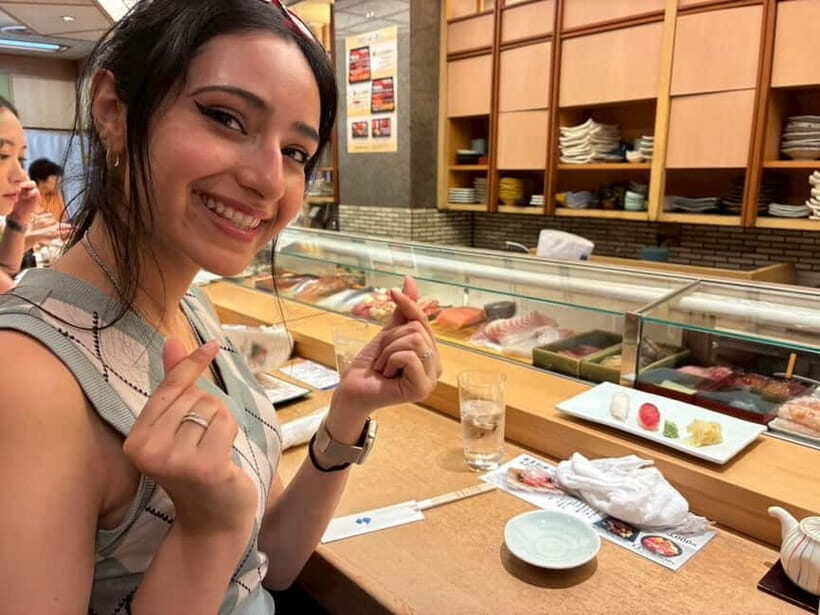
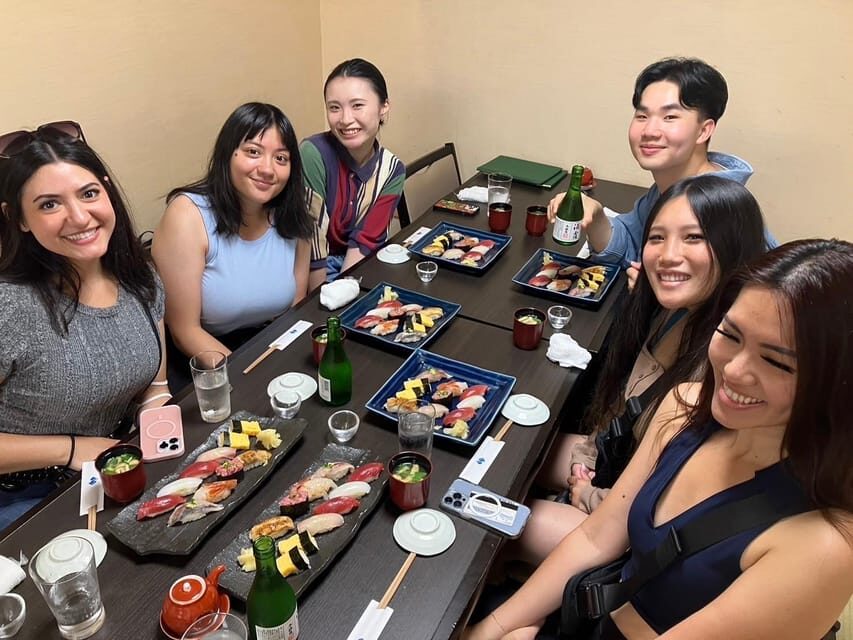
This tour’s most concrete payoff comes at lunch. You’ll head back toward the market area for about 1 hour to enjoy the included meal. What’s included is tamagoyaki and sushi, served in a local sushi restaurant in a traditional style.
Tamagoyaki first makes sense. The rolled omelet is soft, sweet-savory, and very forgiving if you’re still adjusting to a day of market tastes. Then the sushi comes, and here’s where having a guide helps again: ordering becomes simpler, and you’re less likely to end up with something you wouldn’t choose if you were figuring things out alone.
Raw food note (read this part carefully)
The tour includes raw food items. That’s common with sushi, but it’s worth stating plainly. If you don’t eat raw fish, or if you’re cautious about anything raw, talk to your guide and adjust your expectations. Since the included meal is part of the experience, don’t assume you can swap everything out without asking.
Photos during the tour
Another small but useful inclusion: photos are taken during the tour. When you’re walking through a dense market with people and narrow aisles, it’s easy to forget to take pictures of yourself. Having someone handle that means you actually get the memories, not only the screenshots of menus.
Weather, pace, and shoes: a practical plan for a rainy Tokyo day
This is a walking tour that lasts 3 hours. That timing matters, because Tsukiji can feel like sensory overload if you’re rushing. The route is designed to fit temple time, outer market wandering, one shrine stop, and lunch without turning into a full-day endurance event.
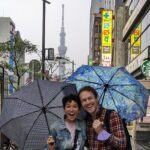
Rain is part of Tokyo. The good news: if it’s drizzling, the tour proceeds as scheduled. In severe weather conditions, you’ll be notified by email. The itinerary may change due to rain, so come with flexible expectations.
What I recommend you do before you go
- Bring comfortable shoes you can trust on slick pavement.
- Wear weather-appropriate clothing. Even light rain can make market walking more annoying than you think.
- If you’re doing this on a tight schedule, leave buffer time for the weather-dependent route changes.
What you’re really paying for: value at $87 for a student-led private tour
At $87 per person for 3 hours, this isn’t a budget “grab a ticket and wander” activity. But it’s also not overpriced for what you get.
Here’s the value logic:
- You’re paying for a private, English-speaking student guide (so conversation and navigation are built in).
- You get included food (tamagoyaki and sushi) plus a lunch stop inside the market ecosystem.
- You get guided access to major Tsukiji touchpoints, including Tsukiji Honganji Temple and Namiyoke Inari Jinja.
- You also get photos taken during the experience.
Where the cost can creep up is outside the included plan. Food beyond tamagoyaki and sushi isn’t included, and drinks aren’t included. If you’re the type who loves trying everything, you’ll spend more than the base price.
Who this price works best for
If you value guidance and conversation over self-guided wandering, this price can feel fair. If you only want the cheapest way to eat sushi, you could build something on your own. But if you want Tsukiji with context and human interaction, the guide does a lot of the heavy lifting.
Who should book this Tsukiji tour (and who should skip)
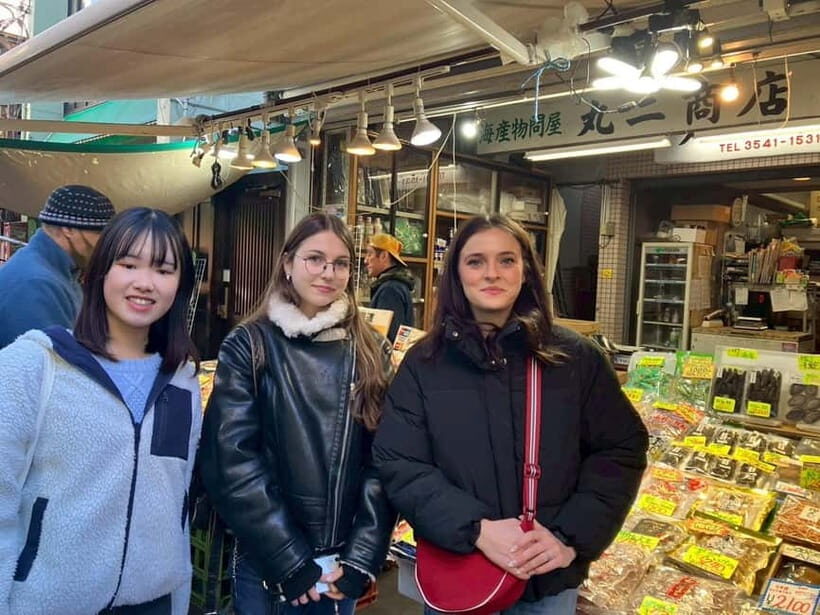
This tour fits you best if you want Tsukiji for what it is: a working area with culture, food, and people you can talk to.
You’ll likely enjoy it if:
- you like walking tours that mix culture and food
- you want a local-style route rather than a generic shopping loop
- you’re curious about Japanese culture through a friendly student perspective
- you want included tasting food so you don’t have to plan every order
You might choose something else if:
- you strongly avoid all raw food items
- you dislike talking with guides who are actively learning English
- you only want a quick photo stop with minimal time commitment
Should you book this Tsukiji walk and sushi private tour?
Yes, if you’re aiming for a thoughtful Tsukiji experience that goes beyond eating. Starting at Tsukiji Honganji Temple sets a tone that makes the whole market feel more real. The fact that your guide is a Tokyo university student makes the conversations easier and more personal, and the included lunch (tamagoyaki plus sushi) means you’re not guessing what to do once you arrive.
My main “pause” advice is simple: consider the raw food note. If you’re comfortable with sushi, you’ll probably love this. If you’re not, ask questions early and don’t assume a full swap is possible.
FAQ
Where do I meet the guide?
Meet your guide at the main gate of Tsukiji Honganji Temple. They’ll be holding a sign with your name on it. The temple is near Tsukiji Station, just outside the number one exit of the Tokyo Metro Hibiya Line.
How long is the tour?
The tour lasts 3 hours.
Is this a private tour?
Yes, it’s a private group tour.
What food is included?
The tour includes tamagoyaki and sushi as lunch.
Is anything else besides tamagoyaki and sushi included?
Food beyond the included tamagoyaki and sushi lunch is not included, and drinks are not included.
Does the tour include raw food?
Yes, the tour includes raw food items.
What languages are the guides?
The tour is guided in English and Japanese.
What should I bring or wear?
Wear comfortable shoes and dress for the weather. The tour can proceed in drizzling rain, and conditions may affect the route.
Can I cancel for a refund?
Yes. Free cancellation is available up to 24 hours in advance for a full refund.