REVIEW · TOKYO
Japanese dried-type Sweets (Ohigashi) making
Book on GetYourGuide →Operated by 日本文化体験 庵an東京 AN TOKYO · Bookable on GetYourGuide
Your sweet tooth gets a workout. You’ll learn to shape 100% Wasanbon dried-style ohigashi using cute wooden molds, and I love that the flavor is all about freshness, not shortcuts. The only real heads-up: the session is tight on time, so you’ll want to show up ready to go.
For me, the best part is how hands-on it is for such a short 30-minute experience, with an instructor who guides you through each step. There’s also a chance to add color for an extra fee, but the base version stays natural.
In This Review
- Key Points Before You Go
- Wasanbon Is the Secret Ingredient in Your Ohigashi
- Choose a Wooden Mold, Then Decide on Natural vs Colored
- Inside the AN TOKYO Workshop: How the 30 Minutes Work
- What You’re Actually Doing: Craft Steps You Can Repeat Later
- The Taste Moment: Why Fresh-Made Ohigashi Hits Different
- Price and Value: Is $10 for 30 Minutes Fair?
- Small Planning Tips That Make the Experience Smoother
- Should You Book This 100% Wasanbon Ohigashi Experience?
- FAQ
- How long is the Japanese dried-type sweets (Ohigashi) making experience?
- What kind of sweets will I make?
- Is color added to the sweets?
- Can I choose the shape of my sweets?
- What is included in the price?
- What extras cost more?
Key Points Before You Go
- 100% Wasanbon only, so the taste stays mellow and straightforward instead of masked
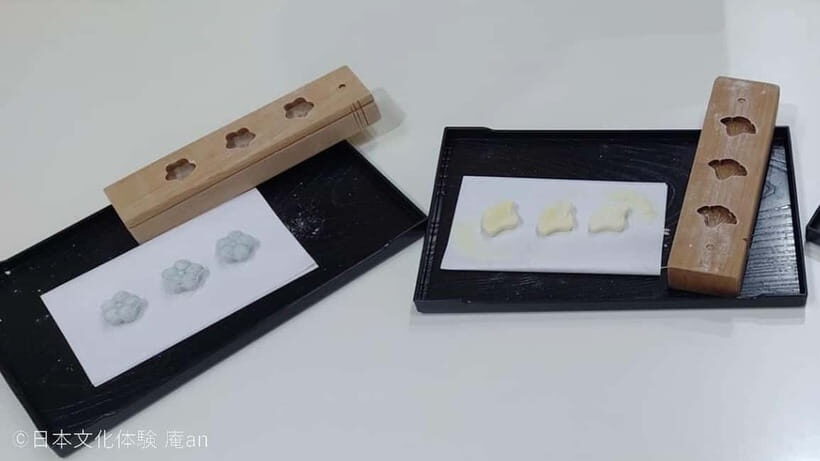
- Cute wooden molds let you pick shapes and get instant satisfaction
- No color by default, with optional colorful versions for a small add-on
- Freshly made ohigashi: you eat it soon after making it, not after it sits around
- Short and focused: a quick explanation, making time, photos, then eating/drinking
- Instruction is guided: you get step-by-step help from a Japanese instructor
Wasanbon Is the Secret Ingredient in Your Ohigashi
Ohigashi are Japanese sweets made in a dry, melt-in-the-mouth style. What makes this class different is the sugar: Wasanbon, a traditional Japanese sugar known for its distinct taste. And here, you’re using 100% Wasanbon, not a blend.
If you’ve only had supermarket Japanese sweets, Wasanbon can feel like a whole other category. You get a mellow sweetness, and the texture is more delicate than many modern sugars. The workshop even frames this clearly: you won’t really know the quality of good Wasanbon until you try it.
There’s also something satisfying about working with a simple ingredient and letting it do the talking. No heavy flavoring. No complicated steps. You learn the craft by making the sweet itself, then you eat what you made while it’s at its best.
A few more Tokyo tours and experiences worth a look

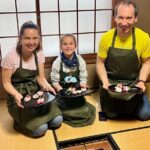
Choose a Wooden Mold, Then Decide on Natural vs Colored
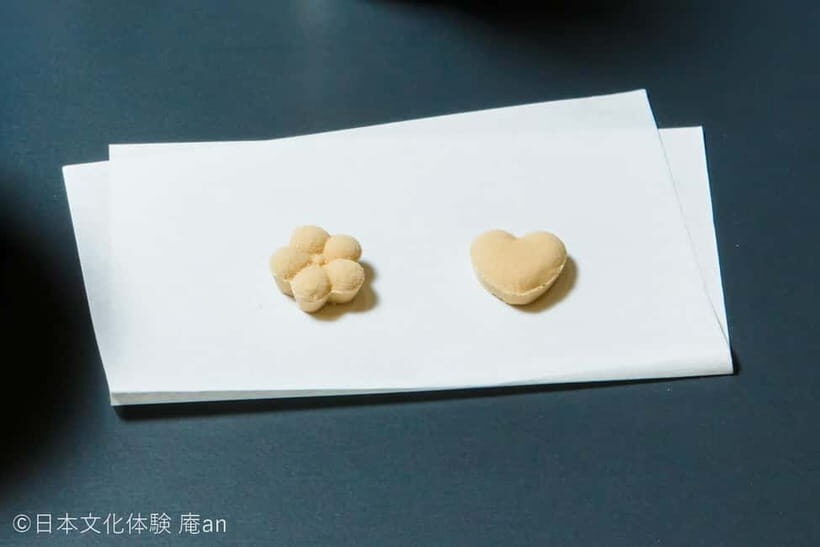
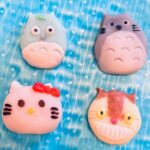
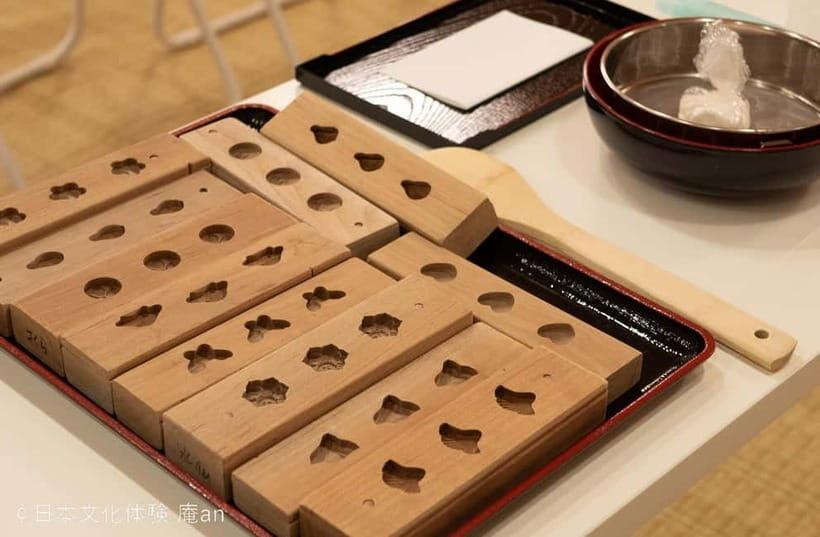
This is a “pick your shape” kind of workshop. You choose your favorite mold—made of cute wood shapes—and then press or form your dried-style sweet using that design. That choice matters because the mold becomes the whole look of your finished ohigashi.
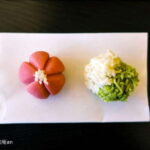
The default approach is clean and classic: you will make ohigashi without adding any color. That’s a big deal if you care about the traditional look and taste. Natural Wasanbon gives you a simple, elegant appearance, and it lets the flavor stay pure.
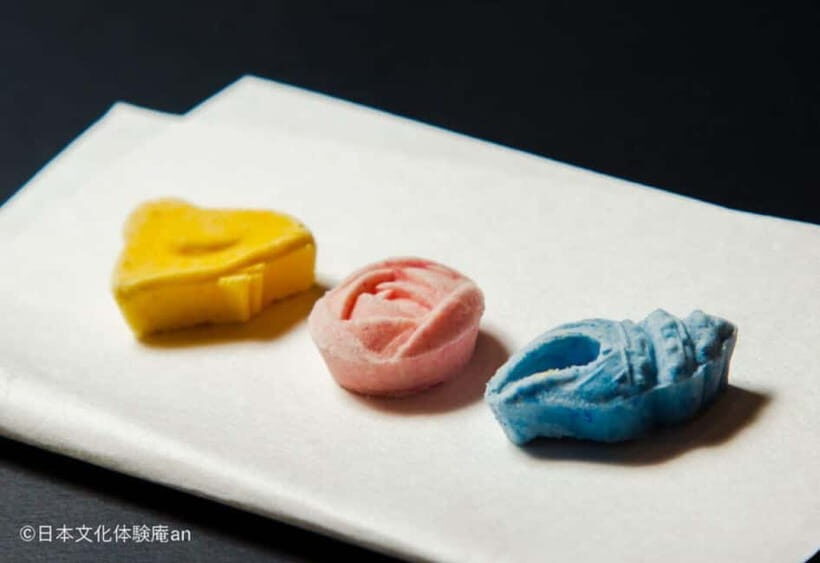
If you want brighter presentation, there’s an optional add-on: adding color costs 200 JPY if you apply on the day. It’s not required, but it’s a fun option if you’re thinking about photos or want something a bit more playful.
So you have an easy decision:
- Want traditional and mellow? Go with the no-color version.
- Want colorful and photo-friendly? Pay the extra 200 JPY and make the colored version.
Either way, you’re still eating something you made with your own hands. And that fresh-made taste is the point.
Inside the AN TOKYO Workshop: How the 30 Minutes Work
The class runs at AN TOKYO Japanese Culture Experience in Honshu (Tokyo area), with the meeting point at coordinates 35.6916541, 139.7715022. You’re in a real workshop setting where you’ll be guided from explanation to making to eating—no wandering, no “wait and watch” theatre.
Time-wise, you should think of it as a fast, gentle flow:
- A short intro explaining Japanese traditional sweets
- The hands-on making portion for the dried-style ohigashi
- Photo time during the process window
- Time to eat and drink your finished sweets
- Departure at the end of the ~30-minute slot
The schedule is tight enough that you won’t feel bored, but it also means you can’t treat it like a slow hobby session. You’ll get instructions, then you follow them—step by step—until your sweets are ready.
One practical plus: you don’t need to bring any special materials. The experience includes the ohigashi making set, and your job is basically to choose a mold, follow the guidance, and enjoy the food at the end.
Language-wise, you should know it’s Japanese. English translation is provided as much as possible, and if you want to add it, you’re told to contact them. That means you’ll likely be fine, even if your Japanese is limited, but don’t expect everything to be perfectly explained in English every second.
Also worth noting: they won’t hold the event for delays. If you’re even a little unsure how long it will take to get there, plan extra buffer. In a 30-minute experience, being late is basically being pushed out of the window.
What You’re Actually Doing: Craft Steps You Can Repeat Later
The core of this experience is the making process for Japanese dried-type sweets. You start with an explanation of Japanese traditional sweets, which helps you understand why the sugar and method matter.
Then you move into the making part: choosing your wooden mold and forming your own ohigashi using Wasanbon. The workshop emphasizes the sugar’s texture—fluffy and smooth—melting in your mouth later. That promise isn’t just marketing fluff, because Wasanbon’s character is usually what people notice first: a mellow sweetness with a clean finish.
Even if you don’t walk away with a full recipe, you’ll learn the basic logic of the craft:
- Selection first: your mold choice shapes the final result
- Texture matters: the sugar behaves in a specific way when formed
- Presentation matters: dried sweets can look simple but need good shaping
- Taste is the payoff: you eat what you made while it’s fresh
And because you choose the shape, you’ll likely end up comparing your results with your own expectations. That’s a nice emotional shortcut to understanding the technique.
If you get the chance to add color (200 JPY), you’ll also understand a second layer of decision-making: not only how it tastes, but how traditional sweets can be stylized depending on your preferences.
The Taste Moment: Why Fresh-Made Ohigashi Hits Different
This is one of those experiences where the timing is the ingredient. The class is built around the idea that freshly made ohigashi taste better than anything you might pick up later and assume is the same.
You’ll get time for eating and drinking at the end, and you can treat that as your real “test drive.” You’re tasting something made from 100% Wasanbon, and the workshop is very clear about the experience goal: that mellow Wasanbon flavor is unique, and you only really understand it by tasting it fresh.
Expect the texture to feel smooth and soft when you eat it, with the sweetness arriving gently. It’s not about sugar overload. It’s more like a small, clean dessert that lets the sugar itself be the star.
Also, the “no color” option is a quiet but important choice. When you don’t add color, you’re tasting the sweet in a more traditional, unmodified form. If you choose the colored version instead, you’re still eating it fresh—just with a more playful look.
Either way, this workshop gives you something rare: a taste of a traditional ingredient right in the moment you see how it’s shaped.






Price and Value: Is $10 for 30 Minutes Fair?
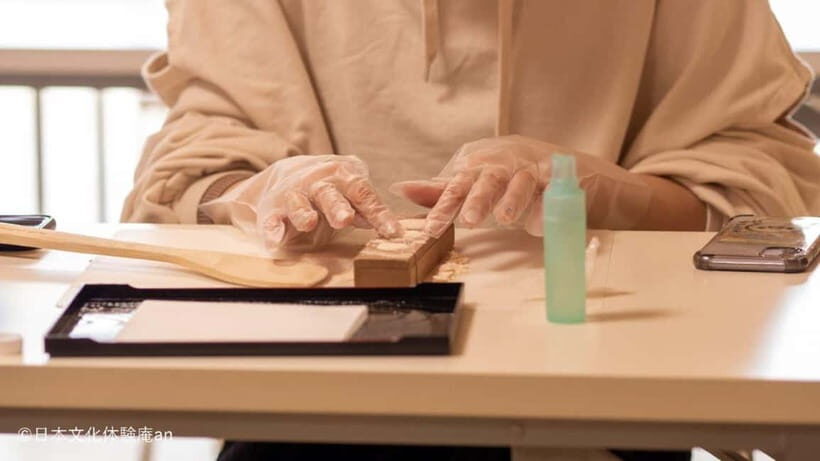
The price is listed at $10 per person, and you’re not just watching. You’re doing the making, you get a set of materials/experience for ohigashi, and you end with tasting time. For many food workshops, the cost goes toward labor, setup, and a final product. Here, you get all of that in a compact format.
What you should judge for value:
- You’re working with high-quality Wasanbon (and they highlight 100% Wasanbon)
- You pick your own wooden mold, which adds personalization
- You eat what you make during the session, not days later
- It’s short, so it fits easily into a day without stealing hours
If you’re the type who likes “one good thing, made well,” this is a strong fit. If you’re hoping for a long cooking class with lots of techniques and a big variety of dishes, this is more of a focused craft-and-taste session than a full workshop day.
There are optional extras:
- Adding color costs 200 JPY
- A completion certificate is 300 JPY
Those add-ons are optional, which keeps the base experience simpler and cheaper.
Overall, the cost makes sense if you want a genuine food-craft moment with a traditional ingredient, not just a souvenir.
Small Planning Tips That Make the Experience Smoother
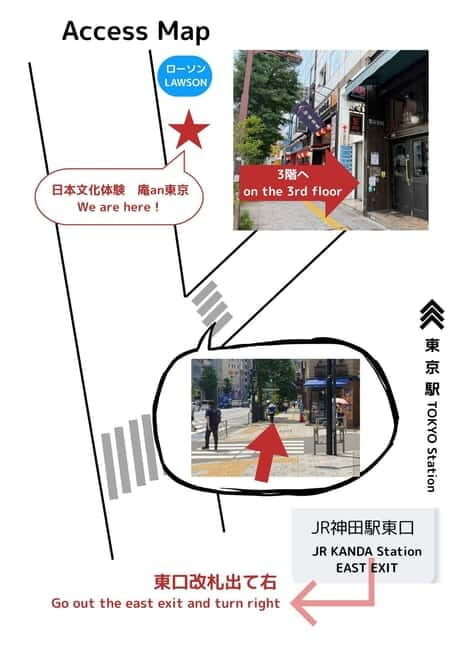
A few practical notes can save you stress.
First, plan for time. The experience operates 10:00 to 17:00, and reservations received after 17:00 are processed next day. In other words, don’t assume late bookings will happen immediately.
Second, show up on time. They won’t hold the event to accommodate delays. Also, if you don’t participate, you’re not allowed to enter. That’s pretty strict, so treat the start time as real, not flexible.
Third, language expectations: the experience is in Japanese, and English translation is provided as much as possible. If you’re coming with specific questions—like what the sugar tastes like compared to other sweets—try writing a few question prompts in advance.
Finally, if you’re traveling with kids: children who sit on their parents’ laps are free of charge if they’re under 2 years old.
Little things like these decide whether the workshop feels relaxed or rushed.
Should You Book This 100% Wasanbon Ohigashi Experience?
I’d book this if you want a short, hands-on Japanese food craft with a clear ingredient focus. The 100% Wasanbon part matters, because it’s what you’ll taste and remember. I also like that you get to choose a mold, so your sweets aren’t just made for you—they’re made by you.
Skip it if you’re looking for a long, multi-course cooking event or if you’ll likely be late. This isn’t the kind of activity that forgives delays. And if you absolutely need full English instruction with zero ambiguity, this may be hit-or-miss since English support is provided as much as possible, not promised as total.
FAQ
How long is the Japanese dried-type sweets (Ohigashi) making experience?
The experience is listed as 30 minutes.
What kind of sweets will I make?
You’ll make Japanese dried-type sweets (Ohigashi) using traditional Japanese sugar called Wasanbon.
Is color added to the sweets?
By default, you make ohigashi without adding any color. You can add color for an additional 200 JPY if you apply on the day.
Can I choose the shape of my sweets?
Yes. You choose your favorite shape using cute wooden molds.
What is included in the price?
The price includes the experience set for making Japanese dried-type sweets (Ohigashi).
What extras cost more?
Adding color costs 200 JPY. A completion certificate costs 300 JPY.