REVIEW · KYOTO
Kyoto: Kimono Tea Ceremony at Orizuruya Gion
Book on GetYourGuide →Operated by LINKTIVITY Inc. · Bookable on GetYourGuide
Kyoto can feel intimidating, especially around dress codes and etiquette. This kimono tea ceremony in Gion is designed so you can enjoy the rituals without worrying about doing it wrong.
I like that you get real structure (small group, English instruction, and step-by-step guidance) plus the fun payoff of making matcha yourself. The kimono part is also handled professionally, including help with choosing from a huge selection and getting hair set simply.
One thing to consider: the experience is timed and hands-on, so you’ll be wearing a kimono and staying focused for about 90 minutes to 2 hours (longer if you add calligraphy). If you’re hoping for a free-form Gion stroll, this is better as a class-first experience.
In This Review
- Key things I’d mark on your Kyoto to-do list
- Where the experience starts in Kyoto’s Gion
- Picking your kimono from 200+ designs (and getting dressed fast)
- The tea room ritual: what you learn, step by step
- Your bowl of matcha plus wagashi: what to pay attention to
- English instruction plus a calm pace you can actually follow
- Optional Japanese calligraphy: when the brush work becomes the highlight
- Keeping the kimono on after the ceremony in Gion
- Price and value: is $49 worth it?
- Best fit: who should book this, and who might not
- Practical tips before you go (so the day feels easy)
- Should you book Orizuruya Gion’s kimono tea ceremony
- FAQ
- How long is the Kyoto kimono tea ceremony experience?
- What language is the instruction in?
- Is the group small?
- What’s included in the price?
- Is hair styling included?
- Do I get to make matcha?
- Where do I meet, and how do I get there?
Key things I’d mark on your Kyoto to-do list
- Kimono choice first: pick from 200+ designs, then get dressed by staff
- Small group size: capped at 10 participants, so questions are actually welcomed
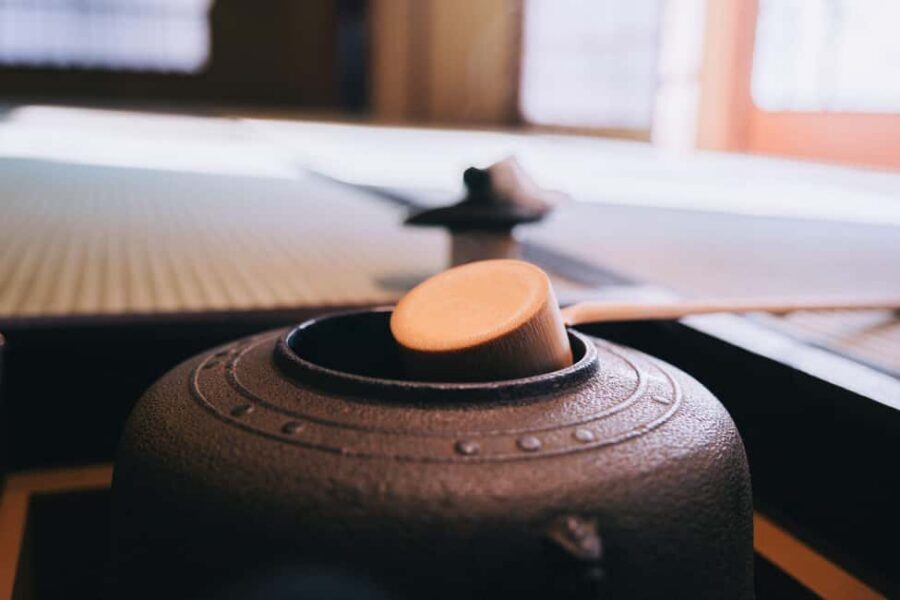
- Learn matcha hands-on: you’ll use the chasen and make your own bowl
- Sweets included: wagashi paired with your matcha
- Optional Japanese calligraphy: included only if you book that version of the experience
- Kimono time after: you can keep it on to walk around Gion (often up to 5pm)
Where the experience starts in Kyoto’s Gion
Your meeting point is Gion Oritsuruya at 572-7 Minamigawa, Gion-machi, Higashiyama-ku, Kyoto-shi, Kyoto. It’s close to transit: about a 10-minute walk from Hankyu Kyoto-Kawaramachi Station or around a 7-minute walk from Keihan Gion-Shijo Station.
Gion is a great place to do this activity because you’re stepping into the exact vibe Kyoto visitors come to see. Still, don’t plan to sprint in a kimono-ready outfit five minutes after you arrive. Give yourself a little cushion so the dressing process starts calmly.
You can also read our reviews of more tours and experiences in Kyoto.



Picking your kimono from 200+ designs (and getting dressed fast)
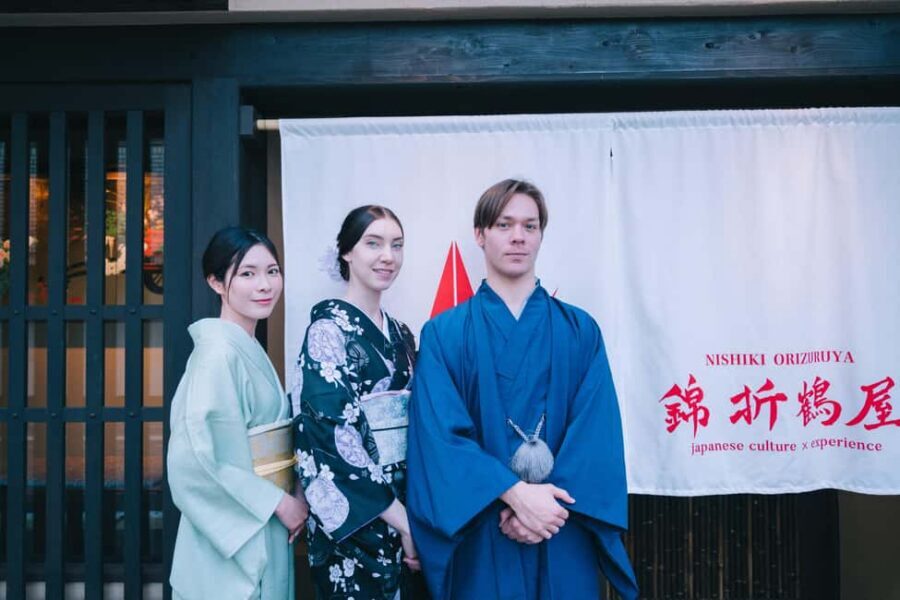
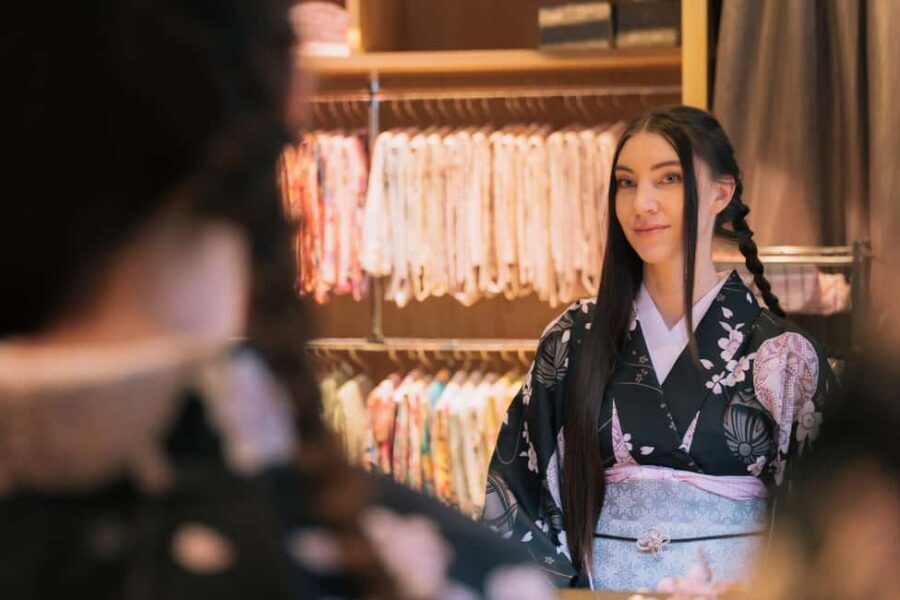
The kimono portion is usually what makes this experience feel different from a standard tea class. Here, you don’t just get assigned something. You select your favorite from over 200 designs, then the staff helps you get into it properly.
For women, simple complimentary hair styling is included, which matters more than people think. A kimono isn’t just fabric; it changes how you sit, move, and even how you take photos. Hair and fit done right keep you comfortable and look sharp without needing to know what you’re doing.
For first-timers, this is also a smart way to handle the stress. You’re not wandering around Kyoto wondering whether you’re wearing things correctly. You’re in a back-room setup where professionals guide the process and help you feel put together before you step into the tea space.
The tea room ritual: what you learn, step by step
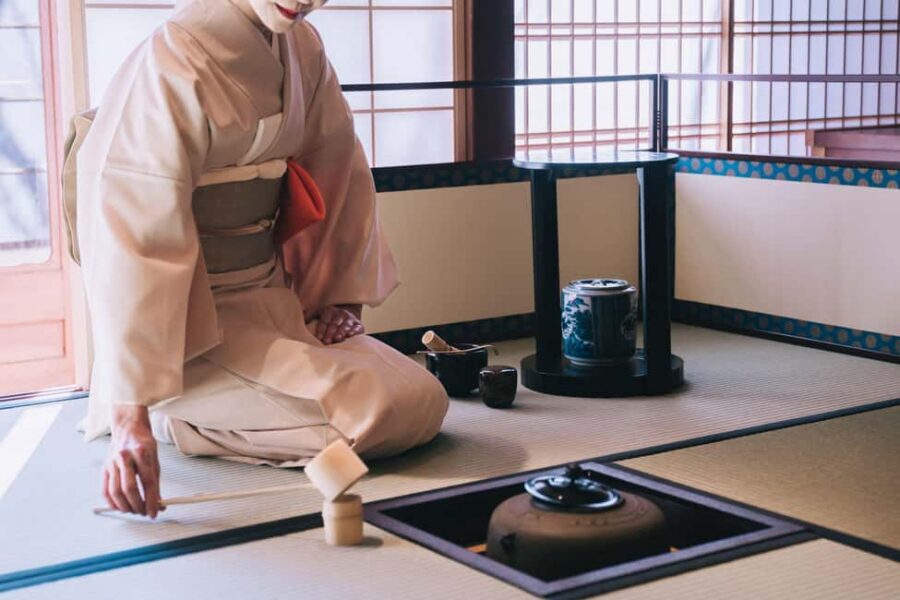
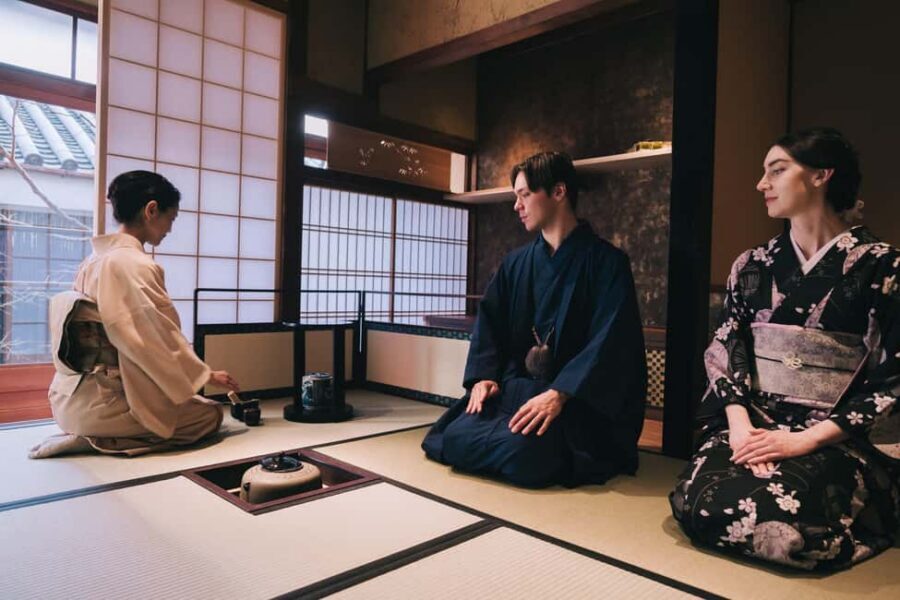
Once you’re dressed, you move into the tea ceremony itself. The instructor guides you through the rituals and the meaning behind what happens, not just the motions. The goal is that you can follow along and ask questions in English.
The core skill is matcha preparation. You’ll learn the graceful, precise method of making matcha using a traditional bamboo whisk, the chasen, and then you’ll make a bowl of matcha yourself.
Here’s why this matters for your experience: many “tea ceremonies” let you watch. This one turns you into a participant. When you actually whisk matcha, you understand why the tool, the bowl, and the technique matter. Even if you’re not chasing perfection, you come away with a repeatable skill you can practice later.
Your bowl of matcha plus wagashi: what to pay attention to
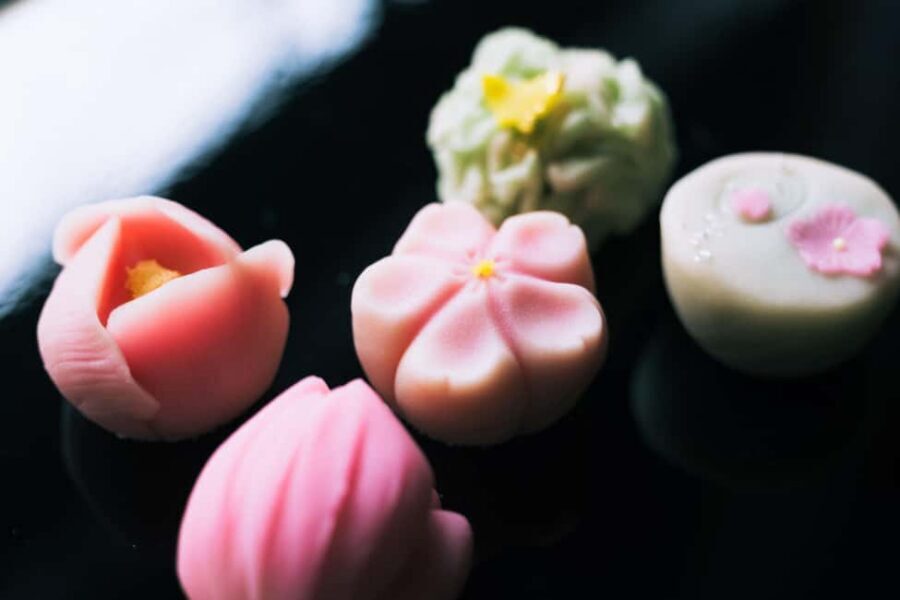
You’ll get to enjoy your matcha paired with Japanese sweets (wagashi). The description also notes the sweets come from a century-old confectionery, which is a nice detail because it signals quality rather than snack-pack basics.
When you’re tasting, don’t treat it like a quick sip-and-go. Pay attention to how the sweetness supports the tea’s character. This is one of those moments where you’ll likely notice how different matcha feels when you’ve made it, not just received it.
One small practical note: because your matcha is part of the class flow, you won’t be stuck waiting around for your turn. The experience keeps moving from dressing to ceremony to tasting, with the instructor pacing the explanations so you’re not overwhelmed.
English instruction plus a calm pace you can actually follow
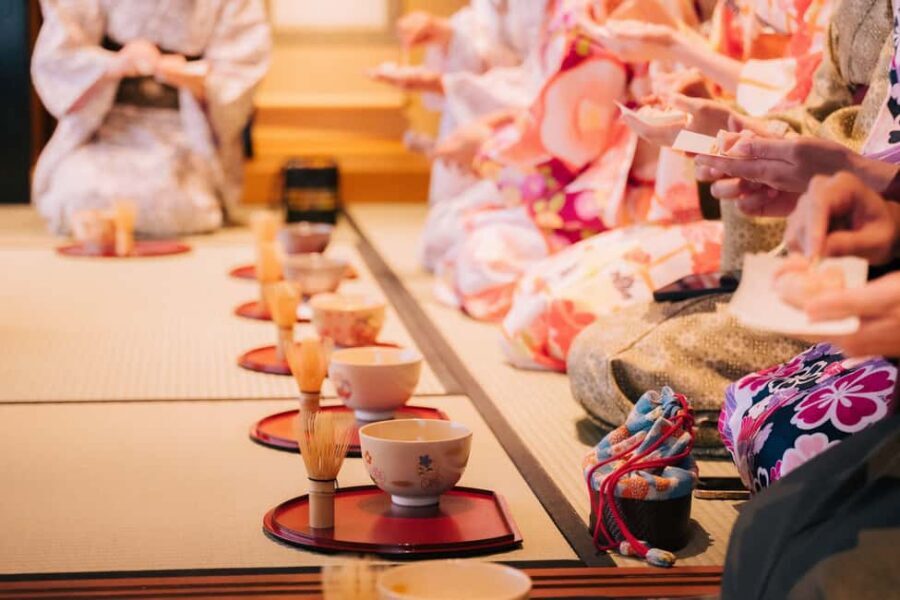
A lot of cultural activities sound great on paper, but you don’t want a language wall added on top of the etiquette. This experience is guided in English, which helps you understand what you’re doing and why.
The small group setting helps too. With a maximum of 10 guests, you’re not shouting questions over other people’s conversations. You can ask basic follow-ups and get clearer answers about how matcha is prepared and what different elements mean.
Also, you may notice the staff atmosphere leaning warm and supportive. Many people mention how staff take photos and help you feel comfortable throughout the process. That’s not a small detail in Kyoto, where you want to enjoy yourself rather than constantly manage your own nerves.






Optional Japanese calligraphy: when the brush work becomes the highlight
If you’re booking the version that includes it, there’s also Japanese calligraphy. When you select that option, a calligraphy set rental is included, and the experience runs closer to 2 hours.
Calligraphy can be one of two things for visitors: either intimidating, or oddly fun once someone shows you the basics. The feedback around this activity tends to praise the calligraphy instruction, with comments that it can be challenging but still enjoyable and encouraging.
If you’ve got any interest in Japanese arts beyond matcha, I’d strongly consider adding it. Tea ceremony is short, and calligraphy gives you another way to connect with the culture through a different skill set. You also leave with something more personal than a photo, depending on how the class is handled.
Keeping the kimono on after the ceremony in Gion
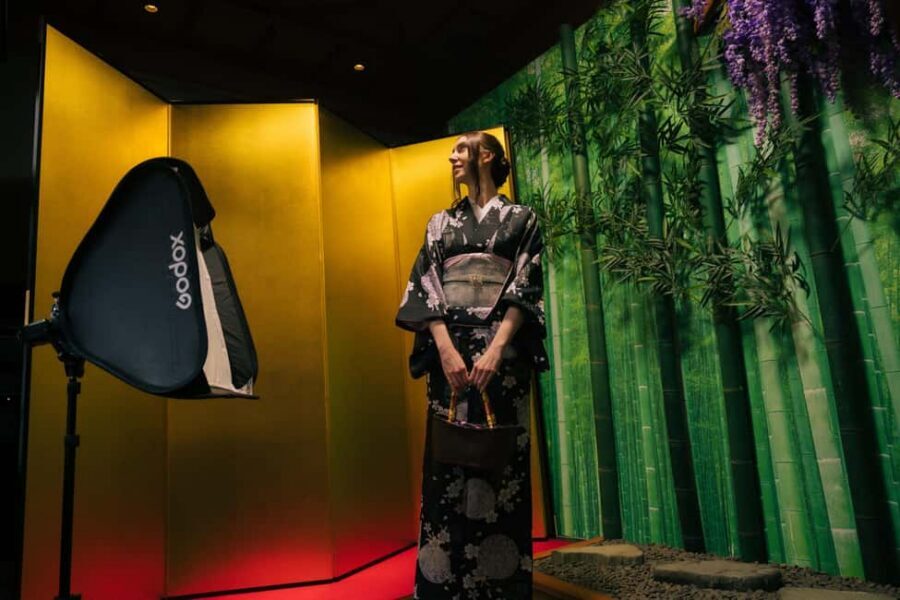
One of the best parts for many people is that you don’t have to treat the kimono as a “one-and-done” costume. Several experiences mention being able to keep the kimono on while walking around the area afterward.
Some people even describe using it for a quick visit to a nearby shrine/temple area, with the walk described as about 10 minutes. Other mentions say you can keep the kimono on up to 5pm, and that you can decide how long you wear it within the allowed time.
That means you can turn a 90-minute or 2-hour class into a broader Kyoto moment. After your ceremony, you get to see Gion in traditional dress, which makes the whole day feel more connected. Just plan your timing with the reality that your hair and outfit are part of the experience, so you may want to keep your next stops close by.
Price and value: is $49 worth it?
At $49 per person, you’re paying for more than matcha. You’re paying for:
- Kimono rental (and the expert help that comes with it)
- Tea ceremony instruction in English
- Tea utensils rental
- Wagashi and matcha
- Small-group time with a licensed guide
On the surface, a tea ceremony can look like a “cheap cultural activity.” The value here is that the experience includes the big visual piece (kimono dressing), the practical skill (whisking matcha), and extra structure (calligraphy if you choose it). That combination is what makes it feel worth the money rather than just a photo opportunity.
If you’re the kind of traveler who wants one Kyoto activity that gives you something you can remember for months (a new routine for matcha, plus photos and a shared experience), this price is in the zone where it usually makes sense. If your only goal is a quick background sight, you might find you’d rather spend that time elsewhere.
Best fit: who should book this, and who might not
This is a great fit if you:
- want a guided introduction to tea ceremony etiquette without guesswork
- like hands-on activities more than watching from a distance
- want a classic Kyoto experience that still feels organized and beginner-friendly
- are interested in matcha beyond the basics
- might enjoy a creative add-on like calligraphy
It may be less ideal if you:
- hate structured experiences where you’re following a timed flow
- want an hours-long tour of multiple neighborhoods
- don’t want to wear a kimono due to comfort or weather concerns
Also, if you’re very particular about personal freedom during a class, remember this is an instructor-led ritual. You’ll have choices, like picking your kimono, but it’s not designed as a DIY experience.
Practical tips before you go (so the day feels easy)
Here are the small things that make a big difference:
- Arrive a few minutes early so you don’t feel rushed during dressing and hair.
- Plan your next stop nearby in Gion if you want to keep the kimono on afterward.
- If you’re cold outside, bring that awareness into your planning. The kimono is part of the appeal, but you’ll be in it while you walk.
- Think of calligraphy as a skill session, not just a demonstration. If you’re curious, you’ll likely have fun even if your brushwork isn’t perfect.
Should you book Orizuruya Gion’s kimono tea ceremony
If you want a Kyoto “do” that connects culture, clothing, and a real skill, I think this is an excellent booking. The biggest reason is the combination: kimono dressing done properly, English guidance, and hands-on matcha with a chasen—plus the option to add calligraphy.
Book it if you’re craving a calm, structured experience that still feels special and photo-worthy without turning into a tourist gimmick. Skip it if you don’t want an organized class format or you’re already overloaded with activities and prefer something purely self-guided.
FAQ
How long is the Kyoto kimono tea ceremony experience?
It runs about 90 minutes to 2 hours, depending on whether you choose the version with Japanese calligraphy.
What language is the instruction in?
The ceremony and instruction are in English.
Is the group small?
Yes. It’s a small group with a maximum of 10 participants.
What’s included in the price?
Included are the kimono set rental, tea ceremony utensils rental, snacks (wagashi and matcha), and all fees and taxes, plus a licensed guide.
Is hair styling included?
Yes. For women, simple hair styling is included.
Do I get to make matcha?
Yes. You’ll learn matcha preparation and try making your own bowl of matcha.
Where do I meet, and how do I get there?
You meet at Gion Oritsuruya: 572-7 Minamigawa, Gion-machi, Higashiyama-ku, Kyoto-shi, Kyoto. It’s about a 10-minute walk from Hankyu Kyoto-Kawaramachi Station and about a 7-minute walk from Keihan Gion-Shijo Station.