REVIEW · TOKYO
Tokyo: Chopstick Making Workshop with Artisan
Book on GetYourGuide →Operated by Local Guide Stars · Bookable on GetYourGuide
You came to Tokyo for the big sights, but try this calm craft stop too. In a small workshop in Taito-ku, you’ll carve and finish your own wooden chopsticks with tools and techniques that feel genuinely traditional. I like that the staff keeps things friendly and practical, and you learn why chopsticks matter in everyday Japanese life.
The main watch-out is timing. One recent guest felt the 1-hour session could feel a bit rushed if you’re slower at carving or if the group doesn’t start all at once.
In This Review
- Key moments you’ll remember (and why they matter)
- Where you’ll go in Tokyo (and what kind of neighborhood this is)
- What the 1-hour workshop actually feels like
- 1) Quick start: wood choice and setup
- 2) Carving: shaping the chopsticks by hand
- 3) Smoothing and finishing
- 4) Wrap it up and take it home
- Choosing wood: free options, upgrades, and how to decide
- The artisan experience: English support and real help when you get stuck
- Your souvenir: personalization that doesn’t feel gimmicky
- Price and value: is $16 worth it?
- Best for who (and when it may not fit your travel style)
- Where to fit it on your day (so you don’t feel rushed)
- Practical details that help you show up ready
- Should you book the Tokyo chopstick-making workshop?
- FAQ
- How long is the chopstick making workshop?
- Where is the meeting point?
- How much does the workshop cost?
- Is the group size small?
- Do I need to speak Japanese?
- Can I take the chopsticks home the same day?
- Can I choose different types of wood?
- Are tools and materials provided?
- Is there optional personalization like engraving?
- Is the workshop wheelchair accessible?
- Is free cancellation available?
- Can I reserve first and pay later?
Key moments you’ll remember (and why they matter)
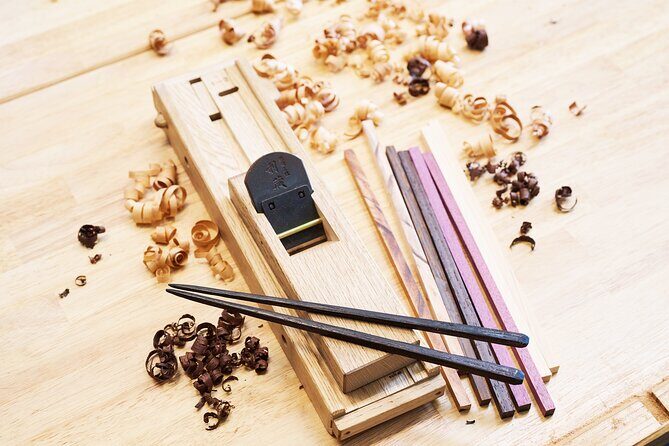
- A real hands-on carve: you shape the chopsticks yourself, not just watch a demo.
- Choose from 10+ wood types: start with 3 free options, then upgrade if you want a specific look.
- English support from artisans: guidance is clear enough even if your Japanese is minimal.
- Small group size (up to 10): you get help before small mistakes turn into big ones.
- Same-day take-home: leave with your chopsticks ready to use or gift.
- Optional engraving for extra personalization: a popular add-on if you want names or a message.
Where you’ll go in Tokyo (and what kind of neighborhood this is)
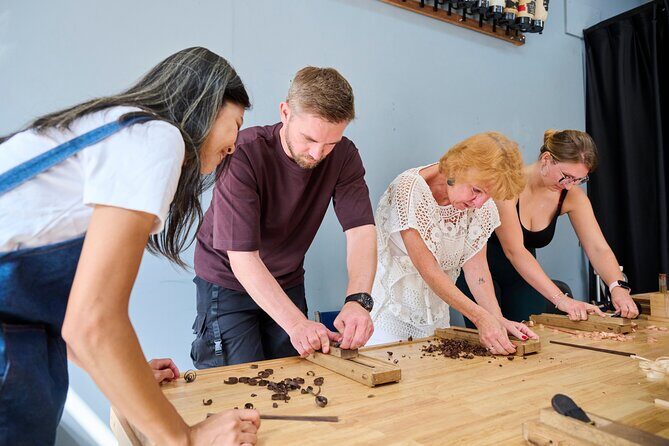
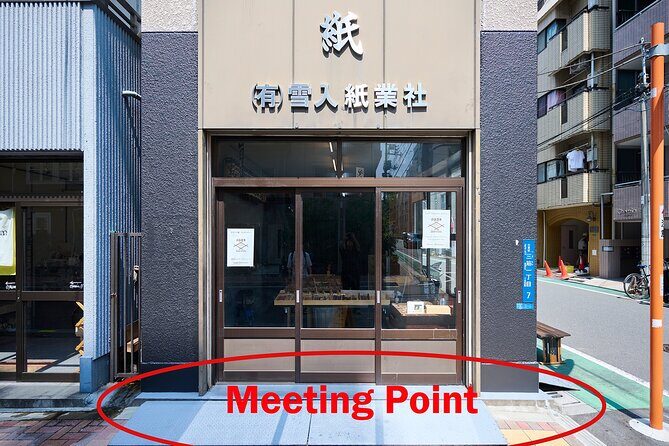
This workshop happens at Hashiyuki Chopsticks Shop & Workshop, 1-7-1 Misuji, Taito-ku, Tokyo (雪入紙業社 / Yukiirishigyosya). The coordinates are 35.7032168, 139.7853879, which can help if you’re using a maps app while you’re in that part of the city.
Why this location works: Taito-ku has more of that old-school craft vibe than the trendiest tourist pockets. You’re not just doing a souvenir. You’re stepping into a working neighborhood where everyday objects are made with care. That shift alone can be worth it after hours of trains, crowds, and check-in lines.
It’s also a smart match for your schedule. At 1 hour, you can fit it between museum time and dinner without turning the day into a logistical puzzle.
A few more Tokyo tours and experiences worth a look

What the 1-hour workshop actually feels like
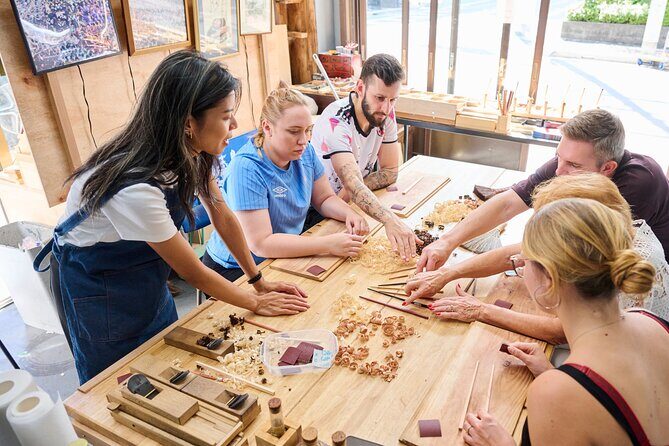
Think of this as a guided make-your-own craft session, with enough structure that beginners do fine. You’ll be led through the basic steps using traditional tools, then you’ll do the carving and finishing at your own pace—within the time window.
Here’s the flow you can expect:
1) Quick start: wood choice and setup
You’ll start by picking your wood. The workshop offers over 10 wood types, but 3 types are included free of charge. The higher-grade woods are available for an additional fee, so you can keep it simple or go fancy depending on your budget.
That wood decision matters more than you might think. People in the workshop setting typically notice differences in how the wood feels under the tools, and in the final color/finish once it’s sanded and completed.
2) Carving: shaping the chopsticks by hand
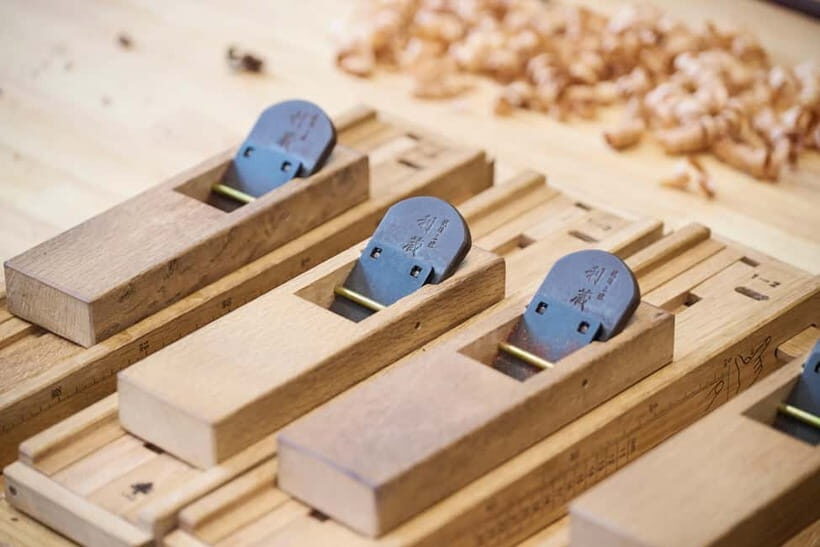
Then comes the core action: you carve and shape the chopsticks using the workshop’s traditional tools and techniques. This is the part where a good guide earns their fee. In the reviews, guests repeatedly mention instructors fixing small mistakes and helping them get the result they wanted, rather than letting them struggle alone.
If you’ve never carved anything before, don’t worry. You’re not aiming for a museum-grade restoration project. You’re aiming for good-looking chopsticks you’ll actually use.
3) Smoothing and finishing
After the shaping step, you smooth the surface and finish the chopsticks to a usable standard. This is where you go from rough wood to something that feels like an object from a careful craft shop.
Finishing is also where your chopsticks become gift-ready. Even if your carving is imperfect, a careful finish can make the final piece look thoughtful instead of DIY.





4) Wrap it up and take it home
At the end, you leave with your personalized chopsticks, and they’re wrapped nicely. You can plan to use them right away on your next meal—or store them as a souvenir that doesn’t just sit in a drawer.
Same-day take-home is one of the best parts. Many workshops in major cities are great, but you’re often stuck waiting for shipping. Here, you walk out holding your finished work.
Choosing wood: free options, upgrades, and how to decide
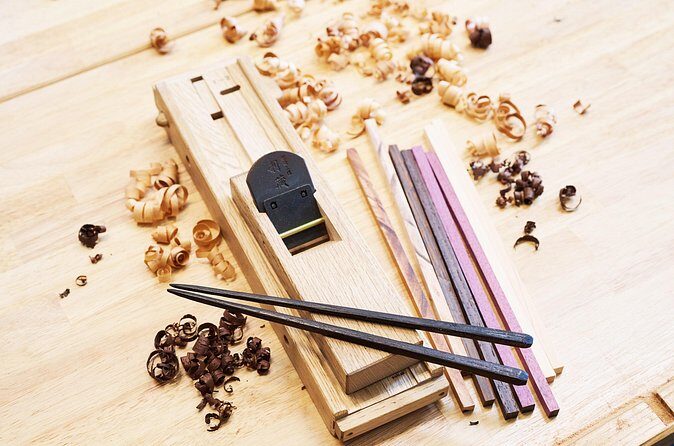
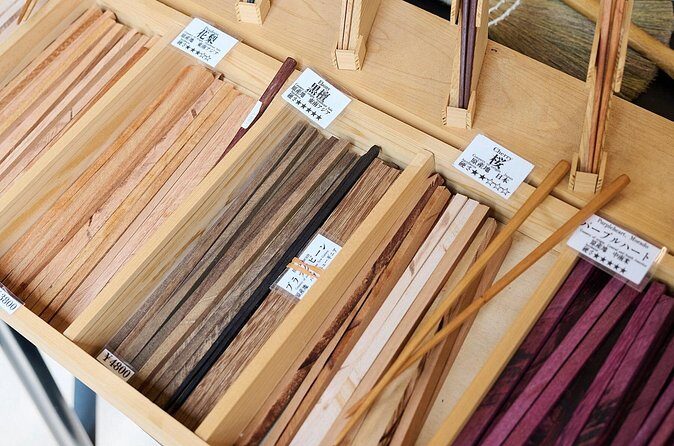
You get options, and that’s part of the fun. The workshop lists 10+ types of wood, with 3 included at no extra cost.
If you want the smartest “value” approach, do this:
- Pick one of the included woods first.
- Only upgrade if you’re drawn to a specific look (darker, lighter, different grain) and you’re okay paying the added amount.
A few guests specifically mention that instructors explained the difference between wood types and helped them pick wisely. That’s the kind of small education that turns the workshop from a craft activity into a real cultural experience.
If you’re the type who likes matching souvenirs to your home style, upgrading can make sense. If you just want a memorable skill and a keepsake you’ll use, the included woods likely get you exactly what you need.
The artisan experience: English support and real help when you get stuck
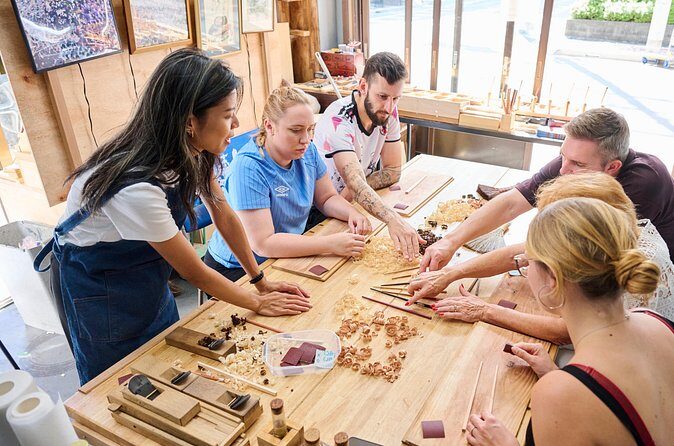
The workshop staff is English-speaking, and the instructors also use Japanese as needed. For many visitors, this is what makes the workshop feel stress-free: you don’t have to interpret everything with guesswork.
Multiple reviews mention specific instructors by name, which tells you the teaching style is consistent and personable. You’ll hear names like Yuki, Angie, Tomo, Kaana, Victoria, Chihiro, Rad, Anthony, and Chichiro. People describe them as patient and encouraging, with clear instruction on how to shave, sand, and correct mistakes.
That correction part is big. Carpentry and carving are full of tiny errors you can’t always see until later. Good guidance helps you fix issues early—so you end up with chopsticks you’re proud of, not chopsticks you avoid using because they’re awkward.
One caution from a review: the workshop ran with a small number of staff for around 10 people, and groups didn’t start in unison. That created a slightly rushed feeling for at least one guest. It didn’t sound like a disaster, but it’s worth knowing if you like unhurried pacing.
My practical advice: if you’re easily stressed by time limits, consider booking at a time when you’re not racing to dinner after. And if you’re adding upgrades (like higher-grade wood or engraving), factor that into your expectation of how relaxed the hour will feel.
Your souvenir: personalization that doesn’t feel gimmicky
You’re making something you’ll actually handle, not just pose with. That matters.
Your chopsticks are personalized, and they’re wrapped to take home that same day. So you get the best souvenir combo: hands-on labor + useful object + a story you can tell later.
Some guests choose an additional engraving option for extra personalization and mention paying extra (one person referenced ¥1000). If you’re gifting these to a friend or partner, engraving can turn them from nice souvenirs into something that feels personal.
Even without engraving, the workshop already gives you a unique souvenir: custom-shaped chopsticks made by your own hands, in a craft neighborhood setting.
Price and value: is $16 worth it?
At $16 per person for a 1-hour workshop, this sits in the “high value” category for Tokyo craft experiences—mostly because you leave with a finished product the same day.
The value equation looks like this:
- You pay for instruction and all tools/materials.
- You get a real craft output (chopsticks) that you can use.
- You’re guided by staff who help you correct mistakes.
- You can choose included woods at no extra charge, so you can keep spending under control.
Then there’s the optional spending. Higher-grade woods cost extra, and some people add engraving. That’s normal for craft workshops. Just decide ahead of time whether you want:
- Budget souvenir: included wood + basic personalization.
- Upgraded gift: higher-grade wood and optional engraving.
Either way, you’re not just buying a keepsake. You’re buying a skill moment and a small window of calm in the middle of Tokyo.
Best for who (and when it may not fit your travel style)
This workshop is a great fit if you want:
- A beginner-friendly craft experience.
- A relaxing activity that doesn’t require advanced skills.
- A souvenir that’s functional and personal.
- English support from artisans.
It’s also family-friendly in practice. One review described enjoying it across a wide age range, from an 8-year-old up to adults. That suggests the workshop is set up to handle different skill levels, as long as everyone can follow basic instructions.
It might be less ideal if:
- You need a perfectly unhurried pace (because the session is only 1 hour).
- You’re extremely detail-focused and hate compromises caused by time.
- You expect a long, philosophical lecture. This is hands-on, not a museum tour.
Where to fit it on your day (so you don’t feel rushed)
Since it’s 1 hour, plan around it like a booking, not like a sightseeing stop.
Good pairing ideas:
- Before a meal when you’re not hungry enough to feel impatient.
- Mid-morning or early afternoon as a break from busy streets.
- After a neighborhood walk, so your brain shifts from sightseeing to doing.
If you add upgrades (higher-grade wood and especially engraving), give yourself a little cushion. At least one guest felt the overall experience can feel tight if the session flow gets busy.
Practical details that help you show up ready
- Meeting point: Hashiyuki Chopsticks Shop & Workshop, 1-7-1 Misuji, Taito-ku.
- Duration: 1 hour.
- Group size: limited to 10 participants.
- Languages: English and Japanese.
- Supplies: tools and materials are provided.
- Wheelchair accessible.
If you can, wear clothes you’re comfortable getting slightly dusty. You’ll be working with wood and smoothing materials, even though the shop handles the mess level in a workshop way rather than a construction-way.
Should you book the Tokyo chopstick-making workshop?
Yes—if you want a Tokyo souvenir that’s more than a picture. I recommend booking this workshop when you value hands-on work, clear instruction, and taking home something you’ll use.
Book it especially if:
- You enjoy craft activities with a calm pace.
- You want small-group attention rather than a crowded “watch and move on” experience.
- You like the idea of learning why chopsticks are culturally important, not just how to carve them.
Skip it or adjust expectations if you’re the kind of person who gets upset when a workshop hour feels like it has pressure. There’s a chance it can feel tight, especially if groups don’t start at exactly the same time or if the staff is supporting a larger set of participants.
Overall, at $16 for a same-day handmade output, this is one of those low-stress, high-satisfaction experiences that makes your Tokyo trip feel personal.
FAQ
How long is the chopstick making workshop?
It lasts 1 hour.
Where is the meeting point?
You’ll meet at Hashiyuki Chopsticks Shop & Workshop, 1-7-1 Misuji, Taito-ku, Tokyo (雪入紙業社 / Yukiirishigyosya). Coordinates: 35.7032168, 139.7853879.
How much does the workshop cost?
The price is $16 per person.
Is the group size small?
Yes. It’s limited to a small group with a maximum of 10 participants.
Do I need to speak Japanese?
No. The workshop includes English-speaking staff, and the instructors can also use Japanese.
Can I take the chopsticks home the same day?
Yes. You take your personalized chopsticks home the very same day.
Can I choose different types of wood?
Yes. The workshop offers over 10 types of wood. Three types are included free of charge, and higher-grade woods are available for an additional fee.
Are tools and materials provided?
Yes. All tools and materials are provided.
Is there optional personalization like engraving?
Some participants mention adding engraving for an extra fee for further personalization.
Is the workshop wheelchair accessible?
Yes, it’s listed as wheelchair accessible.
Is free cancellation available?
Yes. You can cancel up to 24 hours in advance for a full refund.
Can I reserve first and pay later?
Yes. There’s a reserve now & pay later option, where you can book and pay nothing today.