REVIEW · HIROSHIMA
Hiroshima: Miyajima Island Half-Day Tour with Guide
Book on GetYourGuide →Operated by AIDO · Bookable on GetYourGuide
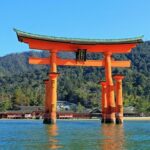
Miyajima hits different when the torii gate is timed right. This 4-hour guided half-day is built around Itsukushima Shrine and the island’s signature tide trick, plus the fun chaos of Omotesando shopping and roaming deer. Two things I really like: the guide checks the tide forecast to chase the best photo window, and you get an easy food-and-sight blend with Hiroshima oyster (seasonal) and momiji manju. One possible drawback: if the tide window is less perfect on your day, your iconic torii photos may be more “photo-plan” than guaranteed postcard.
I also like how much of the logistics get handled for you. The guide meets you at the coin lockers outside Miyajimaguchi Station, keeps the group moving, and takes care of shrine tickets—so you spend less time figuring stuff out and more time enjoying the island. In past tours with guides like Sony and Kaku (both referenced by guests), the pacing tends to feel relaxed and photo-focused, with lots of stops where you can actually look.
The overall vibe is practical and local. You’ll walk an easy circuit—ferry over from Hiroshima, down the Omotesando street for treats, through Itsukushima Shrine and Daishoin Temple, and then back with insider tips for the rest of your trip. If you’re short on time but want the real Miyajima essentials without stress, this one is a strong use of half a day.
In This Review
- Key things I’d plan around
- Why Miyajima’s tide-timed torii is worth your half-day
- Meeting at Miyajimaguchi Station and crossing the Seto Inland Sea
- Omotesando shopping street: where Miyajima gets delicious
- Itsukushima Shrine: the UNESCO stop you’ll actually understand
- Daishoin Temple: calm walking, temple atmosphere, and a different kind of focus
- Miyajima deer: adorable rules for not getting food stolen
- The “secret stop” and why that extra 30 minutes matters
- How long is enough on a 4-hour half-day schedule
- Price and value: what $77 really buys you
- Who this Miyajima half-day tour fits best
- Should you book this Miyajima Island half-day tour?
- FAQ
- Where is the meeting point?
- How long is the tour?
- What language is the live guide?
- What’s included in the tour price?
- Does the tour include ferry transport?
- Is lunch included?
- Do we learn about the torii gate and tides?
- What food can I expect to try?
- Is the tour wheelchair accessible?
- What’s the cancellation and payment flexibility?
Key things I’d plan around
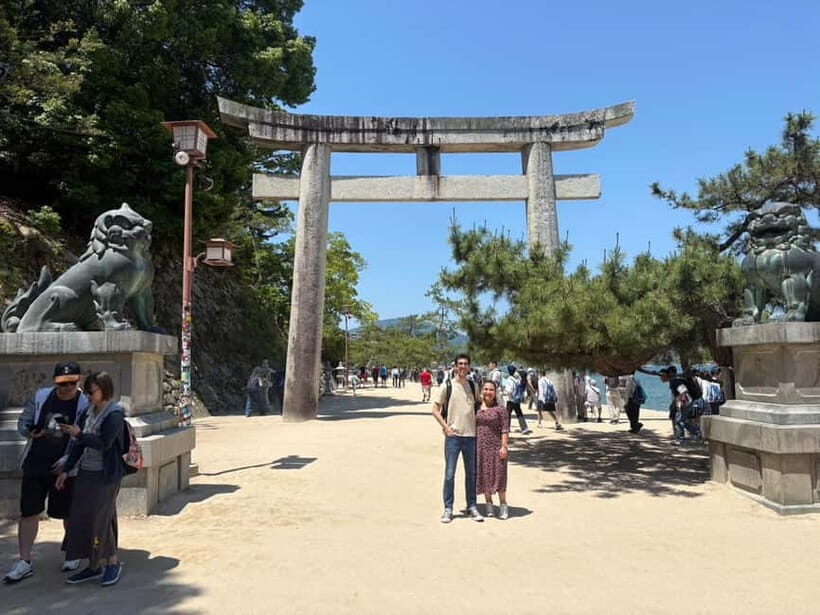
- Tide timing for the vermilion torii: your guide aims for the best photo window based on the forecast
- Omotesando food stop: grilled oyster when in season and a momiji manju maple-leaf cake tasting
- Itsukushima Shrine + Daishoin Temple: UNESCO scenery plus a calmer temple pace
- Deer management: adorable, persistent, and quick to steal food if you’re not careful
- Photo service: your guide snaps pictures and shares them after the tour
- A 30-minute secret photo stop: extra viewpoints to break up the main route
Why Miyajima’s tide-timed torii is worth your half-day
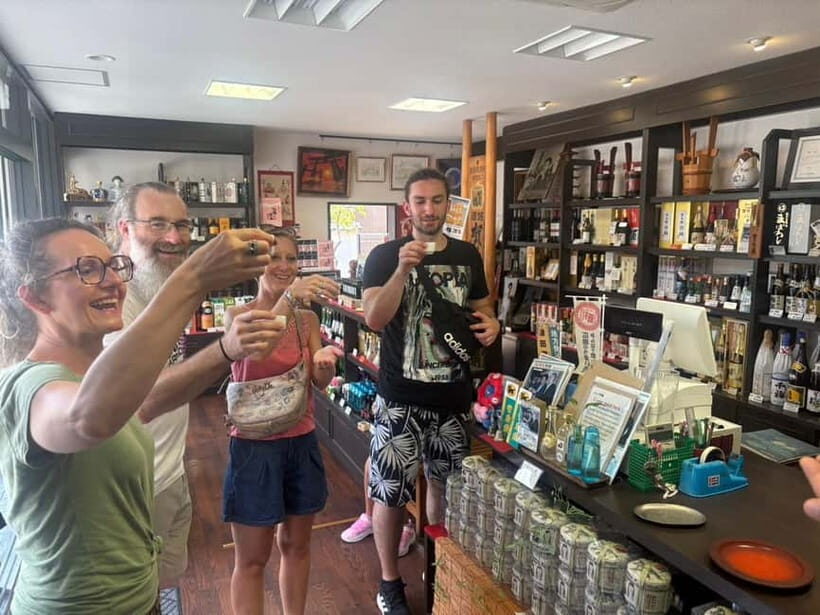
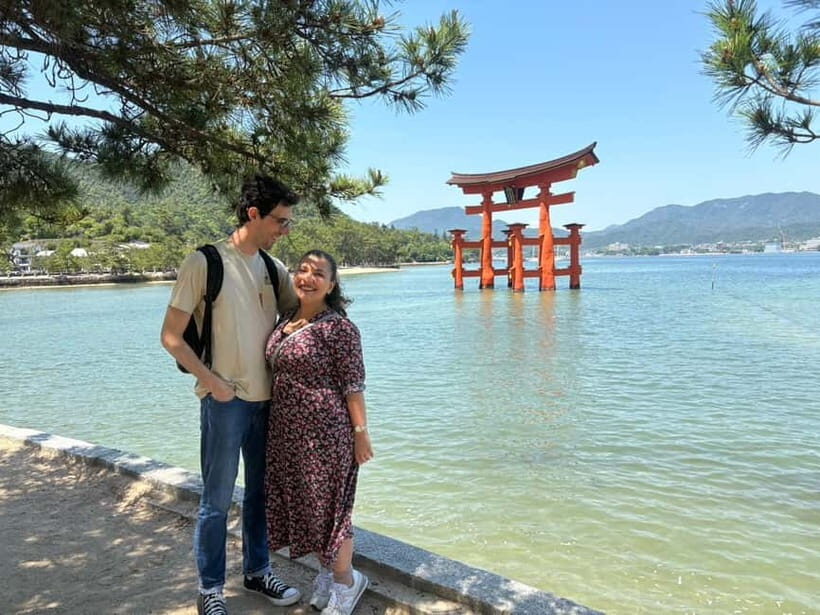
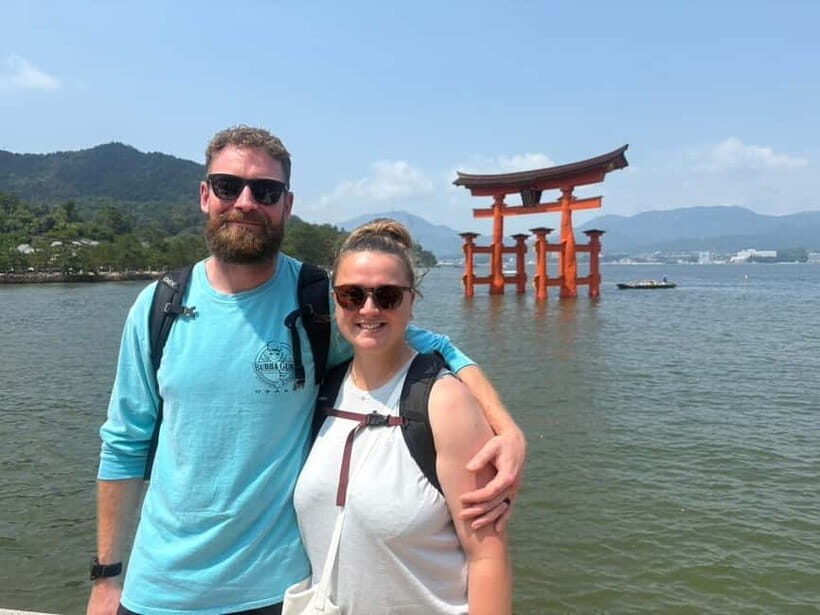
Miyajima’s claim to fame isn’t just a famous shrine. It’s that eerie, beautiful moment when the Itsukushima torii gate looks like it’s floating—because the sea level changes around it.
This tour treats that like the headline. Your guide watches the tide schedule and plans your photo timing for the best window. That means you’re not just walking past the gate; you’re seeing why people obsess over the waterline. If you’ve never traveled with a tide mindset in Japan, it’s a fun switch: instead of chasing “open hours,” you’re chasing conditions.
The same tide logic also shapes what the waterfront feels like as you move. At one water level, the shrine frontage looks dramatic and remote. At another, it feels more reachable and grounded. Either way, you end up with a better grasp of how this island works with nature instead of against it.
You can also read our reviews of more guided tours in Hiroshima


Meeting at Miyajimaguchi Station and crossing the Seto Inland Sea
You start at the coin lockers area outside Miyajimaguchi Station (宮島口駅改札外コインロッカー). It’s a clear, easy meeting point—no mystery rendezvous.
From there, you head to the ferry. The crossing is short, about 15 minutes, which is perfect for a half-day format. That quick hop matters because it keeps the tour feeling efficient rather than rushed. You’ll also get that “arriving on an island” moment fast, without burning your morning or afternoon in transit.
One small practical note: transportation fees aren’t included, but the guide handles the flow. So you still pay the relevant transport cost, while the guide makes sure you’re on the right ferry and not stuck at the wrong counter.
Omotesando shopping street: where Miyajima gets delicious
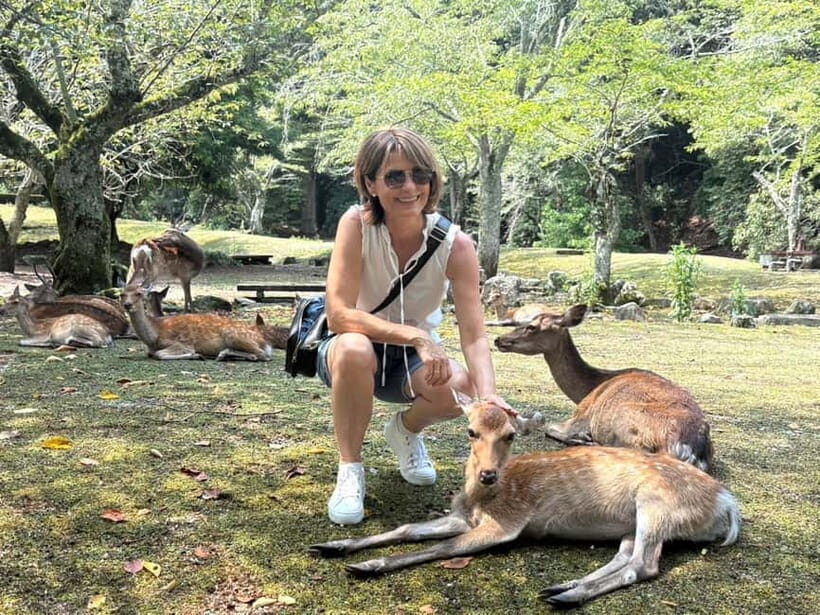
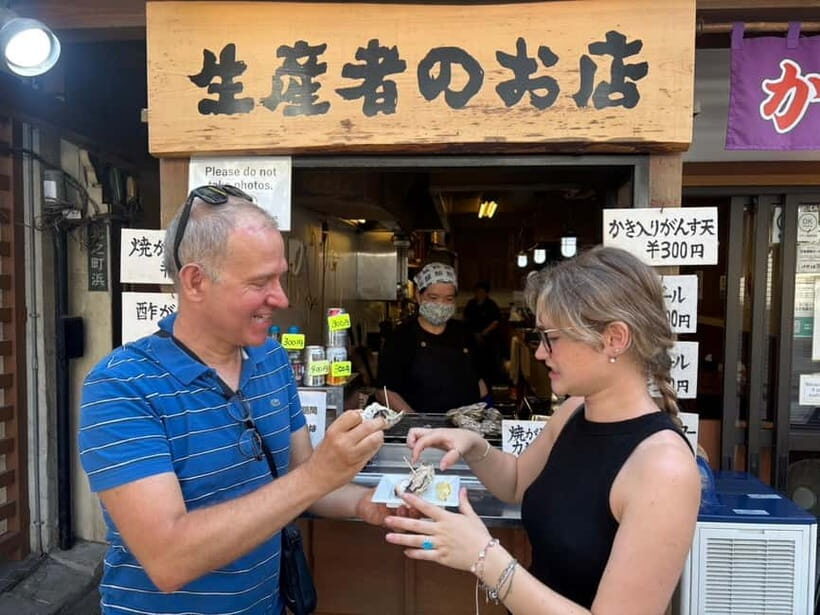
Omotesando is the island’s main street—shops, snacks, and that “street-food first” energy that Japan does well. You spend about an hour here, and the point isn’t to shop for hours. It’s to sample and soak up the atmosphere at a pace that doesn’t exhaust you before the big shrine moment.
Here’s what’s specifically in your experience:
- You’ll taste momiji manju (maple-leaf cake). This is the local signature sweet, and the tasting is included.
- You’ll also get a bite of Hiroshima oyster when it’s in season, grilled as part of the food experience.
This is one of the tour’s best value moments because it turns a “walk past shops” stop into an actual food segment. And it’s also a smarter use of your time. If you try to DIY this portion, you may end up buying only what’s convenient. With a guide, you get local flavors that are meant for this place, not just general souvenir food.
Tip for your energy: treat Omotesando like a sampling lane, not a full meal. Save your heavier lunch/dinner for later, because the schedule still has shrine time and temple time.
Itsukushima Shrine: the UNESCO stop you’ll actually understand
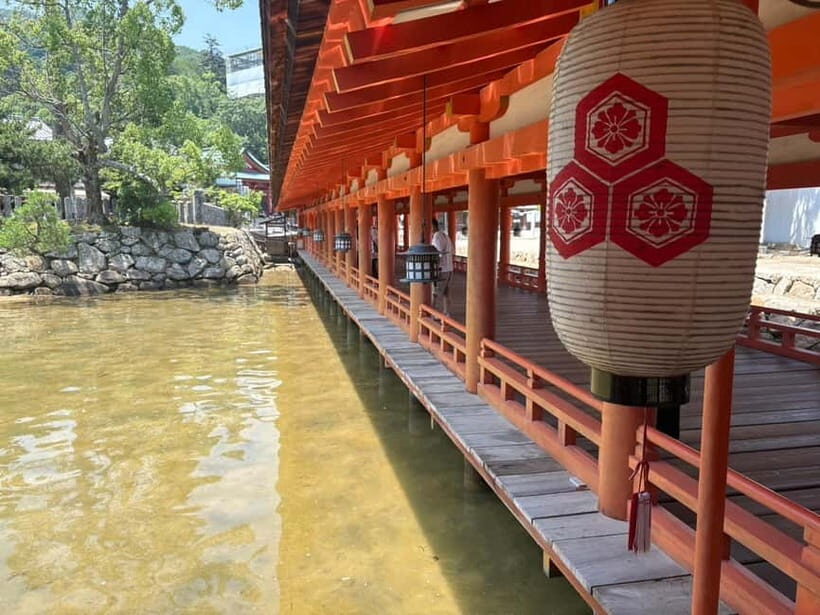
Itsukushima Shrine is the headline for a reason: the architecture, the waterfront setting, and the tide effects all work together. On this tour, you get about an hour with the guide, which is enough time to see it without feeling like you’re speed-walking.
What makes this stop especially worthwhile on a guided half-day is how you learn what you’re looking at. The guide explains how the shrine and torii relate to the water level, so you can connect the visuals to the function. It turns a photo spot into a place with context.
You’ll also get insider-style framing that helps you notice details quickly:
- where your best views tend to be from as you move,
- how different water levels change the look of the vermilion gate,
- and what to pay attention to as you walk through the grounds.
A practical drawback: the vibe can shift with crowd levels and your tide window. If it’s a busy day, you might not linger as long in the most popular angle. The guide helps manage that by choosing a workable route so you still get the key moments.
Daishoin Temple: calm walking, temple atmosphere, and a different kind of focus
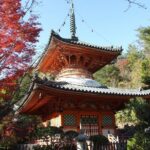
After Itsukushima, you continue inward to Daishoin Temple. This stop is about the spiritual rhythm of Miyajima, not just the waterfront postcard view.
You get guided time here as well, and this is where the tour broadens from “icon” to “island.” If you only saw the shrine, you’d miss the feeling that Miyajima is also a working religious site with a deep visitor path and a quieter mood away from the sea.
Daishoin also ties into the island’s sensory and ritual side, and some guides incorporate a purification-themed experience connected to temple practice as part of the visit. Even if you don’t seek that kind of moment, the temple setting makes the tour feel grounded and gives your feet a new kind of target: less “find the perfect shot,” more “follow the flow.”
A few more Hiroshima tours and experiences worth a look
Miyajima deer: adorable rules for not getting food stolen
The deer are part of Miyajima’s magic—and also part of its chaos. They’re free-roaming, and you’re going to cross paths with them naturally during your walking route.
The best advice I can give you is simple: don’t treat snacks like open invitations. One common tip from guide-led experiences is to avoid eating food near the deer. They’re cute, but they’re persistent, and they can move fast once they decide something smells good.
If you want the deer photos, do it like a pro:
- keep food closed or secured until you’re ready to eat,
- watch your hands,
- and give deer space instead of trying to pose right next to them.
This is also a place where having a guide is a real benefit. Your guide can point out safe moments to observe and photograph so you avoid awkward situations.
The “secret stop” and why that extra 30 minutes matters
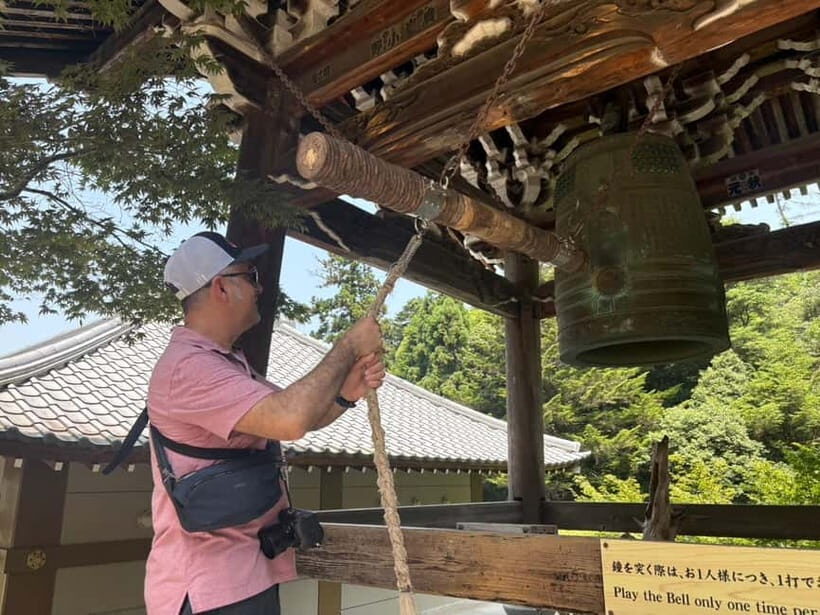
Midway through the tour you’ll have a 30-minute secret stop: a photo stop and guided walk. This is one of those itinerary details that feels small until you get it. It breaks up the main flow between shrine and the final stretch back.
Why it helps:
- You don’t end the tour on a repetitive loop.
- You get at least one viewpoint that feels like it was added for visitors who want more than the obvious shots.
- The guide can adjust timing so you’re not trapped in a fixed schedule.
If you’re the type of person who cares about photos but also wants to understand the place, those small detours are usually where you feel the most “guided” value.
How long is enough on a 4-hour half-day schedule
Four hours on Miyajima is short. That’s the point. The tour is designed to hit the essential island beats—ferry, Omotesando, Itsukushima Shrine, Daishoin Temple, deer encounters, and a final photo stop—without burning you out.
But “short” doesn’t mean “sit down the whole time.” It’s still a walking tour. Expect standing for shrine views and moving between stops.
The good news is that the pacing aims to stay manageable. A lot of guide-led experiences highlight that the time at each stop is enough to see what matters without feeling like you’re constantly rushing to the next location.
If you’re deciding whether to add this to your day, think of it like this: if you want Miyajima’s top moments plus local food and explanations, this half-day can work even on a packed itinerary. If you want deep museum-style time or long hikes beyond the core area, you’ll likely want a longer tour or a second visit.
Price and value: what $77 really buys you
At $77 per person for roughly 4 hours, this tour isn’t a bargain snack. It’s closer to paying for three things that are hard to DIY well:
1) Tide-timed planning
Chasing the torii gate at the right water level is exactly the sort of thing that’s easy to get wrong when you’re on your own.
2) Local food pairing
You get momiji manju tasting included, and you’ll enjoy Hiroshima oyster when in season. That’s a real “on-island” flavor hit rather than vague shopping time.
3) A guide who reduces friction
Your guide meets you at a specific spot, organizes the flow, and handles shrine tickets. You’re also getting a photo service where the guide snaps pictures and shares them after the tour.
What you should budget extra for:
- Transportation fee (listed as not included). The guide can help with routing and timing, but you’ll still pay ferry/transport costs yourself.
- Lunch (not included). There is time set aside for eating, but you’ll buy your meal.
There’s also a data point that matters for comfort: transport performance is highly rated, with 88% giving a perfect score. That usually translates to “things ran smoothly,” which matters on a short, fixed-time day.
Who this Miyajima half-day tour fits best
This tour is a strong match if:
- you want the big Miyajima essentials without planning the minute-by-minute,
- you care about photos and want help with the tide timing,
- you like guided context more than wandering alone,
- you prefer a half-day format that keeps your Hiroshima day flexible.
It’s also great if you’re traveling solo. Several experiences around this tour type mention that the group format can be a friendly way to meet people, while still moving at a comfortable pace.
If you already know Miyajima deeply and want to build your own route with extra hikes or long temple time, you might find the four-hour focus a little tight. But if your goal is “see the best and learn why,” this one makes a lot of sense.
Should you book this Miyajima Island half-day tour?
Yes, I’d book it—especially if this is your first time on Miyajima or if you’re short on time. The main reason is the tide-driven approach. You’re not just visiting Itsukushima Shrine; you’re planning around what makes it special.
Add in the practical wins—guide-handled shrine tickets, photo service, Omotesando food tasting with momiji manju, and a food-and-sight rhythm—and it becomes a high-efficiency way to experience the island. Just go in with realistic expectations: you’ll cover highlights and some interesting extras, not every corner of Miyajima.
If you want a worry-free introduction and your schedule can spare four hours, this half-day tour is a very solid value.
FAQ
Where is the meeting point?
Your guide waits in front of the coin locker area at Miyajimaguchi Station (宮島口駅改札外コインロッカー).
How long is the tour?
The tour duration is 4 hours.
What language is the live guide?
The live guide speaks English.
What’s included in the tour price?
Included items are the local English-speaking guide, shrine tickets, photo service, and a momiji manju maple-leaf cake tasting.
Does the tour include ferry transport?
Ferry transportation is not listed as included under transportation fees, but the guide coordinates the ferry crossing as part of the tour.
Is lunch included?
Lunch is not included. There is time allocated for food, but you’ll pay for your meal.
Do we learn about the torii gate and tides?
Yes. You’ll learn how the tides change the torii gate, and the guide checks the tide forecast to aim for good photo timing.
What food can I expect to try?
You’ll taste momiji manju, and you can also enjoy a grilled oyster when it’s in season.
Is the tour wheelchair accessible?
Yes, the tour is wheelchair accessible.
What’s the cancellation and payment flexibility?
You can cancel up to 24 hours in advance for a full refund, and there is a reserve now & pay later option available.