REVIEW · TOKYO
Tokyo’s Must-Sees: 5-hour Tsukiji, Akihabara & Asakusa Tour
Book on Viator →Operated by MagicalTrip Inc. · Bookable on Viator
Three Tokyo icons, one efficient morning. This guided route stacks Tsukiji Fish Market food tastings, Akihabara game and anime streets, and Asakusa temple landmarks into one low-stress plan, and you get help with photos so you can actually look around. I especially like the included 2–3 market samplings plus lunch with vegetarian and vegan options. The main drawback: you cover a lot on foot, so if walking is hard for you, this is not the best fit.
This is also sized right for comfort, with a max group of 7, and it starts at 9:30 am from the Tsukiji Honganji Temple area. If your Tokyo time is tight and you want a smart overview of three neighborhoods without guessing your way through crowds, this is a practical choice.
In This Review
- Key Things You’ll Notice on This Tsukiji, Akihabara & Asakusa Tour
- Fast Intro to Tsukiji, Akihabara, and Asakusa in 5 Hours
- Starting at Tsukiji Honganji Temple: The Calm Before the Market
- Tsukiji Fish Market Tastings: What to Try and How to Enjoy It
- The food part that matters
- Photo strategy, no stress
- Akihabara’s Game and Anime Streets: Super Potato and Akiba Cultures Zone
- The Transfer Toward Ueno and the Turn Into Asakusa
- Asakusa Temple Time: Kaminarimon and Senso-ji Without the Guesswork
- Why learning matters here
- Old-town Tokyo feel
- Lunch in Asakusa: Vegetarian and Vegan Options You Need to Plan Ahead
- Price and Logistics: Is This Tour Worth $101.74?
- Who This Tour Fits Best (and Who Should Skip It)
- The Guide Makes the Difference: Kenji and Hana as Examples
- Should You Book This Tsukiji, Akihabara & Asakusa Tour?
- FAQ
- Where does the tour start?
- How long is the tour?
- What food is included?
- Can I get vegetarian or vegan lunch?
- Is Tsukiji Fish Market admission included?
- Are train fees included?
- Does the guide take photos?
- What if I have allergies?
- Is this tour suitable for people with mobility issues?
- What happens if the weather is bad?
Key Things You’ll Notice on This Tsukiji, Akihabara & Asakusa Tour
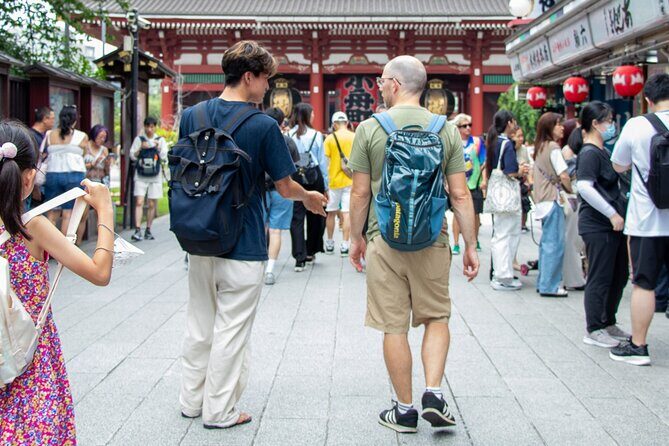
- Tsukiji Honganji Temple as the clean starting point: you meet at the main entrance area and begin with an easy orientation.
- Included market tastings: 2–3 food samples at Tsukiji Fish Market, plus lunch later in Asakusa.
- Akihabara stops that match the vibe: Super Potato and Akiba Cultures Zone are built into the walk.
- Guide photo help: you do not have to fight for shots; the guide takes them and sends them to you.
- Small-group pacing (max 7): better conversation and fewer people to squeeze around than the big tour buses.
Fast Intro to Tsukiji, Akihabara, and Asakusa in 5 Hours
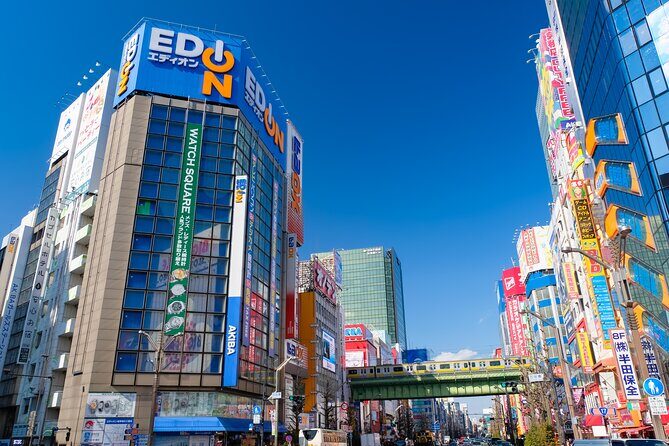
If Tokyo feels like a lot to manage, this tour is built for that reality. In about 5 hours, you hit three neighborhoods that are usually hard to combine in one morning: the seafood-and-kitchen energy of Tsukiji, the neon-bright obsession of Akihabara, and the temple-and-old-street atmosphere of Asakusa.
What makes it work is the order and the guide support. You’re not just moving location to location. You also get context—what you’re looking at, why it matters, and what to pay attention to. That keeps the day from turning into a rushed checklist.
I also like the structure for food. You’re not left to guess what’s safe, where to stand, or what to try first. You get 2–3 tastings in Tsukiji plus lunch in Asakusa, with vegetarian and vegan options available if you request them at least a day ahead.
The practical thing to keep in mind: this is a walking tour. Even with short breaks, it’s still a lot of pavement. Plan for comfortable shoes, and if your mobility is limited, you should seriously consider a private option instead.
You can also read our reviews of more tours and experiences in Tokyo.



Starting at Tsukiji Honganji Temple: The Calm Before the Market
Your morning begins at Tsukiji Honganji Temple (Tsukiji Honganji Temple main entrance area). It’s a helpful start because you begin in a real Tokyo neighborhood, not in a tourist vacuum.
This first stop is about getting your bearings. You’ll have roughly 20 minutes here, and there’s no admission fee. The setting also helps you understand the area beyond seafood. Tsukiji is often treated like a one-note destination, but beginning at a major temple reminds you this is a functioning part of the city, with its own rhythm and rules.
A nice touch is that the tour is designed to keep you on schedule. The group starts on time, and if you’re late, you can miss the tour and won’t get a refund or reschedule. So set yourself up to arrive early, not right at the last minute.
Tsukiji Fish Market Tastings: What to Try and How to Enjoy It
Tsukiji Fish Market is the headline stop, and it’s where this tour gives you real value. You walk around, you sample, and you learn what you’re looking at instead of just taking photos and hoping it all makes sense.
You’ll spend about 1 hour at the market, and admission is free. The big advantage is timing and guidance. Market streets can be confusing and crowded, and food decisions can feel overwhelming when everything smells amazing. With a guide, you can focus on tasting the right things without wasting time.
The food part that matters
You get 2–3 food samplings included. The exact items can vary, but the goal stays the same: you try fresh seafood and local delicacies as you move through the market atmosphere.
A practical tip: bring an empty stomach, but also keep your expectations grounded. Market sampling is usually small by design, so you’re not guaranteed a huge meal here. That said, between the market tastings and the later lunch, the day still feels complete.
Photo strategy, no stress
This is one of the underrated perks. You don’t have to stop, angle your camera, or ask strangers for help. The guide takes photos and sends them to you afterward. It’s a simple convenience, and it matters in places like Tsukiji where you want to keep walking.
If you care about photos, just make sure you follow the group and step into the meeting points the guide suggests. With guide-led photos, your job is mostly to show up where you’re told.





Akihabara’s Game and Anime Streets: Super Potato and Akiba Cultures Zone
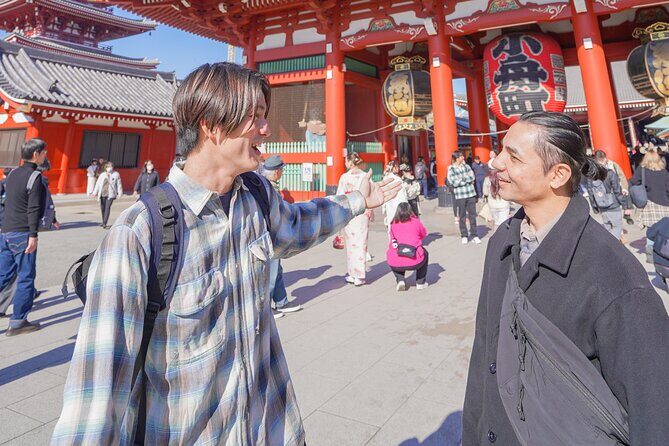
From Tsukiji, the tour shifts into a totally different Tokyo mood: Akihabara. This is where modern pop culture takes over, and the streets feel like a themed map you can physically walk through.
You spend about 2 hours 10 minutes here, and it’s a free-admission stop. The emphasis isn’t generic shopping. The tour specifically includes places like Super Potato and Akiba Cultures Zone, which help you connect with the game and anime culture more directly than a random wander would.
Akihabara can be loud, bright, and slightly overwhelming if you’re not sure where to look first. Having a certified guide helps because they can point out what you’re seeing and which parts are worth your attention. You’ll also get a clearer sense of what’s collectible, what’s current, and what you might actually want to buy versus just admire.
If you’re planning souvenirs, this is your best window. Use it for browsing without pressure. If you only have a short time in Tokyo, this tour’s value is that it gives you a structured taste of Akihabara without forcing you to research beforehand.
The Transfer Toward Ueno and the Turn Into Asakusa

Between Akihabara and Asakusa, you’ll travel across town. The plan mentions a move toward Ueno before continuing your day into Asakusa, and you can treat this as your transit-and-reset segment.
Why this matters: it keeps the day efficient. You’re not trying to connect neighborhoods on your own while hungry, tired, and slightly jaded from crowds. The tour handles the flow, and you keep moving toward the next big change of scenery.
Also, remember that train costs are not included. The tour notes a train fee of 390 yen. Bring some cash and/or use an IC card for trains.
For me, that’s a key value point. The tour price covers the guiding and major sightseeing time, and you only pay a small extra for transit. That makes it easier to budget than some tours that hide extra costs in complicated fare rules.
Asakusa Temple Time: Kaminarimon and Senso-ji Without the Guesswork
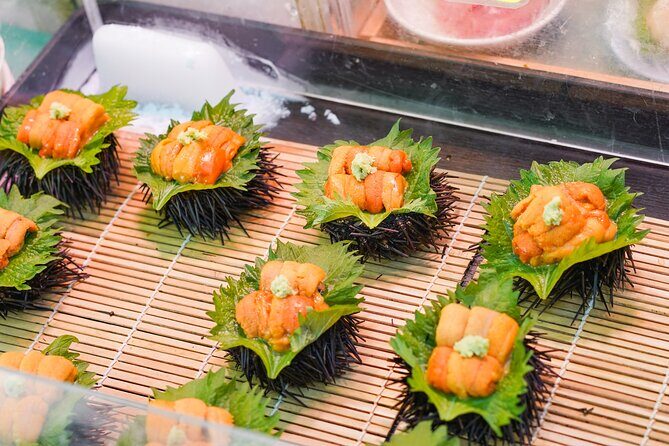
Now you’re in the Tokyo people come for in movies and postcards: Asakusa. This part of the tour is where the day slows down just enough for atmosphere to land.
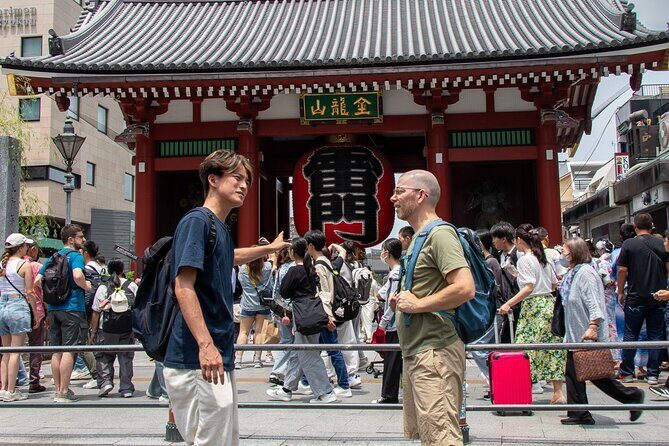
You start with the iconic sights around Sensoji Temple and the surrounding area, including Kaminarimon Gate. The tour schedule includes:
- A look at the Kaminarimon Gate area (about 30 minutes)
- Walking around Sensoji Temple and learning how temple praying works (about 20 minutes)
Admission is listed as free for these stops.
Why learning matters here
Sensoji is the oldest temple in Japan, and even if you’ve seen it online, the real experience is the details around it: the rhythms of people praying, the flow of foot traffic, and the way the space is used.
The guide helps you understand the basic etiquette and what people do when they pray. That prevents the common mistake of treating temple steps like a photo runway with no awareness of what’s happening around you.
Old-town Tokyo feel
You also spend time entering the older streets of the area, where many parts of Tokyo feel less like a modern mall loop and more like a historical district you can stroll through at human speed.
This is also where your included lunch slot fits well. You’ve built up energy in Tsukiji and Akihabara, and now you get a calm landing into classic Tokyo sightseeing.
Lunch in Asakusa: Vegetarian and Vegan Options You Need to Plan Ahead
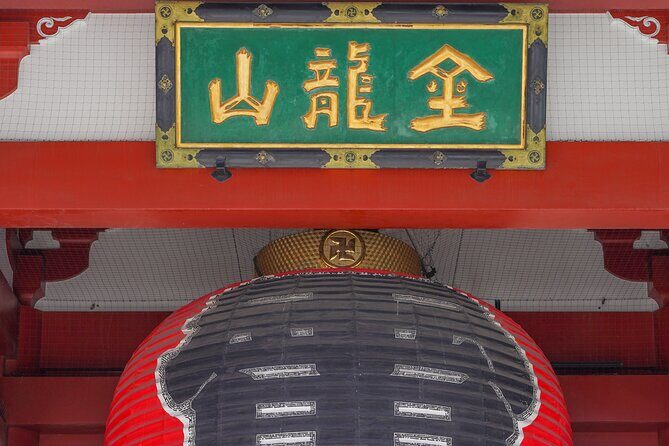
Lunch is built into the tour, and it’s included. That alone can be a value win, because Tokyo meals can be a planning headache when you’re moving fast.
The tour offers vegetarian and vegan options upon request in advance. The important detail is timing: you need to inform the operator at least 1 day before the tour if you have dietary requests or allergies. Requests made on the day cannot be accommodated.
Also, the tour notes that it cannot guarantee allergy-free meals because the food is prepared in kitchens that are not owned by the tour. So if you have serious allergies, don’t assume substitution will be available. Plan carefully and consider communicating your needs clearly in advance.
If you’re vegan or vegetarian and you’ve ever arrived hungry and then realized nothing works for your diet, you’ll appreciate how this tour handles lunch proactively.
Price and Logistics: Is This Tour Worth $101.74?
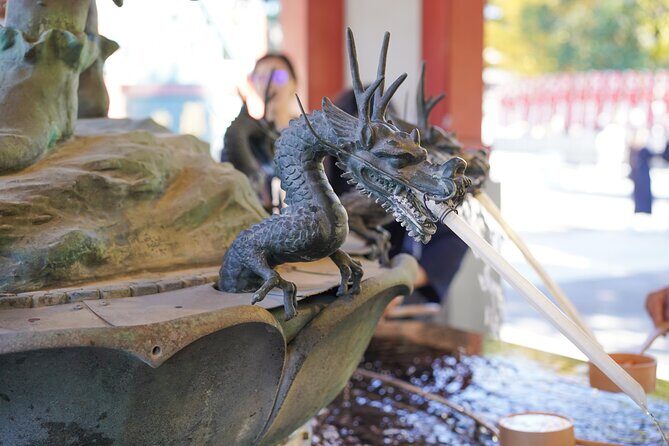
At $101.74 per person for about 5 hours, the main question is what you’re buying: convenience, guiding, and included food—not just sightseeing.
Here’s how I see the value stacking up:
- Three major neighborhoods in one morning: Tsukiji + Akihabara + Asakusa is hard to stitch together smoothly without real research.
- Included tastings and lunch: the food component reduces decision fatigue and saves money versus buying everything separately.
- Certified guide: you’re not just following a route. You’re getting explanations at each stop.
- Tour photos included: it saves time and effort in crowded spots.
The extra cost is simple: 390 yen train fee. That’s a small add-on compared with tours where local transit costs can become a bigger surprise.
The other logistics points matter too. The tour is designed for small groups (max 7 travelers), and it’s near public transportation. So even if you’re not a hardcore planner, you’ll usually find it easy to locate the meeting point.
One more practical note: the tour requires good weather. Japan’s weather can swing hard—summer can reach 40°C (104°F) and winter lows can drop to -5°C (23°F)—so pack for heat or cold and be ready to walk.
Who This Tour Fits Best (and Who Should Skip It)
This tour is best when you want a structured, efficient overview of Tokyo without spending your morning on transport puzzles and food research.
You’ll likely love it if:
- You have limited time and want to cover Tsukiji, Akihabara, and Asakusa
- You want food tastings and lunch included
- You prefer a small-group format with a guide who keeps things moving
- You’d rather have someone else handle the photo moments
It’s probably not the best choice if:
- You have mobility issues or trouble with sustained walking (the tour is not recommended for people with mobility limitations)
- Your schedule is fragile and you absolutely cannot risk a weather-related cancellation
- You need strict allergy guarantees (the tour can’t ensure allergy-free meals)
If you do fall into the mobility or allergy categories, a private tour is mentioned as a better path for mobility concerns, and clear advance communication is essential for dietary needs.
The Guide Makes the Difference: Kenji and Hana as Examples
What really separates a good Tokyo guide from a merely competent one is how they handle the pace and the explanations.
Two guide names stand out from the experience feedback: Kenji and Hana. Both are described as friendly and informative, which matters on a tour like this where you’re switching from fish market sensory overload to anime retail chaos to temple etiquette in a few hours.
A certified guide matters because you get more than directions. You get meaning. And that’s what turns “I saw places” into “I understand what I saw,” especially at Tsukiji and Sensoji.
Should You Book This Tsukiji, Akihabara & Asakusa Tour?
I’d book it if you want a fast, guided hit of three Tokyo neighborhoods that people usually treat as separate trips. The included market tastings, the Asakusa lunch, and the photo help make the morning feel efficient instead of frantic.
Skip it (or switch to a different format) if walking is difficult for you, or if you need strict allergy accommodation. Also, go into Tsukiji with the right mindset: it’s a place to sample and observe, not a slow museum experience.
If you match the target audience—short time, small-group preference, and a desire to see the highlights with guidance—this tour is a solid value and a very Tokyo way to get your bearings fast.
FAQ
Where does the tour start?
It starts at 築地本願寺 正門3-chōme-15-1 Tsukiji, Chuo City, Tokyo 104-0045, Japan (at the Tsukiji Honganji Temple area).
How long is the tour?
The tour is about 5 hours.
What food is included?
You get 2–3 food samplings in the market and lunch in Asakusa.
Can I get vegetarian or vegan lunch?
Yes. Vegetarian and vegan options are available if you request them in advance (at least 1 day before the tour).
Is Tsukiji Fish Market admission included?
Yes. The Tsukiji Fish Market admission is listed as free for this tour.
Are train fees included?
No. Train fees are not included, and the tour notes a fee of 390 yen. You can use cash or an IC card.
Does the guide take photos?
Yes. The tour includes tour photos, and the guide takes them and sends them to you.
What if I have allergies?
You must inform the operator at least 1 day before the tour. The tour also notes they cannot guarantee allergy-free meals or substitutions.
Is this tour suitable for people with mobility issues?
It’s not recommended for people with mobility issues. The tour suggests booking a private tour if walking difficulty is a concern.
What happens if the weather is bad?
The tour may be canceled due to unsuitable weather for safety. If that happens, you’ll be offered a different date or a full refund.