REVIEW · KYOTO
Gion Walking Tour by Night
Book on Viator →Operated by WaRaiDo Guide Networks · Bookable on Viator
Kyoto at night can feel like a puzzle. This Gion tour helps you move through the narrow, unmarked lanes with an English-speaking guide who keeps things clear and fun. I especially like the no-getting-lost approach and the chance to learn the difference between maiko and geiko without struggling through language gaps. One thing to consider: it’s a walking tour, and the group size can feel bigger on the larger departures, so bring comfy shoes and plan to stand close.
You start at 5:30pm and walk along the Shirakawa River area and classic cobblestone streets tied to the look of Memoirs of a Geisha. I also like how the guide explains daily life details—kimono, hairstyles, makeup, and the traditions around these roles—in a way that makes Gion feel real, not like a theme set. The main drawback is timing: reception starts at 5:00pm, and the tour does not wait for late arrivals.
If you want an easy first night in Kyoto with culture that actually makes sense, this is a solid pick. I’m drawn to the fact that the guide points out what you’d likely miss on your own, including side streets and places associated with the movie setting. Just know this isn’t private, so you’ll follow the route and pacing set by the guide.
In This Review
- Key Things That Make This Gion Night Walk Work
- Why Night in Gion Changes the Experience
- Meeting at 178 Tokiwachō: Simple Plan, Firm Timing
- The 2-Hour Route: Shirakawa River Streets and Gion’s Side Lanes
- Geiko and Maiko: What the Guide Actually Clarifies
- The Best Part: Spotting Real Moments (With Realistic Expectations)
- Group Size and Pacing: Great Value, Not a Private Walk
- Price and Value: Why $19.82 Feels Fair
- Who This Tour Is Best For
- Should You Book This Gion Walking Tour by Night?
- FAQ
- What time does the tour start, and when should I arrive?
- How long is the Gion walking tour by night?
- Where is the meeting point?
- Is transportation included in the price?
- How many people are in each group?
- What’s included with the tour ticket?
- What happens if weather is bad or I need to cancel?
Key Things That Make This Gion Night Walk Work
- Guide-led navigation through unmarked alleys so you don’t waste time guessing in the dark
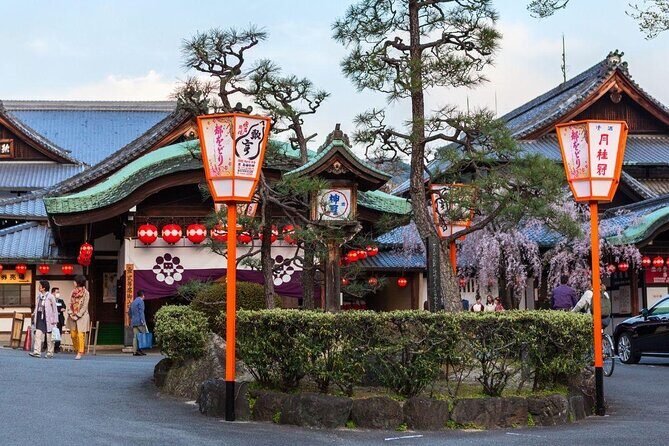
- Shirakawa River cobblestones that match the classic geisha-district look you’ve seen in movies
- Memoirs of a Geisha filming-area stops for context beyond postcards
- Geiko vs maiko explanations including roles, kimono, hairstyles, and daily life
- English-speaking help with Japanese words so you can understand what you’re seeing
- Flexible small-group option available when you want a tighter experience
Why Night in Gion Changes the Experience
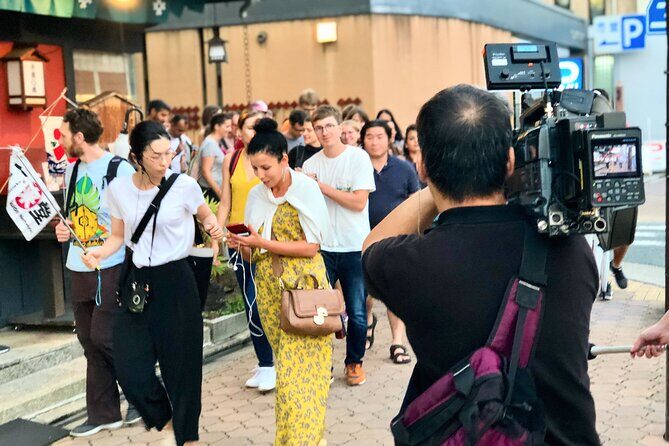
Gion is photogenic in the daytime, but at night it turns more mysterious. The streets are narrower, darker, and harder to read, and that’s exactly where a guide earns their keep. Instead of wandering, you get walked through the right lanes and taught how to connect the sights to the traditions behind them.
This tour also helps you avoid the common frustration of Kyoto night walking: you see silhouettes and lantern light, but you can’t place what you’re looking at. With the guide translating terms and clarifying roles, the district stops feeling like scenery and starts feeling like a living culture.
And yes, you’re paying a modest price for a professional guide, not for transportation or a fancy venue. For many people, that’s the best value deal in Kyoto: you spend money where it actually saves time and improves understanding.
You can also read our reviews of more walking tours in Kyoto



Meeting at 178 Tokiwachō: Simple Plan, Firm Timing
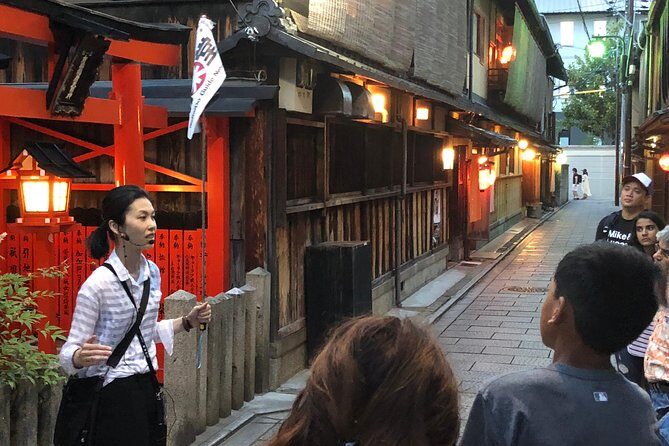
You meet at 178 Tokiwachō, Higashiyama Ward, Kyoto, and the tour starts at 5:30pm. Reception begins at 5:00pm, and the tour won’t wait for people who arrive late. If you’re mixing this with dinner plans, I’d treat it like a train: show up early and stay relaxed.
The good news is that this is near public transportation, so you’re not locked into taxis or complex transfer routes. The less convenient part is that there’s no hotel pickup, so you’ll need to get there under your own steam.
In a good way, the meeting point matters more than you might expect. Gion can make you feel like every alley looks similar, especially once you’re away from the main strips. Starting with the group means you’ll get oriented fast, and you won’t spend your 2 hours playing catch-up.
The 2-Hour Route: Shirakawa River Streets and Gion’s Side Lanes
The whole experience is about 2 hours, and it’s built around one big idea: walking the geisha district the right way. You’ll cover the area’s classic cobblestone streets by the Shirakawa River, which has long been part of Gion’s iconic look. At night, that river-side setting feels especially atmospheric and gives the tour an anchor point.
More importantly, you’re guided into the smaller streets that are difficult to find when you’re on your own. Gion has narrow paths that aren’t always obvious from the main viewpoints, and the tour is designed for exactly that problem: you’re not just sightseeing, you’re learning the district’s layout.
One stop is specifically tied to the film and novel vibe of Memoirs of a Geisha. You’ll visit areas associated with that setting, so your photos come with context and your memory of the movie gets connected to real geography. Even if you’ve only seen the movie once, this kind of reference helps your brain “map” the district quickly.
A practical note: this is a night walk, so wear shoes you’re comfortable in for cobblestones and uneven stone. The tours are rated for moderate physical fitness, which is a polite way of saying you should be steady on your feet.
Geiko and Maiko: What the Guide Actually Clarifies
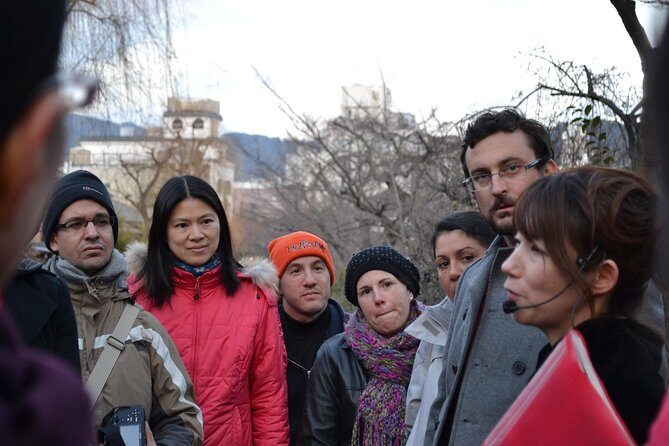
This is where the tour earns its title as more than a walk with trivia. The guide explains the difference between maiko and geiko and connects what you notice on the street to what it means. Instead of leaving you with a vague impression, you get vocabulary, role context, and cultural details you can carry into other parts of Kyoto.
You’ll learn about traditional kimono, hairstyles, and makeup practices, along with the customs and rules that shape daily life. The goal isn’t to turn you into an expert on the spot; it’s to help you recognize what’s happening when you see someone dressed in a way that looks very specific.
A helpful part: there’s no language barrier experience here because the guide supports you with translation. That matters in Japan at night, where signage can be minimal and your questions might otherwise stall.
I also like the way the guide frames respect. When your guide explains how to look—and when to keep your distance—it changes the mood of the walk. You’re not just chasing sightings; you’re learning how the community wants visitors to behave.
The Best Part: Spotting Real Moments (With Realistic Expectations)
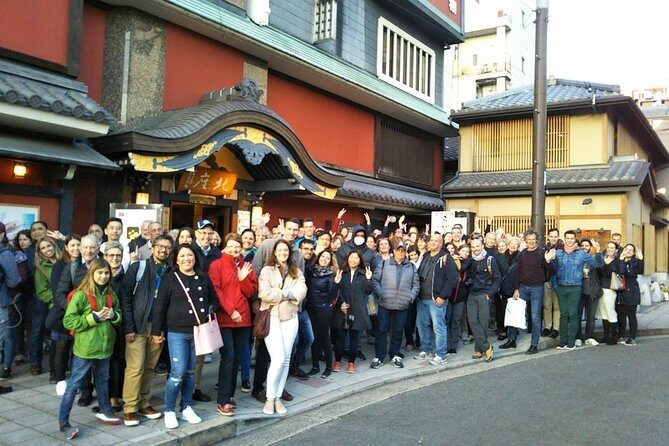
One reason people love this tour is that it can lead to real encounters. Multiple guides in the feedback—names like Mia, Mai, Cheko, and Mae—are praised for spotting and contextualizing what you might see while walking. The tour doesn’t promise specific sightings, but the experience is set up to maximize your chances by guiding you to the right lanes.
Here’s a grounded way to think about it: even when you don’t see a geiko or maiko, you’re still learning how Gion works. The alleys, river area, and film-linked spots give you enough structure that the tour doesn’t feel wasted.
When you do see someone, the context you learned makes it more meaningful. You’ll understand why someone’s styling looks the way it does and how that connects to the role. That’s the difference between “I saw a person in traditional clothing” and “I understand what I’m looking at.”
You can also read our reviews of more evening experiences in Kyoto





Group Size and Pacing: Great Value, Not a Private Walk

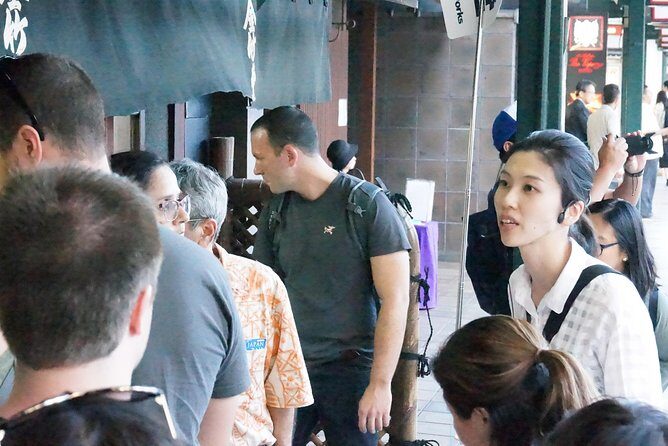
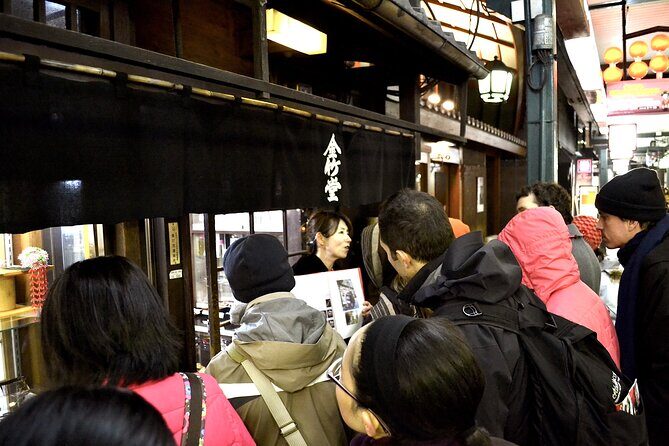
This is a group tour with a maximum of 20 travelers per activity. The information also notes a maximum of 15 passengers per booking, which can make some departures feel tighter than others. There’s also a small-group option (less than 12 guests guaranteed) for a different price, and that’s worth considering if you hate crowd noise.
Pacing is another factor. Reviews are strongly positive about the guides’ ability to keep the walk enjoyable and well-paced, with humor and frequent stops for explanations. At the same time, a larger group can limit how much you can ask directly, especially if you want detailed follow-ups about specific kimono or hairstyles you spotted.
If you’re the type of traveler who likes to ask “why” questions, the small-group option may fit better. If you just want a guided orientation and cultural clarity for your first night, the standard group works well.
Price and Value: Why $19.82 Feels Fair
At $19.82 per person, you’re paying for a professional English-speaking guide over a 2-hour walking route. That’s the key: you’re not paying for a bus, not paying for attraction entries, and not paying for a fancy studio explanation. You’re paying to avoid getting lost and to understand what you’re seeing as you walk.
For many first-time visitors, that’s where value lives. Gion is expensive to “figure out” on your own because it’s easy to waste time wandering, and it’s hard to decode what you see at night without vocabulary. A guide compresses that learning curve into a couple of hours.
I’d especially call this good value if you’re planning to do just a few activities in Kyoto. If you’re going to spend money, make it count toward comprehension—this tour is built for that.
Who This Tour Is Best For
This Gion night walk is ideal if you:
- want a first-night introduction to Gion that helps you understand what you’re looking at
- prefer guided walking over self-guided wandering in narrow alleys
- care about cultural context, like how kimono and hairstyles connect to maiko and geiko roles
- want a friendly, English-speaking explanation without needing Japanese skills
It’s less ideal if you:
- dislike group settings and want one-on-one conversation throughout
- have trouble with cobblestone walking at night
- are very late-night schedule flexible, because the start time is firm
If you’re traveling with kids, the tour requires an adult accompaniment. And if you have serious medical conditions, it’s listed as not recommended.
Should You Book This Gion Walking Tour by Night?
If you want a practical, culture-first first step into Kyoto’s geisha district, I think this tour is worth booking. The combination of guide-led navigation, film-location context, and clear maiko vs geiko explanations makes it more than a simple night stroll.
Book it if you like learning while you walk and you want someone to translate the details you’d otherwise miss. Skip it or consider the small-group option if you know you’ll be frustrated by a larger crowd or you prefer slower, quieter exploration.
Most of all: if you’re worried about getting lost in Gion at night, this tour removes that stress. And that alone makes the price feel right.
FAQ
What time does the tour start, and when should I arrive?
Reception starts at 5:00pm and the tour starts at 5:30pm. The tour will not wait for late arrivals.
How long is the Gion walking tour by night?
The duration is about 2 hours.
Where is the meeting point?
The meeting point is at 178 Tokiwachō, Higashiyama Ward, Kyoto, 605-0079, Japan.
Is transportation included in the price?
No. Transportation to and from attractions isn’t included, and there’s no hotel pickup/drop-off.
How many people are in each group?
The activity lists a maximum of 20 travelers, and it also notes a maximum of 15 passengers per booking. A small-group option with less than 12 guests is available (guaranteed).
What’s included with the tour ticket?
A professional English-speaking guide is included. The admission ticket is free.
What happens if weather is bad or I need to cancel?
This experience requires good weather. If canceled due to poor weather, you’ll be offered a different date or a full refund. You can cancel up to 24 hours in advance for a full refund; within 24 hours, refunds aren’t available.