Sagano can feel like another Kyoto. This private walking tour threads through old temple lanes and quieter corners of Arashiyama, with a guide explaining what you’re actually looking at. I like how it mixes famous sights with spots most people skip, so the day feels more like a local stroll than a checklist.
What I really enjoy is the contrast: you start in calm, historic settings and end in the bright photo world of the bamboo. I also love the slow, unhurried pacing with a professional guide, so you’re not just herding yourself through crowds. The one drawback to plan around is crowd timing around the bamboo grove—go too late and it can get packed, which makes it harder to feel the peace.
In This Review
- Key Points to Know Before You Go
- Sagano’s quiet side: aristocrat resort vibes
- The 9:00 a.m. route: station start, bridge finish
- Seiryōji (Saga Shakadō): a temple built like an aristocrat’s villa
- Saga Toriimoto Preservation Area: the old Atago highway story
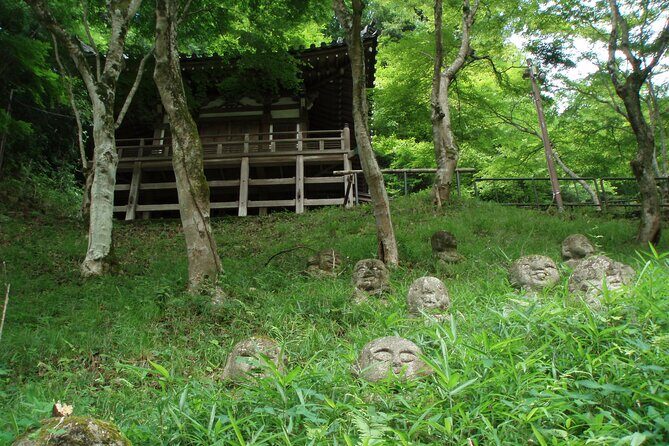
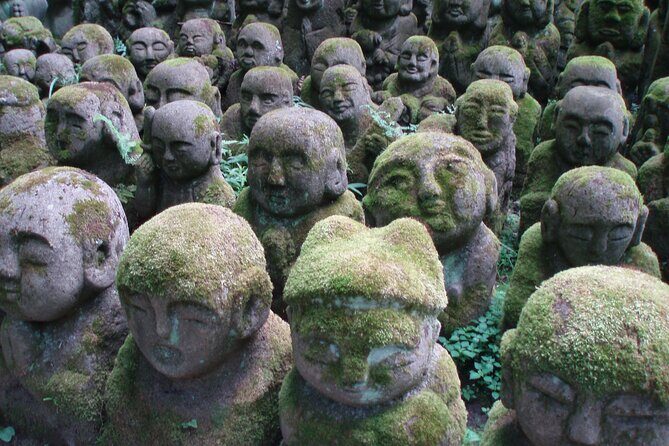
- Otagi Nenbutsu-ji: 1,200 hand-carved Rakan statues
- Bamboo Forest Street: gorgeous photos, real crowd checks
- Tenryu-ji Temple: Zen garden time when the walking slows
- Togetsukyō Bridge: the Moon Crossing Bridge payoff
- Price and value: what $85.87 buys you
- Crowds, walking pace, and what to bring
- Who should book this Sagano bamboo-and-temple walk
- Should you book this tour?
- FAQ
- How long is the private walking tour?
- Where do I meet and where does the tour end?
- Is this tour private?
- What time does the tour start?
- Do I need to pay temple entrance fees during the tour?
- Is a mobile ticket provided?
- Will the bamboo forest area be crowded?
- Is free cancellation available?
Key Points to Know Before You Go
- Private group attention means you can ask questions and adjust your pace without sharing a headset with strangers
- Seiryōji (Saga Shakadō) is a rare early stop tied to a 9th-century aristocrat villa story
- Otagi Nenbutsu-ji’s 1,200 Rakan statues is weird, calming, and genuinely memorable
- Bamboo Forest Street is stunning, but the popularity rises fast as the day goes on
- Tenryu-ji’s Zen garden adds a quieter, reflective end to the morning’s walking
- Tour ends at Togetsukyō Bridge, a convenient launchpad for continuing toward nearby sights
Sagano’s quiet side: aristocrat resort vibes
Kyoto gets crowded fast, but Sagano has a different feel. This area used to be an aristocratic resort, and you can still sense that slower rhythm as you walk from temple to temple.
I like that the tour doesn’t only chase the loudest postcard views. You’re shown how the area worked historically, then you move through preserved neighborhoods that feel lived-in, not staged. That context makes even simple streets and river views feel intentional.
You can also read our reviews of more walking tours in Kyoto


The 9:00 a.m. route: station start, bridge finish
The tour starts at Saga-Arashiyama Station (Saga Tenryūji Kurumamichi-chō area), and it ends at Togetsukyō Bridge. It runs about 4 hours at an easy walking pace, long enough to see a full stretch of Sagano without turning into a forced march.
You’ll be walking between multiple points in Arashiyama/Sagano, and you won’t have hotel pickup or private car shuttles. That’s normal for this kind of Kyoto walking day, and it also keeps things efficient: you meet near public transit and start right away.
Bring a camera, sure. But also bring patience for the bamboo area, because that’s the part of the day where the crowd wave shows up.
Seiryōji (Saga Shakadō): a temple built like an aristocrat’s villa
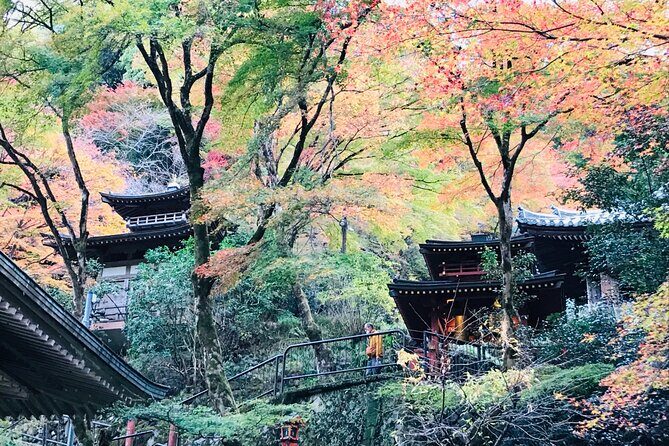
Your first stop is Seiryōji (Saga Shakadō), known as one of Kyoto’s older temples. It’s presented as a 9th-century aristocrat villa, which gives you a new lens for what you’re seeing—this wasn’t just a religious site, it was also a setting for elite life.
Even if you’re not the type who can name every shrine feature, you’ll still get something from the guided commentary. The key is how it frames the temple as part of the area’s social story, not just a pretty stop.
Good news: this stop is listed as admission free and takes about 10 minutes. It’s a fast opener that sets the tone for the rest of Sagano.
Saga Toriimoto Preservation Area: the old Atago highway story
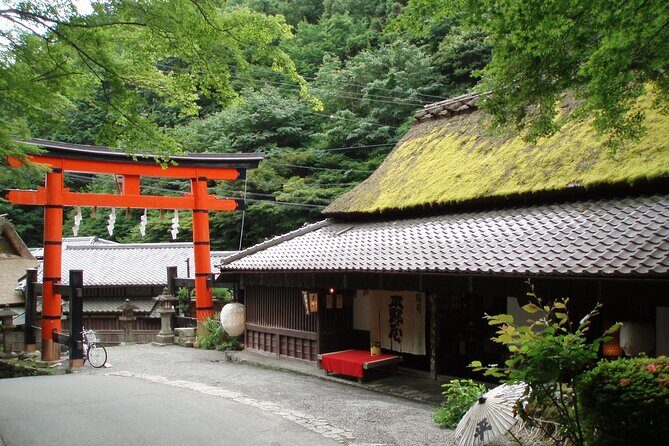
Next comes the Saga Toriimoto Traditional Buildings Preservation Area. This is one of Kyoto’s town preservation areas, and it ties back to the old Atago highway, a route leading toward Mt. Atago.
The detail I appreciate here is the Shinto connection: Mt. Atago enshrines the god of fire prevention. That’s a helpful bit of meaning because it turns a street-and-buildings moment into a place with a purpose—transport routes weren’t only about travel, they were about communities and protection too.
This is also a short stop—around 10 minutes—and it’s marked free entry. It’s ideal if you like “street archaeology”: reading history in building styles, street alignment, and how the neighborhood holds together.
Otagi Nenbutsu-ji: 1,200 hand-carved Rakan statues
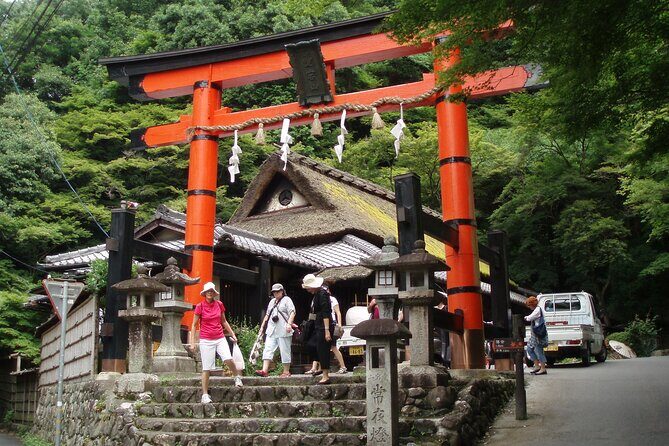
If you want one stop that feels oddly specific and deeply Japanese, make it Otagi Nenbutsu-ji. It’s known for 1,200 stone statues of Rakan, the Buddha’s disciples, and the famous part is that they were hand carved by 1,200 individuals.
That scale matters. One hundred statues would be impressive; 1,200 makes it feel like a community project turned into a living shrine. The result is a peaceful walk where you can slow down and look closely at the faces and shapes, not just snap a photo and move on.
This stop runs about 20 minutes, and admission is not included. Past visitors describe the statues as cute and unique, and that vibe is real—this isn’t solemn in an intimidating way. It’s more like the temple is inviting you to pause and absorb.
You can also read our reviews of more private tours in Kyoto

Bamboo Forest Street: gorgeous photos, real crowd checks
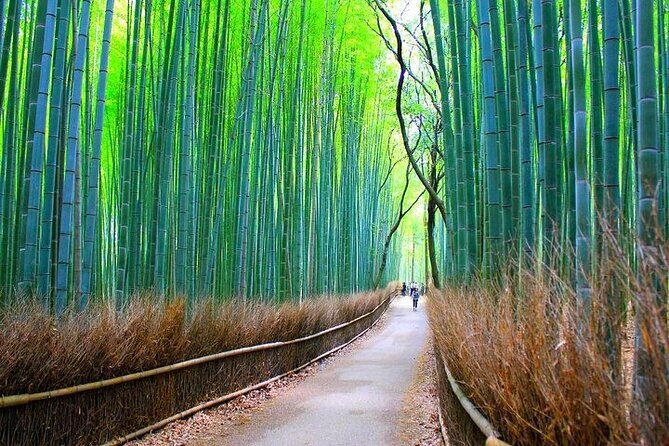
Then you hit the reason most people come to this side of Kyoto: Bamboo Forest Street. The walking path through the famous bamboo grove is visually dramatic, with tall stalks lining both sides and making it easy to frame photos.
Here’s the practical truth: the bamboo can get very crowded. Plan for it. If you want the calm version of the experience, going early or later in the day matters a lot, because the crowd levels rise during peak hours.
Two more tips worth your time:
- Expect photo-heavy foot traffic. Even with a private guide, you’re still sharing the space.
- Bring bug spray. Some people report being bitten during the forest visit, especially in warmer months or near greenery.
One extra note you might run into on the ground: parts of the Arashiyama bamboo area can involve paid garden-style entry experiences nearby. If your route includes any fee-based viewing path right in the bamboo zone, budgeting for an extra entry charge (some past visitors mention around 500 yen) is a smart move.
Tenryu-ji Temple: Zen garden time when the walking slows
After the bamboo, you get a shift in mood with Tenryu-ji Temple. It’s a Zen Buddhist temple founded in the 14th century, and it’s recognized as a World Cultural Heritage site in Kyoto.
This is one of the best parts of the tour if you enjoy gardens that feel designed for stillness. The guided explanation helps you notice why the garden is laid out the way it is, instead of treating it like a backdrop.
Time-wise, plan for about 20 minutes here, with admission not included. You’re not expected to rush; the whole point is to let your senses catch up after the bamboo spectacle.
Togetsukyō Bridge: the Moon Crossing Bridge payoff
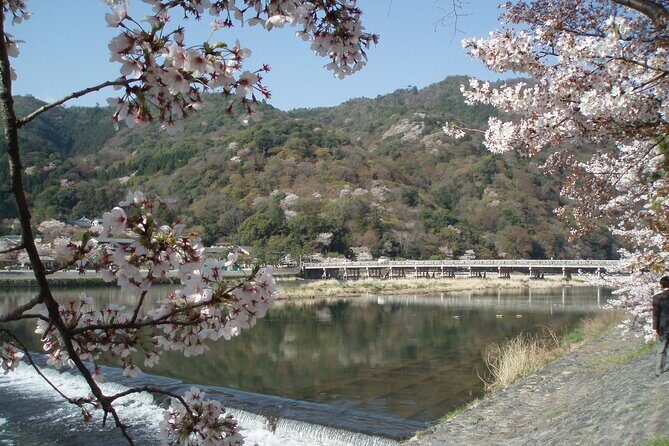
You wrap up at Togetsukyō Bridge, just a few minutes from the earlier temple areas. It was built to reach the temple across the river, and it has a poetic nickname: an ancient emperor named it the Moon Crossing Bridge after seeing the moon appear to cross the water.
This is a quick stop—about 5 minutes—but it’s a good one. You get the river view, you get the story, and you’re done with the formal walking portion right at a convenient landmark.
The bridge area is also close to Monkey Park, so if you want to keep exploring on your own, it’s a logical place to extend the day.
Price and value: what $85.87 buys you
At $85.87 per person for about 4 hours, the core value here is the guide and the pacing. You’re paying for someone to keep the day coherent: where you are, what the place meant, and what to look for.
Most of your planned stops are either free or short, but some key temples have admission fees not included (notably Otagi Nenbutsu-ji and Tenryu-ji). The tour price doesn’t include those temple entries, so your total cost will depend on what you pay during the day.
Still, I think it can be good value if you:
- want private guidance instead of self-guided guesswork
- care about understanding why these places matter (not just where to stand)
- prefer a route that mixes well-known Arashiyama with calmer Sagano corners
If you’re trying to squeeze every yen, a DIY plan can work. But for many people, Kyoto becomes expensive once you factor in the time you’ll spend figuring things out. A private guide can save you that headache.
Crowds, walking pace, and what to bring
This tour is a gentle walking day, but it’s still Kyoto. You’ll want comfortable shoes and the mindset that you’re moving between sites on foot.
The biggest variable is the bamboo grove crowd level. If you want the bamboo moment to feel like magic instead of a bottleneck, start your day at 9:00 a.m. and keep your expectations flexible. Once the day heats up, it can turn into a photo queue more than a quiet stroll.
Also pack the simple stuff:
- Bug spray (because bites can happen around the forest area)
- Camera or phone storage (because bamboo is photo-friendly and people will be shooting)
- Water, because you’ll be out for around four hours
The good part is the rest of the route gives you balance. Even if the bamboo is busy, the temple stops are structured and shorter, and the guided commentary helps you slow down when the crowd energy rises.
Who should book this Sagano bamboo-and-temple walk
This private tour is a great fit if you:
- want a local-feeling route in Sagano instead of only high-traffic Arashiyama spots
- like temples and gardens, but also want the bamboo view without getting lost
- enjoy a guide who explains what a place meant historically (like the aristocrat villa framing at Seiryōji)
It’s also a smart choice for couples and small groups who don’t want to wait around for everyone else. Because it’s private, you can ask follow-ups and spend a few extra minutes where you’re most curious.
If you’re the kind of traveler who hates crowds no matter what, the bamboo portion may frustrate you. You can still enjoy the day, but you should expect the area’s popularity to affect the atmosphere.
Should you book this tour?
I’d book it if you want a guided, coherent Sagano experience that goes beyond the obvious bamboo photo stop. The combination of Seiryōji, Otagi’s 1,200 Rakan statues, Tenryu-ji Zen garden, and the Moon Crossing Bridge story is a strong mix for a half-day.
I wouldn’t book it as a standalone “bamboo only” trip. The bamboo is beautiful, but it’s also the part where crowds can steal some of the quiet magic. If that’s your priority, plan your timing carefully and expect a lively shared space.
Overall, for $85.87, the private guide and the thoughtful sequence of stops make this a solid value—especially if you care about context and not just selfies.
FAQ
How long is the private walking tour?
The tour lasts about 4 hours.
Where do I meet and where does the tour end?
You meet at Saga-Arashiyama Station and the tour ends at Togetsukyō Bridge.
Is this tour private?
Yes. It’s a private tour/activity, and only your group participates.
What time does the tour start?
The start time is 9:00 a.m.
Do I need to pay temple entrance fees during the tour?
Some stops are listed as free, but admissions for certain temples are not included. Otagi Nenbutsu-ji and Tenryu-ji are marked as not included.
Is a mobile ticket provided?
Yes. The experience uses a mobile ticket.
Will the bamboo forest area be crowded?
It can get very crowded during the day. Going early or later helps.
Is free cancellation available?
Yes. You can cancel for a full refund up to 24 hours before the experience starts.