REVIEW · KYOTO
Kyoto: 10-hour Customized Private Tour
Book on GetYourGuide →Operated by EverTravel · Bookable on GetYourGuide
Kyoto feels easier when someone else drives. This 10-hour customized private tour lets you set the pace while a professional driver handles the streets, parking, and timing. You pick your priorities, and you still get classic Kyoto anchors like Kinkaku-ji and Kiyomizu-dera—without the stress of transfers or navigation.
I like that the day is built around smart flexibility. You also get convenient hotel pickup and drop-off, plus an air-conditioned vehicle for the parts of the day when heat, rain, or crowds make everything feel harder. One consideration: the English-speaking guide is optional, and if you book that add-on, you’ll want your expectations for site knowledge clearly matched.
With a full 10 hours, you can cover major sights and still leave room for short pauses, photo stops, and foot-breathing time. Just remember admissions and food aren’t included, so you’ll still budget for tickets and meals as you go.
In This Review
- Key things to know before you go
- Why a private car day in Kyoto is so practical
- Kinkaku-ji and Kiyomizu-dera: a classic hit with room to breathe
- Higashiyama walking: Ninenzaka, Sannenzaka, Kodaiji, and Yasaka Shrine
- Ninenzaka and Sannenzaka: where the streets do the work
- Kodaiji and Yasaka Shrine: calmer than the street-shops
- Gion and Hanami-koji: seeing Kyoto’s old neighborhood without scrambling
- Fushimi Inari Shrine: the torii walk you’ll want time for
- Driver vs guide: how to get the stories you want
- Price and value: is $707 per group actually fair?
- Making a custom Kyoto day feel truly custom
- Should you book this Kyoto 10-hour private tour?
- FAQ
- How long is the Kyoto private tour?
- How many people can be in a group?
- Where does the pickup and drop-off happen?
- Is an English-speaking guide included?
- What’s included in the tour price?
- Are admission tickets and food included?
- What if we want more time than 10 hours?
Key things to know before you go

- Private car comfort with hotel pickup means less time figuring out buses and more time sightseeing.
- Your itinerary, your pace works well if you hate rushing between crowded hotspots.
- Kinkaku-ji to Fushimi Inari covers Kyoto’s big icons in one day without changing plans midstream.
- Walkable old-street areas like Ninenzaka and Sannenzaka reward comfortable shoes and a slower rhythm.
- Optional guide support can be great—or a letdown—so it pays to align what you want explained.
- Overtime is charged by the hour, so deciding early can help you avoid surprise costs.
Why a private car day in Kyoto is so practical
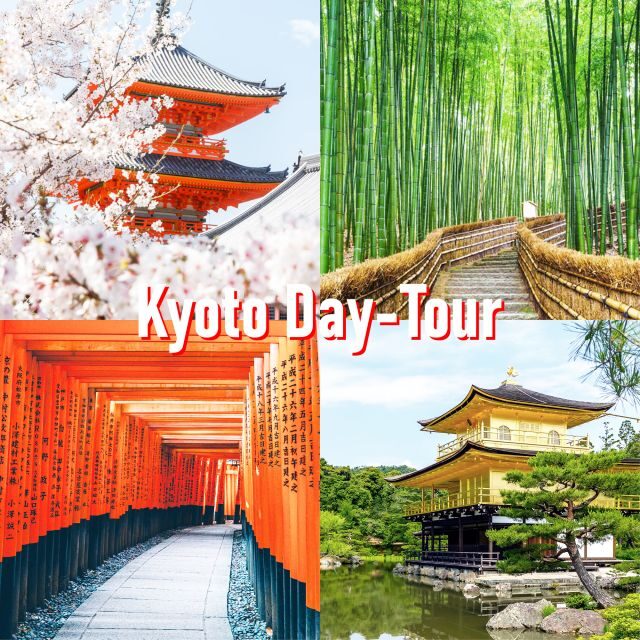
Kyoto is gorgeous, but it can be a logistics puzzle. Sites are spread out, buses can be slow in peak traffic, and train transfers eat into your sightseeing time. This kind of private-car setup answers that problem directly. You start with hotel pickup and end with hotel drop-off, so you don’t lose time to getting oriented at the beginning or backtracking at the end.
I also like that the vehicle is air-conditioned and that parking fees are handled. Kyoto days often swing between intense walking and waiting (crosswalks, crowd bottlenecks, temple entrance lines). When your ride is comfortable and covered, your “in-between” time is less miserable.
For a small group, the group pricing is the heart of the value story. The tour price is listed as $707 per group up to 3 people, which can work out much better than paying for separate private transport plus a guide for each person. If you’re traveling solo, it can still be worth it if you care about time savings and want a custom route, but it’s at its best when you’re splitting it with a partner or a third traveler.
You can also read our reviews of more private tours in Kyoto
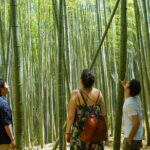


Kinkaku-ji and Kiyomizu-dera: a classic hit with room to breathe
The day’s Kyoto core includes two of the most famous temple visits: Kinkaku-ji (the Golden Pavilion) and Kiyomizu-dera. These are big-deal stops, and they set expectations for the rest of your day. They also tend to draw crowds, so having a private car matters even if you plan to do most of your sightseeing on foot.
Here’s how you can make this part feel smooth:
- Arrive with realistic timing. Even when you don’t wait forever, you’ll usually spend time moving through lines and getting from transport to entrance.
- Treat your visit as more than a photo mission. The buildings and grounds change feel depending on your position and the angle of light, and the experience is more satisfying when you slow down for a minute rather than rushing straight through.
A drawback to consider: because these are high-demand sites, your day can feel crowded on the ground even if the transportation is effortless. A custom itinerary helps here, but it doesn’t erase the fact that Kinkaku-ji and Kiyomizu-dera are magnets.
Also note admissions aren’t included in the tour price. So if you’re planning a day with multiple temple and shrine entries, you’ll want to budget for tickets on top of the tour.
Higashiyama walking: Ninenzaka, Sannenzaka, Kodaiji, and Yasaka Shrine

After the major temple anchors, the route shifts into Kyoto’s walking-friendly old-town character. You’ll spend time around Ninenzaka and Sannenzaka, plus Kodaiji Temple and Yasaka Shrine, with the Gion area close by afterward.
This is the stretch where your private-car advantage turns into real time value. You don’t want to fight transfers after you’ve already built momentum. Instead, you can park, walk, and then get transported to the next zone when your legs start to complain.
Ninenzaka and Sannenzaka: where the streets do the work
Ninenzaka and Sannenzaka are known for their stepped lanes and old-street atmosphere. The tour notes this area is ideal for exploring at a slower local pace, including the option of walking while wearing a kimono. Even if you don’t rent one, these lanes are exactly the kind of place where your eyes need time—little details, classic storefronts, and the overall feel of the neighborhood.
The main consideration is physical. Expect stairs and uneven walking. If you’ve got knee issues or you’re traveling with small kids in a stroller, you’ll want to plan rest breaks and shorter loops. A “custom” day is great here because you can shorten your time on the stairs without sacrificing the rest of the district.
Kodaiji and Yasaka Shrine: calmer than the street-shops
Kodaiji Temple and Yasaka Shrine add spiritual and architectural variety after the old-street walking. These stops are a nice contrast: after the shopping-lane energy, you get a different pace and atmosphere. Even when the crowd level is still noticeable, the temple and shrine spaces naturally slow movement down because you’re there to observe and step aside.
Again, admissions aren’t listed as included, so factor that into budgeting if you plan to go inside each area fully.



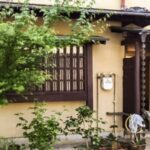
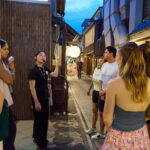
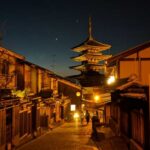
Gion and Hanami-koji: seeing Kyoto’s old neighborhood without scrambling
Next up is Gion district and Hanami-koji. This is the Kyoto neighborhood most people think of when they picture old-world streets: classic lanes, photogenic corners, and a sense of place that feels different from the big temple sites.
I like that the tour groups this as part of a walkable sequence. If you try to do Gion as a random add-on, it’s easy to lose time in transit and end up with a short, rushed stroll. When it’s scheduled after the Higashiyama sights, you can linger where you want and skip what doesn’t interest you.
Practical note: Gion and Hanami-koji can get busy, so if you’re hoping for quieter views, plan on stepping aside from the main flows. With a private day, you can do that without worrying about missing a bus or a departure window.
Fushimi Inari Shrine: the torii walk you’ll want time for
The day’s later highlight is Fushimi Inari Shrine, specifically the walk through the vermilion torii gates. The tour framing includes a moment for blessing and praying for good luck, which adds meaning beyond sightseeing photos.
This stop is where your “10 hours” can feel either perfectly planned or slightly tight—depending on how long you choose to walk up through the gates. If you go higher, you’ll trade speed for views and a calmer-feeling walk. If you stay nearer the lower paths, you’ll finish faster and keep more energy for the return.
Shoes matter here. Torii paths can involve stairs and sloped sections, and you’ll likely walk more than you expect once you’re on the shrine grounds. Wear comfortable footwear and plan to take small pauses when needed.
Driver vs guide: how to get the stories you want
A professional driver is included, which is the backbone of this experience. But there’s also an optional English-speaking guide. That’s a big decision because it changes how informative the day feels.
One caution I picked up from a real booking experience example: there was disappointment with the guide’s site knowledge and the fact that the guide didn’t come across as local. The itinerary may have been fine, but the guide quality affected overall satisfaction.
So here’s the practical way to approach the guide option:
- If you want historical context, be clear about what you expect to learn at each stop (temple origins, architecture, shrine traditions, or plain-language city stories).
- If you mainly want logistics help and you like reading or learning on your own, you might be happier skipping the guide and using the time for slower walking.
Also, consider language flexibility. The tour notes live tour guide languages can be Japanese or English, but since the English option is labeled as optional, you’ll want to confirm what’s actually included when you book.
Price and value: is $707 per group actually fair?
Let’s do the math in a way that’s useful. The listed price is $707 per group up to 3 for the full 10-hour service. If you have 2 people, the cost per person is effectively higher than if you have 3. If you can fill all three seats, the price starts to look more like shared private transport rather than a premium solo splurge.
What’s included helps justify the number:
- Hotel pickup and drop-off
- Air-conditioned vehicle
- Professional driver
- All fees and taxes, including parking fees
- 10-hour service time (extendable with charge)
What’s not included is also important:
- Admission tickets
- Food and drinks
That means the true day cost depends on how many entrances you plan to pay for and what you choose to eat. Still, the big win is that you’re paying for time, convenience, and a route built around major Kyoto zones in one day. If you hate wasting hours commuting, this pricing can be a good fit.
Overtime is also clearly stated in the pricing terms: $50 USD per hour without the guide and $70 USD per hour with the guide. That’s your safeguard line. It nudges you to plan your day carefully, not overschedule yourself.
Making a custom Kyoto day feel truly custom
The word custom can mean different things. In practice, it matters that you can shape the flow around the major areas the tour covers—Kinkaku-ji, Kiyomizu-dera, Higashiyama walking streets, Gion/Hanami-koji, and Fushimi Inari.
Before you go, you’ll want to confirm your itinerary in advance with customer service. The tour also notes that a baby or child is counted as one participant, so your group size can affect availability and what you’ll pay. It’s a small detail, but it can save headaches.
As you’re deciding what to emphasize, think about your travel style:
- If you like iconic sights with minimal friction, focus on temple time and shrine time, and let the driver handle the transitions.
- If you love streets and atmosphere, lean into Ninenzaka/Sannenzaka, plus Gion/Hanami-koji, and treat the bigger temples as anchors rather than the whole day.
- If you want a slower pace, plan rest breaks and shorten the torii climb at Fushimi Inari.
Your private day works best when you plan for human limits—walking, waiting, and the moments you want to stop without checking your watch.
Should you book this Kyoto 10-hour private tour?
I’d book this if you value time savings, comfort, and control. It’s a strong option for couples, families, and small groups who want to hit Kyoto’s major sights—Kinkaku-ji, Kiyomizu-dera, Higashiyama streets, Gion/Hanami-koji, and Fushimi Inari—without wrestling transit lines or dealing with navigation.
I would hesitate if you expect a consistently high-knowledge English guide. Because the guide is optional, you should treat that add-on as a potential variable and align your expectations before you commit. Also, if you’re cost-focused and don’t mind public transit, the value drops because the price includes a lot of private-transport convenience.
If you want a Kyoto day that runs smoothly, stays flexible, and still checks the boxes that matter to most first-timers, this is a practical way to do it.
FAQ
How long is the Kyoto private tour?
The service is listed as 10 hours total. It can be extended with an additional charge.
How many people can be in a group?
The price is per group up to 3 people.
Where does the pickup and drop-off happen?
The tour includes hotel pickup and hotel drop-off in Kyoto.
Is an English-speaking guide included?
An English-speaking guide is optional. A professional driver is included, and the guide option can be added separately.
What’s included in the tour price?
Included are hotel pickup and drop-off, an air-conditioned vehicle, a professional driver, and all fees and taxes including parking fees.
Are admission tickets and food included?
No. Admission tickets and food and drinks are not included.
What if we want more time than 10 hours?
Overtime fees are listed as $50 USD per hour without the guide, or $70 USD per hour with the guide.