REVIEW · TOKYO
Guided Tour of Walking and Photography in Asakusa in kimono
Book on GetYourGuide →Operated by LightSpeedStar Inc. · Bookable on GetYourGuide
Wear kimono in Asakusa and get photo help. This 4-hour, small-group walk turns Tokyo’s most famous old-street views—Senso-ji, Kaminarimon, Nakamise, and the Sumida River—into a guided kimono-and-camera experience. If you end up with a guide like Emiko (she’s been mentioned in top reviews), you’ll get more than outfits: you’ll also get cultural context and practical sightseeing tips.
What I really like is how the day is built around photos: your guide points you to spots where kimonos look right with the scenery, and they’ll even take pictures for you using your camera. I also like that the kimono part is handled by someone trained in both dressing and guiding, so the experience feels coordinated instead of chaotic. The one consideration is timing: if there’s a pickup or communication mix-up, you could be stuck waiting, so I’d stay proactive and keep the WhatsApp contact ready.
In This Review
- Key points at a glance
- Kimono dressing at the start: choosing, fitting, and getting photo-ready
- Asakusa’s first big scenes: Kaminarimon and Nakamise in full view
- Senso-ji Temple in kimono: prayers, the pagoda landmark, and a built-in photo plan
- The guide as your photo assistant: planning, timing, and actually taking your pictures
- Sumida River Terrace: the cherry-blossom-and-Skytree moment with breathing room
- The wrap-up: returning the kimono and using the rest of your day
- Price and value: what your $116 is really paying for
- Before you go: what to do so the day stays smooth
- Who this tour suits best (and who might not love it)
- Should you book this walking and photography tour?
- FAQ
- FAQ
- Where does the tour meet?
- How long is the tour, and is it a small group?
- What languages are available?
- What’s included in the price?
- Will the guide take photos for you?
- Is wheelchair access available?
Key points at a glance
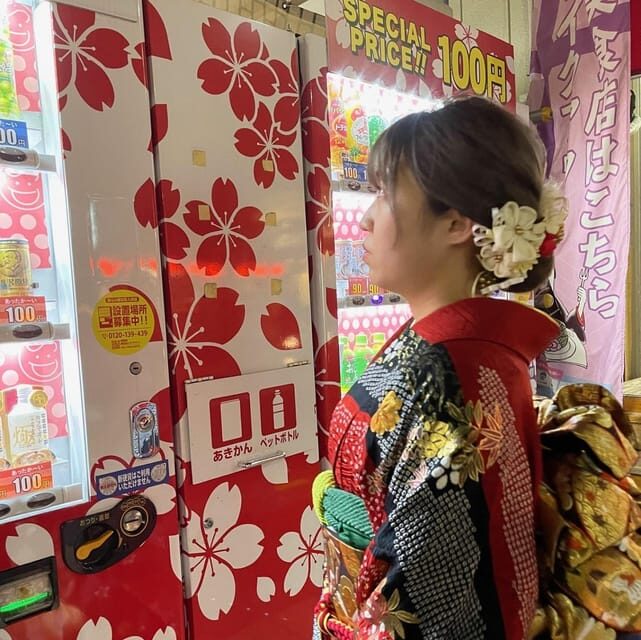
- Qualified guide for both kimono styling and touring, so the day runs with less guesswork
- Photo planning built into the route, including major Asakusa landmarks and framing ideas
- Your guide takes photos for you, not just directions
- Small group (up to 7) keeps walking manageable and attention more personal
- Kimono fitting plus hairstyle selection at the start, so you look right before sightseeing
Kimono dressing at the start: choosing, fitting, and getting photo-ready
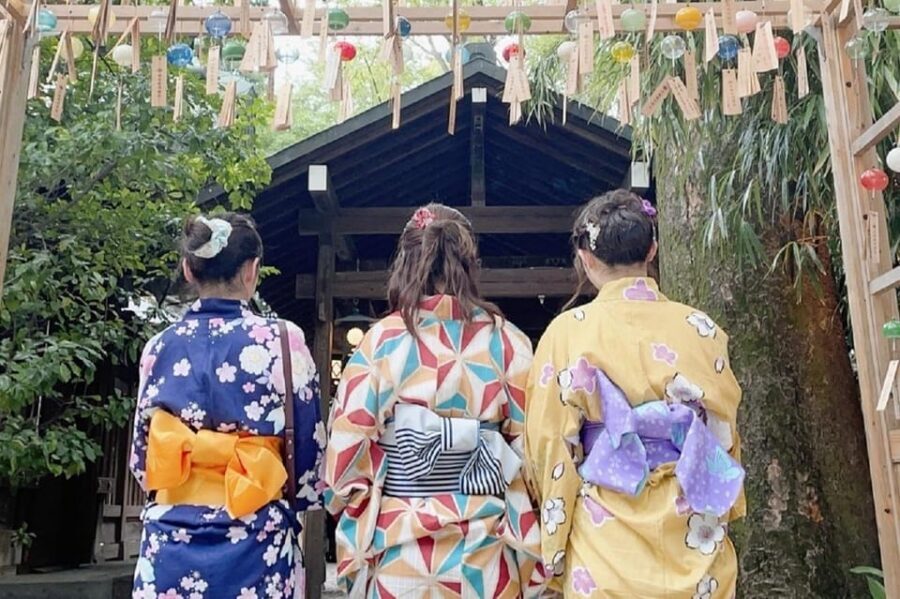
Asakusa is famous for old-street textures and temple backdrops, but your best photos need one thing first: you have to look comfortable and properly arranged. This tour starts at Asakusa Station (Ginza Line), meeting at Gate 1 with the company logo (orange). Then you head on foot to the kimono shop area where you’ll choose your outfit, pick a hairstyle, and get it adjusted.
Expect about an hour here. The guide walks you through the process and also shares a Japanese cultural perspective on wearing a kimono—why certain styling choices matter, and how to carry yourself naturally in clothing that changes your movement. That cultural framing matters more than people expect. When you understand the basics, you pose better, walk better, and you feel less like a tourist playing dress-up.
You’ll also get a real payoff from the timing: once you’re dressed, you go straight into sightseeing. There’s no “wear it and hope it works” phase. The goal is that your kimono fits the lighting, the crowds, and the landmarks you’re about to hit.
You can also read our reviews of more walking tours in Tokyo
Asakusa’s first big scenes: Kaminarimon and Nakamise in full view
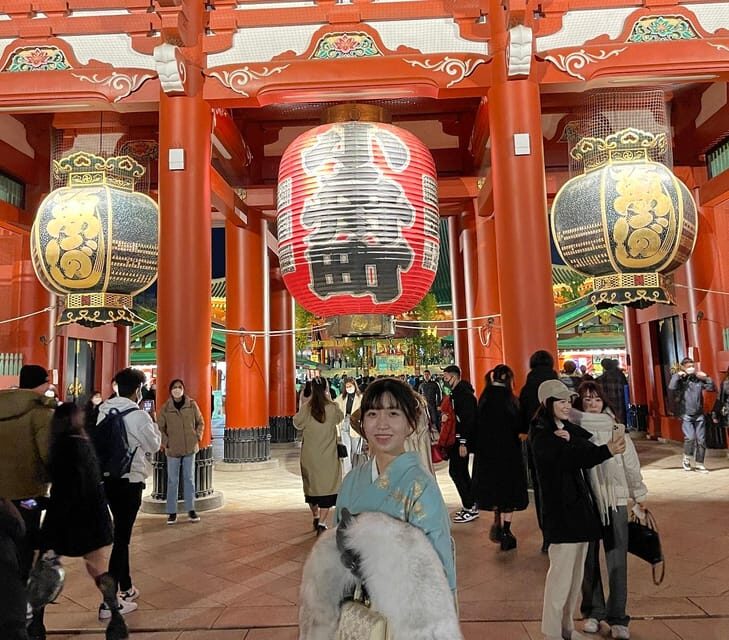
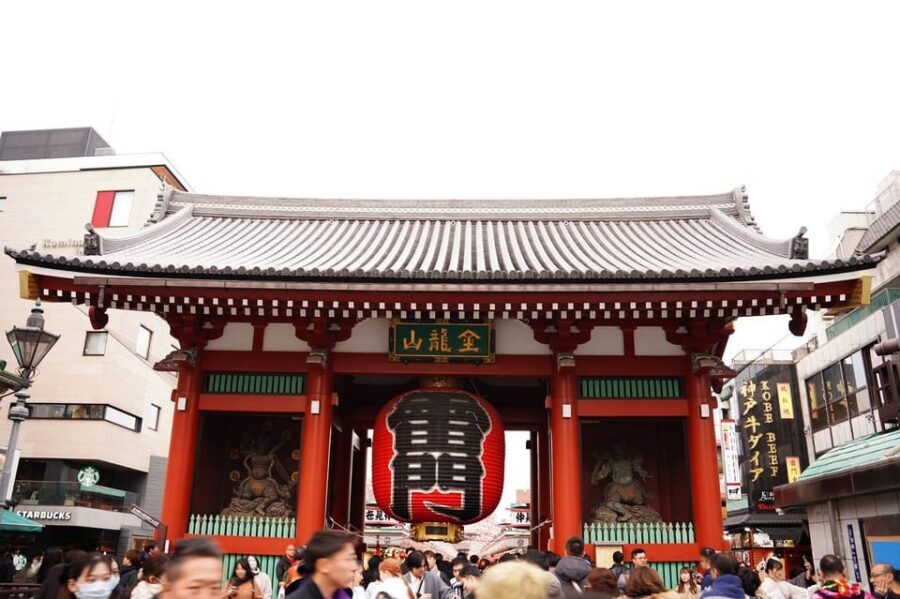
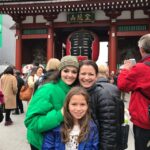
After the dressing session, the route goes to Kaminarimon (the Kaminari Gate), the main thunder gate at Senso-ji Temple. You’ll get a short visit and sightseeing time here, then you continue to Asakusa Nakamise Shopping Street.
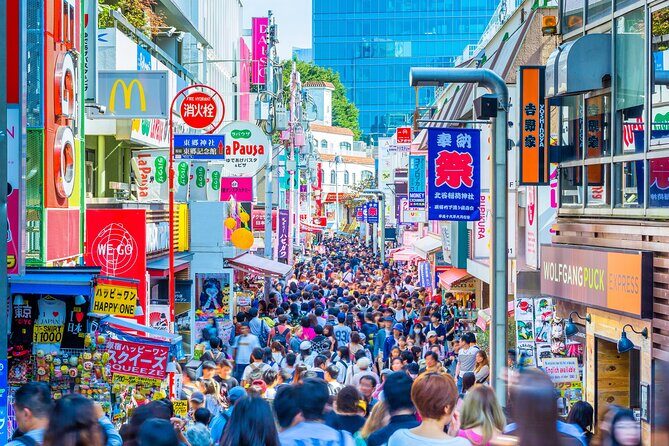
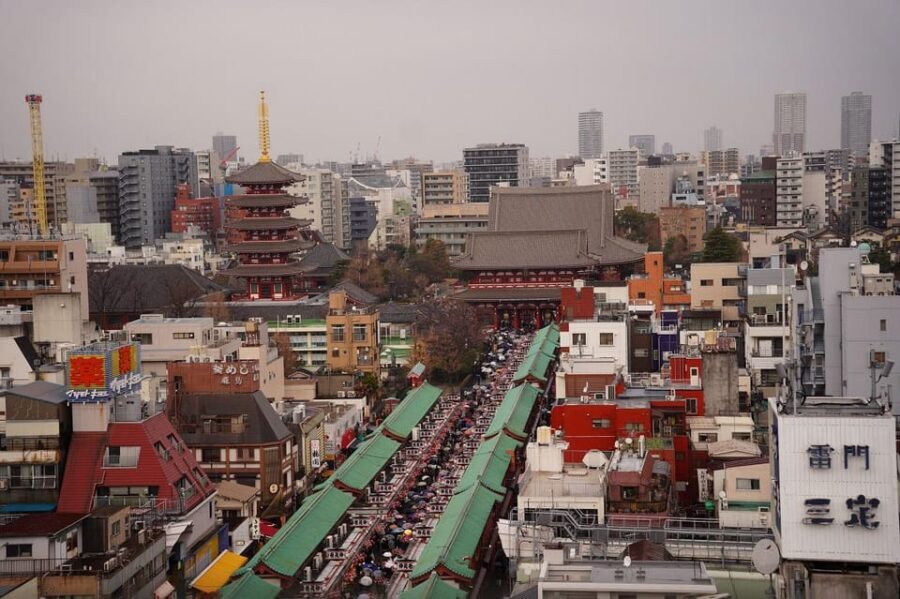
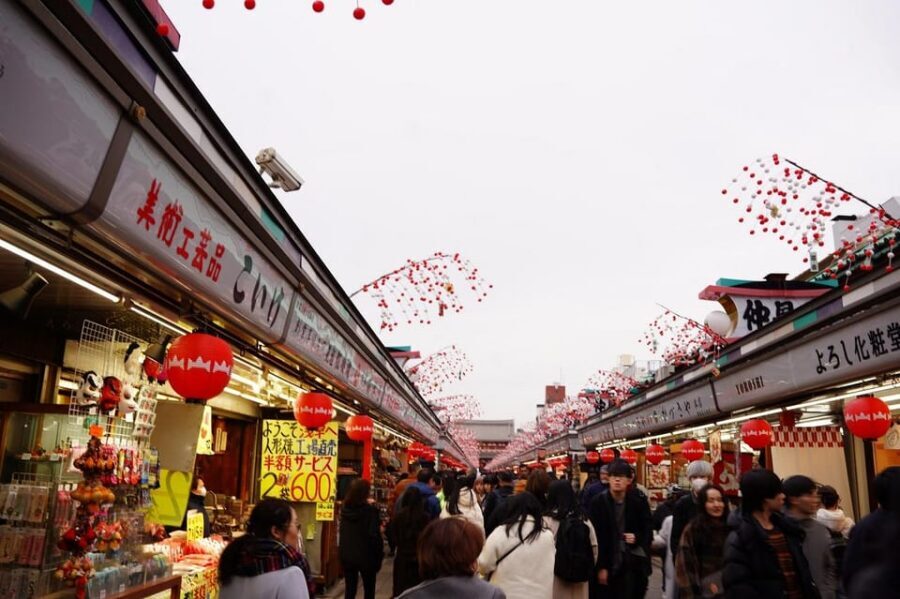
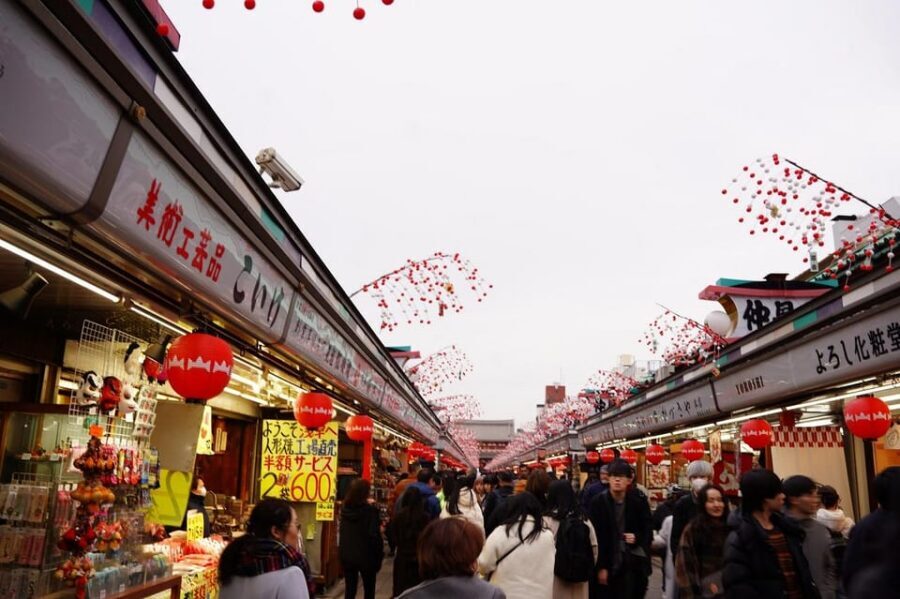
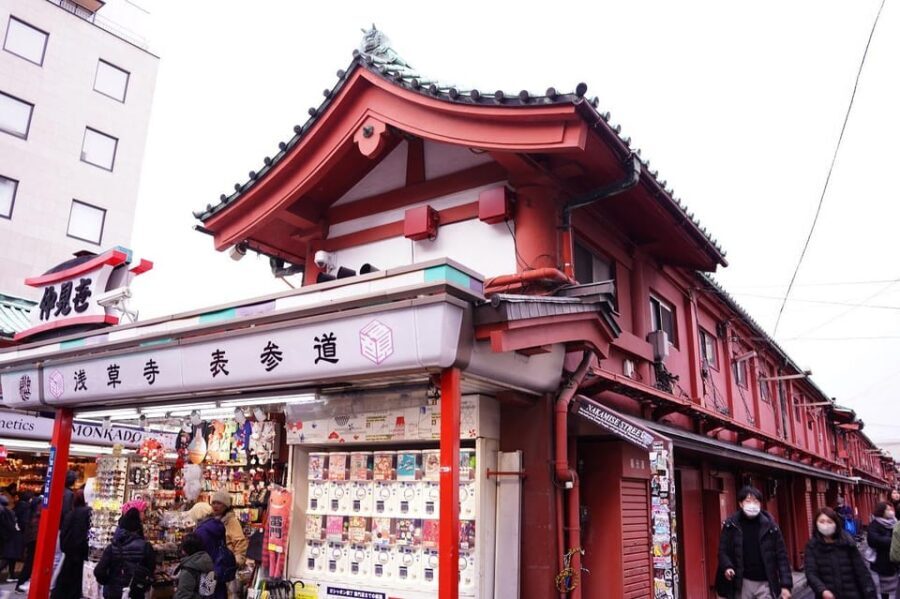
Nakamise is one of Japan’s older shopping streets, with long-running shops and classic souvenir stops. With a kimono on, the street feels more like a historical stage than a typical shopping strip. It’s also a practical place for photos because there are lots of “verticals” (lanterns, shop signs, temple-edge angles) that help your kimono colors read well on camera.
The itinerary keeps this section tight—walk time is short, and your stop windows are realistic. That’s important because Asakusa can get crowded around the temple. A guided rhythm helps you avoid wandering too much and missing the best photo moments.
Senso-ji Temple in kimono: prayers, the pagoda landmark, and a built-in photo plan
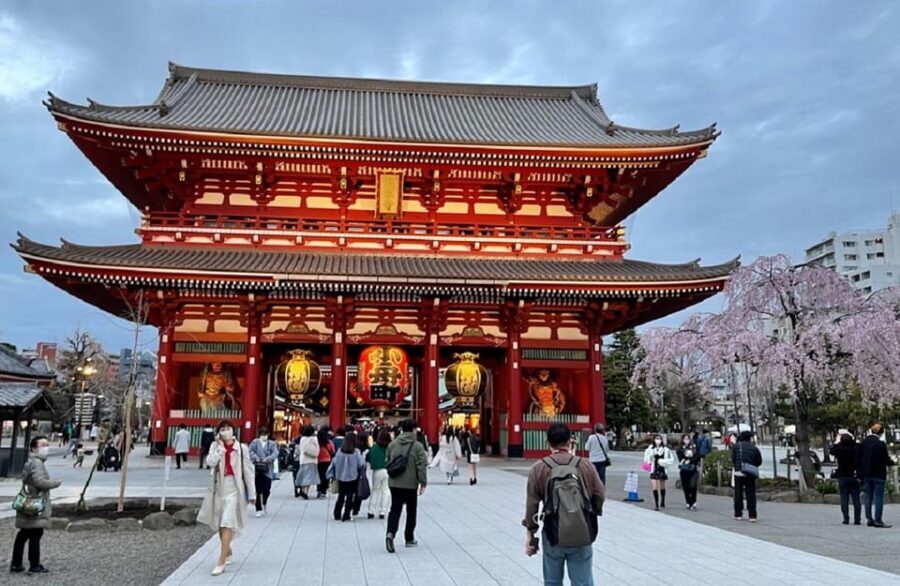
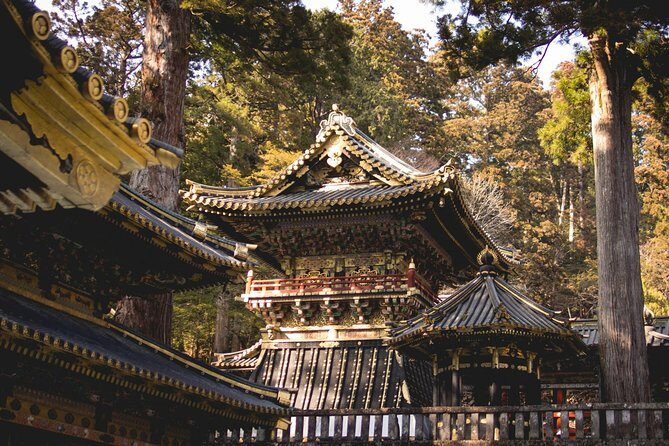
Senso-ji is the heart of the tour. You’ll spend time sightseeing and walking around the temple grounds, including a chance to offer prayers. The temple’s history stretches over 1,000 years, and the five-story pagoda is a key landmark you’ll keep seeing in photos of Asakusa for a reason: it’s a simple, recognizable silhouette.
What makes this tour’s Senso-ji time feel extra useful is how the photo planning is integrated. Your guide helps you find places where kimonos visually “match” the environment. That means you’re not just taking random snapshots—you’re aiming for compositions where the clothing doesn’t fight the background.
There’s also a very specific framing opportunity built into the route: the chance to capture cherry blossoms, Senso-ji Temple, and Tokyo Skytree together in one photo. Even if you’ve seen Tokyo landmarks before, putting them into one shot with the temple scene (and the softer look of blossoms) is exactly the kind of image that’s hard to recreate on your own unless you already know the angles.
The guide as your photo assistant: planning, timing, and actually taking your pictures
Many “photo tours” stop at directions: walk here, stand there, good luck. This one goes further. Your guide will tell you the best places to take photos that blend well with your kimono, and they’ll take the picture for you using your camera.
That’s a big value point. If you’ve ever tried to hold a camera, keep kimono sleeves from bumping things, and pose at the same time, you know the stress. Having someone take the shot means you can relax into the pose. You can also get multiple options without switching to constant self-timer routines.
The guide also brings cultural context during the walk. Some tours just do facts. This one helps you understand what you’re looking at and how to behave in the space. When you’re wearing kimono, that matters, because your body language changes. The guide’s coaching helps you look natural while still being respectful.
In reviews, Emiko is specifically credited with being kind, helpful with the dress fitting, and sharing cultural knowledge, plus making sure the group had good suggestions beyond photos, including where to eat. That kind of “real Tokyo help” is often the difference between a fun outfit session and a trip that feels properly guided.
Sumida River Terrace: the cherry-blossom-and-Skytree moment with breathing room
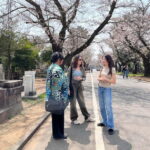
After temple and shopping street time, the route continues to Sumida River Terrace on the left bank near Shirahige Bridge downstream. This is where the pace shifts slightly. Instead of dense streets and temple crowds, you get open views and more space for relaxed portrait-style photos.
Your guide brings you here specifically to take photos of yourself wearing kimono, with Tokyo Skytree and cherry blossoms as the backdrop. If you’re trying to get that iconic “Tokyo contrast” look—old temple textures in one direction, modern skyline in the other—this is a smart stop.
The walk time is short between sections, which keeps you from wasting energy. Your time at this terrace is about 30 minutes. That’s enough for a few good photo setups without turning into a long waiting period where you start fidgeting (and in kimono, fidgeting can quickly become uncomfortable).
You can also read our reviews of more guided tours in Tokyo



The wrap-up: returning the kimono and using the rest of your day
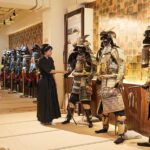
At the end, you head back together to the kimono shop to return the outfit. The tour ends right after that.
There’s also an option mentioned for next-day return. If you choose that option, you can keep sightseeing in kimono the following day. Your guide will advise where to go. That can be a great way to squeeze more value out of the rental, because kimono days are fun in motion. You get more than the 4-hour guided window—you get extra hours of “slow Tokyo” at your own pace.
One practical thought: because entrance fees and food aren’t included, you’ll likely want to have a plan for what you’ll do after the tour ends. If the goal is photos first and then food, pair the tour with a later meal near where you’ll be anyway, so you’re not scrambling.
Price and value: what your $116 is really paying for
At $116 per person for about 4 hours, this tour isn’t the cheapest way to see Asakusa—but it is a focused way to buy convenience and quality.
Your money goes into a few clear buckets:
- Kimono fixed standard fee (so you’re not guessing the rental cost)
- English-speaking guide with qualifications for both kimono dressing and guiding
- Small group format (up to 7 participants)
- Photo help, including having the guide take pictures with your camera
Not included:
- Kimono option fees (if you choose upgrades)
- Entrance fees
- Transportation expenses
- Food and drinks
- Other personal expenses
In other words, the tour pays for guidance and execution. If you rent a kimono on your own, you’ll handle styling, timing, photo angles, and where to stand at each landmark. This tour bundles that work into a single itinerary.
For value, the photo-taking piece matters most. If you care about getting real photos (not just a couple selfies), a guide who takes your picture can save you a lot of time and frustration.
Before you go: what to do so the day stays smooth
You’ll hear from the company about your kimono about 7 days before the date. Contact is by WhatsApp, and the guide reaches out to coordinate. Keep your WhatsApp active, and check messages around the week before your tour.
This matters because there’s at least one reported case of a missed tour that led to a 45-minute wait. That’s not the norm, but it’s enough to justify good habits: arrive early at the meeting point, and if anything feels off, message promptly instead of waiting in silence.
Also note: there’s no refund for a no-show or late arrival. So set a plan that includes buffer time, especially if you’re trying to get there from another part of Tokyo.
Who this tour suits best (and who might not love it)
This experience is a strong match if:
- You want kimono in Asakusa without juggling logistics
- Photos are a priority and you’d like someone to handle composition and timing
- You like structured walking routes with a clear “photo-stop then explore” rhythm
- You want cultural context, not just a shopping stop checklist
You might not love it as much if:
- You prefer fully solo wandering with no schedule
- You’re extremely sensitive to delays and don’t like any risk of waiting
- You want a tour that’s mainly about temple history lectures (this one is more practical and photo-focused)
Should you book this walking and photography tour?
I’d book it if your ideal Asakusa day includes a kimono, a camera-ready plan, and help choosing where to stand and how to pose. The combination of kimono styling plus a guide who can both dress you and guide you through Tokyo’s best photo angles is exactly what makes this tour feel worth the money.
If you’re on the fence, think about your biggest problem in Tokyo: figuring out logistics, finding the right photo angles, and keeping your day organized. This tour directly handles those issues for you, and it does it with a small group size that keeps things human.
FAQ
FAQ
Where does the tour meet?
You meet at Asakusa Station on the Ginza Line, at Gate 1. The guide will stand with the company lightspeedstar logo in orange.
How long is the tour, and is it a small group?
The tour lasts about 4 hours, and it’s limited to a small group of up to 7 participants.
What languages are available?
The live guide is available in English, Chinese, and Japanese.
What’s included in the price?
Included are the kimono fixed standard fee, an English-speaking guide, and guide support tied to qualified domestic travel itinerary management. Entrance fees, transportation, and food are not included.
Will the guide take photos for you?
Yes. The guide will take pictures for you using your camera and will also recommend the best spots to photograph well in kimono.
Is wheelchair access available?
Yes, the activity is wheelchair accessible.