REVIEW · TOKYO
Tokyo: Matcha Tea Ceremony Experience at Japanese room in Shibuya
Book on Viator →Operated by Japan Culture Experience · Bookable on Viator
Your matcha beats the usual souvenir routine. This Shibuya experience is a friendly, calm Japanese tea ceremony where you learn basic etiquette, make matcha, and compare different Japanese teas in a practical way. I like the fact that it is hands-on (not just watching), and I also like how the instructor’s guidance turns etiquette into something you can actually do. One thing to consider: it’s only about 1 hour, so there’s less time for long tangents.
The session runs in a Japanese room in Shibuya with a maximum of 8 people, so you should get real attention instead of being lost in a crowd. You’ll use a mobile ticket, and the meeting point is near public transportation. The activity ends back where it starts, so you won’t be stuck figuring out your next move.
In This Review
- Key Highlights You Should Know
- Shibuya Matcha Tea Ceremony: what happens when you walk in
- Finding the meeting point: 2-chōme-14-13 in Shibuya without stress
- Tea ceremony etiquette basics: what you learn and why it matters
- Making your own matcha bowl: the hands-on part you’ll remember
- Tea tasting: comparing flavors from multiple Japanese teas
- The vibe: calm room, friendly instructors, and a beginner-friendly pace
- Price and value in Tokyo: is $32.58 worth it?
- Who should book this Shibuya matcha ceremony (and who might not)
- Should you book this matcha tea ceremony in Shibuya?
- FAQ
- How long is the matcha tea ceremony experience?
- Where do I meet for the Shibuya tea ceremony?
- Is it beginner-friendly if I’ve never done a tea ceremony before?
- Do I make matcha myself during the class?
- How many people are in the group?
- Can I get a refund if I cancel?
Key Highlights You Should Know
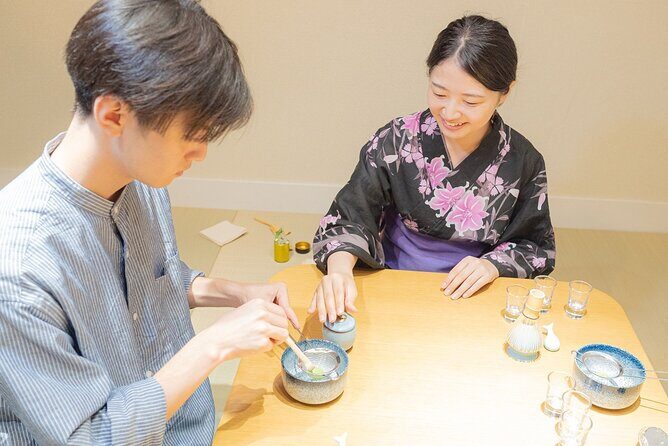
- You make the matcha yourself: hands-on steps are built into the experience, not a spectator show.
- Basic etiquette, explained simply: you learn how to hold, serve, and experience tea with proper manners.
- Tea tasting is part of the lesson: you’ll compare flavors across multiple Japanese teas.
- Instructors you can name and remember: sessions are led by guides such as Taku, So-Wa, and Ryota.
- Small group size: capped at 8 travelers for a quieter, more personal vibe.
- Matcha + sweets: you may enjoy traditional sweets alongside the ceremony as part of the flow.
Shibuya Matcha Tea Ceremony: what happens when you walk in
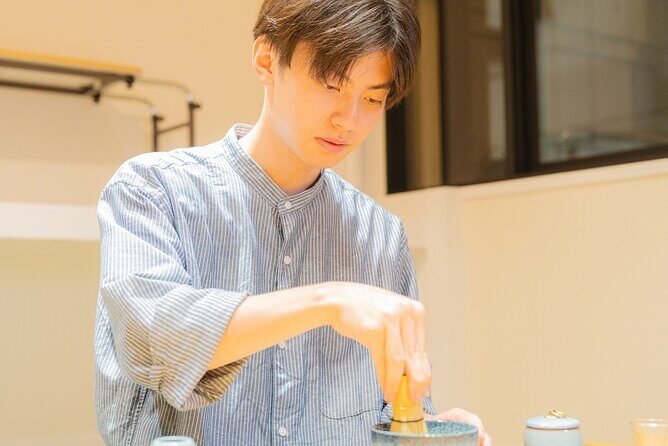
This is the kind of activity that instantly slows your day down. Instead of another checklist stop, you step into a Japanese room setting and learn the flow of a tea moment: stillness first, then technique, then taste. Even if you’re new to tea culture, the tone is welcoming, and the pace is built for beginners.
The biggest reason I’d put this on your Tokyo plan is that you’re not just there for photos. You’re doing the key action—preparing matcha—so the ceremony stops being abstract. Guides such as Taku and Ryota are specifically praised for making the session clear and manageable, with time to answer questions. And when you taste afterward, you connect what you made with how it actually drinks.
Your drawback is simple: the whole experience is about an hour. That’s enough for matcha basics and tasting, but it won’t replace a longer multi-course tea class. Think of it as a strong sampler with real hands-on practice.
You can also read our reviews of more tours and experiences in Tokyo.



Finding the meeting point: 2-chōme-14-13 in Shibuya without stress
You’ll meet at 2-chōme-14-13 Shibuya, Tokyo 150-0002, Japan. The good news is that it’s listed as near public transportation, which matters in Tokyo where “central” can still mean a long walk if you get off at the wrong train exit. Use your maps app and aim to arrive a few minutes early, especially if you’re unfamiliar with Shibuya street patterns.
Because the activity ends back at the meeting point, you’re not gambling on complicated end-of-class directions. This is also helpful for timing: you can plan your next reservation without adding extra buffer for transit.
One practical tip: bring a small amount of patience. Even when you’re close to transit, Shibuya can feel like a moving maze. The ceremony room itself is the calm part. Getting there is just the price of admission to a quieter hour.
Tea ceremony etiquette basics: what you learn and why it matters
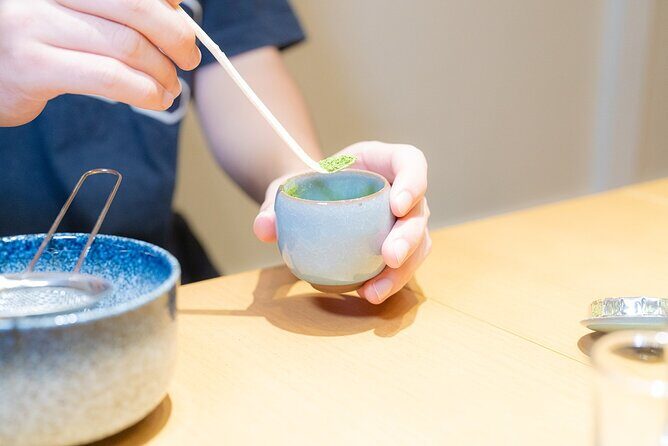
The ceremony is often described as mindfulness, but here’s the more useful angle: etiquette gives you a script. It tells you what to do with your hands, when to pause, and how to treat the moment like it matters. In a busy city like Tokyo, that structure is exactly what makes the experience feel different from a casual tasting.
In this class, you’re taught basic etiquette step by step in a relaxed setting. That means you’re not expected to already know the correct way to handle a bowl or approach serving. You learn the motions, then you use them immediately as part of making and tasting.
The payoff is not just cultural respect. When you practice the manners, you also practice attention. You notice temperature. You notice aroma. You notice how the bowl feels in your hands. That leads to better tasting, because you’re not rushing to drink.
If you like learning practical culture—stuff you can actually do at the table—this is a strong fit. If you hate rules and want pure chaos-free freedom, you might feel constrained by the ceremony flow. But even then, the tone is friendly and beginner-ready.
Making your own matcha bowl: the hands-on part you’ll remember
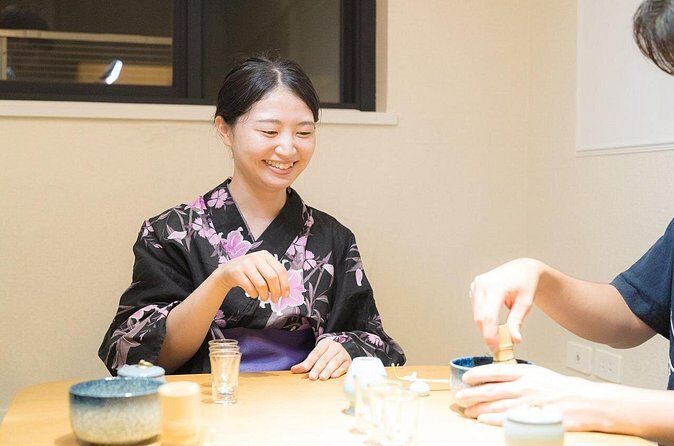
This is the main event, and it’s built right into the experience: you prepare matcha yourself with guidance. That matters because matcha is not instant gratification. It’s a technique drink—powder, whisking, and careful mixing—and small differences change the result.
The class teaches you the essentials of preparation in a way you can follow even if you’ve never whisked before. One of the best signs that this will work for you: instructors are praised for helping people make the cup they’re aiming for. That includes guide Taku, who gets mentioned specifically for matcha and tea expertise and for helping guests learn how to get it right.
Expect a guided rhythm:
1) You’ll get instruction on the basic process.
2) You’ll make matcha yourself.
3) You’ll taste and connect the technique to flavor.
The ceremony also often includes traditional sweets with the matcha. That combo helps you understand matcha beyond bitterness. The sweetness and texture can make the green tea taste smoother and more balanced, and it also turns the session into a full sensory moment rather than a single sip.
Given the time limit, don’t expect a lab-level matcha deep science seminar. Do expect a clear starting point you can repeat when you buy matcha later.
Tea tasting: comparing flavors from multiple Japanese teas
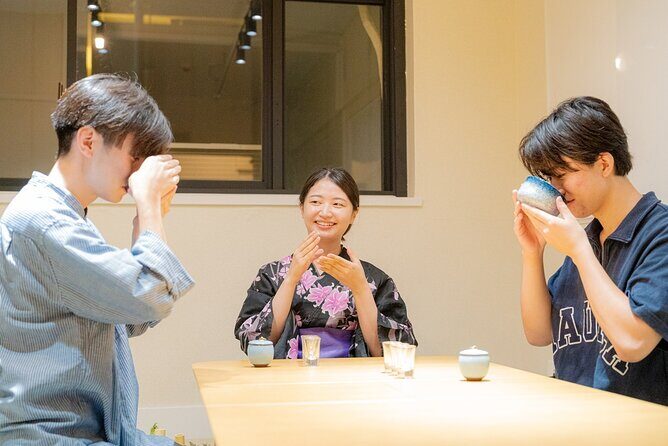
After the matcha work, the session shifts into tasting and comparison. You’ll sample different Japanese teas and compare their flavors while learning the traditions behind them. One detail that stands out: you taste three different teas as part of the experience.
You should know at least one of those teas by name: hojicha comes up in multiple comments as a favorite. Hojicha is typically roasted, and that changes the experience from lighter green-tea notes to deeper, warmer profiles. If you’re worried you’ll hate matcha bitterness, tasting hojicha first (or alongside) can be a comforting reality check.
You’ll also likely notice that the tasting portion is not random. It’s designed to help you understand what makes each tea distinct. The best part is that you taste right after learning basic etiquette and matcha prep, so your brain connects method with flavor instead of treating tea like a vending-machine decision.
The only consideration is that with a 1-hour window, the tasting is short. You’re tasting enough to learn differences, not enough to become a connoisseur. Still, for most visitors, that’s exactly the point: you leave with a few tea preferences you can actually use later.






The vibe: calm room, friendly instructors, and a beginner-friendly pace
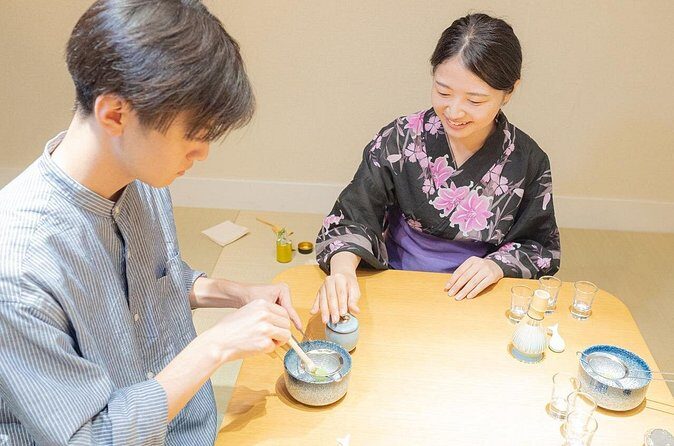
Tokyo can be loud. Shibuya can be louder. So this class succeeds because it’s calm by design. The session is described as relaxed and beginner-friendly, which is a big deal if you’re the type who freezes in cultural activities. Here, the goal is learning the basics without embarrassment.
The human touch is part of what makes it work. Instructors are named in feedback because they’re easy to connect with. So-Wa is praised for sharing history and explaining tea ceremony with lots of clarity. Ryota is praised for being amazing and for making the matcha learning feel smooth. Taku is repeatedly mentioned for knowledge about matcha and hojicha and for being friendly enough to answer questions.
That means you’re not stuck with a rigid script where you can only nod politely. If you’re curious—like how matcha is different from other green teas, or why etiquette is practiced—you should feel comfortable asking.
Also: the group stays small (max 8), which helps the atmosphere stay quiet and respectful. It’s one of those experiences where the room energy matters. Too many people turns tea ceremony into noise. This class avoids that.
Price and value in Tokyo: is $32.58 worth it?
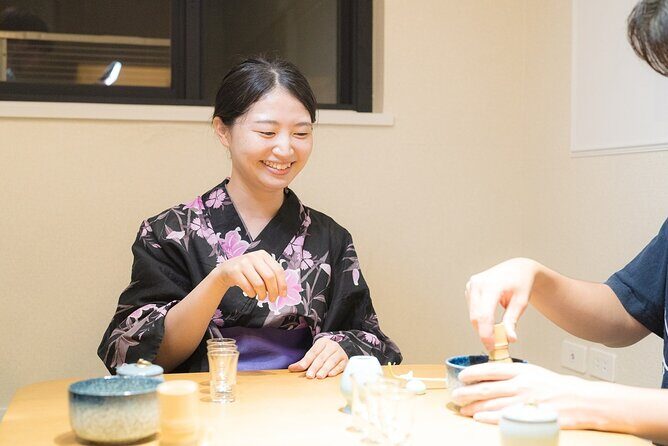
At $32.58 per person, you’re paying for more than “a drink.” You’re paying for guided technique, a small-group setting, and structured tasting. In Tokyo, where classes can be either very cheap and chaotic or very expensive and formal, this price sits in a practical middle.
Here’s why the value works:
- You actively make matcha yourself, which usually means higher value than a passive demonstration.
- You get instruction on basic etiquette, so you understand what you’re doing.
- You taste multiple teas (including hojicha), which helps you choose what to buy later.
- You’re capped at a small group size, which matters for attention.
What you should not expect for this price and time: a long multi-course ceremony with advanced techniques, or a deep specialization in tea sourcing and grading. But for a first-time matcha experience, it’s a fair deal: you leave with a usable skill and a better palate, not just a souvenir feeling.
If you’re traveling on a budget, this is still worth serious consideration if you plan to buy matcha afterward. One good matcha experience can save you from wasting money on a boring cup later.
Who should book this Shibuya matcha ceremony (and who might not)
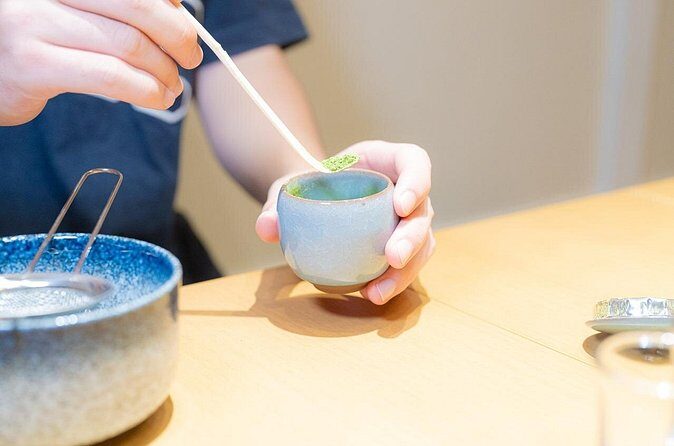
This is a great match if you want:
- a hands-on cultural experience (you’ll whisk matcha)
- beginner-friendly etiquette instruction
- a calm, structured break from Tokyo crowds
- a tasting segment where you can compare teas like matcha and hojicha
- small-group attention (max 8)
It may be less ideal if you want a full, hours-long deep study. If you’re already a tea nerd who wants advanced technique or a longer ceremonial sequence, this 1-hour format could feel like a taste—not the full meal.
It’s also best if you like learning through doing. If you prefer reading and self-guided museum-style learning, you might find the room etiquette structure a bit too guided. But even then, the act of making matcha usually wins people over fast.
Should you book this matcha tea ceremony in Shibuya?
Book it if you want a first-time Tokyo cultural moment that actually involves your hands. This is not just about tasting; it’s about learning basic etiquette in a calm Japanese room, making matcha under friendly instruction, and then comparing teas in a way that sticks.
Skip it only if your schedule can’t spare an hour, or if you already feel confident and want something more advanced. Otherwise, this is a strong “do it once properly” experience.
If you’re planning your Tokyo day, I’d place it when you can stay relaxed afterward. You don’t want to rush from the calm room right into a full sprint of nightlife. Tea ceremony works best when your schedule gives it room to land.
FAQ
How long is the matcha tea ceremony experience?
It runs for about 1 hour.
Where do I meet for the Shibuya tea ceremony?
The meeting point is 2-chōme-14-13 Shibuya, Tokyo 150-0002, Japan, and the activity ends back at the same location.
Is it beginner-friendly if I’ve never done a tea ceremony before?
Yes. The experience is described as relaxed and beginner-friendly, with step-by-step guidance on etiquette and matcha preparation.
Do I make matcha myself during the class?
Yes. You prepare matcha on your own with hands-on instruction.
How many people are in the group?
The maximum group size is 8 travelers.
Can I get a refund if I cancel?
Free cancellation is available up to 24 hours in advance for a full refund. If you cancel less than 24 hours before the start time, the amount paid is not refunded.