REVIEW · TOKYO
Tokyo: Shinjuku Night Walking Tour with Secret Alley
Book on GetYourGuide →Operated by Traveling Tokyo · Bookable on GetYourGuide
Shinjuku at night tells two stories. This Shinjuku night walking tour flips between neon entertainment streets and a quiet Shinto pause at Hanazono Shrine, with an English-speaking guide who shares the kind of context you usually miss when you just wander. I like that it’s not only about seeing places, it’s about understanding how Shinjuku got its attitude, including how Kabukicho evolved from post-war black market energy into the entertainment hub it is today.
What I like most is the guide-led flow through the area’s contrasts, from Kabukicho’s loud history to serene shrine steps tucked between skyscrapers. A possible drawback: you’ll be walking through an adult-entertainment zone, so if you prefer calmer neighborhoods, the mood in Kabukicho can feel intense.
In This Review
- Key Things You’ll Notice on This Shinjuku Night Walk
- Entering Shinjuku’s Two Faces After Dark
- Kabukicho: Neon, Side Streets, and Real Nightlife Context
- Kabukicho Tower Stop: New Shinjuku in One Modern Landmark
- Omoide Yokocho (Memory Lane): Narrow Alleys and Yakitori Smells
- Hanazono Shrine: The Quiet Reset Between Skyscrapers
- Golden Gai: Tiny Themed Bars and How to Pick Your Lane
- Price and Time: Is $32 Worth 90 Minutes in Shinjuku?
- Who This Tour Suits Best (and Who Might Skip It)
- Should You Book This Shinjuku Secret Alley Tour?
- FAQ
- Where is the meeting point?
- How long is the tour?
- What does the tour include?
- How much does it cost?
- Which neighborhoods and stops are included?
- Is the tour guided in English?
- Is there free cancellation?
- Can I reserve without paying right away?
- Is this a walking tour?
Key Things You’ll Notice on This Shinjuku Night Walk
- Kabukicho’s backstory: how the district shifted from post-war black markets into modern nightlife
- A stop at Kabukicho Tower: one of Shinjuku’s newer landmarks, tied to today’s entertainment mix
- Omoide Yokocho (Memory Lane): tiny yakitori spots and retro Showa-era bar alleys
- Hanazono Shrine tucked in the city: a quiet spiritual breather most tourists skip
- Golden Gai’s tiny bars: themed drinking lanes where every room feels different
Entering Shinjuku’s Two Faces After Dark
Shinjuku works best at night, because that’s when its contradictions show up on the street. You get the modern Tokyo layer—neon, signage, and crowds moving with purpose—then, just a few blocks away, you hit spaces that slow you down. This tour is built around that idea: you’ll spend 90 minutes walking through Kabukicho, Omoide Yokocho, and Golden Gai, then get a rare breather at Hanazono Shrine.
I love how the guide frames Shinjuku as a place with seasons and eras. Kabukicho, for example, doesn’t just appear as a red-light district. You hear how it shifted over time, which makes it easier to understand what you’re looking at instead of feeling like you’re walking through scenes from a movie.
One nice extra: you’re not just shown landmarks. You’re taught how to read them—where the side streets start, what to expect from different alley widths, and why these districts feel different even when they’re close together.
You can also read our reviews of more walking tours in Tokyo
Kabukicho: Neon, Side Streets, and Real Nightlife Context
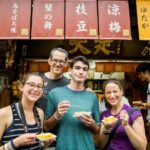
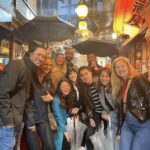
Kabukicho is Shinjuku’s loud opening act. It’s the kind of place where you’ll notice themed restaurants, flashing signs, and izakayas packed into every available corner. But the useful part of the tour is what the guide adds on top of the scenery: the story of how this district became an entertainment center.
Your guide is the difference between seeing Kabukicho and getting why it feels the way it does. Some guides named in bookings include Haydn and Karen, and the consistent thread is strong question-answering. If you wonder what you’re looking at—bar types, street rhythms, why things are arranged the way they are—that curiosity gets met with clear explanations instead of a rushed walkthrough.
Practical note: this is a night tour, so it’s not a quiet stroll. Keep your expectations realistic. You’ll likely pass through areas where the vibe is adult-oriented, and the best way to enjoy it is to stay respectful and let the history lesson do its job.
Kabukicho Tower Stop: New Shinjuku in One Modern Landmark
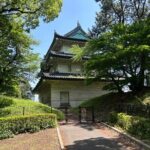
After you’ve taken in the older nightlife energy, the tour moves toward Kabukicho Tower. This is one of Shinjuku’s newer landmarks, and it’s a useful contrast point. You’ll get a sense of how Shinjuku keeps reinventing itself, blending cinema, live music, gaming, and nightlife under one roof.
I like this stop because it turns the question from What is here? into What’s changing? Kabukicho isn’t frozen in time. The tower represents the “today” version—entertainment packaged in a bigger, more polished format—while the streets below keep their older textures.
If you’re the type who likes Tokyo for architecture and how the city layers eras, this moment helps connect the dots fast. You don’t have to do extra research after the tour because you’ll leave with a mental map: old street culture plus new entertainment infrastructure.
Omoide Yokocho (Memory Lane): Narrow Alleys and Yakitori Smells
Next comes Omoide Yokocho, also called Memory Lane. This is where Shinjuku becomes smaller on purpose. The alleys are tight, the shops are compact, and the experience feels intentionally old-school. You’ll notice tiny yakitori spots and retro bars that echo the Showa era.
What makes this stop valuable is how the guide makes you pay attention to details that matter in real life. In a place like Omoide Yokocho, the “what” is easy—you can see restaurants and lantern-lit storefronts. The “why” is harder: why the alley layout works, why the atmosphere feels different from Kabukicho, and how these lanes became known as drink-and-snack destinations.
Also, the energy here makes it easy to relax. If you’re worried the night tour will feel too intense, Omoide Yokocho often provides a calmer rhythm. It’s still nightlife, but it’s more of a cozy-feeling alley crawl than a neon glare.
A quick, practical tip: go slow in these narrow lanes. Crowd density can rise fast when everyone squeezes into the same storefront fronts. A comfortable pace keeps it fun rather than stressful.
Hanazono Shrine: The Quiet Reset Between Skyscrapers
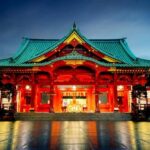
Then the tone shifts. The tour includes Hanazono Shrine, a Shinto site that often gets overlooked because it’s surrounded by the louder city around it. This is the kind of stop I always appreciate on a Tokyo night plan: you get a spiritual reset without needing to schedule an extra daytime visit.
Here’s what makes this shrine stop meaningful for first-time Tokyo visitors and repeat visitors alike: it shows you how daily religious practice sits right next to entertainment districts. It’s not a museum stop. It’s a real place of worship in a city that never fully turns off.
You’ll walk from heavy nightlife energy to something quieter. That contrast is the whole point. If you’ve felt Tokyo is too “big” or too modern, Hanazono Shrine brings scale back down to human steps and attention.
And since this is an evening tour, you might find the shrine atmosphere lands differently than it does in daylight. The city noise fades in the moment you slow down, which makes the shrine feel even more special—not because it’s packaged, but because it’s brief and real.
You can also read our reviews of more evening experiences in Tokyo


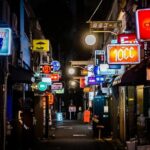

Golden Gai: Tiny Themed Bars and How to Pick Your Lane
The final district is Golden Gai, famous for its cluster of very small, themed bars. The look is unmistakable: narrow lanes, many doors, and bars that can be one-room experiences where the whole world feels concentrated.
This is a strong ending, because by the time you reach Golden Gai you’ve already seen how Shinjuku ranges from commercial entertainment to shrine calm. Golden Gai then acts like the bridge: it’s nightlife, but it’s also culture—locals, artists, and curious visitors all mixing in spaces that are too small for big distractions.
Guides named in bookings, like Yota and Nao, show a common strength: they’re good at suggesting where to go for a drink and what kind of mood each lane can offer. If you’ve ever stood in Golden Gai unsure where to start, this tour helps you leave with a direction instead of just a list of bar names.
Practical mindset: Golden Gai is about choice in small spaces. Don’t aim for speed. Choose one lane, step inside with respect for the room’s rules, and let the experience happen. If you’re open to small-scale nightlife, this ending can be a highlight of your whole Tokyo trip.
Price and Time: Is $32 Worth 90 Minutes in Shinjuku?
At $32 per person for a 90-minute guided walking tour, the value comes from three places.
First, you’re paying for local interpretation. Kabukicho, Omoide Yokocho, and Golden Gai are walkable on your own, but the real payoff is context: how the districts evolved, what you should notice, and how to move through them without getting lost in the noise.
Second, you’re saving decision fatigue. The guide handles sequencing. Instead of guessing where to go next after you’ve seen neon for an hour, you’re guided through a route designed around contrast: nightlife streets, then alley nostalgia, then a shrine reset, then tiny bars to finish.
Third, you’re getting a cultural punctuation mark with Hanazono Shrine. That stop is the type of thing you might miss if you’re only chasing the famous signage.
One consideration: because it’s a night walk through entertainment areas, you’ll get the most from it if you like Tokyo at street level. If you want only quiet sightseeing or you dislike red-light district surroundings, you may feel like you’re walking through a mood you didn’t come for.
Who This Tour Suits Best (and Who Might Skip It)
This tour is a great fit if you want:
- a fast, high-impact way to understand Shinjuku in one night
- a guide who can answer questions about what you’re seeing
- a route that balances nightlife with a real Shinto shrine stop
It’s less ideal if you prefer:
- strictly daytime sightseeing
- areas without any adult-entertainment atmosphere
- long stops in one place (this is a 90-minute walking format)
If you’re traveling solo, this kind of guided night plan can also be a confidence boost. You’ll know where you’re going, and you’ll leave with better instincts for what to try next around Shinjuku.
Should You Book This Shinjuku Secret Alley Tour?
Yes—if you want a Tokyo night that feels like a story, not just a checklist. I’d book it for the combination of Kabukicho, Omoide Yokocho, and Golden Gai plus the quiet interruption of Hanazono Shrine. That mix is hard to assemble on your own quickly, and the guide adds the kind of street-level understanding that turns a walk into a lesson.
Before you book, think about your comfort level with adult nightlife zones. Kabukicho is part of the plan, so if that vibe doesn’t match your travel style, you might feel better choosing a different Tokyo neighborhood.
If you’re good with a respectful night walk and you want to see Shinjuku’s different faces close together, this tour is a strong value for the time.
FAQ
Where is the meeting point?
You meet in front of happy lemon near Shinjuku station.
How long is the tour?
The tour lasts 90 minutes.
What does the tour include?
It includes a live English-speaking guide and a walking tour of Shinjuku.
How much does it cost?
The price is $32 per person.
Which neighborhoods and stops are included?
You’ll visit Kabukicho, Omoide Yokocho (Memory Lane), Hanazono Shrine, and Golden Gai.
Is the tour guided in English?
Yes, the live tour guide speaks English.
Is there free cancellation?
Yes. You can cancel up to 24 hours in advance for a full refund.
Can I reserve without paying right away?
Yes. You can reserve now and pay later.
Is this a walking tour?
Yes. It’s designed as a walking tour.