REVIEW · TOKYO
Tokyo 6hr Instagram Highlights Private Tour with Licensed Guide
Book on Viator →Operated by Japan Guide Agency · Bookable on Viator
Tokyo can overwhelm your camera roll fast. This private 6-hour tour helps you hit photo-ready landmarks with a licensed English-speaking guide. I like the way you get one-on-one attention to adapt the day, and I like that you’re usually aiming for 3–4 stops instead of racing through everything. The main trade-off: it’s a walking tour, and transport isn’t included, so you’ll want comfy shoes and a game plan for getting between neighborhoods.
In real life, that personalization matters. People have had guides like Sam, Yoshi, Miho, Taku, Hideaki, Show, Shuji, Toru, and Bruce tailor the schedule to what they actually want to photograph, and even adjust when they’ve already seen a spot on their own.
For value, look at where your money goes. You’re paying for a private guide plus time savings, while many stops are free to enter; the day gets more expensive only if you pick paid sites like Shinjuku Gyoen or major museums/gardens. Also, a reminder: the Imperial Palace visit is outside only, not an inside access ticket.
In This Review
- Key things to know before you go
- A 6-hour Tokyo photo sprint with real context
- Price and what actually changes the value
- How the day moves: walking, meeting on foot, and public transit
- Stop-by-stop: what you can pick and why each one photographs well
- Sensō-ji Temple (Asakusa)
- Hie Jinjya (Tokyo red torii tunnel)
- Shibuya Crossing (and Hachikō)
- Meiji Jingu Shrine (and the “sake barrel” photo moments)
- Takeshita Street (Harajuku shopping chaos, in a good way)
- Omoide Yokocho (old alley dining culture)
- Shinjuku Golden Gai (narrow-lane nightlife texture)
- Imperial Palace (outside views only)
- Shinjuku Gyoen National Garden (paid ticket option)
- Tsukiji Fish Market (old market atmosphere)
- Akihabara (electronics district photo energy)
- Koishikawa Korakuen Garden (paid ticket option)
- Hama Rikyu Gardens (seawater ponds, tides)
- Tokyo National Museum (paid museum option)
- Rikugien Garden (classic garden design)
- Yoyogi Park (big city park relief)
- Roppongi Hills (modern city-within-a-city feel)
- Odaiba (Tokyo Bay, shopping and entertainment)
- Shibamata (old-school charm)
- Nezu (shitamtachi old downtown texture)
- What makes the guide part feel different (not just the places)
- Best matches: who should book this and who should not
- Should you book this Tokyo Instagram Highlights Private Tour?
- FAQ
- FAQ
- How many photo stops will I see on the tour?
- Is this a walking tour?
- Do I get a private guide only for my group?
- Are entrance fees included?
- Will I enter the Imperial Palace?
- What sites require tickets?
- Are transportation fees included?
- What language is the guide?
- Can I cancel for a full refund?
- Are service animals allowed?
- Will I receive confirmation after booking?
Key things to know before you go
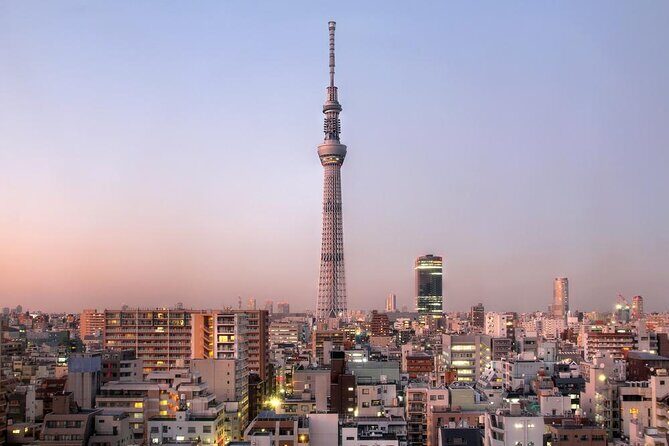
- Licensed local English-speaking guide with the day built around your interests
- Choose 3–4 stops from a menu of classic Tokyo photo locations
- A mix of old and new: temples, torii gates, shopping streets, alley culture, and modern skyline areas
- Many free-entry stops, but some gardens and museums require tickets you purchase
- Walking-heavy day with meeting on foot within a designated area and public transit between zones
A 6-hour Tokyo photo sprint with real context
This tour is designed for the traveler who wants Tokyo’s “I was here” shots without spending their vacation buried in map pins. The private format is the whole point: you’re not sharing your time with strangers, and your guide can steer you toward the best photo angles for the light you have that day.
The best part is the structure. Instead of trying to cram 15 attractions into six hours, you plan around about three to four photo stops. That means you spend more time getting the shot, and less time arriving, posing once, then sprinting off to the next subway platform.
You’ll still walk. Many guides build the day for short, focused visits—often around 30–40 minutes at a stop—then regroup to move on. If you’re the type who likes to linger, the private setup helps, because you can usually ask to slow down where it counts.
You can also read our reviews of more guided tours in Tokyo
Price and what actually changes the value
At $155.22 per person for a private licensed guide, you’re paying for two things: expertise (not just directions) and time savings. Tokyo is huge. A local guide is worth it when you want fewer detours and a smoother day.
Where the math gets interesting is entrances. Many sites listed for this experience are free—think Senso-ji, the red torii tunnel at Hie Jinjya, Shibuya Crossing, and popular street areas like Takeshita Street. But other stops explicitly say admission is not included, such as Shinjuku Gyoen National Garden and several paid gardens/museum options.
So here’s the practical way to think about value:
- If you choose mostly free-entry areas, you’re likely getting the best deal.
- If you choose paid sites, your final cost rises, but you’re still paying for a private guide’s time and coordination.
Also check the tour description feature called group discounts. If you’re traveling with friends or family, your per-person cost may improve depending on how the operator applies it.
How the day moves: walking, meeting on foot, and public transit
This is a walking tour. Pickup is offered, but it’s described as on foot, with you meeting your guide within a designated area. That’s actually good news if you want to start quickly and avoid waiting around for a vehicle that might not match your route.
Transportation fees are not included, and there’s no private vehicle. You’ll be using public transportation between stops when your chosen locations aren’t next door. One tour report mentioned using public transportation and racking up about 18,000 steps, which is a good reality check: you may feel it by the end, especially if you pick a wide spread of neighborhoods.
My advice: plan your stop choices like a photographer. Pair areas that are naturally close. If you stack Asakusa + Harajuku + Shinjuku in one day, you can do it, but expect longer travel legs and less time per location.
Stop-by-stop: what you can pick and why each one photographs well
You won’t do all of these in one day. This experience is built for choosing 3–4 stops from the options below, then spending enough time to actually get good results (not just snapshots).
Sensō-ji Temple (Asakusa)
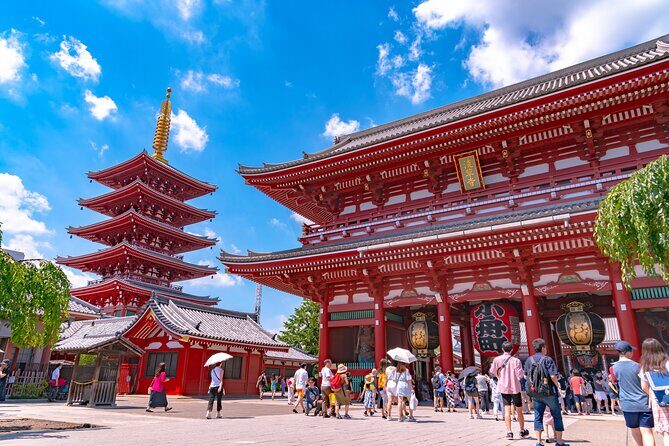
This is the classic Tokyo temple stop. The Kaminarimon Gate (Thunder Gate) is the photo magnet, and walking through the surrounding area like Nakamise-dori helps you capture that busy, traditional street energy. Entry is free, and the stop is about 30 minutes in the standard flow.
Consideration: it’s popular. That can mean crowds around the gate and along the approach, so if you’re chasing clean frames, go earlier in the day or lean on your guide to find the best angles.
You can also read our reviews of more private tours in Tokyo

Hie Jinjya (Tokyo red torii tunnel)
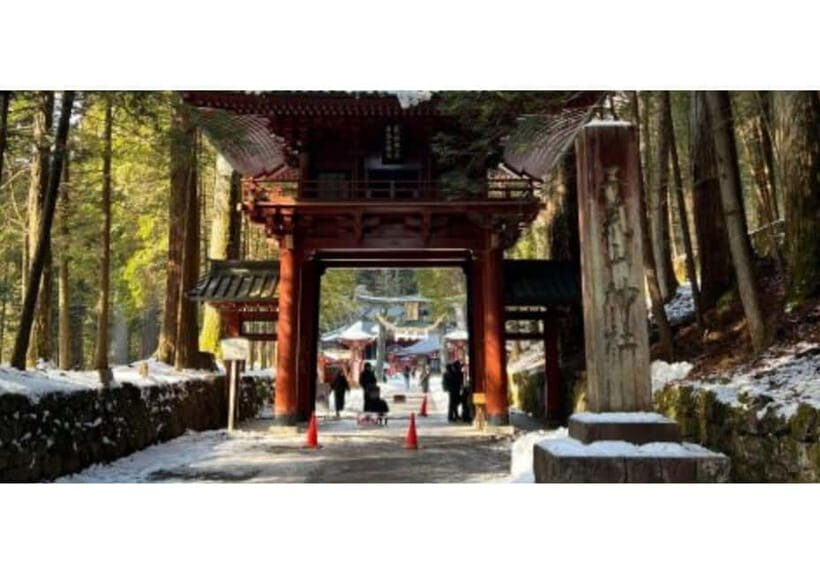
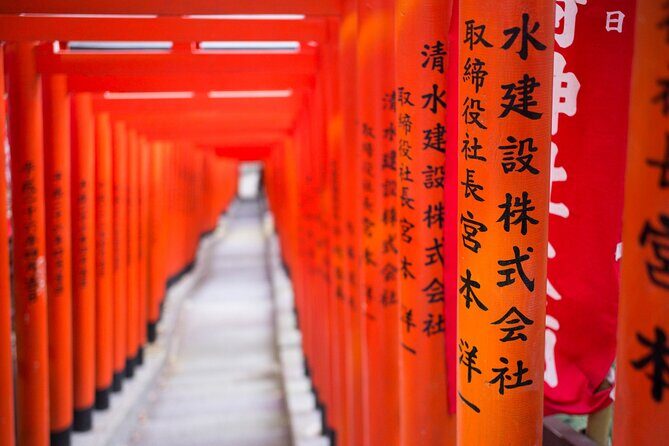
If you’ve seen torii tunnels in Kyoto and want a similar vibe without leaving Tokyo, this is a strong option. You’ll find a tunnel of 90 red torii gates, and because admission is free, it’s an easy add that looks dramatic in photos even without fancy camera gear.
Consideration: the red-to-red effect is intense. Wear something that contrasts (dark or neutral tones photograph well), and use your guide’s timing to avoid the ugliest light.
Shibuya Crossing (and Hachikō)
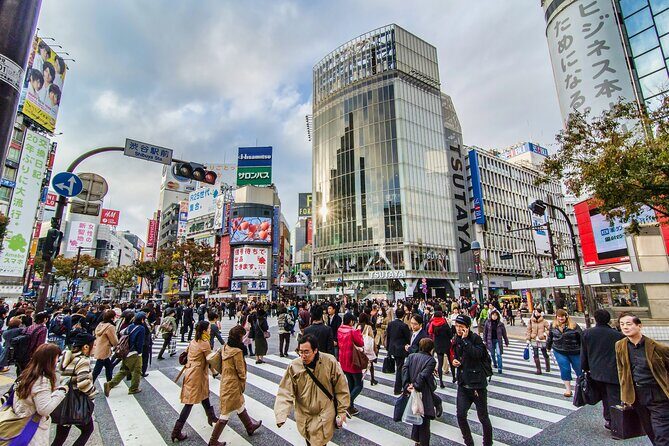
This is one of the most recognizable places in Tokyo. You’re getting the crosswalk energy plus the bronze statue of Hachikō, which gives you a story in the frame, not just pedestrians. Admission is free and the stop runs about 30 minutes.
Consideration: it’s busy. That’s part of the appeal. If your style is more calm and minimal, consider shooting from an edge position your guide points out, rather than trying to stand in the middle.
Meiji Jingu Shrine (and the “sake barrel” photo moments)
Meiji Jingu gives you a totally different feel than the street scenes. It’s described as Tokyo’s largest and most famous Shinto shrine, and the property covers 175 acres at the edge of Shibuya. One highlight is the sake barrels, which are a fun, colorful photographic detail; the stop is about 40 minutes.
Consideration: it’s a shrine area, not a theme park. You’ll likely want to keep your voice low and move respectfully while you shoot.
Takeshita Street (Harajuku shopping chaos, in a good way)
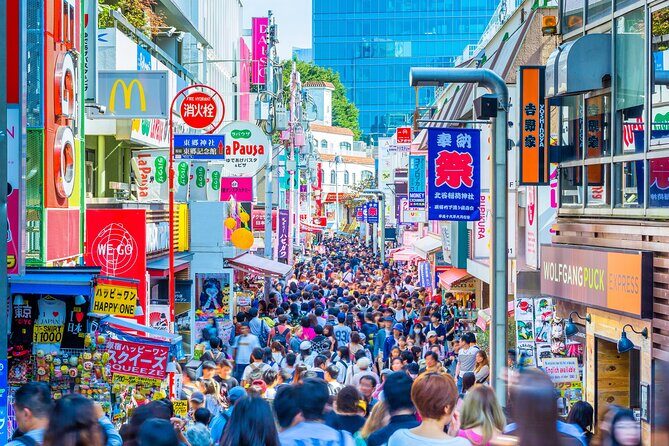
If you want Tokyo’s youth-fashion look in your photos, Takeshita Street delivers. Expect playful storefronts, kawaii clothing, and candy-style color—pink crepes and rainbow cotton candy are explicitly part of the vibe. Admission is free and the stop is about 30 minutes.
Consideration: it can feel crowded and loud. If you’re photographing people, remember you’re photographing real shoppers—keep things quick and considerate.
Omoide Yokocho (old alley dining culture)
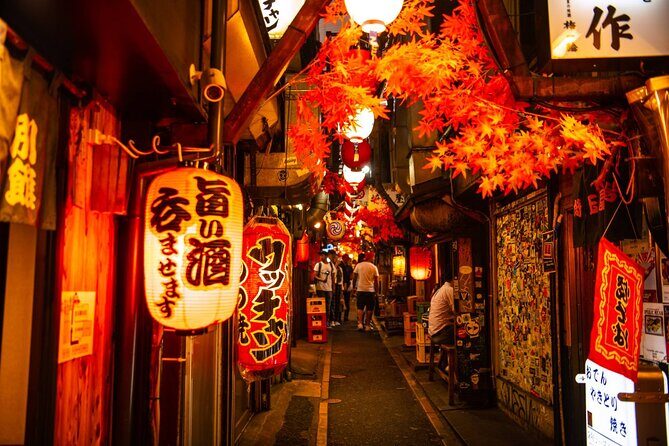
This is a narrow lane packed with tiny restaurants, bars, and shops. The photo payoff is the tight alley framing and the sense of backstreet Tokyo. Entry is free and the stop is about 30 minutes.
Consideration: food and signs can make the “background clutter” heavy. A guide who understands angles can help you isolate the alley texture without turning your photo into a signboard.
Shinjuku Golden Gai (narrow-lane nightlife texture)
Golden Gai is small, character-heavy, and built around narrow lanes with lots of small bars clustered together. Admission is free and the stop is about 30 minutes.
Consideration: this is more atmospheric than scenic. If you like moody street photos and compact composition, you’ll enjoy it more than someone hunting for wide vistas.
Imperial Palace (outside views only)
This stop can work well if you want a “Tokyo has history” moment without paying for museum time. The tour specifically notes no access inside the Imperial Palace, but you can still capture the surrounding park-and-moat feel. Entry is free and the stop is about 30 minutes.
Consideration: since it’s outside only, manage expectations. Think photos of the grounds, not a palace interior experience.
Shinjuku Gyoen National Garden (paid ticket option)
If you want greenery and seasonal charm in your photos, this is the one. Adults are listed at 500 yen, with a group discount of 400 yen; seniors and students have lower rates but require valid ID. The stop in the standard flow is about 5 minutes, and the admission is not included.
Consideration: this is a paid site and the ticket rules matter. If you’re sensitive about cost or you don’t have the right ID, skip it and pick free options.
Tsukiji Fish Market (old market atmosphere)
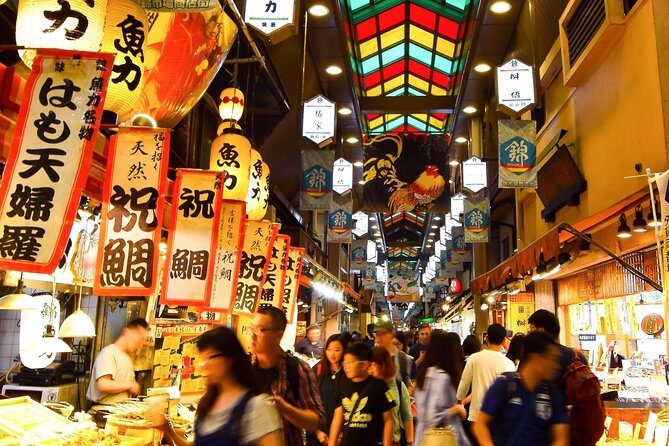
Tsukiji is the “Tokyo still smells like work” stop. The focus here is exploring the old fish market area, and admission is free. The standard visit is about 10 minutes.
Consideration: it’s fast-paced. This isn’t the place to take a three-hour photo walk. Bring the mindset of short bursts and quick framing.
Akihabara (electronics district photo energy)
Akihabara is for tech lovers and for that Tokyo-bright retail vibe. The district is famous for electronics shops, and it’s known as a center of what’s often associated with Japanese pop culture. Admission is free and the listed time is about 5 minutes.
Consideration: “5 minutes” is short. If you want deeper browsing for specific items or signboard shots, you might choose this stop and drop something else.
Koishikawa Korakuen Garden (paid ticket option)
This is one of Tokyo’s older Japanese gardens, built in the early Edo Period (1600–1867) at a residence of the Mito branch of the ruling family. Admission is not included and the stop is listed at about 5 minutes.
Consideration: gardens are all about time and pace. A 5-minute stop can work for quick photos, but if your dream is slow wandering, you might want a different tour structure or accept that you’ll be moving quickly here.
Hama Rikyu Gardens (seawater ponds, tides)
Hama Rikyu is a garden by Tokyo Bay with seawater ponds that change level with the tides, plus a teahouse element. Admission is not included, and the listed stop is about 5 minutes.
Consideration: if you care about the “tide timing” element, you may need to plan around the day’s schedule. The tour time is short, so focus on the main photographic features your guide points out.
Tokyo National Museum (paid museum option)
This is the oldest and largest of Japan’s top-level national museums. Admission is not included, and the listed stop is about 5 minutes.
Consideration: a 5-minute visit is not really “museum time.” If you pick this, you’re likely using it for exterior context or a very quick orientation shot, unless your guide adjusts the schedule.
Rikugien Garden (classic garden design)
Rikugien is often ranked among Tokyo’s most beautiful Japanese landscape gardens, built around 1700 for the 5th Tokugawa Shogun. Admission is not included and the standard stop is about 5 minutes.
Consideration: like the other garden options, the value depends on whether you’re there for quick visual shots or a longer walk.
Yoyogi Park (big city park relief)
Yoyogi Park is large, with lawns, ponds, and wooded areas. It’s a good break from hard urban edges, and admission is free with about a 5-minute stop in the sample flow.
Consideration: because it’s a park stop, it works best when you want a little air in your schedule and a calmer background for portraits.
Roppongi Hills (modern city-within-a-city feel)
Roppongi Hills is described as a city within the city, with shops, restaurants, offices, apartments, and more in one complex. Admission is free and the stop is about 5 minutes.
Consideration: it’s mostly a “modern frame” stop. If you prefer old Tokyo textures, choose it only if you like contrast shots next to temples or alleys.
Odaiba (Tokyo Bay, shopping and entertainment)
Odaiba is on a man-made island in Tokyo Bay and is known as a shopping and entertainment district. It’s described as originating from small fort islands, with daiba meaning fort in the background. Admission is free and the listed time is about 5 minutes.
Consideration: it’s a “modern Tokyo from the water side” vibe. If your style is cinematic wide views, this can be a nice counterpoint.
Shibamata (old-school charm)
Shibamata is an eastern Tokyo neighborhood near the Edogawa River, holding onto old-school charm from earlier eras. Admission is free and the listed time is about 5 minutes.
Consideration: it’s more about neighborhood feel than iconic monuments, so it rewards slower observation. If your goal is Instagram-ready texture shots, it fits.
Nezu (shitamtachi old downtown texture)
Nezu, part of Yanaka and Nezu (shitamachi old downtown), is described as retaining last-century character due to avoiding major damage during wars and natural disasters. Admission is free and the listed time is about 5 minutes.
Consideration: it’s a neighborhood choice. If you’re expecting big landmark moments, you might be happier with torii, temples, or Shibuya.
What makes the guide part feel different (not just the places)
A good part of the success here is how the guide runs the day. Multiple guide-led experiences show a pattern: the guide asks what you want to see, then adjusts. Yoshi, for example, reportedly remade the schedule when the group had already seen a few spots. Show reportedly tailored the tour based on preferences before you even arrived.
That matters because Tokyo changes by the minute. Your best shot depends on crowd levels, light, and even your comfort walking from one angle to the next. A licensed guide who can think on their feet helps you avoid the “we went there but didn’t get the shot” outcome.
Also, guide communication is a theme in the feedback. Some groups were first-time visitors with no Japanese, and the guide helped them feel relaxed and at ease while moving through the city.
Best matches: who should book this and who should not
This tour fits best if you:
- Want a private, photo-focused day with about 3–4 stops
- Like the mix of temples, streets, and modern Tokyo areas
- Would rather pay for a guide than spend hours planning route order
It might not be your best match if you:
- Hate walking and tight schedules. This is a walking tour with short visits per stop.
- Want deep museum time or long garden wandering. Several “museum/garden” options are listed as short stops and are paid.
Should you book this Tokyo Instagram Highlights Private Tour?
Book it if you have limited time and want a guide to turn Tokyo into a photo plan, not a scavenger hunt. At $155.22 per person, the value jumps when you pick mostly free-entry stops like Sensō-ji, Shibuya Crossing, Meiji Jingu, Harajuku, and one neighborhood alley option.
Skip or adjust expectations if you’re trying to do heavy paid attractions or full interior palace/museum experiences, because those are either outside-only or ticketed and time-limited in this format.
If you want my simple “decision rule”: pick one classic shrine/temple, one modern landmark, and one texture neighborhood (alley, market, or old-town feel). That combination matches the tour’s strengths and keeps your photos varied without turning your day into a marathon.
FAQ
FAQ
How many photo stops will I see on the tour?
You’ll customize the day to visit about 3–4 sites chosen from the available photo location list.
Is this a walking tour?
Yes. It’s described as a walking tour, and pickup is on foot. It’s also near public transportation.
Do I get a private guide only for my group?
Yes. It’s listed as a private tour/activity, meaning only your group participates.
Are entrance fees included?
Not in general. Entrance fees are not included, and guide entry fees are only covered for sights listed under the included What to expect style list.
Will I enter the Imperial Palace?
No. The tour does not include access to the inside of the Imperial Palace.
What sites require tickets?
Shinjuku Gyoen National Garden lists ticket prices in the information (including group discount for adults). Other stops like Koishikawa Korakuen Garden, Hama Rikyu Gardens, Tokyo National Museum, and Rikugien Garden are marked as admission not included.
Are transportation fees included?
No. Transportation fees are not included, and there is no private vehicle.
What language is the guide?
You’ll have a licensed local English-speaking guide.
Can I cancel for a full refund?
Yes. Free cancellation is available if you cancel up to 24 hours in advance of the experience start time.
Are service animals allowed?
Yes, service animals are allowed.
Will I receive confirmation after booking?
Confirmation is received at the time of booking.