REVIEW · NAMBA
Osaka Deep Night Street Walking Tour
Book on Viator →Operated by With Japan · Bookable on Viator
Osaka at night has a different rhythm. This 2-hour deep night street walk takes you past the usual highlights and into places locals actually wander, with an English-speaking guide keeping things fun and easy. I love the way the route mixes old downtown Osaka with modern style districts, so you see how the city changes block by block. I also like that you get real context for what you’re looking at—food culture, shopping history, and local custom—so the neon doesn’t feel random.
The main thing to consider is that this is a walking tour at 7:00 pm, so plan on comfortable shoes and some sustained street time (it’s not a sit-down show). Also, you’re moving at a group pace, so if you’re looking for lots of long stops to browse alone, this may feel a bit structured.
In This Review
- Key highlights before you lace up
- Osaka Deep Night Street Walking Tour: why 7 pm works so well
- Starting at namBaHIPS in Namba: old downtown Osaka on foot
- Hozenji Temple at night: the luck ritual with moss and water
- Shinsaibashi-suji arcades: where merchant town energy turns into fashion
- America Mura: street art, vintage finds, and youth-culture momentum
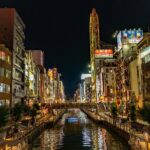
- Dotonbori at night: neon food signs and the Japan’s kitchen story
- Price, pacing, and value: what $25 buys you
- Practical tips that make this tour feel effortless
- Who should book this night tour (and who might skip it)
- Should you book Osaka Deep Night Street Walking Tour?
- FAQ
- How long is the Osaka Deep Night Street Walking Tour?
- What time does the tour start?
- Where do I meet for the tour?
- Where does the tour end?
- How much does the tour cost?
- Is there a mobile ticket?
- How big is the group?
- What areas are included in the walk?
- Can I get a refund if I cancel?
Key highlights before you lace up
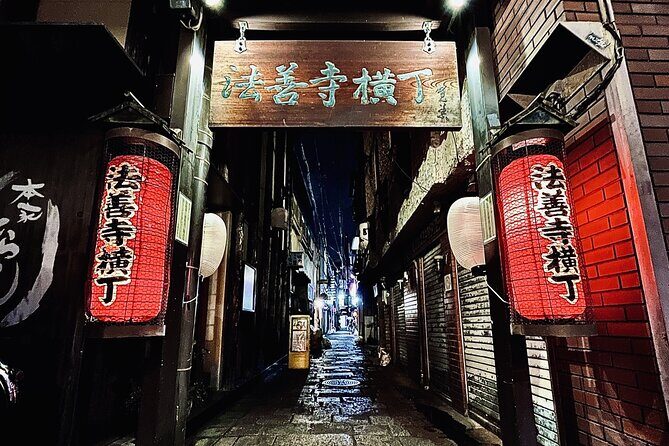
- Namba night streets that feel like old Osaka, not a themed walkway
- Hozenji Temple luck ritual, including locals pouring water over the moss-covered deity
- Shinsaibashi-suji arcades where shopping history shows up in the storefronts
- America Mura’s youth culture with street art energy and vintage shopping vibes
- Dotonbori neon and giant food signs, plus the reason Osaka is called Japan’s kitchen
Osaka Deep Night Street Walking Tour: why 7 pm works so well
Night walking in Osaka isn’t just about lights. It’s when the city’s everyday life spills out—people heading to snacks, chatting on side streets, and making quick stops that wouldn’t happen at 10 in the morning. This tour leans into that reality. You’re not stuck waiting for a bus or transferring trains. You meet at namBaHIPS in Namba and spend the next couple hours moving through neighborhoods that each have their own personality.
The small group size matters here. With up to 15 people, your guide can actually keep track of the group and answer questions without turning it into a parade. From what you can expect on the ground, the pace stays relaxed, which helps a lot when you’re crossing busy areas after dark.
Best of all, you’re not just “looking at stuff.” You’re getting the why behind what you see: how Namba’s downtown identity contrasts with Shinsaibashi’s shopping arcades, how America Mura became a youth-pop culture magnet, and how Dotonbori became the city’s loudest food theater.
You can also read our reviews of more walking tours in Namba
Starting at namBaHIPS in Namba: old downtown Osaka on foot
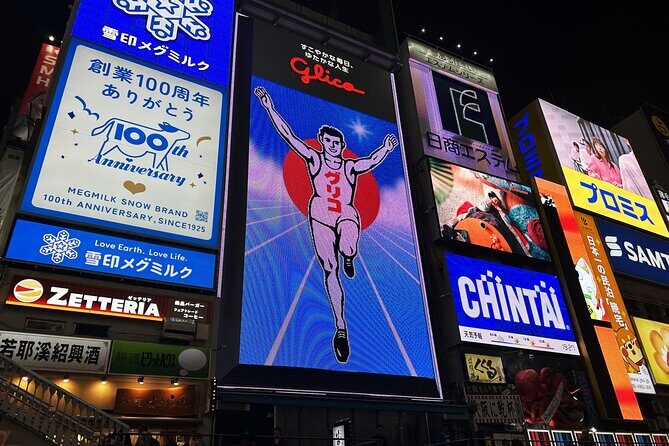
Your night begins at namBaHIPS (1-chōme-8-16 Namba, Chuo Ward). It’s a handy anchor point because Namba is one of Osaka’s major hubs, meaning you can usually find it without heroic navigation. Then the tour starts doing what Osaka does best: turning a simple walk into a story.
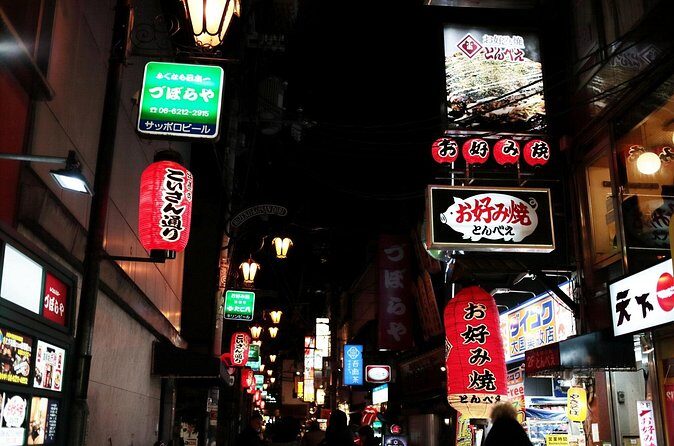
In Namba, you’ll move through local markets and backstreets. This is where you feel the city’s daily texture. You see the kind of narrow streets and tightly packed storefronts that make Osaka feel compact and approachable. You also pick up on the difference between “tourist downtown” and “live downtown.” The markets and side lanes are where you get that everyday Osaka vibe—less polished, more human.
A small practical note: night makes signage easier to spot, but side streets can be darker. Keep your phone screen brightness sensible and watch your step. Your guide will steer you, but you’ll still be walking.
Hozenji Temple at night: the luck ritual with moss and water
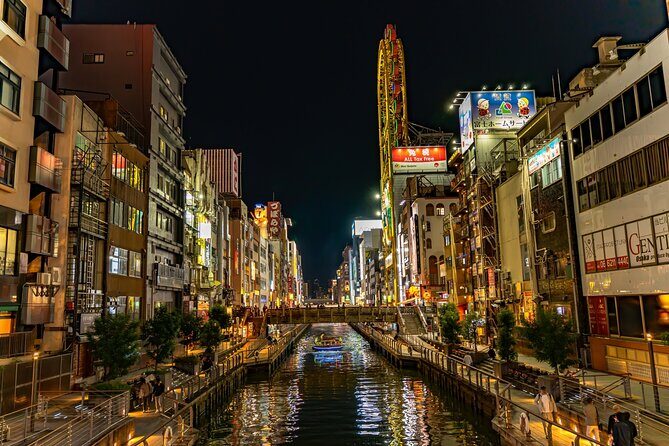
After you’ve gotten your bearings in Namba, the tour includes Hozenji Temple, a quieter pause inside a louder city. This is one of the most memorable parts because it connects a physical place with a specific custom.
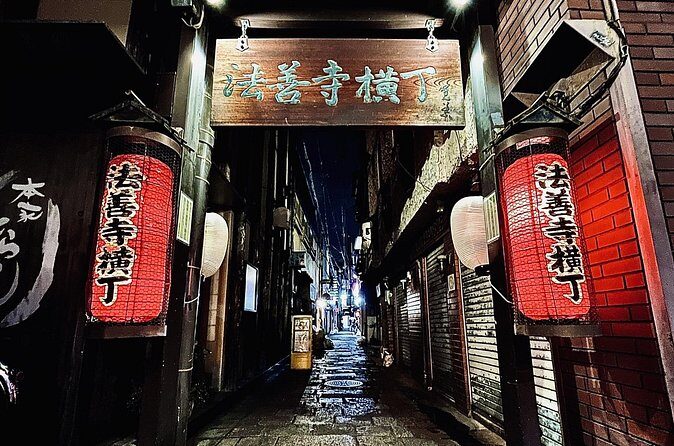
At Hozenji, locals pour water over a moss-covered deity for luck. The action is simple, but it carries meaning. You’re watching a living ritual, not a staged performance. And being there at night makes it feel more intimate—people slow down, the temple stays calm, and the contrast with neon streets nearby hits harder (in a good way).
If you like spiritual traditions that are practical rather than formal, this stop lands well. It’s not about complicated explanation. It’s about noticing details: the moss, the stonework, and the fact that people still return here.
Shinsaibashi-suji arcades: where merchant town energy turns into fashion
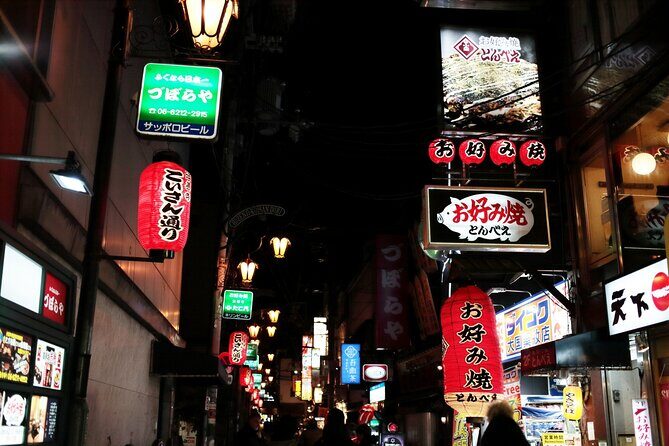
Next you head toward Shinsaibashi-suji Shopping Street. This stretch is about the fun collision of old and new. You get stylish arcades and historic stores together, which is exactly the kind of Osaka contrast that makes the tour worthwhile.
Your guide shares how the area evolved—from merchant-town roots to a modern fashion hub. That matters because it helps you read the street as a timeline, not just a shopping corridor. You can look at what’s there now, but you also understand why the street developed the way it did: trade patterns, neighborhood identity, and the way shopping culture kept evolving.
This is also where shopping street layout becomes useful knowledge. Arcades protect you from weather, and they keep foot traffic steady. You’re not just walking; you’re experiencing how Osaka keeps commerce moving even when conditions get uncomfortable.
The only drawback: if you’re shopping-focused, 30 minutes can feel short. The tour uses this time for context and orientation, not deep browsing. If you want to linger, you’ll likely want to come back after the tour ends.
America Mura: street art, vintage finds, and youth-culture momentum
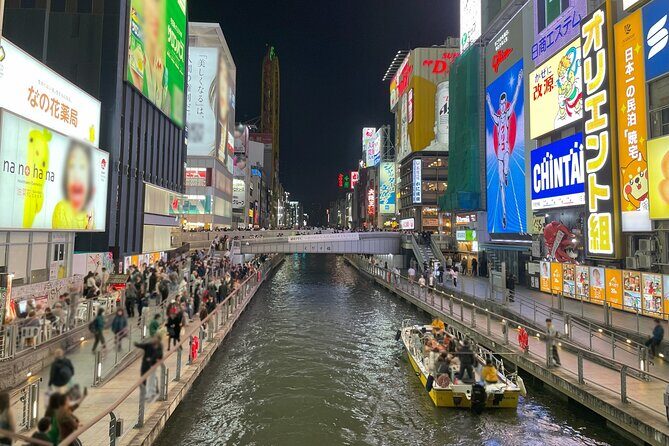
Then it’s America Mura, Osaka’s center of youth culture. Think street art, creative energy, and vintage shops—a spot with a vibe that people often compare to the style-forward feel of Harajuku.
This part of the walk is the tour’s personality shift. Namba starts grounded and traditional. Shinsaibashi adds polished shopping culture. America Mura brings the visual noise in the best way—art, fashion, and a creative crowd that makes the city feel self-aware and playful.
You’ll likely enjoy this segment most if you like wandering for atmosphere. It’s not only about stores; it’s about how the district looks and feels when you let it sink in. Your guide’s job here is practical: pointing out what the styles and street details mean, so you don’t feel like you’re just passing murals and racks of clothes without context.
One consideration: this is where you’ll notice the district’s youth-market orientation. If your travel style is more quiet and traditional, you might treat it as a chance to observe rather than shop hard—and you’ll still get value from the cultural framing.

Dotonbori at night: neon food signs and the Japan’s kitchen story
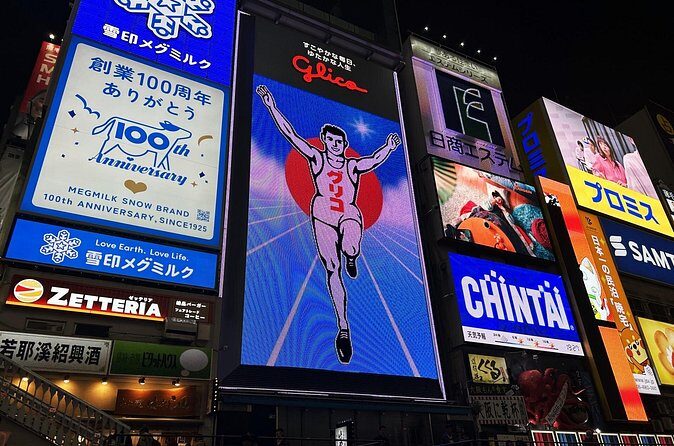
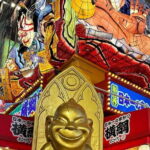
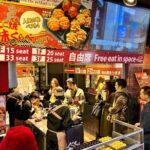
You end at Dotonbori, Osaka’s neon-heavy food and nightlife zone. This is the part most people recognize from photos, but the tour helps you understand why it’s so iconic.
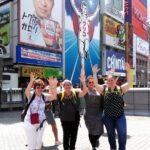
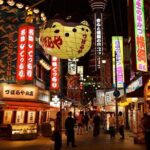
You’ll see the neon-lit streets, giant food signs, and the constant movement that defines the area. More importantly, your guide connects what you’re seeing to the nickname Japan’s kitchen. The idea isn’t just that Osaka has food; it’s that food culture is woven into daily life and street energy. Dotonbori is where that identity becomes loud and visible.
This is also a good ending point because it’s easy to keep exploring afterward. The tour ends back at the meeting point area, but Dotonbori is so active that you can decide what kind of night you want after the walk—quick snack hunt, casual stroll, or just enjoying the lights for a bit.
Keep expectations realistic, though: Dotonbori is popular. During busier stretches, you’ll be navigating crowds rather than strolling like it’s a quiet evening in the countryside. That’s normal here.
Price, pacing, and value: what $25 buys you
At $25 per person for about 2 hours, this tour sits in the sweet spot between “cheap enough to try” and “structured enough to be worth it.” The math works because you’re paying for more than walking. You’re paying for an English-speaking guide who ties each neighborhood to context—history of shopping streets, cultural meaning behind temple rituals, and an explanation of Osaka’s food reputation.
The fact that it’s a mobile ticket also reduces friction. You’re not juggling paper tickets mid-walk. Add in the small group size (up to 15 people), and you’re more likely to get real answers rather than one-way storytelling.
You also get insider recommendations on local eateries. The key word there is recommendations. You’re not forced into a sit-down meal, and the guide can steer you toward places that match what you’re into at that moment—something you can’t always do on your own when you’re overwhelmed by options.
Included admissions: Shinsaibashi-suji is listed as included, and the tour also includes elements along the route where admission isn’t the thing you need to manage separately. Namba and Dotonbori segments list admission as free, which helps keep the total cost predictable.
Practical tips that make this tour feel effortless
If you want this to be smooth, keep your setup simple.
- Wear comfortable shoes. This is a night walk with repeated street crossings.
- Dress for city weather. Osaka nights can feel humid, and you’ll be outside most of the time.
- Keep your phone handy for directions, but keep one hand free.
- Bring a sense of curiosity. This tour is designed to help you notice details—markets, temple objects, arcade structure, street art—rather than race through scenes.
Guide quality is a big part of the value. From past groups, English-speaking guides like Jai, Noa, and Yo have been praised for clear local knowledge and insightful storytelling about Osaka’s history and food culture. That’s exactly what you should hope for: someone who explains just enough so the street makes sense.
Who should book this night tour (and who might skip it)
Book it if you want a guided way to see Osaka’s day-and-night contrast. It’s great for first-timers who feel overwhelmed by Osaka’s size, and it’s also good for people who have already seen a few famous spots but want something more local and less scripted.
You’ll probably enjoy it if you like:
- street life and atmosphere after dark
- short stops with context (not museum hours)
- food culture explanations even if you’re not doing a full tasting
You might skip it if you strongly dislike crowds or you’re looking for long, independent browsing time at each district. This is paced for group movement and meaningful stops, not leisurely shopping marathons.
Should you book Osaka Deep Night Street Walking Tour?
If your goal is to understand Osaka beyond the postcard version, I think this is an easy yes. The route hits the essentials—Namba street life, a meaningful temple moment at Hozenji, Shinsaibashi’s shopping street logic, America Mura’s youth culture, and Dotonbori’s neon food identity—then connects it all with guide storytelling and local eatery suggestions.
At $25, for a small group and a guided night that lasts about two hours, you get a lot of orientation in a low-commitment format. Book it if you want a smart start to an Osaka night, not just photos.
FAQ
How long is the Osaka Deep Night Street Walking Tour?
It lasts about 2 hours.
What time does the tour start?
It starts at 7:00 pm.
Where do I meet for the tour?
The meeting point is namBaHIPS, 1-chōme-8-16 Namba, Chuo Ward, Osaka, 542-0076, Japan.
Where does the tour end?
It ends back at the meeting point.
How much does the tour cost?
The price is $25.00 per person.
Is there a mobile ticket?
Yes, it’s a mobile ticket.
How big is the group?
The tour has a maximum of 15 travelers (small group size).
What areas are included in the walk?
You’ll cover Namba, Shinsaibashi-suji Shopping Street, America Mura, and Dotonbori. The tour also includes Hozenji Temple.
Can I get a refund if I cancel?
Yes. You can cancel for a full refund up to 24 hours before the experience starts.