REVIEW · NAMBA
1 Day Takoyaki Making and Osaka Castle Walking Tour
Book on Viator →Operated by JTB Global Marketing & Travel Inc. · Bookable on Viator
Osaka, but you eat and learn fast. This one-day tour links Sumiyoshi Taisha with a street-tram ride, then brings you to the busy energy of Shinsekai and a hands-on takoyaki-making lunch. You finish with Osaka’s big landmark (Osaka Castle) and a river cruise view that helps the city click into place.
I like this itinerary for two clear reasons: the food is interactive, and the pacing gives you real downtime. I also love that the guide keeps the history practical, with story-level explanations that don’t feel like a classroom.
One thing to consider: you’ll walk about 7 km / 4 miles, and public transport seating is not guaranteed. Also, the Aqua Liner riverboat depends on conditions, so there’s a museum backup if it can’t run.
In This Review
- Key moments at a glance
- Start in Namba: a day designed for flow, not fuss
- Sumiyoshi Taisha: Osaka’s spiritual anchor and Sorihashi bridge photos
- The retro street tram: a quick ride that changes your city view
- Shinsekai and Tsutenkaku: where Osaka shows its playful side
- Takoyaki-making lunch: the hands-on part you’ll remember
- Aqua Liner on the Ogawa River: views from water level
- Osaka Castle: history outside, then big views from the tower
- How the day really feels: timing, walking, and guide style
- Price and value: what $148.65 buys you (and why it’s not just a “ticket”)
- Who should book this Osaka day tour
- Should you book this 1-day Osaka combo tour?
- FAQ
- What is the tour duration and time?
- Where does the tour start and end?
- Is lunch included, and what does it include?
- Can I request a vegetarian meal?
- What happens if the Aqua Liner can’t run?
- How much walking should I expect?
Key moments at a glance
- Sumiyoshi Taisha and Sorihashi: a classic Osaka spiritual stop tied to maritime safety
- Osaka’s only street tram: a short ride that shows daily life at sidewalk level
- Shinsekai + Tsutenkaku area: neon signs, local snack vibes, and quick photo chances
- Hands-on takoyaki lunch: 60 minutes to make and eat, plus several side dishes
- Aqua Liner river cruise (or museum fallback): Ogawa River views that calm the pace
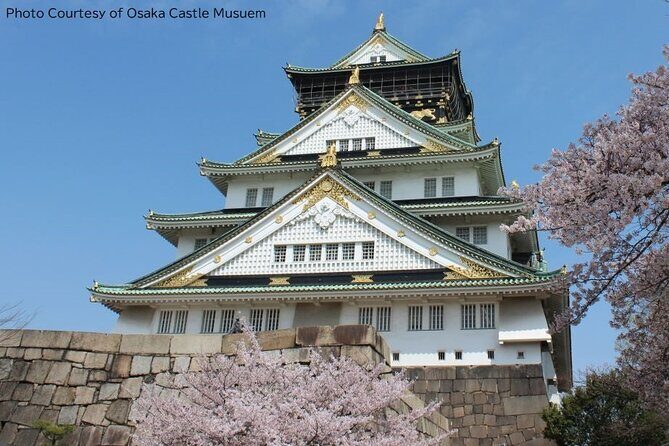
- Osaka Castle tower views: history on foot, then a wide skyline look from above
Start in Namba: a day designed for flow, not fuss
Most days in Osaka can feel like a choose-your-own-adventure map. This tour makes the choices for you, starting at Namba Hiroba Square (Pedestrian Paradise) at 8:50 am and ending back around Namba Station by 5:40 pm. You’re moving between neighborhoods, but the day is structured so you’re not hunting for the next stop.
The group size is capped at 15 travelers, which is a big deal in a city where lines and crowds can chew up time. It also means you’ll usually get more attention from the guide when something comes up—like figuring out what to do next at a crowded station.
And yes, it’s a walking tour. You’ll cover roughly 7 km, so pack your best walking shoes and accept that this is a “do stuff” day. If you want a relaxing half-day, this probably isn’t your match.
You can also read our reviews of more walking tours in Namba

Sumiyoshi Taisha: Osaka’s spiritual anchor and Sorihashi bridge photos
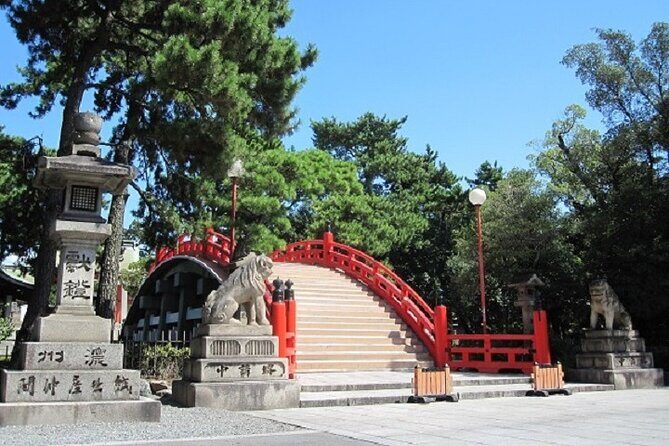
The day begins at Sumiyoshi Taisha, one of Osaka’s key shrines and a center of faith for local residents. It’s closely associated with maritime safety, which is a fascinating connection for a city that grew around trade and waterways. Many people also come to pray for prosperity in business, so the mood feels both traditional and practical.
The shrine layout gives you natural photo moments, including Sorihashi, the distinctive bridge that visitors often pause at. The main sanctuary is the core attraction, but the best part is that you can slow down for a full hour here—enough time to actually take it in instead of treating it like a quick checklist stop.
If you like cultural context, this is a smart early start. Shrines aren’t just buildings in Japan; they’re an operating system for community life. Starting here helps the rest of the day feel less random.
The retro street tram: a quick ride that changes your city view
Next comes a short hop to Sumiyoshitoriimae, where you get to experience a nostalgic tramcar ride. This is Osaka’s only street tram, and that single detail matters. Street trams move differently than subway trains; you feel closer to shops, sidewalks, and the rhythms of everyday life.
The stop itself is short (about 15 minutes), so think of it as a bridge between “history stop” and “people stop.” From the tram, you’re not just looking at buildings—you’re seeing how the city actually functions at ground level.
Practical note: the day uses public transportation throughout, and seating isn’t guaranteed. If you’re sensitive to standing, plan to keep one hand free and stay flexible with your timing.
Shinsekai and Tsutenkaku: where Osaka shows its playful side
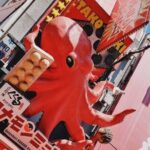
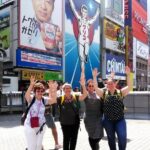
After the quiet of the shrine, you get a contrast dose at Shinsekai. This neighborhood is known for loud energy—busy shopping streets, izakaya-style dining, game centers, and all the signage that tells you Osaka likes to have fun.
Tsutenkaku Tower rises over the area, and it’s the kind of landmark that instantly tells you where you are. This stop is about 30 minutes, so you’re not expected to “live here.” You’re meant to get the vibe, grab photos, and taste the surrounding atmosphere before lunch refuels you.
If you’re the type who wants one authentic neighborhood moment in a single day, Shinsekai fits well. It’s not just sightseeing; it’s the day-to-day social world of Osaka.
Takoyaki-making lunch: the hands-on part you’ll remember
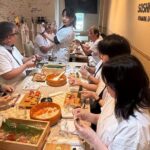
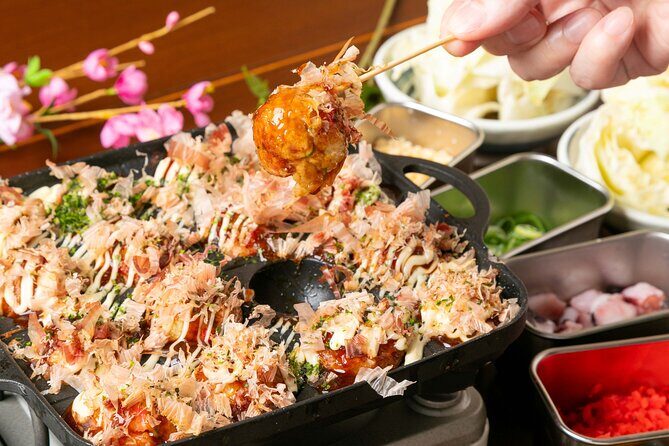
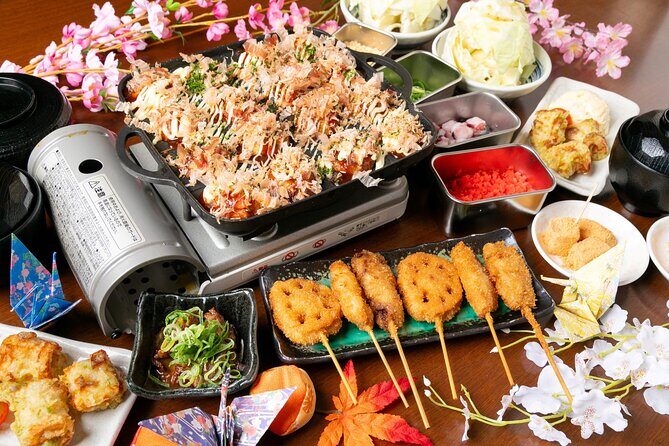
Lunch is the centerpiece of this tour. You’ll head to Kushikatsu Takoyaki Ajinodaimaru, where you learn to make takoyaki—Osaka’s famous soul food. This isn’t a “watch and clap” situation. You get about 60 minutes to make your own takoyaki and eat them as part of an all-you-can-eat setup.
The lunch includes takoyaki plus several other items, including salted cabbage, deep-fried chikuwa with seaweed, potato salad, three deep-fried skewers, white rice (refills available), and miso soup. That’s a satisfying lineup for a day when you’ve been walking since morning.
A couple of details matter for expectations:
- Takoyaki on the standard menu includes octopus, eggs, and animal-derived stock.
- If you request a vegetarian meal, you won’t be able to enjoy takoyaki as such. Instead, you’ll get a separate menu with items like mini salad, appetizers, grilled vegetables, deep-fried tofu teppanyaki, grated kelp soup, and white rice.
Also, there’s a practical sharing setup: one takoyaki maker is provided for every four customers, and you may be asked to share a table with another group. For most people, that’s part of the fun—small-group travel tends to make it easier to chat.
One more smart planning tip: eat at the pace you can. You’re producing food while learning, so give yourself a little breathing room before you rush to the next stop.
A few more Namba tours and experiences worth a look

Aqua Liner on the Ogawa River: views from water level
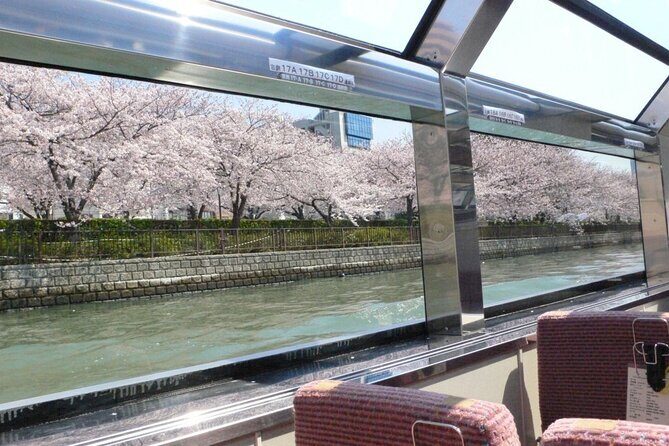
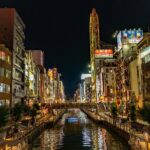
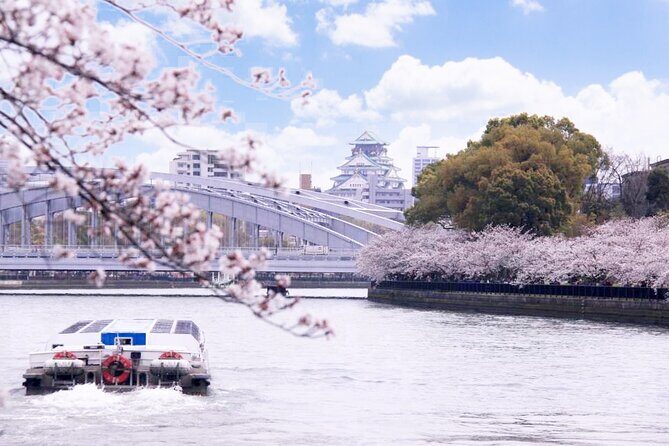
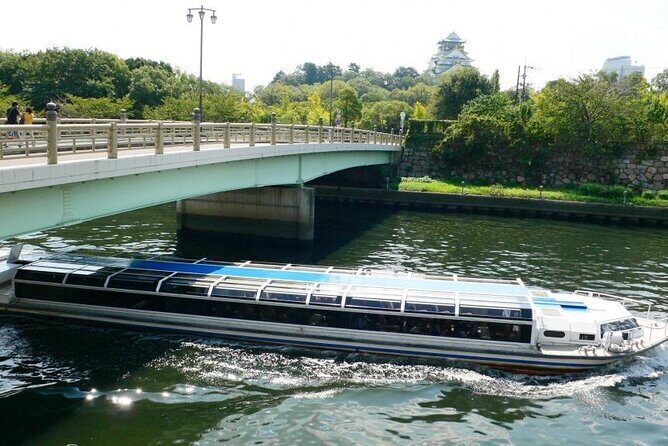
After lunch, the tour shifts into sightseeing mode with Aqualiner (Osaka Castle Pier) and a cruise along the Ogawa River. The time here is normally 40 minutes, but there’s a seasonal schedule change: until March 24, 2025 and from April 11, 2025, the cruise duration may be 55 minutes.
This is one of those stops that does more than add a ticket. When you’ve been on your feet, seeing Osaka from the water helps your brain reset. You get a different sense of distance and city structure, plus more relaxed photo opportunities.
Weather can affect operations, so there’s a built-in fallback: if the Aqua Liner can’t operate due to bad weather or other concerns, the tour visits the Osaka Museum of History instead. The data also notes that if the Aqua Liner is unavailable on a Tuesday (when the museum is closed), refunds are handled by the guide on the day (JPY 2,000 per adult, JPY 1,000 per child).
That fallback is worth appreciating. It means you’re not stuck with dead time, even if the sky doesn’t cooperate.
Osaka Castle: history outside, then big views from the tower
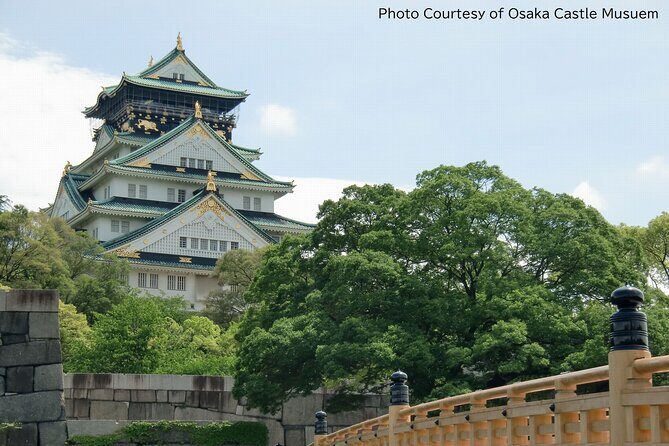
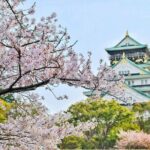
Next is Osaka Castle, a 16th-century landmark founded by Toyotomi Hideyoshi. The castle is a symbol tied to his power, and even if you’ve seen photos before, being on-site helps. You get a sense of why this place became an icon—location, scale, and the way the grounds pull you in.
You’ll spend about 1 hour 30 minutes here, which is enough for a real walk around the castle park areas and time to take in the tower views. The tour specifically highlights the tower perspective, so you’re not left wondering what the “must-see” visual is.
If you’re worried about crowds: the tour’s timing tends to keep you moving through key areas without lingering too long in bottleneck spots. Still, come ready to stand in some lines if you visit during peak daylight hours.
How the day really feels: timing, walking, and guide style
This tour runs from 8:50 am to roughly 5:40 pm, with a full schedule across multiple neighborhoods. The order can vary a bit depending on congestion and on-the-ground timing, but the overall flow stays consistent: shrine → tram → Shinsekai → takoyaki lunch → cruise or museum → castle → return to Namba.
You also want to know the walking reality up front. About 7 km on a full day in Osaka doesn’t sound extreme, but it adds up when you’re stopping for photos and moving between stations. Bring breathable layers and socks you trust.
The guide component is also a big part of the value. In the information you provided, there’s mention of a guide named Momo-san, and the tone of the feedback points to a style that mixes history with story-level explanations that stay short enough to keep the day enjoyable. That’s exactly what you want on a tour with several stops; long lectures kill the momentum.
Transportation matters too: the tour uses public transit, and seating isn’t guaranteed. Plan for standing on shorter hops and keep your belongings secure.
Price and value: what $148.65 buys you (and why it’s not just a “ticket”)
At $148.65 per person, you might wonder if it’s overpriced. In this case, the math mostly works because the tour includes several cost buckets that add up fast in Japan.
What’s included:
- A National Government Licensed English guide interpreter
- Lunch
- Transportation costs
- Other admission fees
What’s not included is everything outside that list. Based on the structure, this should cover your big expenses: guide, access fees, and the travel between stops. And lunch is meaningful: takoyaki-making plus a set of sides, rice refills, and miso soup.
You’re also getting built-in scheduling for the Aqua Liner and the Osaka Castle visit, plus a small-group format. Paying for structure is often worth it in a city that loves trains, transfers, and last-minute changes. When the cruise can’t run, the museum fallback also prevents your day from collapsing.
If you’re a first-timer in Osaka, this price can feel like a shortcut. If you already know the city well and hate group pacing, you might prefer to build your own day. But for most visitors, the “all-in” format is a strong value move.
Who should book this Osaka day tour
This tour is a good match if:
- You want a first-day Osaka overview without having to plan every transfer
- You like interactive food experiences, especially takoyaki-making
- You want a mix of faith sites, neighborhood energy, and major landmarks
- You’re okay with walking around 7 km and moving steadily
It’s less ideal if you want a slower, more flexible day where you can linger for hours in one place. Here, time is managed tightly, which keeps the day fun but not quiet.
Also, families should note that children up to 5 can join free of charge but won’t be provided lunch, and anyone under 18 needs written parental permission. That matters for planning meals and paperwork.
Should you book this 1-day Osaka combo tour?
Yes, if your goal is a smooth, guided Osaka sampler that mixes local food with top sights. I’d book it if you want takoyaki as a hands-on memory, not just a restaurant stop. The day’s structure also helps you cover neighborhoods you might not visit on your own, like Shinsekai, while still landing at Osaka’s headline landmark.
Skip it if you dislike group pacing or you don’t want to walk around a lot. And if you have a strict food requirement, look closely at the vegetarian note: you may get a special menu, but it won’t include takoyaki the usual way.
If you do book, plan ahead. The tour is commonly booked about 30 days in advance on average, and availability can tighten as your travel dates get close.
FAQ
What is the tour duration and time?
The tour runs for about 8 hours 50 minutes, starting at 8:50 am and ending around 5:40 pm at Namba Station.
Where does the tour start and end?
It starts at Namba Hiroba Square (Pedestrian Paradise) and ends at Namba Station.
Is lunch included, and what does it include?
Yes. Lunch is included and features takoyaki-making plus sides such as salted cabbage, deep-fried chikuwa with seaweed, potato salad, three deep-fried skewers, white rice (refills available), and miso soup.
Can I request a vegetarian meal?
Vegetarian meal requests are accepted, but the info states you won’t be able to enjoy takoyaki if you choose the vegetarian option. You’ll receive a separate vegetarian menu instead.
What happens if the Aqua Liner can’t run?
If Aqua Liner is out of service due to bad weather or other operational concerns, the tour visits the Osaka Museum of History instead. If Aqua Liner is unavailable on a Tuesday (when the museum is closed), refunds are issued by the guide on the tour day.
How much walking should I expect?
As a walking tour, you should expect about 7 km (about 4 miles) of walking during the day.