REVIEW · NAMBA
Kyoto Highlights Eastern Western Northern and Southern Routes
Book on Viator →Operated by OrigamiGo · Bookable on Viator
Kyoto clicks into focus on a private route. I love the private transportation (so you spend less time wrangling transfers) and the free admission at the listed stops, which helps this feel like real value. One consideration: lunch is not included, so you’ll want a plan for when you get hungry during an 8 to 14 hour day.
This is also the kind of tour where the vibe stays calm. The guide approach feels welcoming and makes it easier to talk naturally, even if you’re traveling solo, without forcing group chatter.
In This Review
- Key things to know before you go
- A private Kyoto loop from Osaka built for real pacing
- Price and what $325.76 per group really covers
- Pickup at Namba and how the day typically feels
- Stop 1: Kiyomizu-dera views and the wooden-stage moment
- Stop 2: Gion’s atmospheric streets in a 45-minute stroll
- Stop 3: Kyoto Gyoen for garden calm and royal atmosphere
- Stop 4: Ryoan-ji and the rock garden that forces quiet thinking
- Stop 5: Kinkaku-ji, gold leaf reflections, and classic Kyoto photography
- Stop 6: Zen temple collection with gardens and tea culture time
- Stop 7: Fushimi Inari’s torii gates and the walk you’ll remember
- Stop 8: Honmachi Zen temple time and the Tsutenkyo Bridge
- Why this route works: the East, West, North, South trick
- Who should book this private Kyoto highlights route
- A note on downtime and mood
- Quick practical checklist for a smooth day
- Should you book this tour?
- FAQ
- FAQ
- Where does the tour start?
- Is pickup offered?
- What is the group size?
- How long is the tour?
- Are admission tickets included?
- Is lunch included?
- Do I need good weather?
- Does the tour use a mobile ticket?
- Will I be taken back to the starting point?
- What is the cancellation policy?
- How is transportation handled?
Key things to know before you go
- Private, up to 2 people means the day can feel personal instead of like a rush through photo stops.
- Pickup near Namba Station makes the Osaka starting point straightforward.
- A stitched-together Kyoto route hits major icons across different parts of the city in one run.
- Zen moments are planned in (minimal rock garden, temple ponds, and quiet garden time).
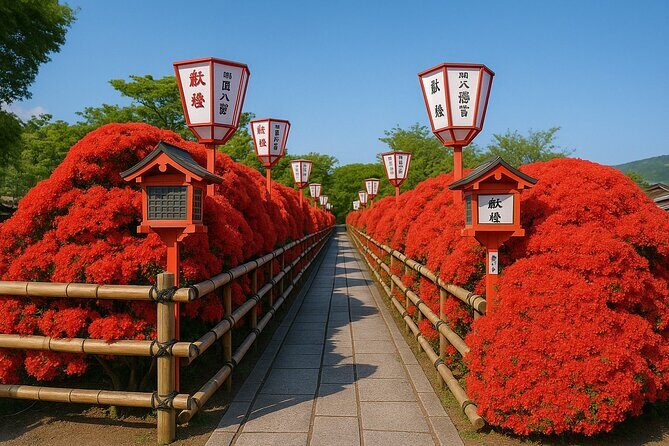
- Torii-gate photography at Fushimi Inari gives you a classic Kyoto visual payoff.
- Good weather matters, since the tour runs best when conditions are decent.
A private Kyoto loop from Osaka built for real pacing
This trip is designed as a highlights route that still feels manageable. You’re not just ticking boxes; you’re getting a structured flow from view points, to old-town streets, to Zen spaces, and then to a shrine walk that turns into a photo trail.
Because it’s private, you can move at a pace that fits you. If you like slow photos and quiet pauses, you get that option more than on big group tours.
You can also read our reviews of more tours and experiences in Namba.



Price and what $325.76 per group really covers
The price is $325.76 per group (up to 2), and that changes how you should think about value. When you’re sharing a private vehicle with one other person, the cost can start to feel reasonable compared with paying for individual rides and tickets on your own.
What’s included is practical: private transportation, fuel surcharge, and parking fees. What’s not included is also clear: lunch, plus landing and facility fees (which can vary by location and are easy to forget until you’re on the ground). Since the listed stops have free admission tickets noted, you aren’t constantly adding small ticket costs that add up.
Pickup at Namba and how the day typically feels
Your meeting point is at Namba Station (1 Chome-9), Chuo Ward, Osaka, and the tour ends back at the same spot. That round-trip structure matters, because it keeps your Kyoto day from turning into a stressful “how do we get back?” puzzle.
The total time runs 8 to 14 hours (approx.), depending on timing and the day. With multiple temple and shrine stops, you should expect a long stretch on your feet, plus time for moving between areas.
Also, this uses a mobile ticket, and confirmation happens at booking. That’s a small detail, but it helps your start go smoothly instead of dealing with paper at the last minute.
Stop 1: Kiyomizu-dera views and the wooden-stage moment
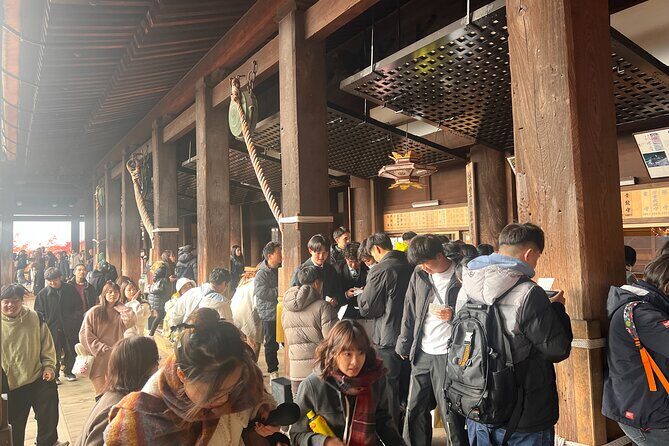
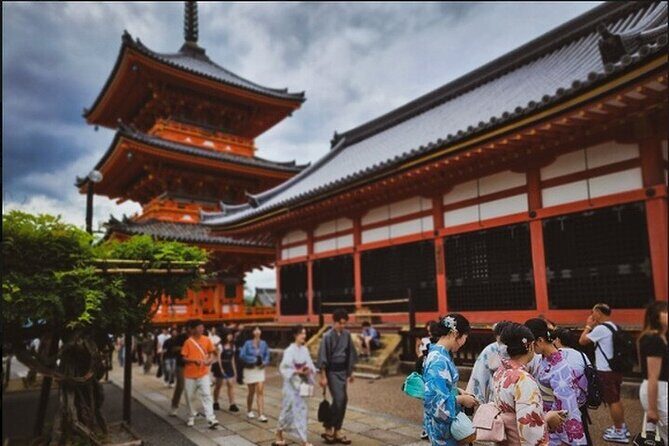
You start with a UNESCO World Heritage temple known for panoramic views of Kyoto and its wooden stage. Kiyomizu-dera has a reason for being famous: the whole site is built around the idea that you can look out over the city and feel the scale of Kyoto from up high.
Your time here is about 45 minutes. That’s enough for you to take in the view, walk the key areas, and still keep momentum for the next stop, rather than getting stuck in the crowds for half your day.
Possible drawback: if you’re visiting when Kyoto is crowded, you’ll want to keep your expectations realistic for how much calm you’ll feel during the busiest time windows.
Stop 2: Gion’s atmospheric streets in a 45-minute stroll
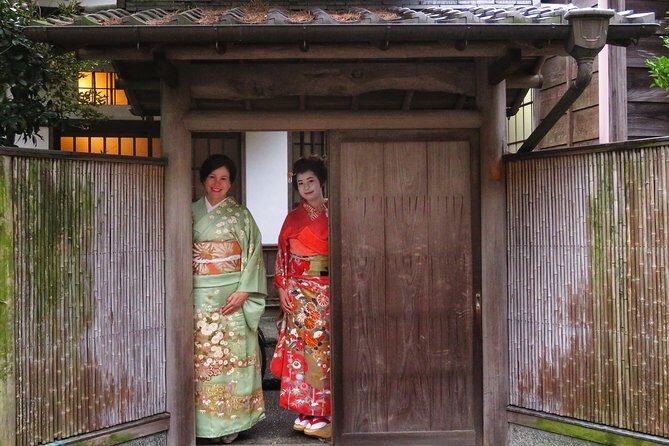
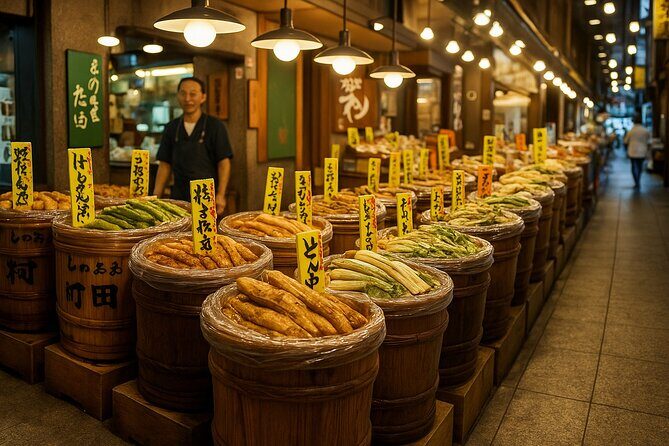
Next you head into Kyoto’s geisha district, known for historic machiya (traditional wooden townhouses) and classic old-street charm. This is the area where Kyoto’s past shows up in the form of streets, teahouse facades, and that slow, careful walking pace you can feel even when you’re just passing through.
You get 45 minutes here. That timing works well because you can do a proper walk-through, pause for photos, and then move on before you start to feel like you’re just waiting around for a perfect photo moment.
For me, the sweet spot in Gion is simple: don’t over-plan where you’ll stand. Let the street views guide you, and give yourself permission to wander one or two side lanes you wouldn’t notice on a strict checklist.


Stop 3: Kyoto Gyoen for garden calm and royal atmosphere
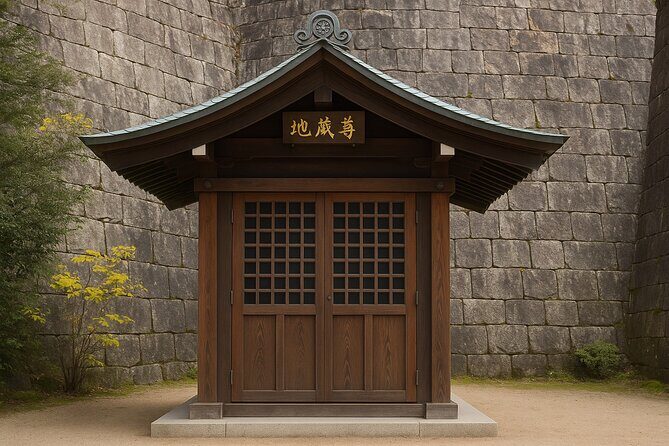
Then it’s a quieter turn to Kyoto Gyoen, a historic residence area connected with Japan’s imperial family. You’re looking at traditional architecture and gardens that feel like a breather after the street energy of Gion.
You have about 45 minutes. That’s enough time to slow down, appreciate the seasonal feel (even if you don’t chase every detail), and feel the contrast between old-town Kyoto and a more protected, contemplative space.
This stop is a good reset point. If you’ve been on your feet since Osaka, you’ll likely feel grateful for the pacing shift.
Stop 4: Ryoan-ji and the rock garden that forces quiet thinking

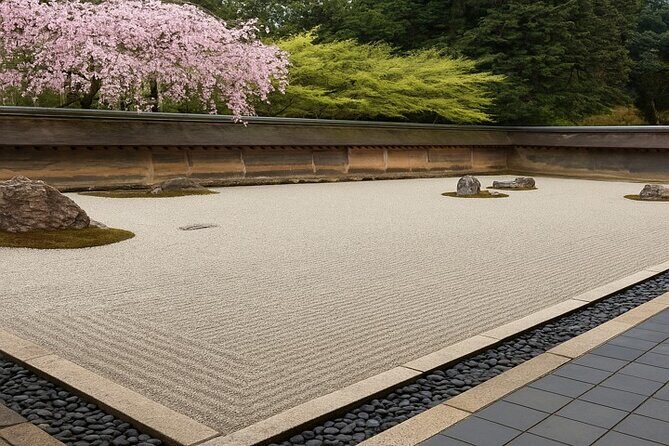
One of the best-loved Zen temples in Kyoto is Ryoan-ji, and you’ll experience it through the lens of what it’s known for: a UNESCO-listed minimalist rock garden. The famous idea here is simplicity, but it also invites you to notice how your eye keeps finding new angles.
Your time is 45 minutes. That’s a workable amount—long enough for you to sit, look, and think, but not so long that it drains your attention.
What to do with your time here: sit first, then look again from a different spot. Even if you don’t have a Zen background, your observation naturally becomes the activity.
Stop 5: Kinkaku-ji, gold leaf reflections, and classic Kyoto photography
After Ryoan-ji, you move to a UNESCO Zen temple famous for being covered in gold leaf, with reflections in the surrounding pond. This is the moment where Kyoto shifts from quiet contemplation to pure visual impact.
Your visit is about 45 minutes. You’ll get time for the key viewing areas and the pond reflection shots people come for, without having to race through every corner.
A practical tip: if you care about photos, arrive mentally ready to shoot quickly and then step back. The best photos often happen in short bursts, while the calmer feeling comes after you stop trying to capture everything.
Stop 6: Zen temple collection with gardens and tea culture time
Next is a serene collection of Zen temples associated with gardens, tea culture, and traditional architecture. The specific focus here is peace: you’re not here for spectacle, you’re here for atmosphere and the slow turning of time inside temple grounds.
You’ll have around 40 minutes. That’s enough to get oriented, see the garden features that define the space, and take in the tea-culture vibe the route is aiming for.
If you like when a tour includes at least one stop where you can just breathe, this is it. It’s also a helpful bridge between the big-name icons and the next shrine area.
Stop 7: Fushimi Inari’s torii gates and the walk you’ll remember
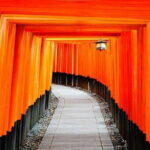
Then comes one of Kyoto’s most photographed sites: Fushimi Inari Taisha with thousands of vibrant red torii gates winding up a mountainside. This is the stop that turns into a walking experience, not just a photo stop.
You’ll spend about 1 hour here. That timing is just right for you to walk a meaningful stretch, take photos, and still have enough energy for the final stop.
One thing to consider: this is a shrine area with a lot of stairs and walking paths. If you have mobility limits, plan your route with care and don’t feel pressure to go as far as other people.
Stop 8: Honmachi Zen temple time and the Tsutenkyo Bridge
Your finale is a historic Zen temple in the Honmachi area, with gardens and the iconic Tsutenkyo Bridge as a standout feature. The vibe here is calmer and more reflective, which works well at the end of a long day.
You have 45 minutes. That’s enough time to appreciate seasonal colors (especially when the weather and light cooperate) and to enjoy the bridge as a visual anchor before heading back.
If you want your Kyoto day to end with a sense of quiet rather than more crowds, this final stop is a strong choice.
Why this route works: the East, West, North, South trick
Even though you’re seeing several big-name Kyoto sights, the way the day is structured helps you feel like you’re experiencing different “Kyoto personalities.” You get:
- a viewpoint-first start,
- an old-street cultural area,
- an imperial-garden reset,
- Zen temples with very different moods,
- and a shrine walk that’s pure movement.
That mix is why the tour feels like a full highlight sampler instead of a single-theme cram session. You’re also protected from the common DIY problem: trying to connect distant areas with transfers that eat your time.
Who should book this private Kyoto highlights route
This tour fits you best if you want:
- a private, calm day instead of a crowded bus experience,
- major Kyoto sights in a single run,
- and a guide who can shape the day to your comfort level.
It also makes sense for solo travelers who want a friendly structure. The tone described in the feedback I was given is consistent: a welcoming guide who helps you feel comfortable, with conversation that happens naturally instead of feeling forced.
It’s also a decent option for couples who want a romantic, relaxing flow. The written feedback includes notes about a peaceful evening feel and being well taken care of from the beginning.
A note on downtime and mood
One interesting detail in the wider feedback connected to the same provider is that they also offer a quiet, private cinema-style setting, described as calm and comfortable. That doesn’t mean this Kyoto tour includes that cinema stop, but it does hint at the provider’s comfort with low-noise, relaxing experiences. If you like a calm rhythm during travel, that matters.
Quick practical checklist for a smooth day
To make the most of an 8 to 14 hour day with multiple temple grounds, you’ll feel better if you show up ready for movement. Wear comfortable shoes, and carry water and a small snack even though lunch isn’t included.
Also, expect weather sensitivity. The experience requires good weather, and if it’s canceled due to poor weather, you’ll be offered a different date or a full refund.
Should you book this tour?
If you want a private Kyoto highlights day that hits Kiyomizu-dera, Gion, Zen temples, and Fushimi Inari in one organized flow, this is a strong pick. The value logic works especially well for two people sharing the group price, since private transport and parking are included while admission costs for the listed stops are noted as free.
Skip or rethink it if you hate long days, or if you absolutely need lunch included as part of your package. This tour is built around a temple-and-shrine rhythm, so planning for meals and keeping your expectations flexible is key.
FAQ
FAQ
Where does the tour start?
The tour starts at Namba Station (1 Chome-9 Namba, Chuo Ward, Osaka, 542-0076, Japan).
Is pickup offered?
Yes, pickup is offered.
What is the group size?
This is a private tour/activity with only your group participating, priced for up to 2 people.
How long is the tour?
The duration is 8 to 14 hours (approx.).
Are admission tickets included?
Admission tickets are free for the listed stops. However, landing and facility fees are not included.
Is lunch included?
No, lunch is not included.
Do I need good weather?
Yes. The experience requires good weather. If it’s canceled due to poor weather, you’ll be offered a different date or a full refund.
Does the tour use a mobile ticket?
Yes, the tour includes a mobile ticket.
Will I be taken back to the starting point?
Yes. The activity ends back at the meeting point.
What is the cancellation policy?
This experience is non-refundable and cannot be changed for any reason. If you cancel or request an amendment, the amount you paid is not refunded. If the minimum number of travelers isn’t met, you’ll be offered a different experience/date or a full refund.
How is transportation handled?
The tour includes private transportation, plus fuel surcharge and parking fees.