REVIEW · NAMBA
Osaka 6hr Private Walking Tour with Government Licensed Guide
Book on Viator →Operated by Japan Guide Agency · Bookable on Viator
Six hours, Osaka’s highlights, on foot. This private government-licensed guide tour lets you customize 3–4 stops from Osaka’s top districts, with real context as you move between neon streets, old shrines, and big landmarks. The one catch: it’s a walk-heavy day, and several major sights have entry fees that are not included.
What I like most is how easily the day can fit your interests. You also get hotel pickup offered in the Osaka area, and the meetup itself is on foot, which helps you get your bearings fast without a maze of directions.
Osaka is food-and-faith in the same afternoon, and this route mixes street snacks with quieter places like Sumiyoshi Taisha and Shitennoji. Just plan for comfort: comfortable shoes matter, and you’ll likely want to set your preferred pace with your guide at the start.
In This Review
- Key things to look for
- Private, Government-Licensed Guide: What You’re Really Buying
- The 3–4 Stop Structure That Keeps the Day From Feeling Like a Sprint
- Dotombori and Shinsaibashi-suji: The Osaka You Picture, With Context
- Dotonbori (about 1 hour)
- Shinsaibashi-suji (about 30 minutes)
- Sennichimae Doguyasuji: The Kitchenware Arcade That Explains Osaka’s Food Love
- Kuromon Market: Seafood Theater, Season by Season
- Sumiyoshi Taisha and Shitennoji: Two Ancient Anchors in Osaka
- Sumiyoshi Taisha (about 30 minutes)
- Shitennoji (about 30 minutes)
- Umeda Sky Building and Osaka Castle: Viewpoints Plus the Big Stage of History
- Umeda Sky Building (about 30 minutes, entry not included)
- Osaka Castle (about 1 hour, entry not included)
- The Nakanoshima Art Museum Stop: A Break From the Heat and the Noise
- Shinsekai, Tsutenkaku, and the Billiken: Osaka’s Playful Side
- Keitakuen Garden: A Small Calm Moment in Tennoji Park
- Practical Footwork and Budget Tips for a 6-Hour Osaka Walk
- Shoes and pace
- Entrance fees and meals
- Pick-up on foot means less stress
- Private just for your group
- Should You Book This Osaka Private Walking Tour?
- FAQ
- How long is the Osaka private walking tour?
- Is this tour fully private?
- Does the price include entrance fees and lunch?
- Are multiple sites included in the 6-hour schedule?
- Do you offer pickup from hotels?
- What sights are part of the selectable options?
- Is there a mobile ticket?
- Are service animals allowed?
Key things to look for
- Government-licensed English guide who adds context as you walk
- Pick 3–4 stops from a menu of food streets, markets, shrines, and landmarks
- Hotel pickup on foot within the Osaka area to reduce hassle
- Admission fees not included for several big attractions, so budget ahead
- Private just for your group with no combining with other tour groups
- Street food and market time built into the itinerary options
Private, Government-Licensed Guide: What You’re Really Buying
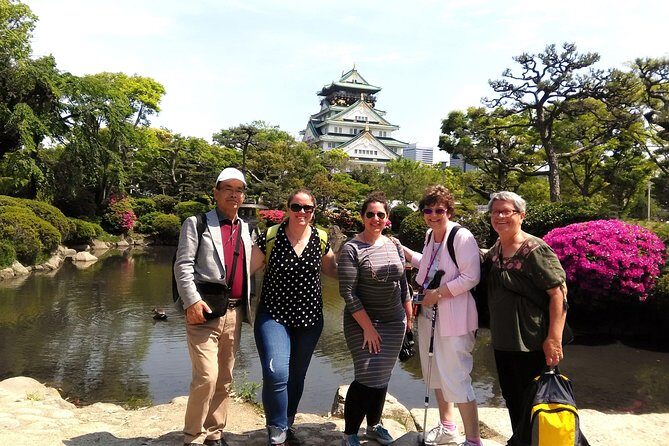
This tour is priced at $155.26 per person, and that number makes sense only if you value a person who can steer you through Osaka. You’re not paying just for sightseeing stops—you’re paying for an English-speaking guide who can explain what you’re seeing, then help you choose the best route for your group’s interests.
One big win is the guide’s licensing and language support. The tour lists a licensed local English-speaking guide, and the guides I see referenced in previous tours (names like Yama, Sachiko, Yuki, and Shogo) are consistently praised for clear explanations and for bringing the sites to life with small details you’d miss alone—like what matters in the rituals at older Shinto spaces, or how Osaka’s temple-and-town life ties into everyday culture.
Value-wise, this can be cheaper than you think if you’d otherwise:
- hire a guide for just one landmark day,
- spend time figuring out subway transfers between far-apart neighborhoods,
- or pay separate tickets for a guided experience that only covers one section of the city.
You can also read our reviews of more walking tours in Namba

The 3–4 Stop Structure That Keeps the Day From Feeling Like a Sprint
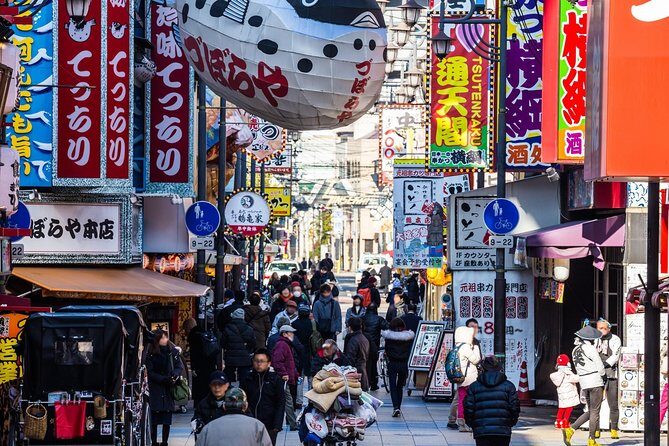
The “6 hours” tag is real. This is built as a walking day, and the itinerary model is simple: within your time window, you choose 3–4 sites from the list. The tour also offers customizable itinerary planning, so you’re not locked into one theme.
From the options, you can shape the day like this:
- Food + shopping focus: Dotonbori, Doguyasuji (kitchenware arcades), Shinsaibashi-suji, Kuromon Market.
- Culture + classics: Sumiyoshi Taisha, Shitennoji, Osaka Castle, plus one optional district (like Shinsekai).
- A mix of old and modern: temples plus a viewpoint stop like Umeda Sky Building or the art museum on Nakanoshima.
One consideration: a private tour doesn’t automatically mean slow. One earlier experience notes the guide moved quickly and waited less than expected. So if you’re traveling with kids, older legs, or anyone who needs frequent breaks, tell the guide your pace preference before you start. You’ll get a better day from the beginning.
Dotombori and Shinsaibashi-suji: The Osaka You Picture, With Context
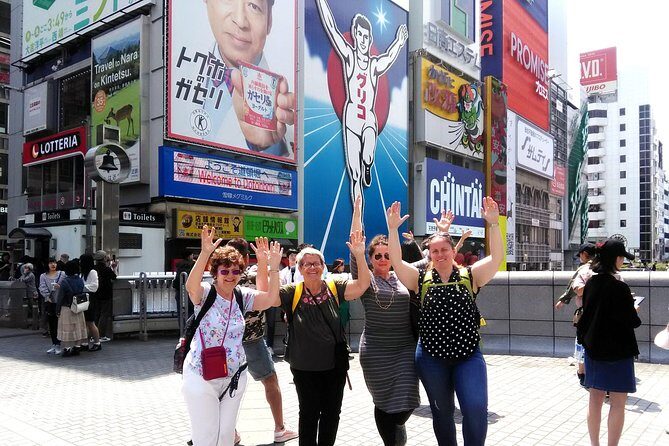
Most first-timers come to Osaka for these two areas, and this tour builds them into a logical loop.
Dotonbori (about 1 hour)
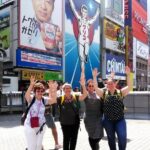
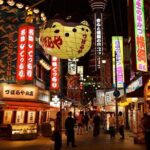
You’ll walk Dotonbori street with its huge billboards, dense restaurant life, and food stalls. The guide isn’t there just to point at lights; they’re there to explain what you’re seeing and what local food choices mean. Dotonbori is where street staples like takoyaki and okonomiyaki live in full force, so you can taste your way through Osaka’s casual food culture without guessing.
What to do in your time here:
- Keep it flexible. If you want to eat, ask your guide where to try first so you don’t lose half your hour waiting in line.
- Use the walk to reset. Dotonbori can feel loud and crowded. Let your guide explain what’s worth your attention so your feet aren’t just following crowds.
Shinsaibashi-suji (about 30 minutes)
Then you shift into Shinsaibashi-suji Shopping Street, described as a long arcade with cosmetics, clothing, and restaurants. It’s a great contrast after Dotonbori: still energetic, but more structured as a shopping artery.
Practical tip: if you’re hunting a specific souvenir, use this stop to ask the guide for directions early. This is the part of Osaka where knowing what you want saves time.
You can also read our reviews of more guided tours in Namba

Sennichimae Doguyasuji: The Kitchenware Arcade That Explains Osaka’s Food Love
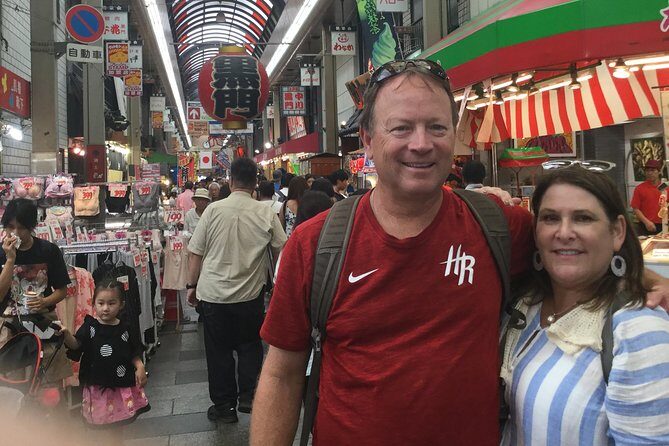
This short stop is a smart add-on if you like food culture beyond eating. The Sennichimae Doguyasuji shopping street is described as about 150 meters long, packed with specialty stores for cooking utensils and kitchen items.
You’ll often see appliances, tableware, and accessories that feel like overkill until you realize what Osaka is doing here: treating food as craft and daily life, not just a weekend treat. Even if you don’t buy anything, this is one of the more interesting ways to understand how people prepare meals.
Drawback to consider: if your group only wants big landmarks and doesn’t care about shopping arcades, this stop can feel short and “niche.” It’s best for foodies and gadget-minded souvenir hunters.
Kuromon Market: Seafood Theater, Season by Season
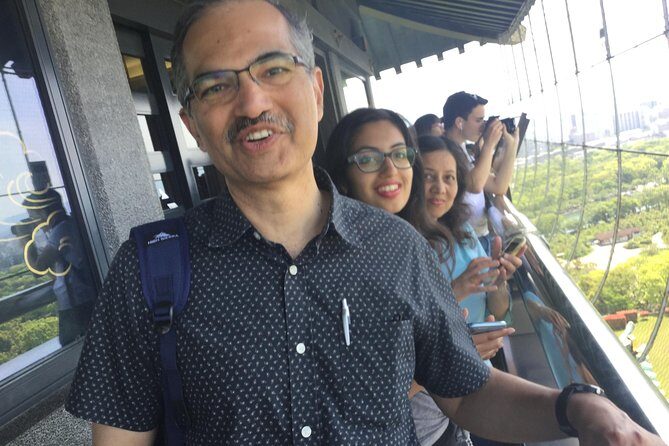
The tour includes Kuromon Market for about 30 minutes, and this is where the Osaka theme turns very practical: what locals buy, what’s fresh, and what the season changes.
The information you get here includes that some seafood highlights shift:
- conger pike in summer
- fugu in winter
You’ll also see that many seafood shops specialize in items like fugu and hamo. That’s useful because it explains why signage and displays change across trips.
How to enjoy this stop without wasting time:
- Decide whether you want to snack or just browse.
- If you’re considering trying something special, ask your guide how to choose and what to watch for on the spot.
If you’re not into seafood, you’re not stuck—this is still a lively market walk with a lot of everyday energy—but your personal enjoyment will depend on how much you want market browsing versus a temple or castle moment next.
Sumiyoshi Taisha and Shitennoji: Two Ancient Anchors in Osaka
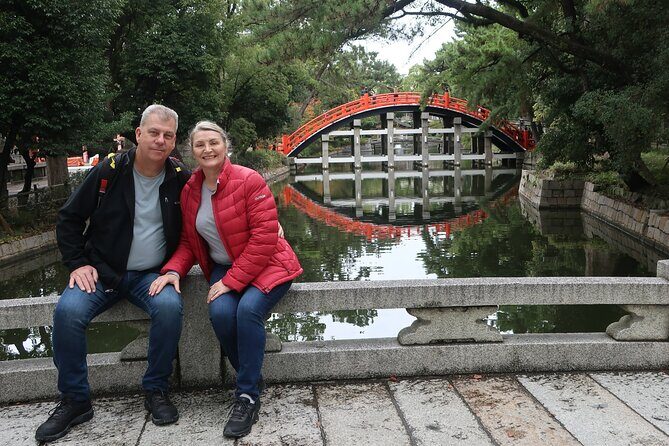
If you want Osaka beyond streets and shopping, these stops are your payoff. Both are on the list, each around 30 minutes, and both connect to early Japanese religious history.
Sumiyoshi Taisha (about 30 minutes)
Sumiyoshi Taisha is described as one of Osaka’s oldest shrines, founded in the 3rd century before Buddhism was introduced. That time depth matters: it helps you see the shrine not as a photo backdrop, but as part of an older religious thread in Japan.
One practical thing your guide can do here: explain how to observe without turning the space into a costume set. If you’re interested in cultural etiquette, this is the type of stop where your guide’s context really helps.
Shitennoji (about 30 minutes)
Then you go to Shitennoji, described as one of Japan’s oldest temples and the first built by the state. It was founded in 593 by Prince Shotoku, who supported the introduction of Buddhism.
This is a great pairing with Sumiyoshi because you get both Shinto and Buddhist eras in one walking sequence. It’s also where you’ll feel why Osaka is such a “real city” and not just a catalog of attractions.
Important: the tour data lists Shitennoji’s entry as not included, so plan for that if it’s in your selected stops.
Umeda Sky Building and Osaka Castle: Viewpoints Plus the Big Stage of History
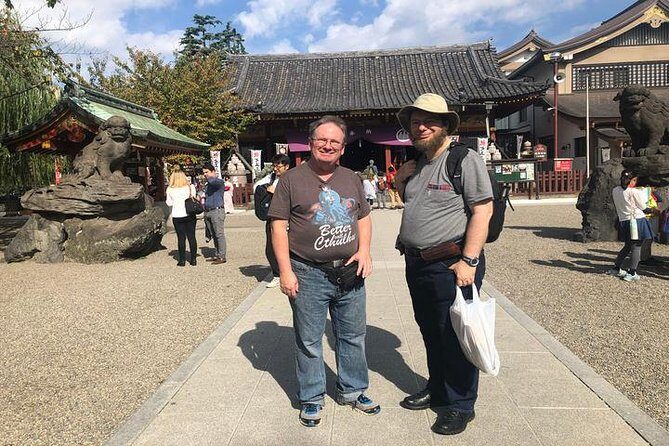
These are classic “send me to the famous place” stops, and the tour offers two ways to do that: a modern skyline view or Osaka’s most recognizable castle presence.
Umeda Sky Building (about 30 minutes, entry not included)
The Umeda Sky Building is described as a high-rise in the Kita district near Osaka and Umeda stations, known as the New Umeda City. It’s listed at 173 meters tall.
If you choose this, you’re trading time from shopping or markets for a quick modern perspective. It’s a good pick if your group wants one “big photo” experience with less walking than a longer district stroll.
Osaka Castle (about 1 hour, entry not included)
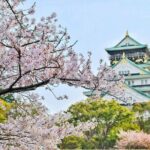
Osaka Castle is one of the tour’s star stops. The info emphasizes it as a five-story castle with history dating back almost 450 years.
One added detail you may hear from guides: the point that the castle’s main tower remained standing through World War II is something some guides highlight as part of the story. It’s a memorable detail because it connects the building you see today to what survived the 20th century.
This stop is worth it if:
- you want one anchor landmark that feels like Osaka’s signature,
- your group can handle a little more walking around castle grounds,
- and you’re okay paying entry since it’s not included.
The Nakanoshima Art Museum Stop: A Break From the Heat and the Noise
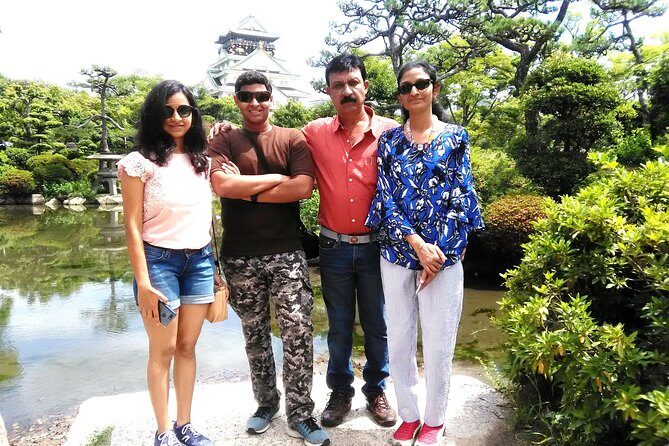
The tour includes the National Museum of Art, Osaka, often called NMAO, for about 30 minutes. It’s described as an underground museum on Nakanoshima.
If your group needs a pace reset—especially if you’re traveling during warmer months—this is the kind of stop that can make the rest of the day feel more manageable. Since it’s listed with entry not included, you’ll want to decide whether it’s a “must” for your group or a quick cultural pause.
Shinsekai, Tsutenkaku, and the Billiken: Osaka’s Playful Side
This is the stop that turns the dial back toward food and street character. Shinsekai is described as the New World, centered around Tsutenkaku (often compared to an Osaka Eiffel tower), plus the Billiken, described as the god of wealth and money.
The area is also associated with:
- kushikatsu (fried skewers),
- and street-level arcade energy.
The tour lists Shinsekai for about 25 minutes, with admission free. That’s a good time window for photos and a quick taste of Osaka’s “old fun” vibe without committing your whole day to restaurants.
If you’re food-focused, ask your guide how to time this stop with your other snacks earlier. Osaka food days can turn into nonstop eating if you don’t plan it.
Keitakuen Garden: A Small Calm Moment in Tennoji Park
The itinerary option includes Keitaku-en Garden (inside Tennoji Park) for about 5 minutes, with entry not included.
Even though it’s short, this can serve as a mental breather between busier neighborhoods. Gardens also help you cool down while you still feel like you’re doing something cultural.
If your group wants maximum time in shopping or market areas, you can skip it. If you want a little quiet in the middle, it’s an easy add.
Practical Footwork and Budget Tips for a 6-Hour Osaka Walk
Here’s the real-world stuff that makes or breaks a day like this.
Shoes and pace
This is a walking tour, and the meetup is on foot. If you select castle grounds or multiple shopping districts, plan for long stretches. Tell your guide your pace upfront so they can adjust, especially if you’re traveling with teens or grandparents.
Entrance fees and meals
Transportation fees and entrance fees are listed as not included. Lunch is also not included. That means you should build a simple budget:
- ticketed sights (like Osaka Castle, Umeda Sky Building, Shitennoji if selected),
- and one planned meal or snack stop.
Pick-up on foot means less stress
The tour offers pickup from your hotel in the Osaka area, and your meetup is handled within a designated area on foot. That’s useful if you don’t want to spend your limited time locating the right train platform or street corner.
Private just for your group
It’s private, meaning only your group participates. Also, you can’t combine multiple tour groups, so you won’t get mixed with strangers. That’s a big advantage if you want your guide to focus on what your group cares about.
Should You Book This Osaka Private Walking Tour?
Book it if you:
- want a personalized 6-hour plan instead of a one-size-fits-all bus tour,
- care about both Osaka street life and older religious sites,
- and you’re okay paying some extra entry fees for the big landmarks you choose.
Skip it (or at least rethink your site selection) if:
- your group strongly prefers a slow, seated pace,
- you’re not interested in markets and shopping arcades,
- or you want everything to be fully included with zero additional payments.
If you do book, the smartest move is to plan your 3–4 stops around your energy. Pair one “big ticket” sight (like Osaka Castle) with two easier, walk-friendly neighborhoods (like Dotonbori and Kuromon). That keeps your day from turning into a sprint, and you’ll enjoy Osaka’s contrast: neon food streets and ancient places that still feel meaningful.
FAQ
How long is the Osaka private walking tour?
It’s listed as about 6 hours.
Is this tour fully private?
Yes. The tour is private, and only your group participates. It also states you cannot combine multiple tour groups.
Does the price include entrance fees and lunch?
No. The tour data says transportation fees, entrance fees, lunch, and other personal expenses are not included.
Are multiple sites included in the 6-hour schedule?
You customize the itinerary to your group’s interests, choosing 3–4 sites from the tour’s available list.
Do you offer pickup from hotels?
Pickup is offered within the Osaka area, and pickup is described as a part of the experience. The tour also notes that the pickup is on foot and the meetup is on foot within a designated area.
What sights are part of the selectable options?
The available list includes Dotombori District, Sennichimae Doguyasuji Shopping Street, Shinsaibashi-suji Shopping Street, Kuromon Market, Sumiyoshi Taisha Shrine, Shitennoji, Umeda Sky Building, Osaka Castle, the National Museum of Art, Osaka, Shinsekai, and Keitaku-en Garden.
Is there a mobile ticket?
Yes. The tour summary states it includes a mobile ticket.
Are service animals allowed?
Yes. Service animals are allowed.