REVIEW · NAMBA
Osaka 4hr Private Tour with Government-Licensed Guide
Book on Viator →Operated by Japan Guide Agency · Bookable on Viator
Osaka compresses fast—if you let a guide steer. This private walking tour mixes neon street life with big landmarks, and your licensed guide meets you on foot near your start point. I especially liked how guides like Yuri bring Osaka Castle history to life with clear, practical context.
My second favorite part is the customizable format. You choose 2–3 stops from the Osaka highlights list, so you’re not stuck on a rigid route; guides such as Sachiko and Yuma have a reputation for tailoring the flow to what you care about.
The main catch: it’s still a lot of walking, and some major sights (like Osaka Castle or the Umeda Sky Building) have entrance fees and aren’t included. Wear comfy shoes and be ready for stairs and crowded sidewalks.
In This Review
- Key Highlights Worth Your Time
- How the 4-Hour Osaka Private Walk Works
- Dotonbori and Shinsaibashi: Osaka’s Neon Food Streets and Shopping Arcades
- Kuromon Market and Doguyasuji: Where Osaka Eats and Shops
- Shrines and Temples Without the Guesswork: Sumiyoshi Taisha and Shitennoji
- Osaka Castle and the Umeda Skyline: Landmarks That Change the Scale
- The National Museum of Art and Keitaku-en Garden: A Break from the Street Energy
- Shinsekai: The New World, Tsutenkaku, and Osaka’s Snack Culture
- Guide Match Matters: Why People Rate This Tour So High
- What You’ll Pay For (and What Your $109.43 Covers)
- Who Should Book This Half-Day Osaka Plan
- Should You Book This Osaka Private Walking Tour?
- FAQ
- How long is the Osaka private tour?
- What does the tour cost per person?
- Is this tour private?
- Can I choose which Osaka sights we visit?
- Are entrance fees included?
- Will I be picked up at my hotel?
- Is this tour good for active travelers?
Key Highlights Worth Your Time
- Government-licensed English guide: You get local context, not just a checklist
- Choose 2–3 sites: Build a half-day that fits your interests
- Street food and shopping arcs: Dotonbori, Shinsaibashi, and specialty markets in one sweep
- Historic + modern contrast: Shrines and temples paired with skyline views and big-city bustle
- Value for first-timers: A tight timeline that still leaves room for questions and photos
- Guide quality can vary: Tell your guide your pace and needs early to avoid getting rushed
How the 4-Hour Osaka Private Walk Works
This is a 4-hour, private walking experience built for active sightseeing. You and your guide set off from a designated area, with pickup offered, and then you move on foot from stop to stop. It’s designed so you can see a lot without spending your whole day figuring out train transfers.
What makes the format work is the balance between structure and flexibility. The itinerary includes a list of popular Osaka sights, but you pick 2–3 of them. That means you can lean toward food and shopping streets (Dotonbori, Kuromon, Shinsaibashi) or toward landmarks and classic culture (Osaka Castle, Sumiyoshi Taisha, Shitennoji).
This is also a good fit if you want explanations in plain English. Many guides use real examples and direct guidance; one guide style you’ll often notice is how they translate history into what you’re looking at right now. If you’re interested in photos, some guides will help with photo spots and even share digital photos afterward, but that’s guide-dependent.
You can also read our reviews of more guided tours in Namba

Dotonbori and Shinsaibashi: Osaka’s Neon Food Streets and Shopping Arcades
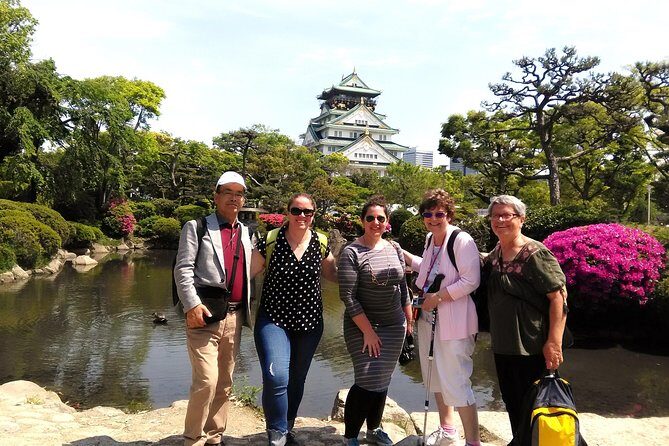
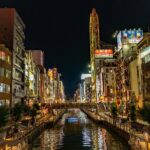
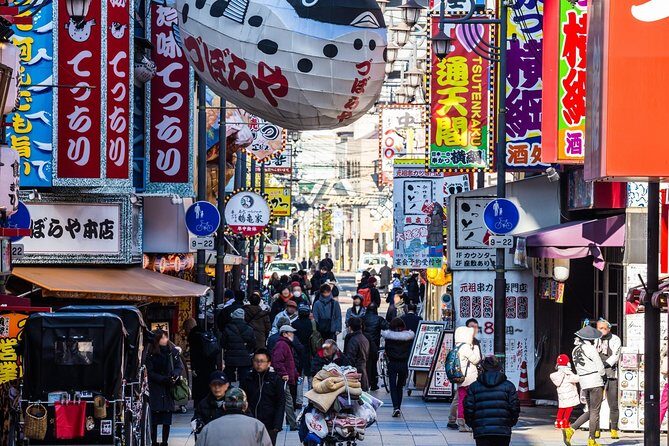
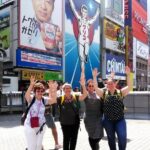
If Osaka had a front porch, it would be Dotonbori. Your walk through Dotonbori street centers on huge billboards, packed restaurant fronts, and classic street-food energy. This is where you’ll run into the Osaka icons: takoyaki and okonomiyaki. Even if you don’t plan to eat every stop, it’s worth coming just to feel how the city cooks, serves, and sells.
Then the route can shift toward Shinsaibashi-suji, a long shopping arcade (about 600 meters) known for cosmetics, apparel, and restaurants. It’s a great place to slow down. You can pop in for a snack, check a few stores, and still feel like you’re making progress through the city rather than wandering in circles.
Practical tip: shopping streets can get crowded, especially near popular photo corners and food counters. If you have a mobility limit or you’re traveling with a knee that doesn’t like stairs, tell your guide early. A good guide will adjust the walking mix inside the 4-hour window.
Kuromon Market and Doguyasuji: Where Osaka Eats and Shops
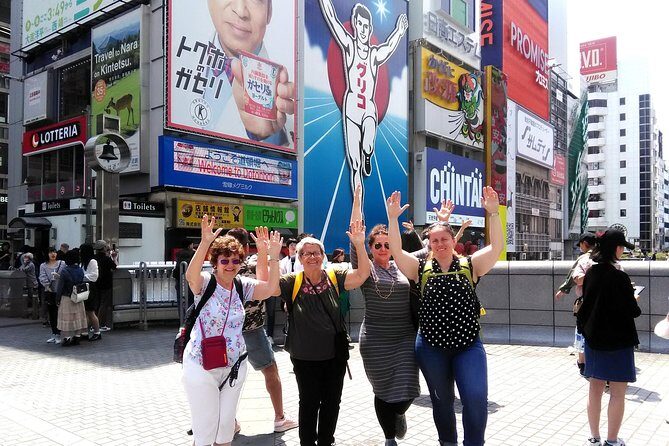
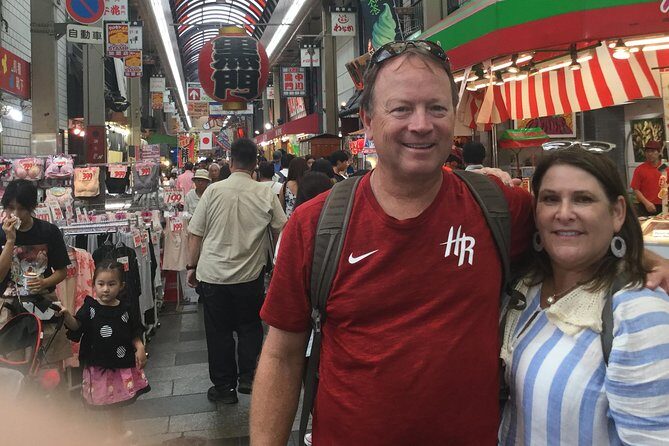
Kuromon Market is the kind of place you’ll want to approach with curiosity, not a strict plan. It’s roofed and lively, and it’s famous for seafood. The fish focus changes by season: conger pike in summer and fugu in winter, with many shops specializing in fugu and also hamo.
If you’re into food watching, Kuromon is a show. You’ll see how people move, how stalls display products, and how quickly the market turns ideas into snacks. If you do eat, keep it simple: grab one item and save your appetite for the next street-food moment elsewhere in the city.
For shopping, the route may include Sennichimae Doguyasuji, a short but focused (about 150 meters) arcade packed with cooking utensils and kitchen supplies. This is one of those streets that feels useful immediately. Even if you’re not buying, it helps you “get” Osaka’s everyday culture around food—tools, ingredients, and the shopkeepers’ no-nonsense product knowledge.
If your guide recommends a specific local food or a quick bite strategy, it’s usually worth trusting. Some guides also pick food choices that match what you’ve already tried that day, so you don’t end up with the same flavor twice.
Shrines and Temples Without the Guesswork: Sumiyoshi Taisha and Shitennoji
A big reason this tour works for first-time Osaka visits is the inclusion of spiritual sites—so you’re not only seeing neon and shopping signs. Sumiyoshi Taisha is one of Osaka’s oldest shrines, founded in the 3rd century before Buddhism arrived. The architecture style is distinct, and the site feels grounded in time.
Then you may visit Shitennoji, one of Japan’s oldest temples and the first built by the state. It traces back to 593, associated with Prince Shotoku and the early spread of Buddhism in Japan. The guide’s job here is huge: it turns a few buildings and gates into a readable story about why these places matter.
Practical tip: shrines and temples are also where you can slow down. In the middle of all the walking, this is where you can catch your breath, take photos from good angles, and ask what the symbols mean—without the pressure of the next food stop.
Also note the pacing. Some guides keep a tighter schedule to hit major landmarks, while others slow down for questions. If you want a calmer history experience, say so at the start.
Osaka Castle and the Umeda Skyline: Landmarks That Change the Scale
Two of the most famous Osaka stops are Osaka Castle and Umeda Sky Building. They’re different experiences, which is why combining them (when you choose them) can feel like going from one movie to another.
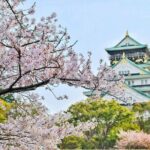
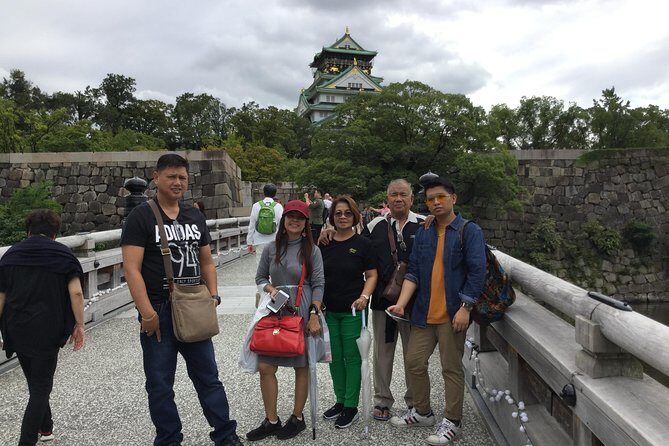
Osaka Castle is a five-story castle with a history reaching back nearly 450 years. Even if you don’t dive into every corner, the building itself is dramatic. It’s also the kind of place where a guide’s explanation makes your photos look smarter: you’ll notice details you’d otherwise miss, and you’ll understand why people keep pointing their cameras in the same direction.
For skyline views, the Umeda Sky Building (173 meters) is a classic Kita district option, often called New Umeda City. If you want a quick vertical perspective on modern Osaka—especially near Umeda Stations—this stop can be a great counterbalance to the older architecture of castle and temple sites.
Important reality check: these are not usually part of the included entrance-fee bundle. The tour price covers the guide and the walking plan, while entrance fees for specific attractions are extra. So if skyline or castle is your priority, check the likely ticket cost before you book.
You can also read our reviews of more private tours in Namba


The National Museum of Art and Keitaku-en Garden: A Break from the Street Energy
Not every stop needs to be loud and crowded. If you choose the National Museum of Art, Osaka, you’ll be heading to an underground museum on Nakanoshima island. It’s a major art stop in the center of the city, and it offers a calmer break between markets, shopping arcades, and big landmark crowds.
If your timing matches, Keitaku-en Garden is another quieter choice. This traditional Japanese garden sits in Tennoji Park and was designed in the early 20th century. You’ll see a central pond, carefully arranged rocks, and the kind of slow, scenic layout that makes you walk slower on purpose.
These picks are especially good if:
- you like culture beyond food and shopping,
- you want at least one “sit and look” stop,
- or you’re visiting in a season where the sun can feel relentless.
Shinsekai: The New World, Tsutenkaku, and Osaka’s Snack Culture
Shinsekai (the New World) is where Osaka leans into its old-school fun. The centerpiece is Tsutenkaku, often called the Osaka Eiffel tower, and it’s easy to understand why people take photos there. The area also has Osaka’s signature snack culture, including kushikatsu (skewered fried bites).
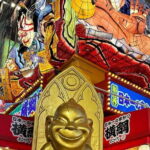
You’ll also hear about Billiken, described as a god of wealth and money. It’s a quirky piece of local pop-culture spirituality, and it’s exactly the kind of detail a guide can point out so you don’t miss it while you’re looking at the tower.
This stop is often a short one in a 4-hour plan, but even a small visit can add personality. If your day needs one memorable “only in Osaka” atmosphere moment, Shinsekai fits the bill.
Guide Match Matters: Why People Rate This Tour So High
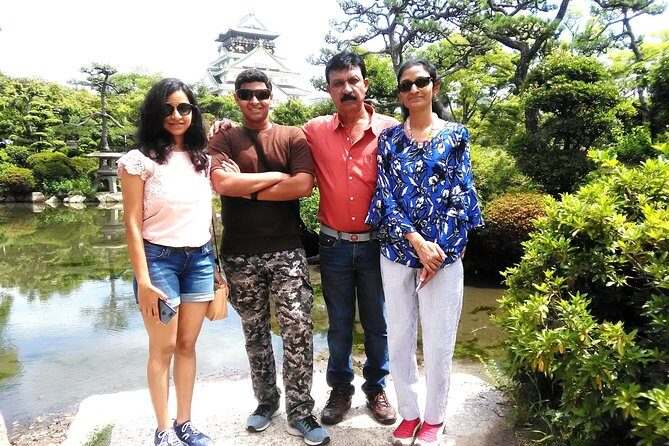
The overall rating is extremely strong, and you can see patterns in why. Guides like Yuri, Sachiko, Yuma, Yuji, and Andy show up repeatedly in positive notes, and the recurring theme is friendly, practical guidance.
Common strengths you’ll likely feel:
- Clear explanations at each stop (not just facts, but why you’re seeing what you’re seeing)
- Pace control that still gets you to the main sights
- Help with navigating the subway and getting you back where you need to go
That said, every guide system has variance. One negative experience shared frustration about pace, communication, and losing time in crowds. The simple fix is to communicate your pace at the start. If you have an injury, a slow-walking need, or just want more time for photos, say it immediately. A good licensed guide can usually adjust within the 4-hour structure.
If you want extra reassurance, pick a stop set that fits your comfort. For example, if you hate tight crowds, choose fewer shopping street hours and include one temple or garden stop for breathing room.
What You’ll Pay For (and What Your $109.43 Covers)
This tour costs $109.43 per person for about 4 hours. That price is for the licensed local English guide and a customizable plan that usually includes 2–3 selected sites. It’s also private, so you’re not sharing your guide with strangers.
What’s usually not included:
- transportation fees between places,
- entrance fees,
- lunch and personal expenses.
Some stops on the route list have admission marked free, while others are explicitly not included. So even if your final selection includes a free shrine street and a shopping arcade, keep a budget buffer for ticketed stops like Osaka Castle, the Umeda Sky Building, and certain museums or gardens.
Value-wise, the tour can be worth it when:
- you’re short on time and want Osaka highlights grouped efficiently,
- you don’t want to decode transit logistics alone,
- and you like getting context for landmarks rather than just snapping photos.
If you’re traveling slow and don’t need help planning or translating, then you might prefer building your own route. But if you want a guide to tighten the day, this format does that job.
Who Should Book This Half-Day Osaka Plan
This is best for people who:
- can handle a walking-heavy morning or afternoon,
- want a first-time Osaka overview with both modern and traditional stops,
- like street scenes and food culture,
- and appreciate having someone translate history into something you can actually see.
It can also work well for pairs and small families who want a controlled itinerary. The key is matching expectations: tell your guide if you want photo time, food time, or slower history time. Private means you should be able to steer.
Should You Book This Osaka Private Walking Tour?
I think you should book it if you want a focused half-day with minimal hassle. The mix of Dotonbori neon streets, Kuromon Market seafood energy, and at least one major landmark or temple gives you a complete Osaka snapshot without spending your whole day in transit.
Skip it (or adjust expectations) if you’re extremely sensitive to walking time, hate stairs, or don’t want entrance fees added on top. Also, if you have specific mobility needs, message your guide plan clearly so your route stays comfortable.
If you’re unsure, use the customization to protect your comfort: pick only the 2–3 sites you truly care about, and leave the rest for a second trip. Osaka rewards repeat visits, and this tour helps you learn where you’ll want to come back.
FAQ
How long is the Osaka private tour?
It’s about 4 hours.
What does the tour cost per person?
The price is $109.43 per person.
Is this tour private?
Yes. It’s private, so only your group participates.
Can I choose which Osaka sights we visit?
Yes. You can customize the tour by selecting 2–3 sites from the available Osaka highlight list.
Are entrance fees included?
Entrance fees are not included. Some stops are listed as free, while others like Shitennoji, Umeda Sky Building, Osaka Castle, and the National Museum of Art have admission fees that you would need to cover separately.
Will I be picked up at my hotel?
Pickup is offered, but the tour is still a walking experience. The guide meets you on foot within a designated Osaka area.
Is this tour good for active travelers?
Yes. It’s a walking tour, and it works best for visitors who are comfortable moving around for several hours.