REVIEW · NAMBA
From Osaka/Kyoto: Kyoto & Nara Day Trip with Optional Lunch
Book on Viator →Operated by VIP Japan Tours · Bookable on Viator
This day trip is built like a greatest-hits album. You’ll hit Arashiyama Bamboo Forest, Nara Park with Todai-ji, and the Fushimi Inari torii gates in one long, efficient route. It’s a great choice when you want big-name Kyoto and Nara sights without wrestling with trains and transfers.
I especially like the way the tour handles the hardest part for first-timers: timing. The route is designed so you can park close, walk when it’s worth it, and still make it to multiple zones in a single day. I also like that the optional Kyoto Wasabi lunch isn’t just a token stop; you can choose from shabu-shabu or a rice bowl to keep energy up.
One thing to plan around: this is a long 9–10 hour day with lots of walking and strict return times to the meeting spot. If it’s hot or you’re slow in crowds, you’ll need comfy shoes and a realistic expectation that you can’t do everything perfectly at each stop.
In This Review
- Quick takes before you go
- A one-day hit list: Arashiyama, Nara, and Fushimi Inari
- How the 9–10 hour schedule really feels
- Arashiyama Bamboo Forest: timing, temples, bridges, and quick choices
- The Kyoto Wasabi lunch option: what you’re paying for
- Nara Park and Todai-ji: deer encounters and the Great Buddha decision
- Fushimi Inari at the end: torii gate strategy and where to spend your energy
- Guide style and group size: why it can make or break the day
- Price and value: $68.03 buys logistics, not just sights
- Comfort, luggage, and the practical rules you must follow
- Who this tour is best for (and who should skip it)
- Should you book this Kyoto and Nara day trip?
- FAQ
- How long is the tour?
- What’s included in the price?
- Is lunch included?
- Do I have to pay for Todai-ji?
- What ticket do I use?
- Are the guides English speaking?
- Where do I start and where will I end?
- How strict are the meeting times?
- Can the itinerary change?
- What’s the cancellation policy?
Quick takes before you go
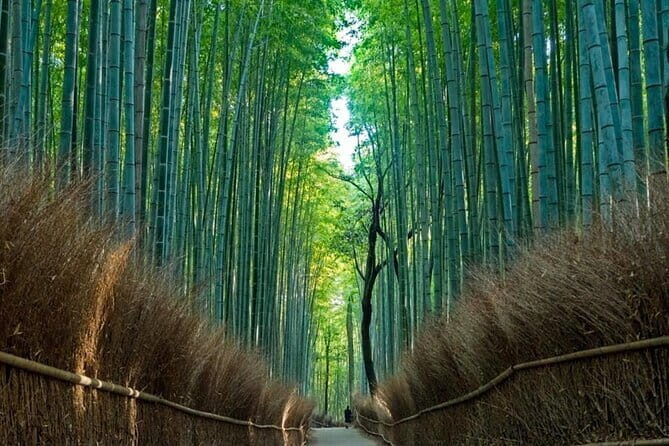
- Bamboo Forest first: you start early in the Arashiyama area, where the light and paths feel calmer than later in the day.
- Todai-ji is optional: the big temple entry isn’t included, so you can decide on the spot whether to pay for the Great Buddha interior.
- Optional lunch with Kobe beef choices: shabu-shabu, sukiyaki, or a rice bowl at Kyoto Wasabi Restaurant.
- Guide-led flow in two languages: English or Chinese commentary, sometimes mixed on the same bus depending on headcount.
- Strict meeting times: the bus won’t wait, and walking time from drop-off to sights can eat into your window.
- Small-enough group: capped at 49 travelers, which is a big reason stops can feel manageable.
A one-day hit list: Arashiyama, Nara, and Fushimi Inari
If you’re short on time, this is a smart way to see Kyoto and Nara’s most photo-famous moments. The heart of the day is a line through three different “moods” of Japan: nature and temples in Arashiyama, deer-and-heritage in Nara, then pure shrine-walking at Fushimi Inari.
The tour is designed around bus practicality. You travel by air-conditioned vehicle, have a guide to point you toward the best paths, and skip the stress of figuring out which station is closest to which attraction. For many people, that alone is the value: you’re paying to reduce friction so the day stays enjoyable.
You do need to accept the tradeoff. Each stop is time-boxed, so your success depends on your pace and your priorities. Want deep exploration at one site? This format won’t be your best match. Want the highlights in one go? Then it fits.
You can also read our reviews of more tours and experiences in Namba.



How the 9–10 hour schedule really feels
On paper it’s 9–10 hours. In real life, it can feel like a full day of effort because the stops are separated by travel time and walking.
At each main area, you’ll typically get about an hour to tour, plus buffer for getting from the bus to the main sights and back. That means you should treat the day like a series of sprints with one lunch break. You’ll still have fun—just don’t plan to sit for a long, slow meal or linger through every side path.
Also note the rhythm: the tour departs regardless of weather and traffic unless the operator notifies you otherwise. If rain hits, you’ll keep moving; if it’s scorching, you’ll feel it. Bring water, a hat, and sunscreen if you’re going in summer.
Arashiyama Bamboo Forest: timing, temples, bridges, and quick choices
Arashiyama is a classic Kyoto pick for a reason: it’s scenic, photogenic, and pleasantly “different” from the city center. The tour starts at the Bamboo Forest area, and that first timing matters. Early in the day tends to mean you can enjoy the tall stalks and shaded paths without the same level of crush.
From there, Arashiyama often includes a mix of nearby sights, and you’ll see a pattern: temple gardens, a famous bridge view, and a few optional side attractions. Depending on the exact flow that day, you may encounter stops or quick access points like:
- Tenryū-ji, a major Zen temple with a forest setting
- Togetsukyō Bridge over the Katsura River
- Nonomiya Shrine near the bamboo area
- Iwatayama Monkey Park on the opposite side of the river
- Ōkōchi Sansō (Denjirō Ōkōchi’s villa and garden)
- Kimono Forest at Randen Arashiyama Station (colorful pillar art)
- Yusai-tei (a dye/kind of hands-on art space)
Here’s the practical advice: don’t try to “check everything.” Choose one anchor thing (usually Bamboo Forest), one optional temple or garden, and one view stop (often the bridge). If you try to do all of the above, you’ll end up racing and spending your time stressed instead of sightseeing.
Crowds can also change the feel quickly. One moment it’s peaceful shade; the next, it’s shoulder-to-shoulder. If that starts to annoy you, shift your focus to the edges—side lanes and temple approaches usually give you breathing room faster than the bamboo core.
The Kyoto Wasabi lunch option: what you’re paying for
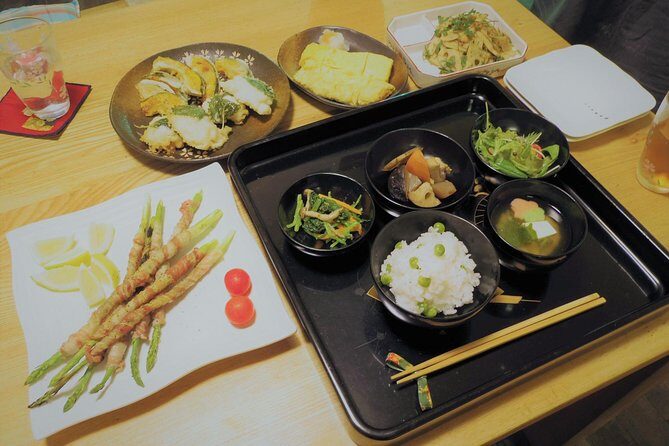
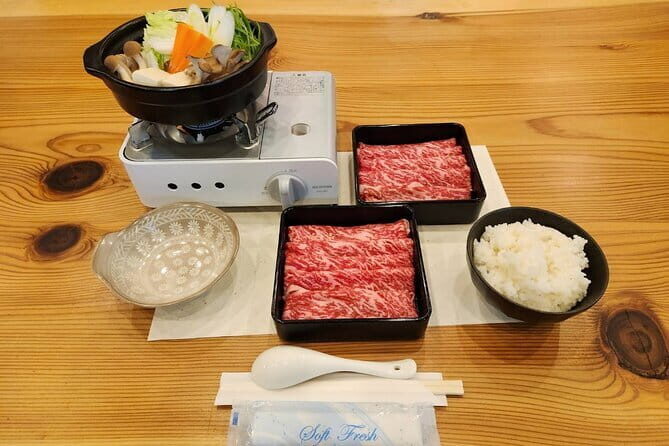
Lunch is optional, but this tour makes it one of the better “optional meals” setups in Kyoto. The meal is at Kyoto Wasabi Restaurant, and the menu choices are clearly listed:
- Kobe Beef Shabu-shabu
- Pork Shabu-shabu
- Kobe Beef Rice Bowl
- Kobe Beef Sukiyaki
Why this is a value play: the tour day is long, and the bamboo and shrine walking can leave you hungry. A sit-down meal with air-conditioning is the kind of reset that keeps the afternoon enjoyable rather than turning it into a heat-and-snack struggle.
Also, this lunch isn’t only about taste. It’s about timing. When the tour includes a scheduled meal, you’re more likely to stay aligned with the day’s movement and not scramble to find food near each stop.
One note: meal quality is personal. Some people love the wagyu shabu-shabu; others don’t care for fattier cuts. If you’re picky about meat texture, the pork shabu-shabu option can be an easier bet.
Nara Park and Todai-ji: deer encounters and the Great Buddha decision
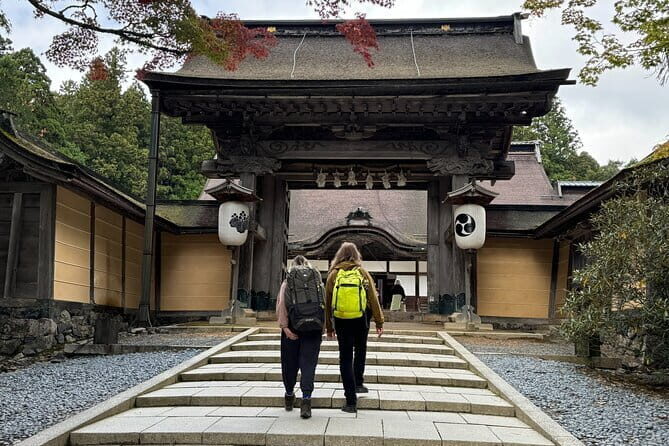
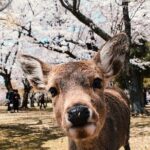
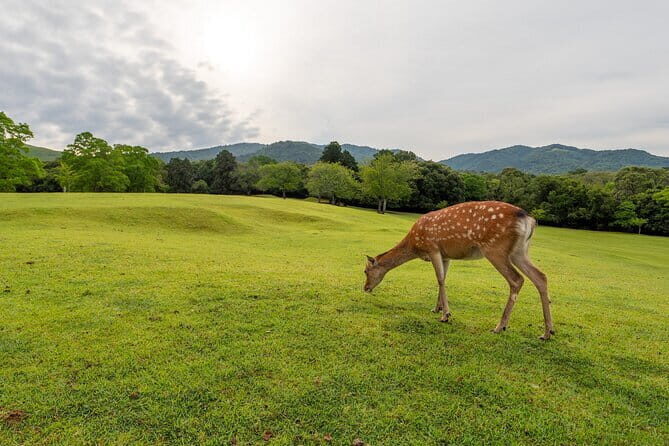
Nara Park is where the day gets playful. Expect deer, open space vibes, and a shift from “city Kyoto” to something older and more expansive.
Todai-ji is the anchor here. It’s a UNESCO World Heritage site and home to the Great Buddha inside the main hall. The important detail for your planning: the entrance fee to Todai-ji is optional. That means your tour time can feel different depending on whether you choose to pay and go in.
If you do go inside, you’ll get that classic “Japan is big and old” feeling—this hall is known for being the largest wooden structure and for housing the Great Buddha. It’s one of those sights where photos don’t fully explain the scale.
If you skip the paid entrance, you still get a lot from Nara: park walks, shrines nearby (like Tamukeyama Hachiman Shrine), and garden areas such as the Manyo Botanical Garden next to Kasuga Shrine. That can be a good choice if you want a lighter pace or you’re managing time after the deer crowd.
Deer management is the other practical thing. You’ll likely be encouraged to feed them, and it can be fun—just keep your snacks secure and don’t assume every deer is polite. In peak times, they can come fast.
A few more Namba tours and experiences worth a look

Fushimi Inari at the end: torii gate strategy and where to spend your energy
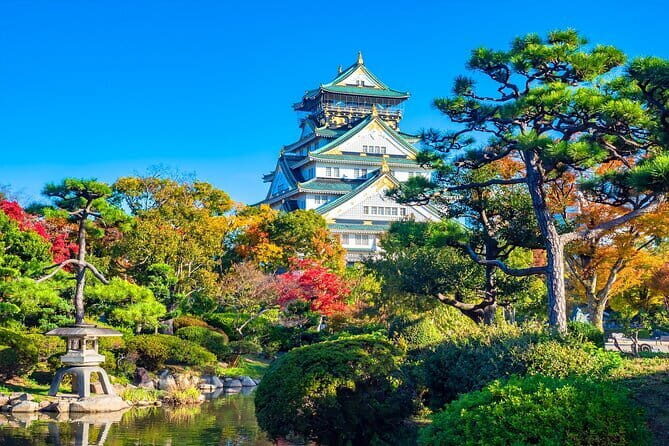
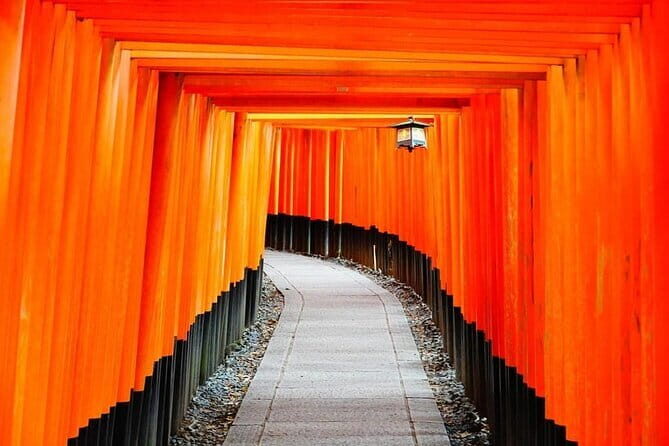
Fushimi Inari is the big finish: thousands of vermilion torii gates climbing toward Mount Inari. It’s one of Japan’s most recognizable shrine sights, and ending here gives you a strong visual payoff.
You get about an hour to an hour-ish to experience the shrine area. That’s enough time for the main approaches and a good “gate tunnel” walk, but it’s not enough for a long hike up to the top if you move slowly.
So I’d plan your approach like this:
- Spend your first chunk of time walking through the most iconic torii stretches.
- If you want views from higher up, go a bit farther than halfway, then turn back before your return time creeps up.
- If you’re tired from heat or walking, stay lower and focus on atmosphere and gate repetition rather than elevation.
Crowds can stack here too, especially later in the day when buses drop guests at the same time. The guide can help you navigate when it’s tight, and that can make the walk feel more fluid than you’d expect.
Guide style and group size: why it can make or break the day
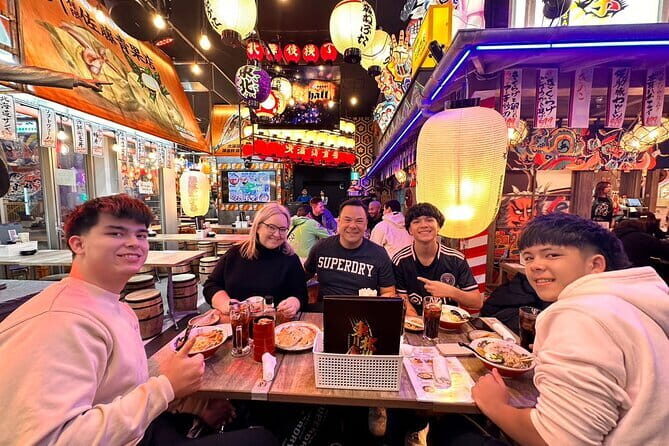
This tour includes an English or Chinese speaking guide and uses an air-conditioned vehicle. The group size is capped at 49 travelers, which is big enough to feel lively but small enough that you usually won’t get totally separated.
You’ll also hear from guides using practical communication methods. In the experience, some people noted WhatsApp updates for meeting times and directions—useful in crowded areas where verbal reminders can get lost.
Guide names pop up in real-world stories: Nick-san, Amanda, Gary, Harry, and Eric. The common thread is energy and organization. When the guide is on it—good timing, clear meeting instructions, and helpful suggestions—it noticeably reduces stress, especially at the bus-to-sight handoff.
But here’s the balanced view you should keep in mind: this is a strict schedule tour. That strictness can feel supportive (so you don’t lose the day) or punishing (if you’re late or delayed). The bus won’t wait for anyone, even by a few minutes, and the tour can’t accommodate delays.
If you’re the type who likes to wander independently, you’ll need a little self-discipline here. If you prefer structure and reassurance, you’re likely to enjoy it more.
Price and value: $68.03 buys logistics, not just sights
At $68.03 per person, you’re paying for the moving parts:
- English or Chinese speaking guide
- air-conditioned transport
- all fees and taxes included in the tour price
Most major attractions on the route are listed as free admission in the schedule, meaning you’re not paying separate entry for every stop. The main cost that can pop up is Todai-ji entrance, which is optional, plus the optional lunch.
So where’s the real value? It’s in reducing your planning workload. If you’re first-timing in Kyoto and Nara, figuring out transfers, bus timing, and “which station is closest” can eat your day. This tour shifts that effort to the operator, so you can focus on walking the sights you came for.
Is it “worth it” if you hate crowds and want total freedom? Probably not. If you want convenience, good stop coverage, and a guided structure for a long day, it can be a good deal.
Comfort, luggage, and the practical rules you must follow
A few rules matter a lot on this kind of tour, and missing them can spoil your day even if the sights are great.
- Arrive at the meeting point about 10 minutes early. The assigned bus and guide are based on your meeting location, and late arrivals may miss the tour.
- Bring only one manageable luggage piece per person. Items stored in the trunk aren’t accessible between stops, so keep valuables with you.
- Wear comfortable shoes. There’s no getting around it—these are walking-heavy stops.
- If you’re sensitive to heat, plan for it. The tour uses an air-conditioned bus, but comfort can vary with weather and vehicle load.
If you’re going during peak summer heat, treat water breaks seriously. Don’t assume you’ll have time to chase refreshments at every stop. Your window can be tight once you factor in walking from the bus area.
Who this tour is best for (and who should skip it)
This tour is a strong match if you:
- want to see Kyoto and Nara highlights in one day
- prefer guided pacing over transit planning
- like the idea of choosing among meal options at Kyoto Wasabi
- are comfortable moving on schedule and returning to a meeting point promptly
It’s less ideal if you:
- want slow, unstructured wandering at a single site
- dislike strict time windows
- get easily stressed by crowds
- need long stops to enjoy temples, museums, or gardens at depth
One more tip: if you’re set on Todai-ji interior, decide early. The tour’s timing works best if you know whether you’ll add that paid visit or focus on the park and surrounding areas.
Should you book this Kyoto and Nara day trip?
If your goal is to hit Arashiyama, Nara, and Fushimi Inari without planning transit and route details, I’d say yes—this is the kind of tour that can make a first trip feel complete fast. The optional Kyoto Wasabi lunch is also a real plus, not an afterthought, and the format usually keeps the day moving.
I’d only pass if you’re the type who needs lots of personal time at each sight or if your schedule makes you vulnerable to delays (late hotel pickup issues, long walks from transit, or commitments right after). This tour is strict about timing, and that’s the deal.
If you book, go in with the right mindset: treat it like a highlight day with smart stops. Then Arashiyama’s bamboo calm, Nara’s deer chaos, and Fushimi Inari’s torii tunnel will each get their moment—without you burning hours trying to coordinate the logistics.
FAQ
How long is the tour?
It runs about 9 to 10 hours.
What’s included in the price?
You get an English or Chinese speaking guide, an air-conditioned vehicle, and all fees and taxes.
Is lunch included?
Lunch is optional. The tour lists an optional lunch at Kyoto Wasabi Restaurant with choices like Kobe beef shabu-shabu and other menu items.
Do I have to pay for Todai-ji?
Todai-ji temple entrance is not included and is optional.
What ticket do I use?
The tour uses a mobile ticket.
Are the guides English speaking?
The tour includes an English or Chinese speaking guide, and commentary may be shared depending on group size.
Where do I start and where will I end?
You start from Osaka or Kyoto and can choose flexibility to return to Osaka or Kyoto at the end.
How strict are the meeting times?
Very strict. You should arrive 10 minutes before departure at your selected meeting point, and the bus will depart on time with no waiting.
Can the itinerary change?
The schedule may change due to weather, road traffic, or other unforeseen reasons. If the supplier cancels due to extreme weather or natural disaster, you receive a full refund.
What’s the cancellation policy?
Free cancellation is available if you cancel at least 24 hours in advance for a full refund.