REVIEW · KYOTO
Kyoto: Imperial Palace & Nijo Castle Guided Walking Tour
Book on GetYourGuide →Operated by TripGuru Japan · Bookable on GetYourGuide
Kyoto’s power centers in one short walk. This guided walking tour links Nijo Castle and the Kyoto Imperial Palace with a live English-speaking guide, so you get context fast instead of wandering for hours. It’s built for convenience too: you choose from different start times and you can even book close to departure.
Two things I really like are the structure and the access. You spend one hour at Nijo Castle, where the guide brings you to the Ninomaru-goten Palace and Garden plus the Painting Gallery, and you’re not trying to decode the site alone. I also love how the guides explain the differences between the shogun-era world of Nijo Castle and the imperial residence of the palace; guides like Raphael Matsui, Jasmine Lau, and Cecilia get praised for turning the buildings into understandable stories.
One possible drawback: time is tight. You’ll have only about an hour at each stop, and Nijo Castle access is focused on specific areas (so if you want to roam every corner), this won’t feel like a full castle day. Also, it’s a walking tour, so wear shoes you can stand in for a few hours.
In This Review
- Key takeaways before you go
- Kyoto’s Nijo Castle and Imperial Palace, in 3 hours
- Meeting Point at Nijojo-mae Station and How the Tour Moves
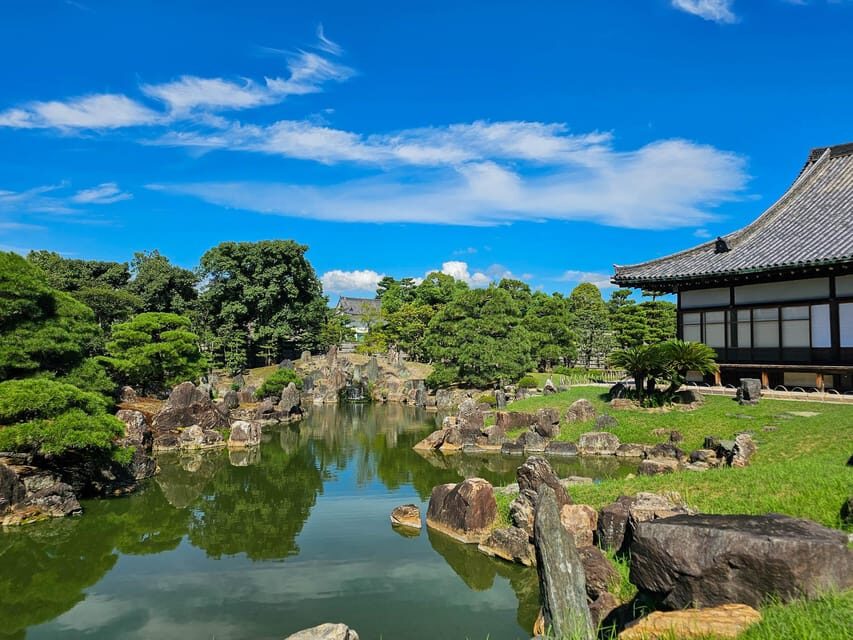
- Nijo Castle: Ninomaru-goten Palace, Garden, and the Painting Gallery
- Kyoto Imperial Palace: How the Imperial Residence Gets Explained
- What the Live Guide Adds (and Why Questions Matter)
- Pace, Comfort, and Dress Code: Practical Notes Before You Go
- Who This Guided Walk Is Best For—and Who Should Skip It
- Price and Value: Is $49 a Fair Deal?
- Should You Book This Tour?
- FAQ
- Where do I meet for the tour?
- How long is the experience?
- What’s included in the ticket price?
- What part of Nijo Castle do we visit?
- What’s the finish point?
- Is there a dress code?
- Is this tour suitable for everyone?
Key takeaways before you go
- Two major Kyoto sites in one afternoon without the stress of planning every step
- Ninomaru-goten Palace + Garden at Nijo Castle, plus the Painting Gallery
- Imperial Palace grounds with guided context instead of just pretty buildings
- Small group up to 9 people, so questions actually get answered
- Guides who manage the pace and help you notice details you’d miss alone
Kyoto’s Nijo Castle and Imperial Palace, in 3 hours
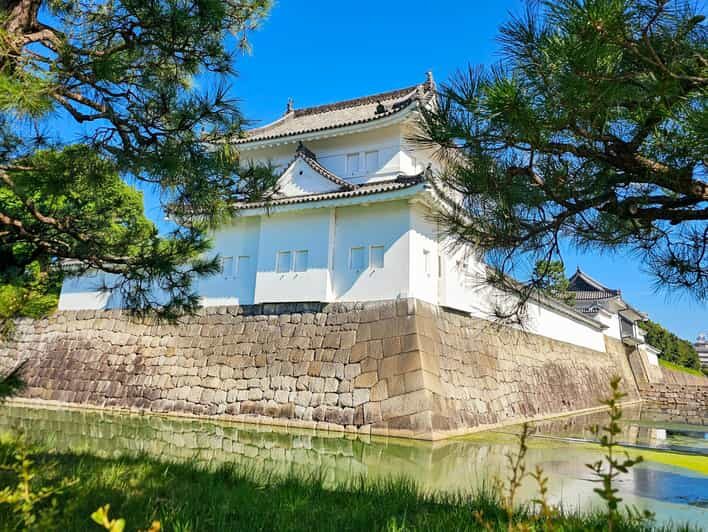
This is a smart choice if you want Kyoto’s “big names” without turning your day into a logistics project. Nijo Castle and the Kyoto Imperial Palace sit in very different political worlds, and the tour does a good job of connecting those dots while you’re moving. In 3 hours, you’ll cover the sites in a way that feels intentional rather than rushed.
You start at Nijojo-mae Station (outside Exit 1) and finish at Imadegawa Station, which is convenient because you end your tour already positioned to keep exploring by subway. Expect a walking rhythm: short transfers, then guided time inside each attraction. Because it’s only 3 hours, it works best when you’re staying flexible and you’re okay with “see the main points and get the story” instead of “spend half a day per site.”
The small-group size (max 9 participants) matters more than you might think. In many big tours, the guide talks at you and you get one question if you’re lucky. Here, reviews consistently praise guides for answering questions and giving an overview at the start. That’s how you get real value from a site like the Imperial Palace, where the buildings can otherwise feel like a lot of structures with no connecting thread.
You can also read our reviews of more walking tours in Kyoto


Meeting Point at Nijojo-mae Station and How the Tour Moves
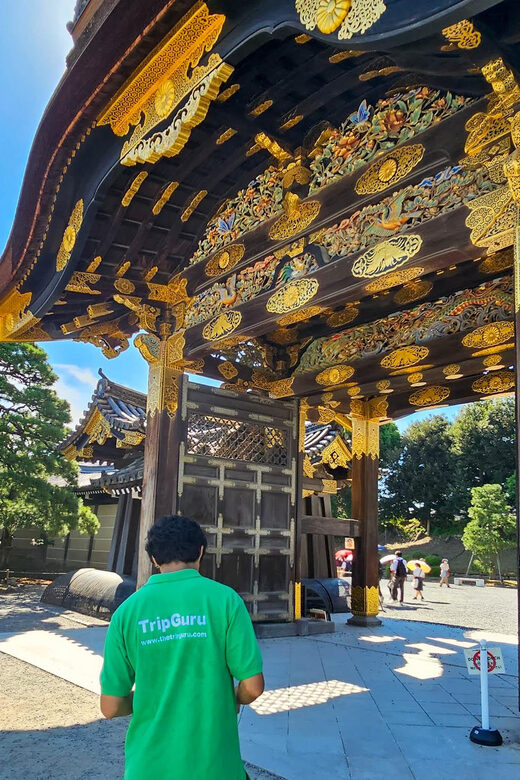
The meeting point is Nijojo-mae Station outside Exit 1. Your guide will be wearing a TripGuru shirt or holding a TripGuru sign. You’ll want to arrive early—at least 10 minutes before the stated start time—because the guide only waits up to 10 minutes before moving to the next stop.
This tour also flags heavy morning traffic for getting to the meeting point. If your plan relies on navigation apps, give yourself buffer time; Kyoto traffic can stretch travel times more than you expect. Once you’re there, the walking tour keeps things simple: you don’t have to figure out where to line up for entrances, and the guide handles the flow between stops.
One practical tip: bring comfortable shoes. The tour is short, but you’ll still spend time on your feet at two major sites. Also, bring a camera and cash for personal expenses. It’s one of those tours where little things can make a difference—especially if you get a guide who helps you spot good photo angles. A few past participants specifically mentioned guides helping with photo moments, and that’s a nice extra when you’re moving fast.
Nijo Castle: Ninomaru-goten Palace, Garden, and the Painting Gallery
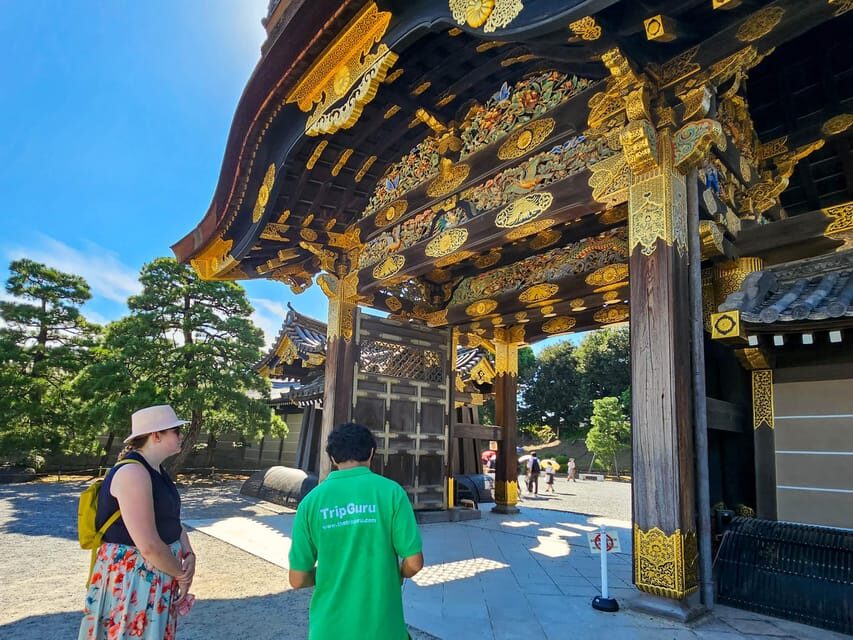
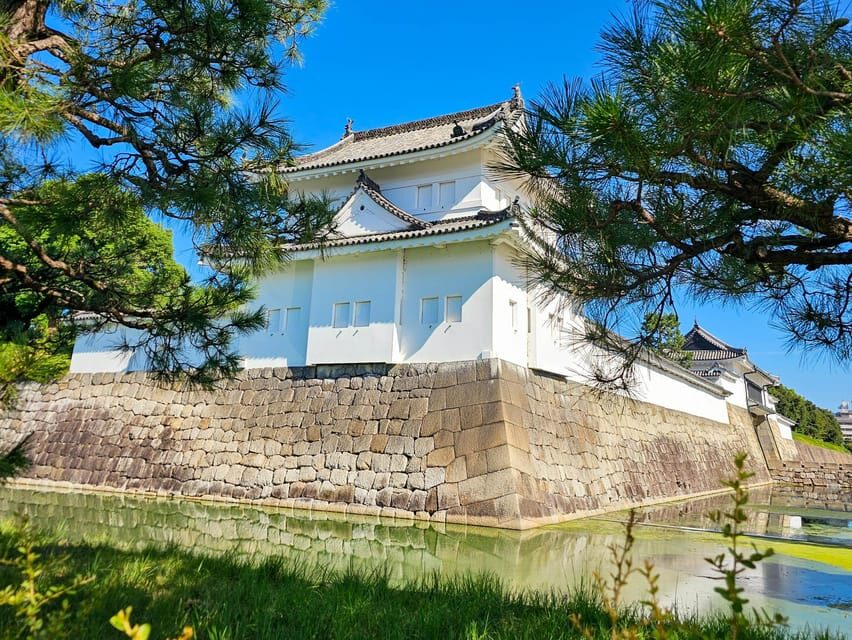
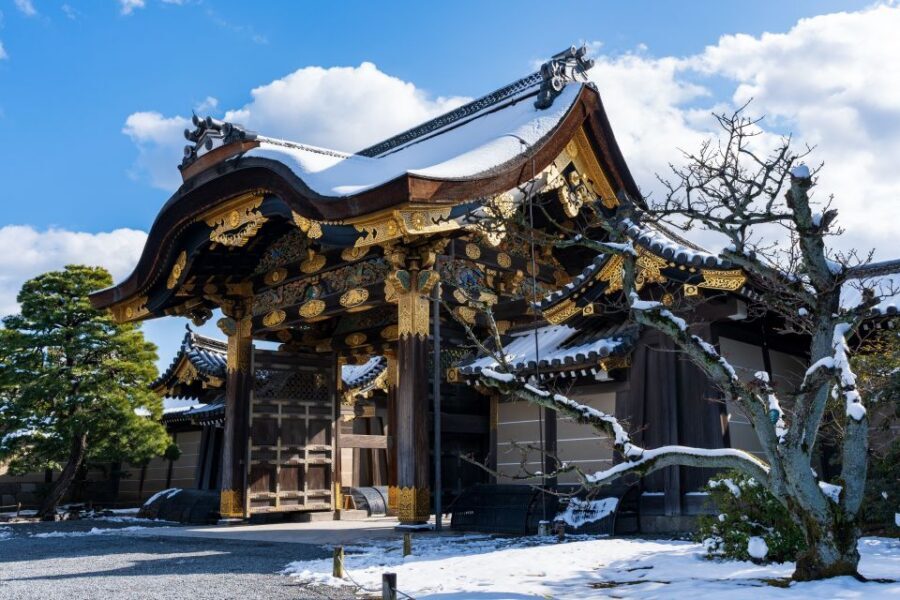
Nijo Castle is where you see Kyoto’s feudal-era power made physical. On this tour, you get guided time for about 1 hour. The most important detail: for Nijo Castle, the guide takes you to specific areas—the Ninomaru-goten Palace and Garden. You also include the Painting Gallery.
That focused access can be a plus. It means you don’t waste your limited time trying to decide what’s worth your attention. With a guide, you can also understand what you’re looking at while you’re looking at it. Reviews repeatedly praise guides for pointing out details and explaining what those details mean. Even better, you’re not just staring at architecture—you’re getting the political context behind it.
There’s also a pacing benefit. Nijo Castle can feel big, especially if you’re trying to cover everything on your own. Here, the tour chooses a lane: you see key spaces tied to the shogun world, then you move on. If your goal is to learn and keep your day moving, this setup fits.
One consideration: because the tour only includes the Ninomaru-goten Palace and Garden (plus the Painting Gallery), you may find yourself wishing you had more time for the rest of Nijo Castle. That’s not a flaw—just a mismatch to watch for. If you want a full independent roam with no boundaries, you’ll likely need a longer, self-guided visit.
Kyoto Imperial Palace: How the Imperial Residence Gets Explained
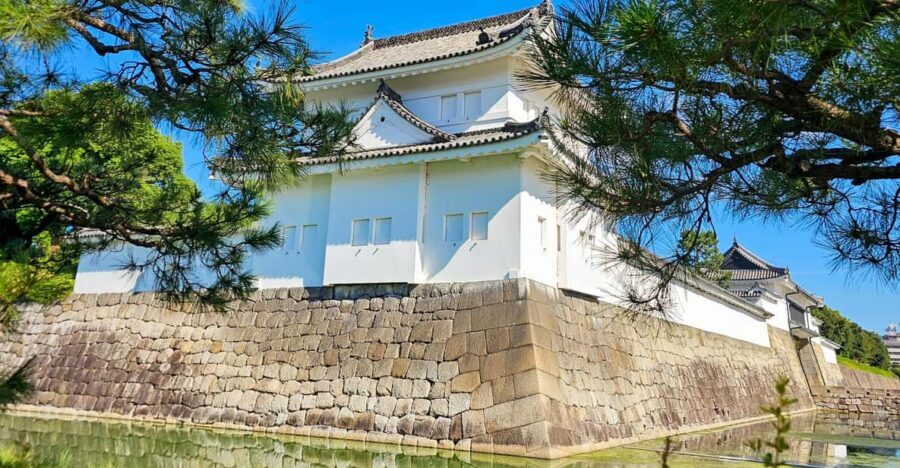
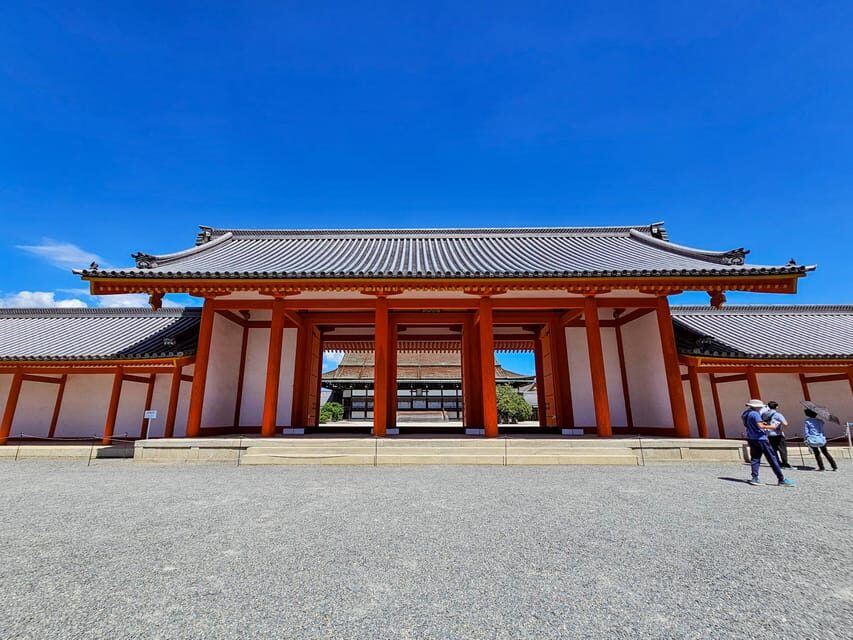
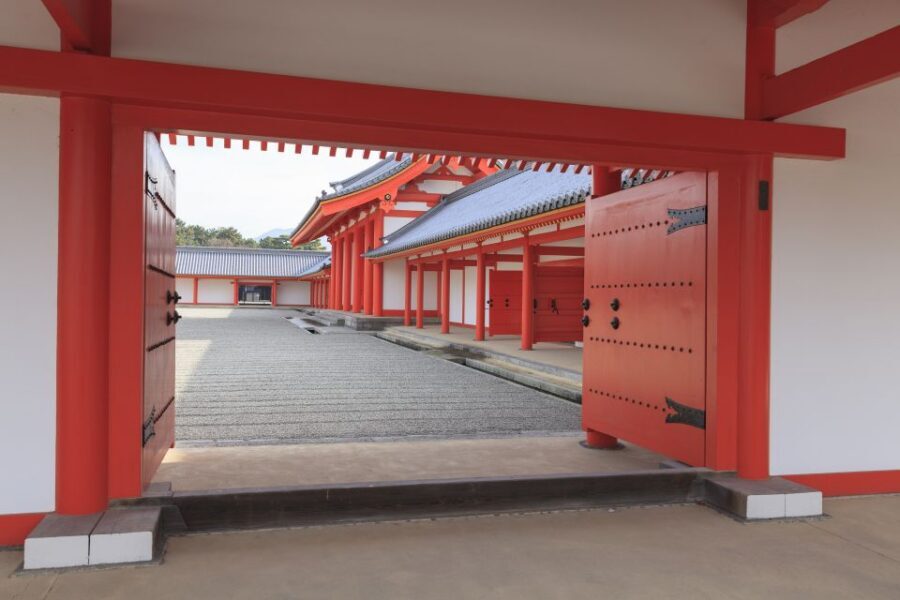
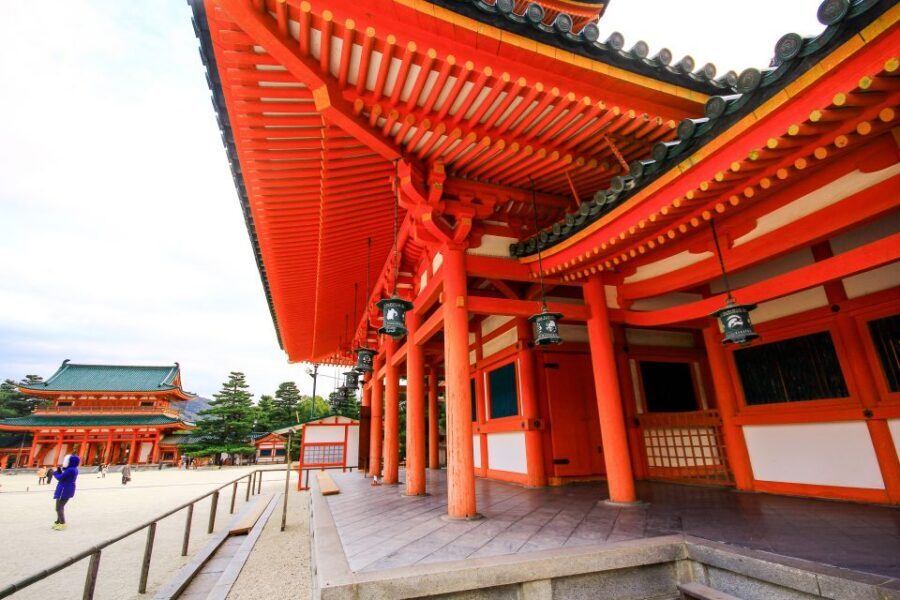
Then you switch from shogun-era symbolism to the imperial seat of power. The Kyoto Imperial Palace stop is also about 1 hour of guided time. Here, the tour is built around the palace’s impressive structure and gardens, with the guide giving you context as you walk.
What makes this stop worth it isn’t only the scenery. It’s the framing. Guides on this tour are praised for making the differences between the Emperor’s residence and the shogun setting easier to understand. That helps you read the palace like a story instead of a checklist of buildings.
The Imperial Palace also comes with a practical rule: dress modestly and respectfully. That means avoiding clothing that’s too revealing or casual—specifically no shorts or tank tops. If you’re visiting in warm weather, plan ahead. You can stay comfortable without breaking the dress code by choosing lightweight long sleeves or long pants.
Another timing reality: one hour at the Imperial Palace is just enough to get oriented and absorb the main points, but not enough to linger endlessly. If you’re the type who wants to sit, read every sign, and take your time with each room or garden view, you might crave a follow-up self-guided walk afterward. If you’re happy with “guided overview, then move on,” you’ll feel satisfied.
What the Live Guide Adds (and Why Questions Matter)
The tour is designed around interpretation, not just access. You’re paying for an English-speaking guide (English, French, Spanish options exist) who turns architecture into meaning and helps you connect what you see at Nijo Castle to what you see at the Imperial Palace.
In reviews, a few guide behaviors come up again and again. First, many guides give a short overview before starting, which helps you anticipate what you’re about to see. Second, guides answer questions well—participants mention everything from Japanese history context to culture notes. Third, some guides manage the time tightly, which is a big deal when you’re visiting two major sites in a short window.
You’ll also benefit from the guide’s local perspective. Names that come up in feedback include Raphael Matsui, Jasmine Lau, Cecilia, Taku, Kosuke, Vincent, and Alex—each praised for connecting details to the bigger picture. Even if the guide’s style differs, the common thread is clear: you walk away with understanding you wouldn’t get as quickly from a self-guided pass.
If you like learning as you go, this tour is a strong fit. If you prefer to absorb at your own pace, you might find the group format slightly structured—but with a max of 9 people, it still feels more personal than the large bus crowd.
You can also read our reviews of more guided tours in Kyoto



Pace, Comfort, and Dress Code: Practical Notes Before You Go
This is a walking tour, so comfort is part of the value. Wear comfortable shoes, and if you’re visiting in hotter months, bring water. One participant specifically noted June heat and recommended taking water and wearing a hat. That’s the kind of real-world advice that helps you enjoy the buildings instead of counting minutes.
Dress code for the Imperial Palace is the other big practical piece. Modest and respectful clothing is required on palace grounds, with shorts and tank tops called out as examples to avoid. If you’re packing for multiple temples and museums in Kyoto, treat this tour like a palace-and-temple day. You’ll save yourself from last-minute outfit stress.
Also plan for punctuality. The guide waits only 10 minutes max after the meeting time. Arriving late doesn’t just slow you down—it can force the group to move on without you. If you’re taking subway to the meeting point, build in a little buffer in case trains are busy.
And a heads-up on comfort conditions: the tour is listed as not suitable for pregnant women, people with mobility impairments, people with heart problems, and people with respiratory issues. That’s not just paperwork—it’s because the experience involves walking and standing in public spaces.
Who This Guided Walk Is Best For—and Who Should Skip It
This tour is best for you if:
- You want two of Kyoto’s top historical sites in one afternoon
- You like understanding what you see while you’re seeing it
- You’re okay with a guided “main highlights” pace
- You prefer a small group with room for questions
It may not be ideal if:
- You want to spend lots of quiet time exploring every nook without time limits
- You’re hoping for a full-day, deep self-paced immersion
- Your mobility or health needs make sustained walking and standing difficult
There’s another fit check I’d make: your interest level in interpretation. Nijo Castle and the Imperial Palace are impressive even if you know nothing. But the tour’s real strength is making sense of them. If you’re the type who enjoys explanations about the differences between shogun and emperor settings, you’ll likely feel like this was money well spent.
Price and Value: Is $49 a Fair Deal?
At $49 per person for a 3-hour tour, the value depends on what you’d otherwise pay and how you prefer to experience Kyoto.
Here’s what you get for the price:
- An English-speaking tour guide
- Entrance fees to Nijo Castle, including the Ninomaru-goten Palace and Garden and the Painting Gallery
- Guided walking between the two major stops
- A small group capped at 9 participants
What you don’t get:
- Hotel pickup/drop-off
- Meals and drinks
- Personal expenses
From a value standpoint, the inclusion of entrance fees matters. Many tours in Japan charge a low guide fee but then add site tickets on top. This one folds a key chunk of costs into the tour price, so your budget is easier to manage.
The other value lever is time. If you only have a few hours free, paying for a guided route can be cheaper than spending that time trying to solve where to go next. You’re not buying luxury—you’re buying clarity and access, with enough guidance to make the buildings feel like part of one story rather than two separate trips.
Should You Book This Tour?
I’d book this tour if you want a practical Kyoto afternoon that covers the Nijo Castle vs. Imperial Palace contrast with a guide who explains details as you go. The small group size, the guided stop at Ninomaru-goten Palace and Garden, and the emphasis on context make it a strong choice for first-timers or anyone short on time.
Skip it if you’re aiming for an all-day, slow exploration where you control every minute inside the sites. And if you have mobility or health limitations listed as not suitable, choose a different format.
If you can handle a few hours of walking and you’re open to modest dress for the palace grounds, this is one of those Kyoto tours that gives you more understanding per hour than you’ll get from wandering alone.
FAQ
Where do I meet for the tour?
Meet at Nijojo-mae Station outside Exit 1. Your guide will be waiting with a TripGuru shirt or sign.
How long is the experience?
The tour duration is 3 hours.
What’s included in the ticket price?
You get an English-speaking tour guide, walking tour, and entrance fees for Nijo Castle (including Ninomaru-goten Palace and Garden) and the Painting Gallery.
What part of Nijo Castle do we visit?
For Nijo Castle, the guide takes you to the Ninomaru-goten Palace and Garden area (and includes the Painting Gallery).
What’s the finish point?
The tour finishes at Imadegawa Station.
Is there a dress code?
Yes. You’re expected to dress modestly and respectfully. Shorts and tank tops are specifically mentioned as not appropriate for the palace grounds.
Is this tour suitable for everyone?
It is listed as not suitable for pregnant women, people with mobility impairments, people with heart problems, and people with respiratory issues.