REVIEW · TOKYO
Nikko World Heritage 1 Day Tour
Book on Viator →Operated by H.I.S.Co., Ltd. · Bookable on Viator
Gold leaf and 100-meter falls in one day. I like the way this tour threads Nikko Toshogu Shrine into a clear story of power and belief, with guides who can bring details to life, like Yumi or Harry. The trade-off is real: bad weather turns lots of steps into hard work, so plan for comfort in the open-air parts.
I also love that you get both temple wow and big nature without doing extra planning. The 100-meter Kegon Falls stop is short, but it’s timed for maximum payoff, and the Lake Chuzenji break gives you a calmer moment at the foot of Mt. Nantai before you head back to Tokyo.
In This Review
- Quick take: what makes this Nikko day trip work
- The 8:30am Shinjuku start and the long ride to Nikko
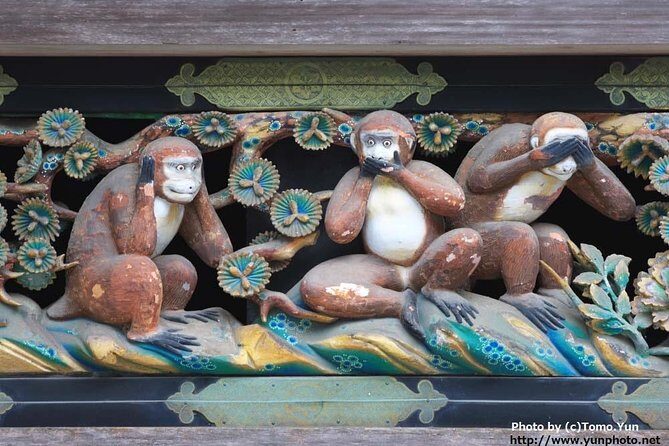
- Toshogu Shrine: gold leaf, Three Wise Monkeys, and Tokugawa Ieyasu
- Kegon Falls: a short stop for 100 meters of water power
- Lake Chuzenji: a calm pause at Mt. Nantai’s foot
- Guide and driver: why people keep praising Yumi, Kaori, and Hide
- Price and logistics: is $118.36 a good deal for this route?
- Time reality: weather, steps, and when the day can feel rushed
- Food and the +Lunch decision
- Practical packing checklist for Nikko in one day
- Should you book the Nikko World Heritage 1 Day Tour?
- FAQ
- How long is the Nikko World Heritage 1 Day Tour?
- What are the main stops on this tour?
- Is lunch included in the price?
- Is there a restroom on the bus?
- Where do you meet the tour and when does it start?
- Are tickets included for the attractions?
- Can I get off at Tobu Nikko Station if I want to stay overnight?
- Is the tour refundable if weather is poor?
Quick take: what makes this Nikko day trip work
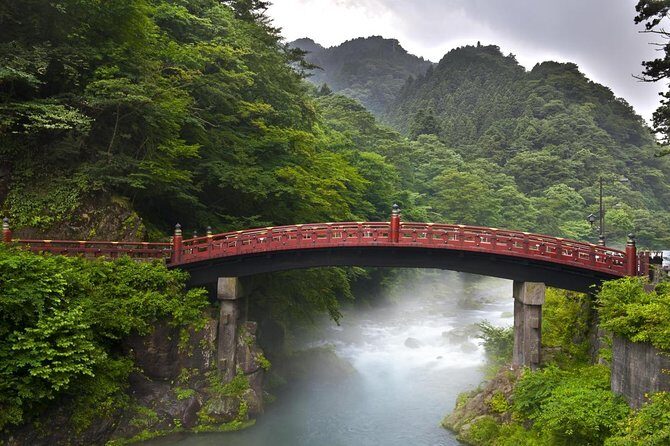
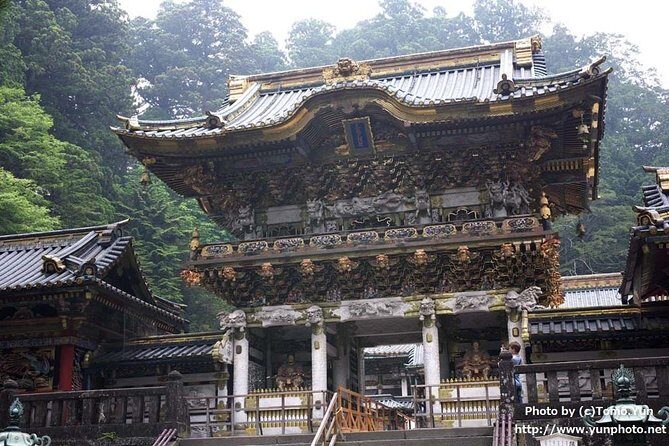
- Toshogu Toshogu Shrine (National Treasure time): two focused hours for gold-leaf detail, animal carvings, and Tokugawa Ieyasu’s tomb
- Three Wise Monkeys explained in context: you’ll see them as part of a bigger shrine narrative, not just as a photo stop
- Kegon Falls at full scale: 100 meters of waterfall, with ticket cost handled and a manageable time window
- Lake Chuzenji for a breather: 20 minutes by the lake, including views tied to Mt. Nantai
- A guide-led rhythm: helps you move between sites efficiently on a long day (about 10.5 hours)
- Comfort on the ride: air-conditioned vehicle, plus planned rest stops on the way in and out
The 8:30am Shinjuku start and the long ride to Nikko
This is a classic day trip structure: meet in Shinjuku (Robert Indiana sculpture Love) at 8:30am, then settle in for the drive north. The tour runs about 10 hours 30 minutes total, so you’re committing to a full day rather than a quick hit.
The bus part matters more than you’d think, because the rest of the itinerary moves on scheduled time. You’ll be asked to wear a seat belt on board, and there’s no restroom on the bus, so the comfort you feel in transit is part of the overall experience.
Also, consider the “depart regardless” approach. If weather or traffic gets messy, you may see timing shifts or shorter sightseeing windows, because the goal is to keep the day moving. If you’re the type who likes flexible plans and slow wandering, this might feel a bit structured.
You can also read our reviews of more historical tours in Tokyo
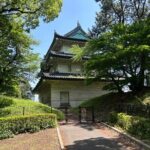
Toshogu Shrine: gold leaf, Three Wise Monkeys, and Tokugawa Ieyasu
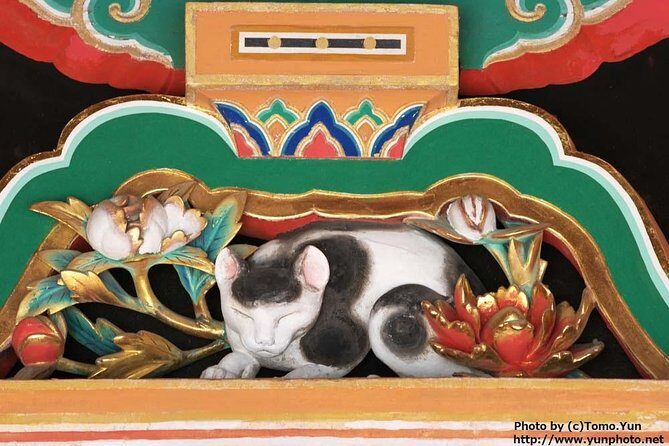
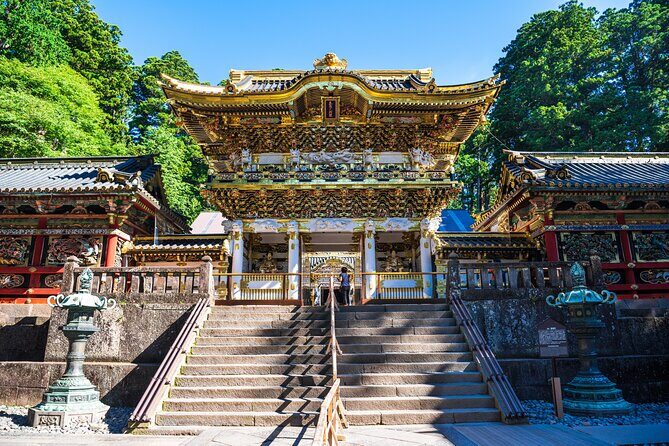
The heart of the day is Nikko Toshogu Shrine, and it’s easy to see why people call it Japan’s most gorgeous shrine. You’re looking at a National Treasure setting with gold leaf decorations, intricate carvings (including animal figures), and the tomb of Tokugawa Ieyasu.
What makes this stop especially valuable is the guided storytelling angle. Even when the details are visually loud, the shrine can still feel “just crowded and shiny” if you don’t know what you’re looking at. With a good guide, the Three Wise Monkeys land better, because you understand what the symbolism is doing in the broader shrine context.
You also get about two hours here, which is enough time to see the main sights without sprinting the entire complex. Still, plan for physical effort: Nikko shrine grounds can mean walking distances, steep bits, and stairs. In heavy rain, that’s where the day can swing from lovely to tiring fast.
If you care about Japanese history that’s tied to real people and real power, this is the stop you’ll remember. It’s not abstract. It’s a place built to impress, and you’ll feel that from the moment you start looking up.
Kegon Falls: a short stop for 100 meters of water power
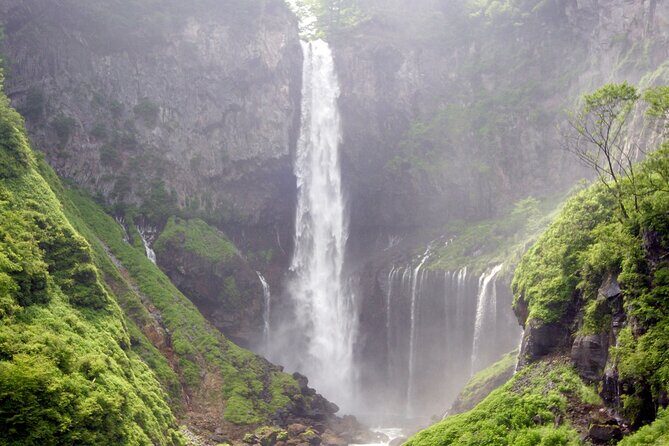
Then comes the nature payoff: Kegon Falls. The headline is simple—100 meters tall—and it’s one of Japan’s top waterfalls. This stop is about 20 minutes, with the waterfall ticket handled as part of the experience.
Because the time is short, I’d treat Kegon Falls as a focused photo-and-view break rather than a long hiking session. You’ll want to arrive ready to look and shoot quickly, because the best moments are the ones where you’re positioned well and the water is fully in frame.
There’s also a practical logic to the waterfall stop. The waterfall is described as the only way out for Lake Chuzenji’s water, so the timing helps you connect the landscape you saw earlier with what you’re seeing now. It’s a neat mental link that makes the nature stops feel like one story instead of three separate boxes.
Weather is the big wildcard here. Light drizzle can be dramatic; heavy rain can reduce visibility and make paths slippery. If you’re unlucky with conditions, the waterfall can still look impressive, but you might spend more time watching your footing than soaking it in.
Lake Chuzenji: a calm pause at Mt. Nantai’s foot
After the falls, you get a breather at Lake Chuzenji for about 20 minutes. This lake is one of the region’s most iconic views, and it sits at the foot of Mt. Nantai, an active volcano. Even in a quick stop, that volcano-backed setting changes how the water and air feel.
You’ll also notice there are cultural elements along the shore, including a temple and some former embassies. That’s useful because it gives Lake Chuzenji more than just a scenic role. It’s also part of how this region mixes nature and culture.
This is also a mental decompression stop before you head back to Tokyo. If Toshogu is your structured history time and Kegon is your big spectacle, Lake Chuzenji is your reset. Use it for a slow walk, a snack if you didn’t buy one earlier, and a chance to take your time away from the heavy crowds that can gather at shrine sites.
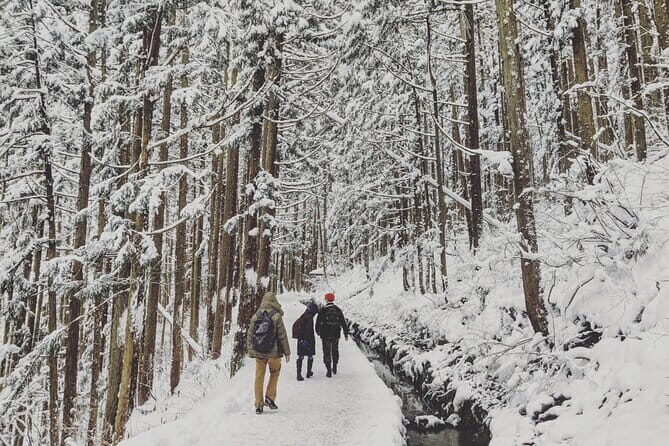
If you’re sensitive to cold, plan ahead here. In winter, Nikko can be colder than Tokyo, and the open-air lake stop is exactly when that difference shows up.
Guide and driver: why people keep praising Yumi, Kaori, and Hide
On a long day trip, the guide can make the difference between a blur and a meaningful experience. The standout theme from the information you provided is that guides actively explain what you’re seeing and help with the “what do I do here” moments.
Names that show up in praise include Yumi, Harry, Kaori, Cozumi, Toshio, and Hide. I wouldn’t treat that as a guarantee you’ll get any specific person, but it does tell you what kind of guide service this tour attracts. Many of the best reviews also highlight photo help, pacing, and small add-ons like origami, which can turn a rigid schedule into something more human.
The driver also matters, because road conditions on this route can be intense. You’ll rely on safe, steady driving and clear drop-off and pick-up procedures. Some days run smoothly; on others, traffic can change timing.
One caution: if you sit far from the guide, you might find it harder to hear explanations in busy spots. That doesn’t ruin the day, but it does mean you should be ready to reposition your body and angle toward the guide when you can.
A few more Tokyo tours and experiences worth a look





Price and logistics: is $118.36 a good deal for this route?
At $118.36 per person, this tour is priced like a full-day, guided, out-of-town experience from Tokyo, and that’s exactly what you’re buying. You get an air-conditioned vehicle, a major shrine admission included, and a structured plan that saves you from figuring out transportation on your own.
The biggest value lever is the included Toshogu Shrine admission and the fact that the day is organized around three signature stops: shrine, falls, and lake. For many people, that’s the real bargain—less decision fatigue, fewer transit mistakes, and a clear sequence that makes sense geographically.
Lunch is the only real “optional value.” If you select the +Lunch option, you get a Japanese-style meal. If you don’t, you’re basically using the stops to find food independently, and you’ll want to budget time for that.
Two small logistics points can affect your satisfaction. First, there’s no restroom on board, so the short rest breaks during the day matter. Second, the tour ends in a different location, and you can’t change the scheduled return location after the tour.
If you want a low-stress day trip with set timings, the price can feel fair. If you want maximum flexibility and DIY control, it might feel a little expensive—because the structure is part of what you’re paying for.
Time reality: weather, steps, and when the day can feel rushed
This tour keeps moving, and it has to. The schedule is designed around set sightseeing windows, and in cases of traffic congestion, the company may shorten time at sightseeing spots and cut outlet shopping time.
Weather is the other major factor. The tour may depart regardless of weather, unless the local operator notifies you otherwise, and conditions like heavy rain can turn steep hills and steps into a real physical challenge. One key takeaway for your planning: don’t dress for Tokyo weather alone.
If you’re traveling in colder months, bring winter layers, because Nikko is generally colder. If you’re traveling in rainy season, bring shoes that can handle wet surfaces and consider a rain setup that lets you keep moving safely.
This is also where comfort footwear earns its keep. Instructions emphasize shoes that make walking smoothly and easily possible, and that’s exactly what you need when you’re moving between shrine areas and viewpoints.
Food and the +Lunch decision
Lunch is included only if you choose the +Lunch option. That meal is described as Japanese style, and on at least one occasion it’s been treated as part of the overall experience, not an afterthought.
So how should you decide? If you want the simplest day, pick +Lunch and treat it as another scheduled piece of the itinerary. If you have dietary needs or prefer more control, you might skip it and look for something near your stops, but you’ll be trading convenience for flexibility.
Also, remember the day is long. A planned lunch can keep your energy steady, especially if the weather gets cool or damp. The downside is you may feel less spontaneous about where you want to eat, since your day is still built around fixed timing.
Practical packing checklist for Nikko in one day
You’ll thank yourself for preparing for the non-negotiables: walking, steps, and changing weather. Pack with the assumption you’ll be outside more than you expect.
- Comfortable walking shoes that work on wet or uneven ground
- A warm layer if you’re going in colder seasons; Nikko runs colder than Tokyo
- A rain plan for heavy weather, especially around shrine areas
- A small bag for essentials since there’s no restroom on board
- Your phone charger or power bank, because you’ll want photos at Kegon Falls and Toshogu
If you’re staying overnight in Nikko, there’s a helpful option: you can get off in front of Tobu Nikko Station at the end of the tour if you tell the guide. That doesn’t change the tour price, but it does affect where you finish your day.
Should you book the Nikko World Heritage 1 Day Tour?
Book it if you want a guided, high-impact day trip that strings together Toshogu Shrine, Kegon Falls, and Lake Chuzenji without you having to coordinate rail timing or transfers. This is a strong choice for first-time visitors who want the highlights and a guide to translate the symbolism and details.
Skip it or think twice if you hate schedules, dislike lots of stairs, or know you’ll struggle in rain. Nikko can be beautiful in bad weather, but the walking and stepped areas can quickly turn exhausting, and the tour may shorten time at stops when traffic gets ugly.
My rule of thumb: if you’re willing to dress for the outdoors and embrace a structured day, this tour is good value for what you see. If you want slow, flexible pacing, you may feel boxed in.
FAQ
How long is the Nikko World Heritage 1 Day Tour?
It runs about 10 hours 30 minutes.
What are the main stops on this tour?
You’ll visit Nikko Toshogu Shrine, Kegon Falls, and Lake Chuzenji.
Is lunch included in the price?
Lunch is included only if you select the +Lunch option. Without that option, the tour does not state that lunch is included.
Is there a restroom on the bus?
No, there is no restroom on board.
Where do you meet the tour and when does it start?
The meeting point is Robert Indiana sculpture Love in Shinjuku, and the start time is 8:30am.
Are tickets included for the attractions?
Admission ticket for Toshogu Shrine is included. Kegon Falls and Lake Chuzenji admissions are listed as free.
Can I get off at Tobu Nikko Station if I want to stay overnight?
Yes. If you plan to stay in Nikko for the night, you can get off in front of Tobu Nikko Station at the end of the tour by letting the guide know.
Is the tour refundable if weather is poor?
The experience requires good weather, and if it’s canceled due to poor weather, you’ll be offered a different date or a full refund.