REVIEW · NAMBA
Kansai Region Hiking Adventure in Nara Kobe Kyoto and More
Book on Viator →Operated by OrigamiGo · Bookable on Viator
Hike Kyoto and Kobe without planning chaos. This private day of mountain walking starts in Osaka and lets you choose among six different routes, with a guide shaping the pace and stops so you spend less time on logistics and more time on views. It’s built for a small group, with pickup offered and a mobile ticket to keep things simple.
What I like most is the route flexibility. You can go easy-to-moderate or pick a bigger climb, and the guide adapts to how you’re doing. The second big win for me is the mix of big sights on foot—waterfall breaks, shrine and temple visits, and multiple viewpoint stops spread through the hike.
One consideration: this is still hiking. The tour asks for moderate physical fitness, and it depends on good weather—if conditions aren’t right, you’ll need a different date or a refund.
In This Review
- Key highlights at a glance
- Osaka’s mountain day, minus the grind
- Picking your route: Kongo, Rokko, Yoshino, Atago, Hiei, Ikoma
- Mount Kongo: forest trails and summit Osaka views
- Mount Rokko: Kobe views plus Nunobiki Waterfall
- Mount Yoshino: shrine stops, tea house calm, year-round charm
- Mount Atago in Kyoto: Atago Shrine with observation points and lunch
- Mount Hiei to Enryaku-ji: walking through Japan’s mountain temple world
- Mt Ikoma: moderate hike, cable ride, and amusement park curiosity
- Price and logistics: what $458.55 buys you in practice
- What to bring, and how to hike smart on these mountains
- Who this hike day is best for
- Should you book this Kansai hiking adventure?
- FAQ
- What time does the tour start?
- Where do we meet?
- How long is the hiking experience?
- Is this tour private?
- Is pickup offered?
- Are admission tickets included?
- Are meals included?
- What if the weather is bad?
- What is the cancellation policy?
Key highlights at a glance
- Choose your mountain: six route options mean you’re not stuck with one pace or one kind of scenery.
- Guide-led storytelling: you get context as you walk, not just a route description.
- Viewpoint-heavy days: rest stops include scenic viewpoints, summit breaks, and photo pauses.
- Culture is part of the climb: shrines, temples, and local food stops show up naturally on the way.
- Small-group feel: private transportation for up to six keeps the day smooth and personal.
Osaka’s mountain day, minus the grind
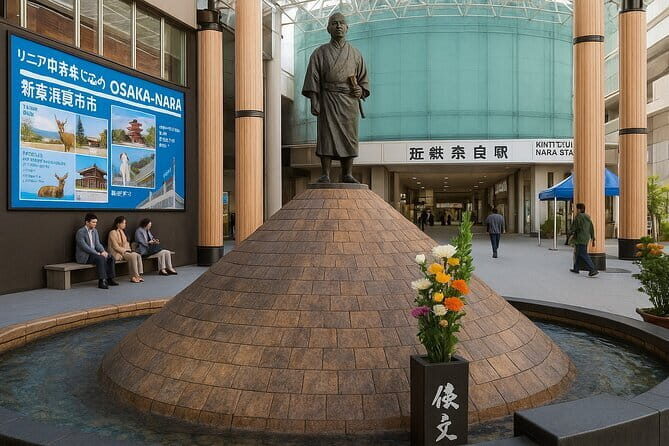
You start at 7:30am from Namba Station (1 Chome-9 Namba, Chuo Ward). The location is near public transport, and you end back at the same meeting point—so you don’t have to worry about getting yourself across town when your legs are already protesting.
This tour runs about 8 to 9 hours, which is a sweet spot. It’s long enough to feel like you really got out into Kansai nature, but not so long that the whole day turns into a slog. The private format helps a lot: you’re only with your group, and the guide can slow down for photos, rest, or extra questions.
You’ll also be traveling by private transportation, which matters in Kansai. Mountain areas are gorgeous, but getting there and back on your own can eat hours. Here, you’re mostly focused on walking, taking breaks, and absorbing the places you pass.
You can also read our reviews of more tours and experiences in Namba.

Picking your route: Kongo, Rokko, Yoshino, Atago, Hiei, Ikoma

The best part of this experience is that it isn’t locked into one “hike package.” Your guide helps you choose one of six routes, depending on how you want the day to feel. Some routes lean more nature-and-views. Others lean more culture and walking through temple/shrine areas. And a couple blend both with notable breaks along the way.
Here’s what each option is known for:
- Mount Kongo (Osaka views): forest trails up to the summit with viewpoints and a summit rest.
- Mount Rokko (Kobe views): a variety of trails plus Nunobiki Waterfall and a café break.
- Mount Yoshino (serene + seasonal famous): Yoshimizu Shrine, viewpoints, and a tea house stop; cherry blossoms are the headline, but the area works year-round.
- Mount Atago (Kyoto culture): ascend to Atago Shrine, add observation points, then a lunch stop at a local place.
- Mount Hiei (historic temple walking): stops including viewpoints and the Enryaku-ji Temple complex.
- Mt Ikoma (moderate hike with attractions): a cable car ride, observation decks, hillside café, and a stop by Ikoma Sanjo Amusement Park.
If you’re deciding, think about what you want most: mountain solitude, city-overlook views, or a temple/shrine-focused walk.
Mount Kongo: forest trails and summit Osaka views
Mount Kongo is the “serious nature” option. You’ll hike through forested trails up toward the summit, and the reward is a panorama over Osaka. This route feels like a classic Kansai climb: steady walking, fewer interruptions, and a big payoff at the top.
Along the way, your guide includes scenic viewpoints and stories about the local area. That’s useful here because forest trails can look similar mile after mile. A good guide point is like turning the volume up on the landscape—suddenly you notice landmarks and patterns you’d otherwise miss.
The summit break is built into the experience, so you’re not just climbing for bragging rights. You’ll have time to rest, take photos, and catch your breath before the next stretch.
A small drawback: if you’re the type who likes frequent “activity stops,” you may want more café-and-waterfall moments. Kongo is more about the walk and the summit.
Mount Rokko: Kobe views plus Nunobiki Waterfall
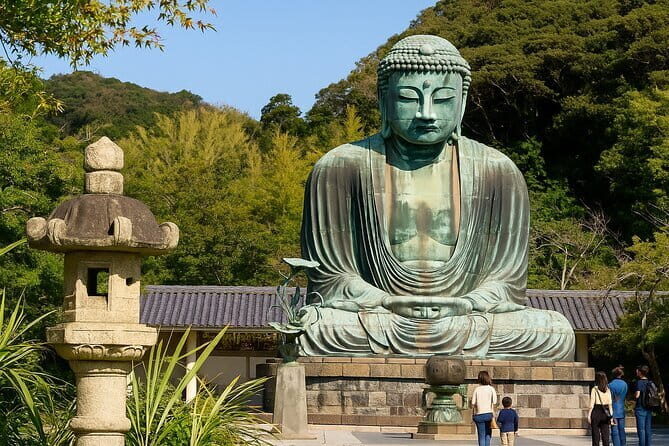
If you want variety, Mount Rokko is a strong pick. The trails offer different sections, and the views open up in a way that makes the hike feel like it’s constantly shifting. You’ll also get a dedicated stop at Nunobiki Waterfall, which adds a cool visual break from straight-up hiking.
There’s also a café break in the plan. Since meals aren’t included, this is one of the moments where you’ll likely want to actually buy something you can eat on the spot. I like routes that build in those realistic stops, because you’re not left wondering where you’ll get a drink or a warm snack.
Your guide also adds history and context as you move through the area. That’s especially helpful on Rokko because it sits close enough to Kobe that you can almost feel the city influence, even while you’re surrounded by mountain paths.
Keep in mind the trade-off: the more variety you get, the more you’ll be switching between “hike mode” and “stop-and-look mode.” That’s a good thing if you enjoy pacing. If you prefer a pure steady climb, you might compare Rokko with Kongo.
Mount Yoshino: shrine stops, tea house calm, year-round charm
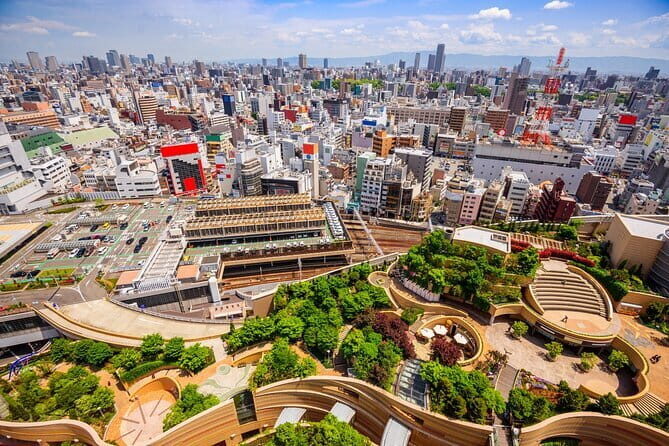
Mount Yoshino is famous for cherry blossoms, but the real advantage is that it still works when it’s not blossom season. The route focuses on a peaceful, scenic hiking pace with built-in culture stops.
You’ll visit Yoshimizu Shrine, then move through scenic viewpoints and a local tea house stop. That tea house moment is the practical payoff for this route. After walking, you get a chance to slow down, warm up or cool off, and reset your legs before continuing.
This is also a nice choice if you want something that feels more contemplative than strenuous. The route still gets you outdoors and moving, but it’s structured around viewpoints and cultural stops rather than a nonstop summit grind.
One note: since the tour says meals are not included, treat the tea house stop as your chance to buy your own snack or drink. Plan for that and you’ll avoid the moment where you’re hungry but unprepared.


Mount Atago in Kyoto: Atago Shrine with observation points and lunch
Mount Atago is the culture-forward mountain day. You’ll ascend Mount Atago, then visit the Atago Shrine as part of the hike. The route also includes rest at observation points with views, and then lunch at a local spot.
This option is especially good when you want your day to feel like both hiking and sightseeing, without the usual “just take a bus and go” fatigue. A shrine visit inside a hike is different than doing a quick stop on flat ground. You arrive with your body warmed up and your attention already focused.
The observation points break up the climb and give you places to breathe and take photos. And the lunch stop matters because you’re hiking long enough that buying lunch on your own plan could be stressful if you’re not sure what’s nearby.
Drawback to consider: Atago might be less satisfying if you want a heavy nature immersion where you only think about trees, trails, and summits. This route is very much about shrine and viewpoints, with nature as the setting.
Mount Hiei to Enryaku-ji: walking through Japan’s mountain temple world
Mount Hiei is for people who want historic sites right on the trail. The highlight here is Enryaku-ji Temple, reached as part of the hike, plus additional viewpoints along the way.
You’ll get scenic viewpoints, the temple complex, and a local eatery stop. The temple area is the main reason to choose this route. Even if you’ve seen other temples in Japan, Hiei’s mountain setting changes the feeling. It’s not just architecture—you’re approaching it under the rhythm of walking uphill, with more of the atmosphere doing the work.
This stop is also marked as admission free in the route notes. That’s a real value perk if you’re trying to keep costs controlled for a day that already includes transportation and guide time.
If you’re deciding between Hiei and a more nature-focused route like Kongo, ask yourself what you want your photos to show. Hiei gives you shrine-temple views. Kongo gives you mountain-summit views over Osaka.
Mt Ikoma: moderate hike, cable ride, and amusement park curiosity
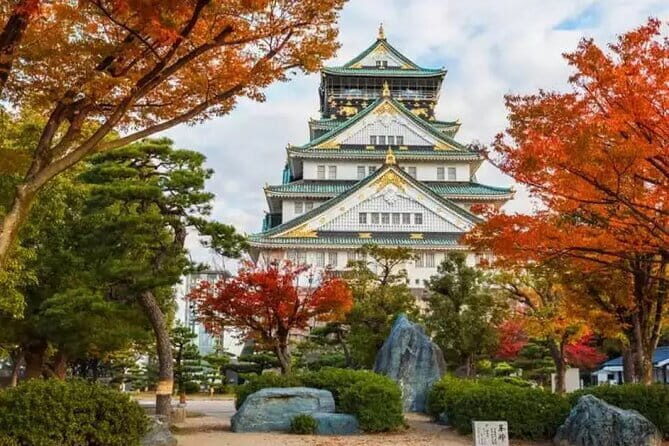
Mt Ikoma is a moderate hike with a fun twist. You get a mix of nature and city views, and the plan includes a cable car ride. Then you’ll stop at observation decks and a hillside café.
One of the most distinctive add-ons is a visit to Ikoma Sanjo Amusement Park. That doesn’t turn the day into a theme park spree. It’s more like a playful detour that breaks up the hike and adds variety, especially if you want something less solemn than a shrine-and-temple route.
This is a good choice if you want an active day but not an all-out climb. The cable ride also helps you conserve energy for the parts that actually feel like hiking.
As with other routes, admission is noted as free for this option. Meals aren’t included, so the hillside café is where you’ll likely buy something to refuel.
Price and logistics: what $458.55 buys you in practice
This tour costs $458.55 per group (up to 6). That pricing structure can be a steal or a splurge, depending on your group size.
- If you book with a full group of 6, you’re roughly in the $77 per person range.
- If you book as 2 people, it’s closer to $229 per person.
The reason that matters: what you’re paying for isn’t just walking. You’re paying for private transportation, a guide who manages stops and pacing, and the convenience of door-to-meeting-point flow. That’s also why the day length is realistic. Your time isn’t eaten by transfers.
The tour includes all fees and taxes, and it uses a mobile ticket. Meals are not included, but multiple routes include built-in food moments—café, tea house, and lunch at a local spot—so you’ll at least have opportunities to eat without improvising.
If you’re price-sensitive, the best move is to treat this as a group activity. If you’re traveling with friends or family and you can fill even half the group, the value starts looking a lot better.
What to bring, and how to hike smart on these mountains
Because you’ll be walking on mountain trails and doing shrine/temple climbs, you’ll want gear that keeps you comfortable for real steps, not just sightseeing shoes. Plan on good footwear with grip, and bring layers. Morning starts can feel cool, but the climb warms you up fast.
Bring a small daypack with the basics:
- water (you’ll thank yourself)
- a snack if you want one between built-in stops
- rain protection in case conditions shift
- a hat and sunscreen if it’s bright
Also, remember the tour needs good weather. If conditions are poor, the experience may be canceled and you’ll be offered a different date or a full refund. That’s not a small detail—on a mountain day, it’s everything.
Your guide will set the pace and handle route choices, but you’ll still get the most out of the day if you’re honest about your fitness level. The tour is meant for moderate physical fitness, which usually translates to: you’re okay walking uphill for hours, and you don’t mind pauses.
Who this hike day is best for
This Kansai hiking adventure fits best if you want:
- a private, guide-led mountain day instead of self-guided chaos
- a choice of routes so you can match your energy level
- cultural stops that happen naturally during the hike
- scenic viewpoint breaks that aren’t left to chance
It’s also a solid pick if you’re staying around Osaka and want to experience both the mountain side and the historical side without juggling trains and transfers all day.
If you hate crowds and prefer small-group experiences, the private format helps. If you only like flat walking, you’ll probably find the climbs too much. This is walking as the main event.
Should you book this Kansai hiking adventure?
I’d book it if you want a mountain day that feels personal and efficient. The big selling point is the customizable route choice—Kongo for summit views, Rokko for waterfall-and-café variety, Yoshino for shrine and tea calm, Atago for Kyoto culture with lunch, Hiei for Enryaku-ji temple walking, and Ikoma for a moderate hike with a cable ride and a playful stop.
I’d hesitate if you’re expecting meals included, or if your idea of fun is mostly sitting in nice places. This is hiking-first. You’ll have food opportunities, but you should plan to pay for what you eat.
Also, pick based on your priorities. If you want the most famous nature moment, Yoshino has cherry blossom reputation. If you want Kyoto-style culture on a hike, go Atago or Hiei. If you want city views over the mountains, Kongo, Rokko, and Ikoma are the strongest matches.
If you’re traveling with up to a few people and you can match your group size, the pricing starts to look very reasonable for a private, guided mountain day.
FAQ
What time does the tour start?
The tour starts at 7:30am.
Where do we meet?
You meet at Namba Station (1 Chome-9 Namba, Chuo Ward, Osaka, 542-0076, Japan). The area is near public transportation.
How long is the hiking experience?
It runs about 8 to 9 hours.
Is this tour private?
Yes. It’s a private tour/activity, and only your group participates (up to 6 people).
Is pickup offered?
Pickup is offered, and the tour includes private transportation.
Are admission tickets included?
The tour notes include that some route options list admission ticket free, and overall it includes all fees and taxes.
Are meals included?
No. Meals are not included, though the routes include stops like a café, tea house, and lunch at a local spot where you can buy food.
What if the weather is bad?
The experience requires good weather. If it’s canceled due to poor weather, you’ll be offered a different date or a full refund.
What is the cancellation policy?
You get free cancellation. You must cancel at least 24 hours before the experience start time for a full refund.