REVIEW · WAKAYAMA
One Day Private Customized Self-Guided Tour in Wakayama
Book on GetYourGuide →Operated by 大阪旅行株式会社 · Bookable on GetYourGuide
Your perfect Wakayama day is mostly in your hands. This is a one-day, private car tour from Osaka that lets you build a custom itinerary and still remove the stress of trains, buses, and figuring things out in Japanese. I like the mix of major sights plus slower scenic breaks, and the fact that the driver handles transit while you handle the wandering.
The big catch is timing. Wakayama’s stops are spread out, so if you pick too many distant targets, you may end up doing fewer places than you hoped in one 10-hour day.
I also really appreciate the “real-world” flexibility. The schedule is only a reference, and you can talk it through with your driver and adjust on the fly—especially once you’re working within the Wakayama urban area. In one example, driver Tong was punctual and offered useful recommendations that helped the day flow.
In This Review
- Key reasons this private Wakayama day feels worth it
- Private and self-guided: the core idea (and why it works)
- Getting out of Osaka: pickup rules, timing, and luggage reality
- The “10-hour day” promise: where value comes from
- Kuroshio Market: the easiest place to start the day well
- Wakayama Castle: short sightseeing time, big payoff if you like viewpoints
- Kishi Station: a quick pause that can make the whole trip feel local
- Mt. Koya and Kongobuji Temple: where the day turns from city to sacred calm
- Kumano-Kodo Nakahechi Pilgrimage Route: possible, but choose your length
- Shirahama coastline stops: when your day becomes sea views and stone
- The SeaMore observation tower: best used as a final shot on the way out
- Price and logistics: what you’re paying for (and what you aren’t)
- Driver, language, and the self-guided reality
- Customizing your itinerary: how to get the best outcome
- Who this private Wakayama day suits best
- Should you book this private Wakayama tour?
- FAQ
- How long is the private Wakayama tour?
- Where does the tour start and end?
- Can I customize the itinerary?
- Can the plan change during the day?
- Is a tour guide or translation included?
- What’s included in the price?
- Are admission tickets and meals included?
- What about luggage and group size?
- Do I get a baby seat?
- What languages do the drivers speak?
Key reasons this private Wakayama day feels worth it
- Full customization of your route (share favorites, and they help draft a plan)
- Private car + professional driver so you can skip navigation and language friction
- Flexible pickup and drop-off within Osaka urban areas (hotel pickup is included)
- You can tweak timing during the trip based on traffic and visit pacing
- Coast + pilgrimage + city history in one run, without rushing on public transit
Private and self-guided: the core idea (and why it works)
This tour is private transportation with a self-guided rhythm. That means you’re not paying for a scripted guided lecture in a language you might not fully follow. Instead, you get a comfortable air-conditioned vehicle, a driver, and blocks of free time at each stop.
What you’ll love is control. You decide how long you want to linger at a viewpoint, how fast you move between photo stops, and whether you want to focus on sacred pilgrimage-style walking or on coastal scenery. If you’re the kind of traveler who hates being herded, this format usually feels like a win.
The other side of that coin is responsibility. There’s no tour guide and no translation support included. So you’ll get the best results if you come with a light plan: what you want to see, what you can skip, and what you want to prioritize if the day gets tight.
You can also read our reviews of more tours and experiences in Wakayama.

Getting out of Osaka: pickup rules, timing, and luggage reality
Your day starts with pickup from Osaka, and the service is limited to customers who are in Osaka urban areas. Hotel pick-up and drop-off are included, which matters more than it sounds: it saves you from “let’s meet at a station” awkwardness when you’re traveling all day.
You’ll confirm details in advance—passenger count and luggage info. The default luggage allowance is one 24-inch suitcase, and the vehicle type determines how many luggage pieces fit. The tour uses 6/9/13 seat cars, and each car has a different luggage limit (6-seat fits 4 luggage, 9-seat fits 10, 13-seat fits 6). If your group has multiple suitcases, tell them early so the vehicle choice won’t become a last-minute headache.
One helpful operational detail: a day before the trip, you receive your driver’s phone number. The driver waits at the scheduled time, which keeps the morning calm and predictable.
The “10-hour day” promise: where value comes from
Ten hours sounds generous until you notice you’re stacking multiple regions into one run. Still, private car time is valuable here because it buys you less stress and more control than a train-and-walk marathon.
For the price shown—about $532 per group up to 6—you’re essentially paying for:
- private door-to-door transport from Osaka,
- highway tolls and parking,
- a driver for a full day,
- and the ability to reshape your plan without giving up mobility.
If you’re traveling as a small group (especially 4 to 6 people), the per-person value usually feels strong. If you’re traveling as a solo or couple, you may still like the convenience, but you’ll feel the cost more. In that case, your best move is to pick only the stops that truly matter to you.
Kuroshio Market: the easiest place to start the day well
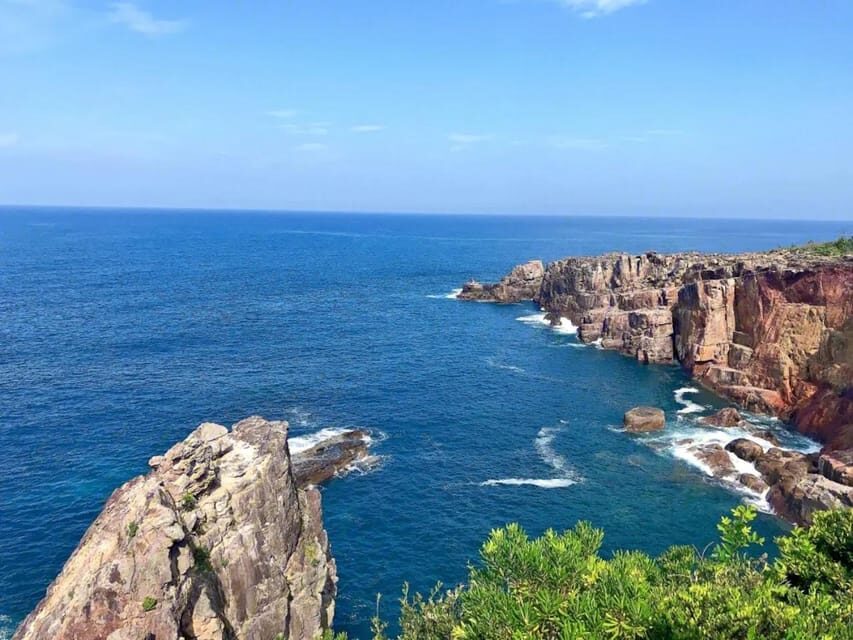
The morning includes Kuroshio Market with about an hour of free time. This is a smart first stop because it’s low-pressure. You can wander, shop, and snack at your own pace, and you don’t need to commit to a timed activity.
If you like food sampling or want to pick up simple picnic items for later, this stop gives you an early “Japan is happening” moment without demanding much planning.
A practical tip: markets can be crowded and a bit chaotic. Use your hour to do one thing well—browse and snack—rather than trying to see every corner. If you try to sprint through, you’ll lose the relaxed vibe that makes it fun.
Wakayama Castle: short sightseeing time, big payoff if you like viewpoints
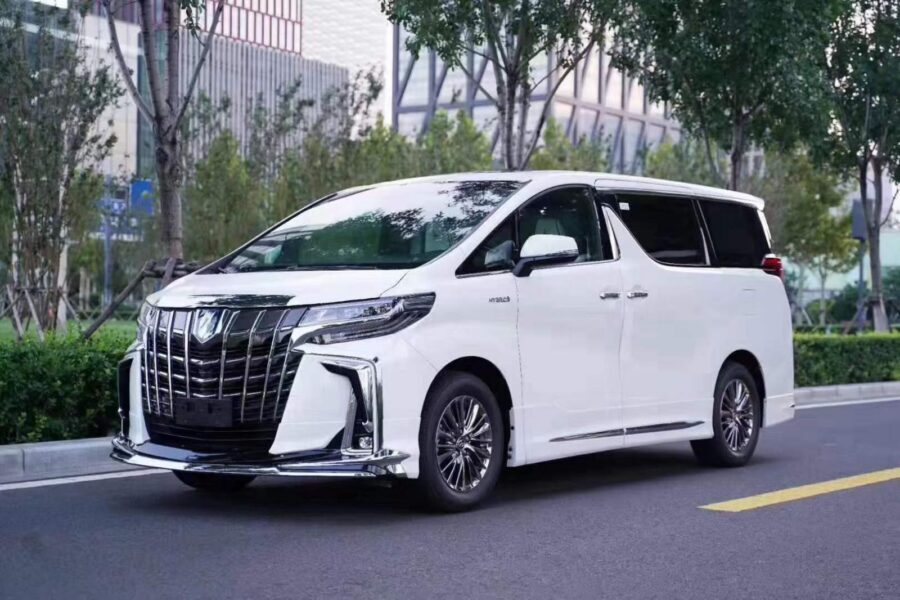
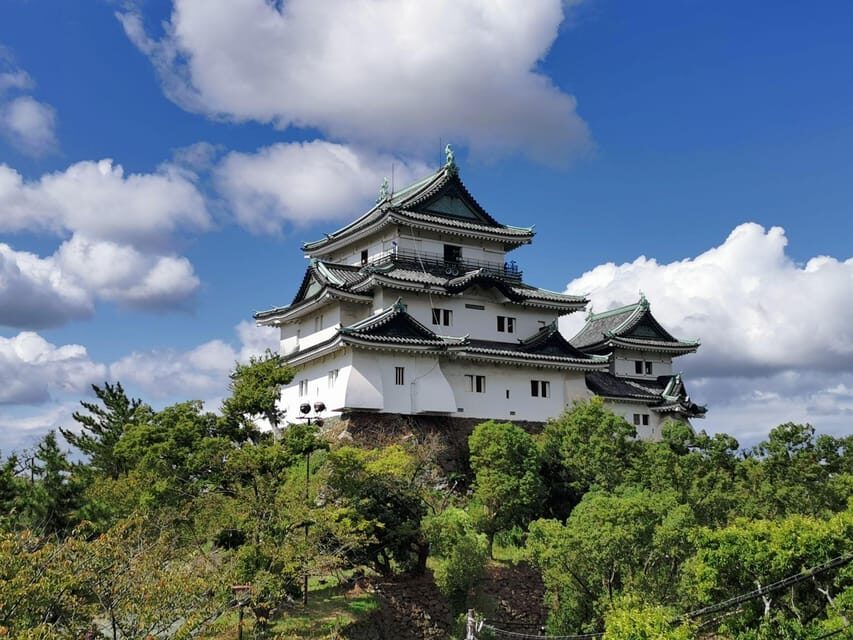
Next comes Wakayama Castle, also with about an hour. Even if you only do the highlights, castles tend to reward quick visits because they often give you a layout and viewpoints that help you understand the city’s geography.
The benefit of having this as a mid-morning or early afternoon stop is that you can adjust later if the schedule slips. If you keep an eye on timing early, you’re less likely to run out of daylight or free time when the day shifts toward longer scenic areas.
The drawback is straightforward: one hour disappears fast if you stop for photos repeatedly. If castle photography is your thing, treat this hour as a “get the main angles” sprint rather than a slow museum-style day.
Kishi Station: a quick pause that can make the whole trip feel local
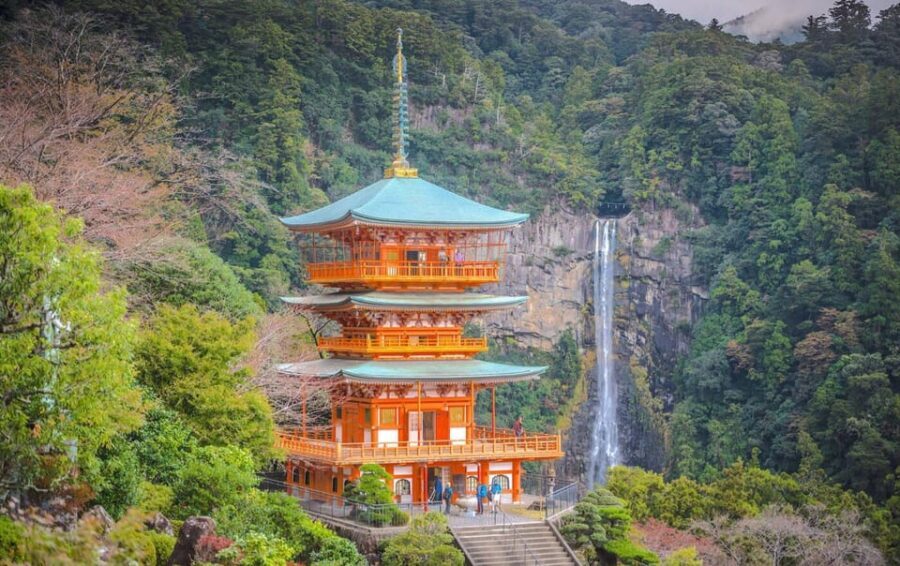
After the castle, the plan includes Kishi Station with about an hour for sightseeing and walking. A station stop might sound random on paper, but in practice, these kinds of place-based breaks often make the day feel less like a checklist.
You’ll also get built-in flexibility. If you find that you need a breather—coffee, a short walk, a quick look—you can use this hour as your reset button.
Because the tour is self-guided, the quality of this stop depends on your personal curiosity. If you like everyday settings—where people actually live and commute—stations can be surprisingly enjoyable. If you only want famous landmark “hits,” you might treat it as a transfer-friendly break.
Mt. Koya and Kongobuji Temple: where the day turns from city to sacred calm
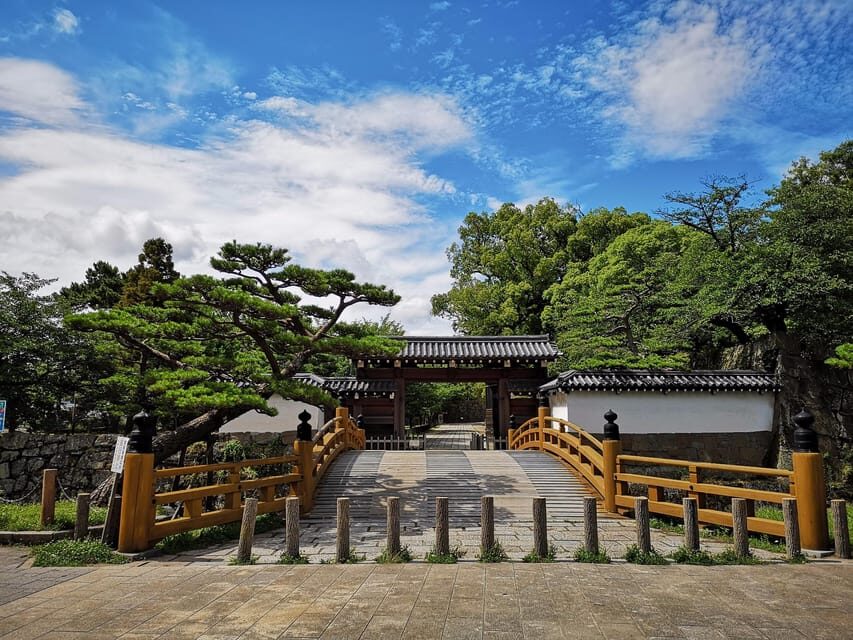
The itinerary then heads toward Kongobuji Temple on Mount Koya, followed by Koyasan time. Each gets about an hour in the plan, with scenic views on the way.
This is the portion that often gives travelers the “wow, I’m really in Japan” feeling. Even if you keep it simple—walk around, take in the quiet, observe the architecture and atmosphere—the change in setting is a mental reset.
One thing to watch: if you plan to pack in multiple religious and scenic stops, this is where fatigue can sneak up. Use your free time intentionally:
- plan for a short circuit rather than open-ended wandering,
- and decide in advance whether you want to focus on temple grounds or on the views.
Kumano-Kodo Nakahechi Pilgrimage Route: possible, but choose your length
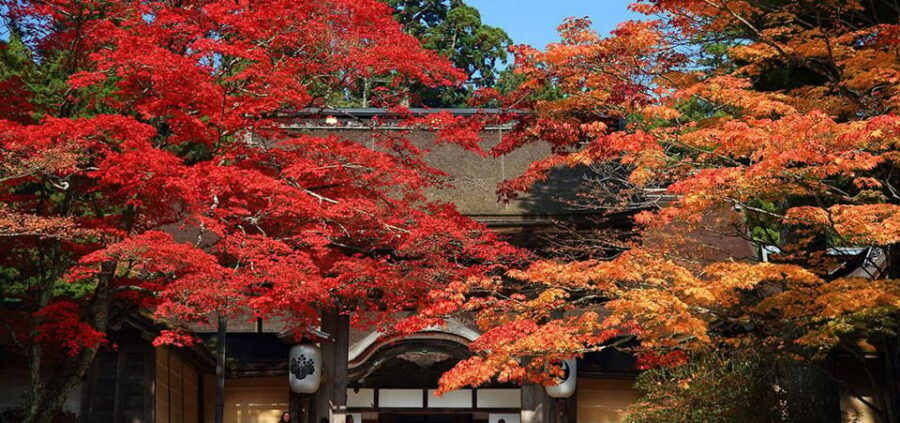
Next is the Kumano-Kodo Nakahechi Pilgrimage Route with about an hour of free time. The tour’s own description frames it as sacred pilgrimage territory, and that framing matters. This isn’t the kind of place that feels good if you treat it like an amusement-park detour.
If you want meaningful time, pick a small segment to walk slowly. Even within an hour, you can get the atmosphere—especially if you pause for photos and just slow down.
Here’s the practical consideration: one-day coverage is always a compromise. If your group’s idea of the route is long walking plus extra viewpoints, you’ll probably need to shorten your other stops or accept that you’re seeing a portion rather than “the whole thing.”
Shirahama coastline stops: when your day becomes sea views and stone
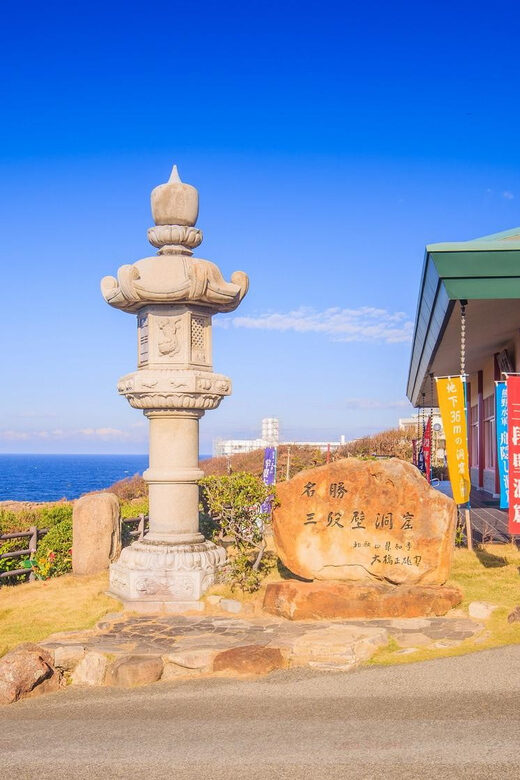
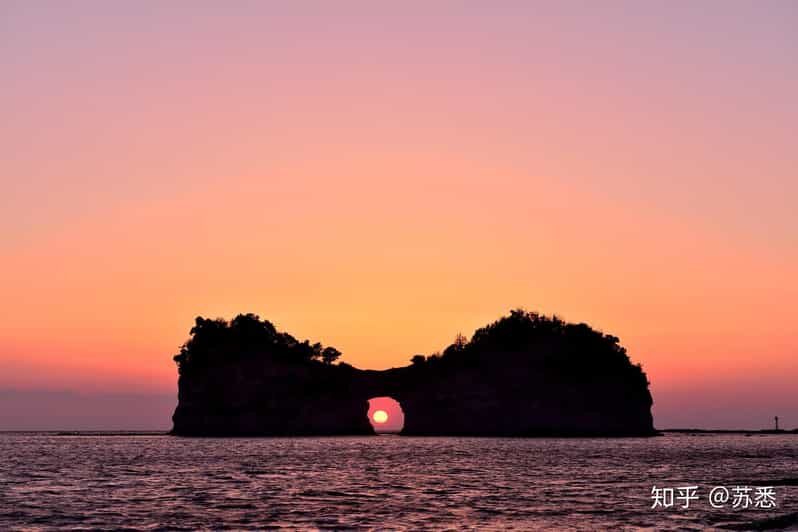
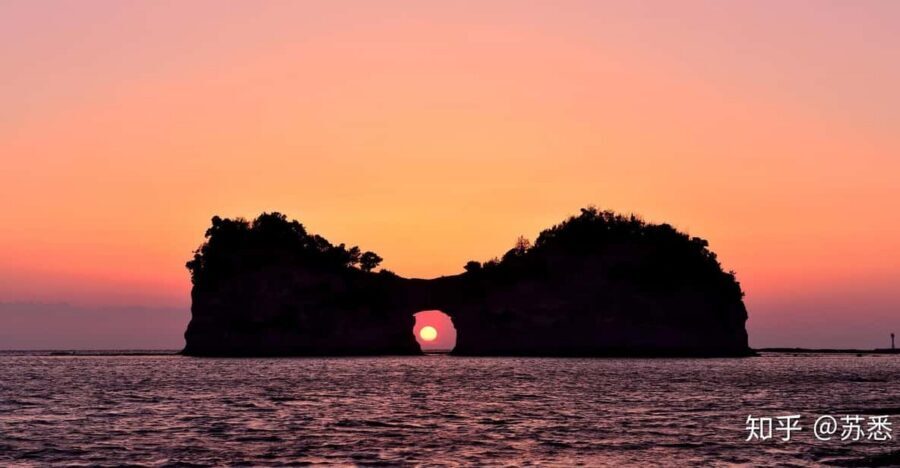
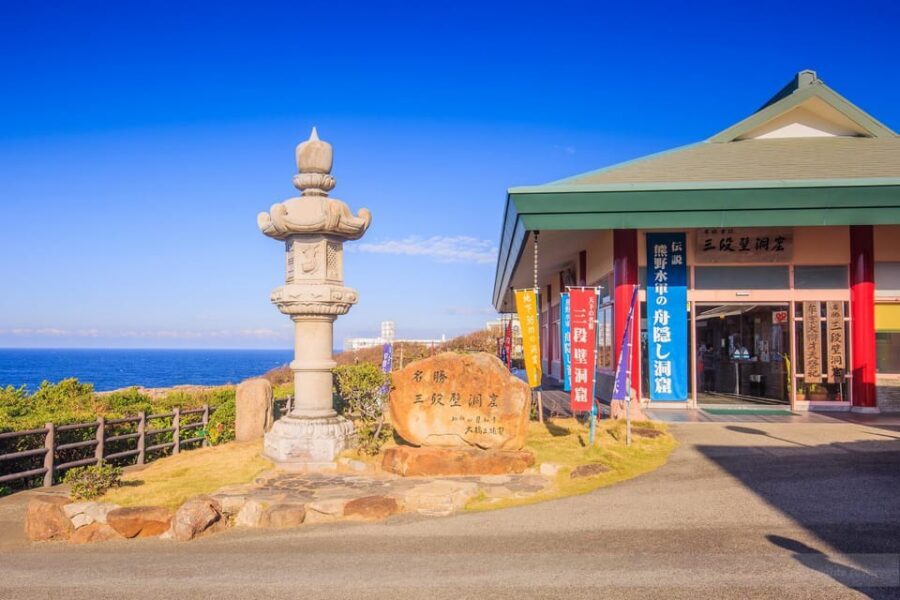
The afternoon swings to Shirahama, then to Senjojiki Rock Plateau, Engetsu Island, Sandanbeki Cave, and finally an observation tower area at Shirahama Key Terrace Hotel SeaMore (Coral Princess).
All of these are scheduled as self-guided free-time blocks (most around an hour, with Sandanbeki and the observation tower at shorter times). The pattern is clear: you’re meant to spend time shifting between coastal viewpoints and sea-feature sightseeing—cliffs, islands, and cave-like formations.
This is the part of the day that tends to feel most satisfying if you enjoy “look, pause, take it in.” If you rush, you’ll miss the calmer mood that makes these places memorable.
Also, bring your patience. Coastal areas can have crowds and changing light, and you’ll likely want time for photos. If your day runs behind schedule earlier, this is where you should reduce lingering and focus on the top 1–2 photo priorities.
The SeaMore observation tower: best used as a final shot on the way out
The last named sightseeing stop is the observation tower at Coral Princess (Shirahama Key Terrace Hotel SeaMore) with about 30 minutes.
That shorter timing is actually useful. Ending with a high-view or broad panorama experience gives your brain a clean finishing image before you head back toward Osaka.
If you want to maximize your return on that half hour, go for:
- one full round of viewing angles,
- a quick souvenir or drink stop if it’s convenient,
- and a settle-in moment before you re-enter the car.
Price and logistics: what you’re paying for (and what you aren’t)
Here’s how the money usually translates into day satisfaction.
Included:
- air-conditioned private transportation,
- highway tolls and parking,
- 10 hours of service (with paid extension),
- hotel pick-up and drop-off,
- wheelchair accessibility,
- the first baby seat for free.
Not included:
- admission tickets,
- food and drinks.
There’s also an extension structure if you want more time: beyond 10 hours, extra hours cost 5,000 yen per hour for 6-seat/9-seat vehicle types, and 10,000 yen per hour for 13-seat cars. A night service fee applies after 21:00 local time.
My practical take: build your day around the 10-hour frame unless you’re sure your must-dos fit. If your shortlist is realistic, the base price feels smooth. If you overreach, paid extensions can turn the “one day deal” into a heavier bill.
Driver, language, and the self-guided reality
You can’t select the driver’s nationality. Drivers may speak English, Japanese, or Chinese, and assignment is random within that range.
That variability is the main reason you’ll want to come prepared for self-navigation inside the sites. The good news: the driver is doing the heavy lifting—getting you there safely and on time, plus handling the road logistics.
One example from an actual experience: driver Tong was punctual and offered recommendations throughout the day, which helped make the free time feel less like guessing. Another experience involved a driver with limited English, but the day still worked because the group stayed flexible and communicated as best they could.
If language is a concern, your best move is to:
- show the driver your priorities clearly before you start,
- and keep your adjustments simple (shorten one stop, add time to another).
Customizing your itinerary: how to get the best outcome
Customization is the headline feature, but quality depends on how you build your shortlist.
When you customize, you share your favorite attractions and special requests. The team helps draft the route, and if reservations are needed, they can make arrangements in advance. You can also change the itinerary even while traveling, within the Wakayama urban area.
Here’s how to avoid the common frustration: choose fewer, more meaningful priorities. Wakayama’s combination of city stops, Mount Koya/Koyasan areas, pilgrimage territory, and a coastal cluster is a lot to pack in one day.
If you’re aiming for something very specific, like a particular temple experience within the region, tell them directly and ask whether it fits realistically with the rest of your selected stops. The day’s flow is flexible, but physics and driving time still exist.
Who this private Wakayama day suits best
This tour fits best if you want:
- a private car from Osaka,
- free time to explore without a guide,
- and a “choose your pace” structure.
It’s also a strong match for families who want fewer transfers, and for couples who like scenic stops but still want a practical plan. If you enjoy mixing major sights with quieter pauses—markets, stations, temple areas, coastal viewpoints—you’ll probably love how the day reads as a story instead of a rigid checklist.
If you want a deeply guided explanation at every location, or you need constant translation support, this setup may feel incomplete. It’s transportation and timing help, not a guided interpretation service.
Should you book this private Wakayama tour?
Book it if you’re traveling with a small-to-medium group, you like planning your own time on-site, and you want the freedom to adjust while still keeping the driving stress low.
Skip or rethink if your plan is to see a long list of far-apart places in one day. This is a great option for a smart shortlist, not for trying to “win the itinerary game.” If you have 6 must-dos, be ready that you might only get to a portion—especially when the day includes Mount Koya/Koyasan plus the Kumano Kodo route plus multiple Shirahama coastline stops.
If you want maximum satisfaction, do this: pick your top 3 must-sees, add 2 “nice if we have time,” and treat everything else as flexible. That way, your private car day stays relaxing instead of turning into a timed contest.
FAQ
How long is the private Wakayama tour?
It runs for 10 hours of service in total. You can extend the tour with an additional charge.
Where does the tour start and end?
Pickup and drop-off are from Osaka urban area locations, with hotel pickup and downtown drop-off included. The day ends back in Osaka.
Can I customize the itinerary?
Yes. You can fully customize your own itinerary in Wakayama or use a recommended route. You share your favorite attractions and requests, and they help draft an itinerary.
Can the plan change during the day?
Yes. The schedule is for reference only and may change due to traffic and visit times. You can also make changes within the Wakayama urban area even while traveling on the vehicle, and you can discuss adjustments with your driver.
Is a tour guide or translation included?
No. The service does not provide translation or tour guides, so you’ll be self-guided at each stop.
What’s included in the price?
Included are an air-conditioned private vehicle, private transportation, first baby seat (if requested), hotel pickup and drop-off, highway tolls, parking fees, and 10 hours of service.
Are admission tickets and meals included?
No. Admission tickets and food and drinks are not included.
What about luggage and group size?
The tour uses 6/9/13 seat cars with different luggage limits. The luggage defaults to 24 inches, and the included car type depends on your group and luggage needs.
Do I get a baby seat?
The first baby seat is free. A second baby seat costs an additional 2,000 yen per child, and you need to tell them before departure.
What languages do the drivers speak?
Drivers may speak English, Japanese, or Chinese, but the driver’s nationality is not selectable and assignment is random.