REVIEW · KYOTO
Sacred Treasure Fushimi Inari and Kiyomizu Dera Tour
Book on Viator →Operated by Konnichiwa-japan · Bookable on Viator
Two shrines, one smooth Kyoto day in 3 hours. This guided route links Fushimi Inari’s vermillion torii gates with Kiyomizu-dera’s famous Pure Water vibes, then finishes with the classic streets of Ninenzaka and Sannenzaka. It’s a practical way to see Kyoto’s spiritual highlights without turning your day into an all-day transit puzzle.
I like that admission tickets are included for the main temples, so you’re not juggling lines or extra payments mid-walk. I also like the small-group feel, with a maximum of 50 travelers, and the way guides often explain the contrast between Shinto and Buddhism (Robert, Andrea from Colombia, and Joanes y Ricardo all pop up in the guide stories). The main consideration: there have been occasional reports of last-minute disruption or unexpected extra charges if plans shift, so you’ll want to stay alert close to departure time.
In This Review
- Key Points Worth Knowing Before You Go
- A 3-Hour Kyoto Plan That Actually Works
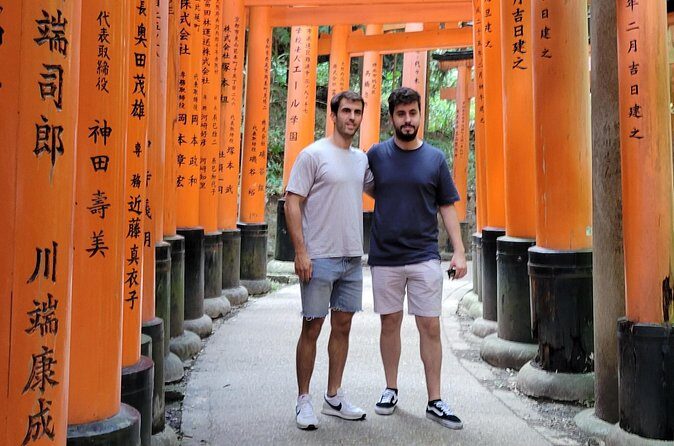
- First Stop: Fushimi Inari Taisha and Its Torii Gate Maze
- What I’d watch for at Fushimi Inari
- Kiyomizu-dera: Sacred Waters, the Wooden Stage, and Big Views
- If you want meaning, ask your guide to connect the dots
- What to expect in the Kiyomizu-dera time window
- Ninenzaka and Sannenzaka: Traditional Streets With a Built-In Payoff
- How to use the short street time
- Guides You Can Spot: Robert, Andrea, Joanes y Ricardo
- Price and Logistics: What $30 Buys You (and What Might Cost Extra)
- A real-world caution
- Who This Tour Is Best For
- Should You Book This Sacred Treasures Tour?
- FAQ
- Where does the tour start and end?
- How long is the tour?
- Is admission included for the temples?
- Is there public transportation nearby?
- Do I need to pay for private transportation or transportation fees?
- What ticket format will I receive?
- What’s the cancellation policy if weather is bad or plans change?
- How big is the group?
Key Points Worth Knowing Before You Go
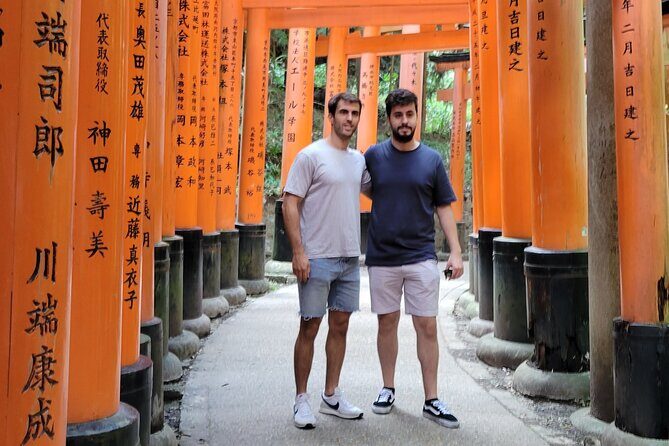
- Two major temples, one efficient loop: Fushimi Inari (1 hour) and Kiyomizu-dera (1 hour 30 minutes) make up most of the time.
- Tickets included for temple visits: entrance for the shrines/temples is part of the package.
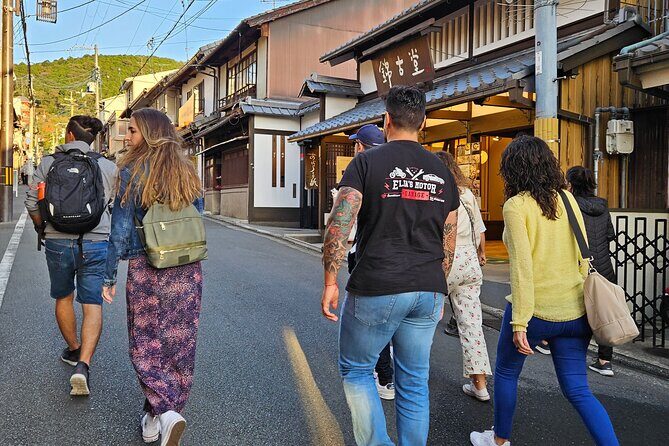
- A short taste of old-street Kyoto: Ninenzaka and Sannenzaka get about 15 minutes each for walking and shopping.
- You’ll end where the souvenirs are: the tour finishes at Ninenzaka/Sannenzaka so you can grab coffee and browse right away.
- Group size capped at 50: this keeps the experience from feeling totally chaotic, though it can still get crowded at the landmarks.
- Weather matters: the experience requires good weather, with rescheduling or refund if it’s canceled for that reason.
A 3-Hour Kyoto Plan That Actually Works
This is a tight, focused Kyoto tour designed to hit three big visual hits and one “slow-walk” street area. With a duration of about 3 hours, it’s not pretending to be a full cultural day. It’s more like a well-timed sampler: enough time for the torii gates, a real stop at Kiyomizu-dera, and a short stroll where traditional shops cluster.
The structure is simple: you start at Kyoto Station, then you’re guided through the two temple anchor points. After that, you get two quick segments on Ninenzaka and Sannenzaka, including a natural transition into shopping and coffee at the end point. If you’re the type who likes to see a lot but hate wasting time figuring out logistics, this format helps.
You can also read our reviews of more tours and experiences in Kyoto.



First Stop: Fushimi Inari Taisha and Its Torii Gate Maze
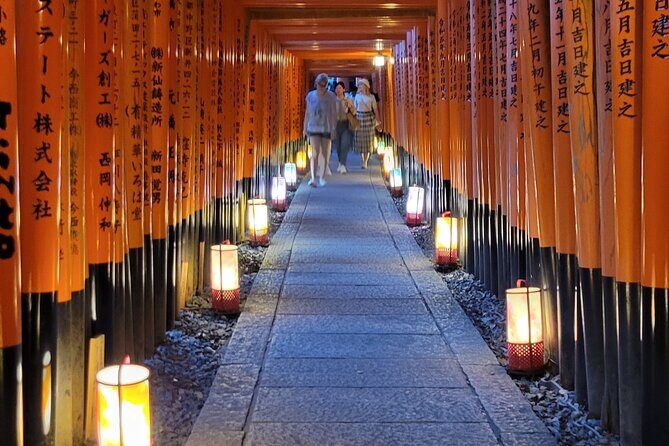
Fushimi Inari Taisha is a Shinto shrine dedicated to Inari, associated with rice, prosperity, and business. What makes this stop iconic isn’t just the shrine building. It’s the long tunnel-like walk through thousands of vermillion torii gates that creates that “how is there still more?” feeling.
With about 1 hour here and admission included, you can do the key walking loop without turning it into a hike marathon. You’ll likely feel the rhythm of the place: gate after gate, small side paths, and little moments where the view opens up and you can reset your brain. Inari symbolism shows up everywhere, and a good guide helps you see what you’re actually looking at instead of just snapping photos and moving on.
What I’d watch for at Fushimi Inari
- Crowds move in waves: plan for slower moments near popular viewpoints inside the gate trails.
- Wear shoes you can walk in for a while: even when time is limited, the ground is uneven in spots and the stairs/paths can add up.
- Use the hour wisely: 60 minutes sounds roomy until you notice a side route. If you want a fuller sense of the space, aim for the main flow first, then only detour if the group pace still feels good.
Kiyomizu-dera: Sacred Waters, the Wooden Stage, and Big Views
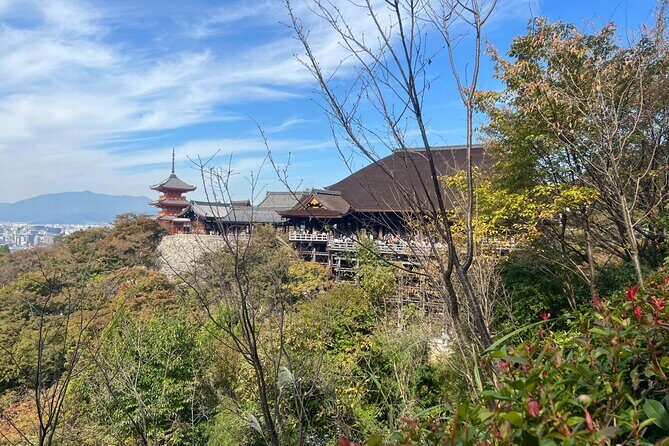
Kiyomizu-dera is the other anchor, and it’s one of Kyoto’s best-known landmarks for a reason. It’s a UNESCO World Heritage site, and it’s often called the Pure Water Temple. The defining features here include the dramatic wooden stage that juts out over the hillside and the sacred waters people associate with health and longevity.
You get about 1 hour 30 minutes at Kiyomizu-dera, with admission included. That extra time matters because this temple isn’t just one photo spot. It’s a whole complex where the paths, viewpoints, and temple spaces build a sequence. A guide’s job is to keep you from feeling lost and to help you connect the dots between what’s sacred, what’s symbolic, and what you’re seeing from the main vantage points.
If you want meaning, ask your guide to connect the dots
Some guides on this kind of tour go beyond “here’s the building” and talk religion in practical terms—how Shinto and Buddhism show up differently in everyday life. In one guide story, the tour included a participation moment tied to a temple ritual connected to finding the right person. You might find that kind of interactive element depends on the guide and what’s available on the day, but it’s a good sign when the tour moves past sightseeing into actual context.

What to expect in the Kiyomizu-dera time window
- Views take a minute: don’t rush the main overlook time just because you’re “on schedule.”
- The sacred water area is a short stop, but it can be a memorable one: even if you don’t do anything ritual-related, you’ll understand why people treat it with care.
Ninenzaka and Sannenzaka: Traditional Streets With a Built-In Payoff
After the heavier temple stops, the tour shifts to Ninenzaka and Sannenzaka—two famous historic streets lined with preserved traditional buildings and cobblestone paths. You get about 15 minutes at Ninenzaka Path and about 15 minutes at Sannenzaka. Then the tour ends right in the shopping street area, which is exactly where you want to be if you’re hoping to turn walking into souvenirs and coffee.
This is a smart choice for time management. Instead of treating these streets as an optional wander you might skip, the tour guarantees you reach them. And because you’re only getting a taste (not a full hour-and-a-half detour), you can keep your energy for later if you want to roam on your own.
How to use the short street time
- Decide your shopping budget quickly: 15 minutes is enough to browse and maybe buy one or two things, not enough for a full cart of snacks.
- Pick one side to photograph first: once you stop moving, crowds and foot traffic can make it harder to get clean angles.
- Treat coffee like part of the schedule: since you finish in the shopping zone, you can refill without needing extra transport.
Guides You Can Spot: Robert, Andrea, Joanes y Ricardo
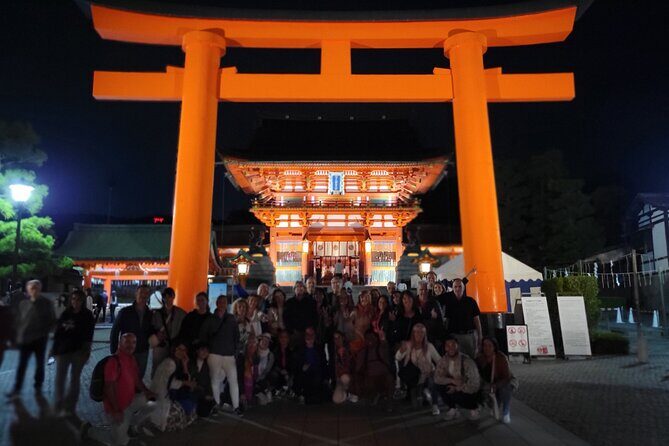
This tour lives or dies by the guide, because the sites are famous but the context is what makes them stick. In the guide experiences shared for this tour, you’ll see a pattern: the best guides explain what you’re looking at and why it matters.
- Robert is noted for history and mythology context, plus a more story-driven approach.
- Andrea from Colombia comes up with a focus on making the two main religions easier to understand, and she’s described as a steady presence at the sites.
- Joanes y Ricardo are highlighted for patience and for temple explanations without rushing people.
That matters for your day. If a guide is good at pacing, you spend less time wondering and more time absorbing. If the guide is less organized, you feel it immediately at busy stops where you need clear direction. Either way, you’ll likely get more out of your visit by treating your guide like a translator between “this is famous” and “this is what it means.”
Price and Logistics: What $30 Buys You (and What Might Cost Extra)

At $30.00 per person for a roughly 3-hour guided tour, the value depends on two things: whether the included tickets truly apply smoothly on your day, and whether the schedule and meeting point handoff go cleanly.
Here’s what’s included on paper:
- Certified guide
- Tickets to the temples
- Walking tour experience
- Mobile ticket
- Max group size of 50
Not included:
- Private transportation
- Transportation fees
So, you should assume you’ll handle any transit costs on your own if the tour doesn’t provide transportation. The itinerary is built for walking and landmark viewing, but the areas covered include Kyoto Station, Fushimi Inari, and Kiyomizu-dera, so moving between those stops is part of the reality of the route. Keep some yen set aside for transit-related expenses just in case, even if tickets are included.
A real-world caution
There have been serious negative experiences reported about organization issues, including last-minute cancellations due to guide delay and situations where additional costs were requested after the tour plan shifted. I can’t predict what will happen for your departure, but I can tell you the practical fix: confirm the meeting plan close to start time, arrive early at Kyoto Station, and keep an eye out if anything changes midstream. If something feels off, speak up quickly rather than waiting until the end.
Who This Tour Is Best For
This tour fits best if you:
- want a time-efficient Kyoto overview that prioritizes the two biggest temple stops
- like structured walking with a guide doing the speaking and navigation
- prefer a short street walk (Ninenzaka/Sannenzaka) without spending half your afternoon getting there
It might be a weaker fit if you:
- hate any chance of last-minute disruption and need a zero-risk schedule
- are looking for long time in only one place (this is balanced, not deep-specialist)
- want a tour with included transportation (the package explicitly says private transportation and transportation fees aren’t included)
If you’re traveling solo or as a couple, the group format can be fine because the sites are the stars. If you’re with kids or you need a very slow pace, you may want to confirm how the guide handles pauses, but the walking times shown suggest it’s still fairly active.
Should You Book This Sacred Treasures Tour?

I’d book it if you want a well-paced Kyoto highlights circuit that pairs Fushimi Inari with Kiyomizu-dera, then gives you an easy on-ramp into Ninenzaka and Sannenzaka shopping. The inclusion of temple admissions and the mobile ticket is the kind of small convenience that keeps a short tour feeling smooth.
I’d hesitate only if you’re extremely schedule-sensitive, because there have been reports of organizational trouble on some departures. If that risk would stress you out, you might do better with a more self-guided plan that you can control fully.
FAQ
Where does the tour start and end?
The tour starts at Kyoto Station (Higashishiokoji Kamadonocho, Shimogyo Ward, Kyoto). It ends at Kiyomizu-dera and the shopping street area of Ninenzaka and Sannenzaka.
How long is the tour?
The tour lasts about 3 hours (approx.).
Is admission included for the temples?
Yes. Tickets for the temples are included for the temple stops.
Is there public transportation nearby?
Yes. The tour is noted as being near public transportation.
Do I need to pay for private transportation or transportation fees?
Private transportation and transportation fees are not included.
What ticket format will I receive?
The tour uses a mobile ticket.
What’s the cancellation policy if weather is bad or plans change?
You can cancel for free up to 24 hours in advance for a full refund. The experience requires good weather, and if it’s canceled due to poor weather, you’ll be offered another date or a full refund.
How big is the group?
The tour has a maximum of 50 travelers.