REVIEW · TOKYO
Tokyo Shinjuku : Private Walking Night Tour with Pachinko
Book on GetYourGuide →Operated by Horizon GK · Bookable on GetYourGuide
Shinjuku at night has its own rhythm. This private Shinjuku walking tour turns the bright neon into something more personal, with stops like Omoide Yokocho and a guided try at Pachinko. It’s built for couples and families who want a safer, easier way to wander after dark.
I like two things a lot: the chance to step into Omoide Yokocho first, then move on to the side-streets of Kabukicho that most people speed past. I also like that English guide Zen and others can tailor the evening, including swaps for families when Pachinko isn’t suitable for kids. One possible drawback: if you’re hoping for lots of historical background and broad context, you should be ready that the focus can skew more toward the night streets and the gaming experience than big-picture explanations, and timing can vary.
In This Review
- Key things to know before you go
- Why Shinjuku at night feels like a different city
- Meeting at Shinjuku East Exit: fast start, easy orientation
- Omoide Yokocho Memory Lane: the short stop that hits hard
- Kabukicho’s hidden corners: beyond the neon noise
- Pachinko in real life: instructions, practice, and how to spend wisely
- Hanazono Shrine at night: a calm reset from the crowds
- How private guiding changes Shinjuku (and why it’s worth it)
- Price and value: $19 for the walk, plus what you’ll pay in Japan
- Timing reality check: 90 minutes on paper vs. how the night flows
- Who this tour is best for
- Practical tips to get the most from Pachinko night
- Potential downsides (and how to avoid disappointment)
- Should you book the Shinjuku + Pachinko night tour?
- FAQ
- How long is the Shinjuku night walking tour with Pachinko?
- Where do I meet the guide in Shinjuku?
- Is Pachinko included in the tour price?
- Does the tour include food and drinks?
- Is the tour private and in English?
- Is the tour wheelchair accessible?
Key things to know before you go

- Private, English-speaking guide for your group, so you’re not stuck following a large crowd.
- Omoide Yokocho in about 15 minutes, perfect if you want the vibe without a long, slow sit-down.
- Kabukicho alleys, not just neon streets, with time set aside to walk and then loop back through the entertainment area.
- Pachinko help included in the plan: your guide explains how it works and supports you as you try it.
- Hanazono Shrine stop adds a quieter counterpoint to the loud entertainment streets.
- Flexibility for families: Zen is noted for adjusting the activities if kids can’t do a specific part of the plan.
Why Shinjuku at night feels like a different city
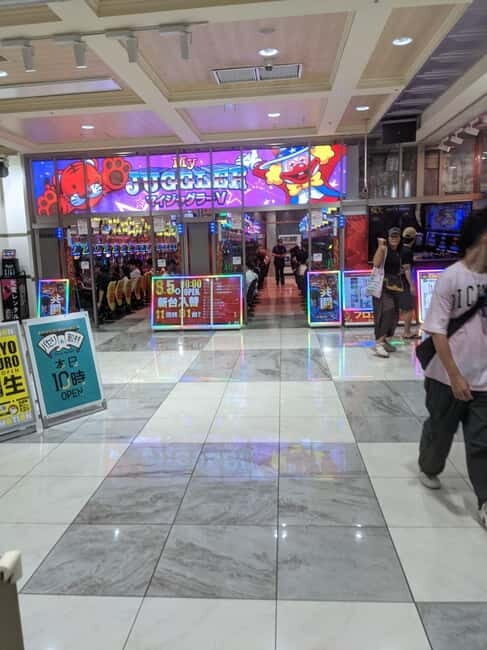
Tokyo by day is fast and tidy. Tokyo at night is louder, messier in a human way, and full of small scenes that only show up after sunset. Shinjuku’s backstreets are one of the best places to see that change, because the neighborhood flips from commuting flow into after-hours routines.
This is where a guided walk helps. You’re not just crossing streets and hunting for places. You’re learning where the interesting lanes are, how the entertainment district moves, and how to keep your feet moving comfortably in the dark. And because it’s private, you can ask quick questions without everyone behind you waiting.
You can also read our reviews of more walking tours in Tokyo
Meeting at Shinjuku East Exit: fast start, easy orientation
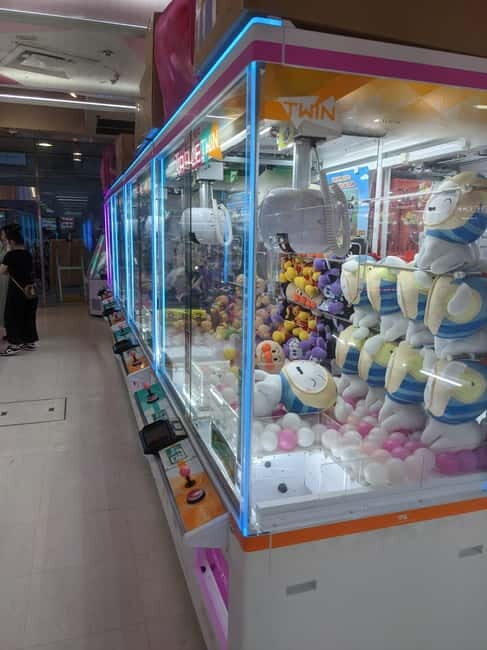
You meet at JR Shinjuku Station East Exit, on the ground floor. The landmark is a Lion statue (the pyramid with a lion head). It’s a practical meet point because it’s highly visible and connected to major train lines.
One more reason this matters: Shinjuku can be disorienting at night. Getting started at a clear anchor reduces the usual stress of late-evening station navigation. From there, your guide keeps you moving in a tight arc, so you don’t waste half your evening just figuring out which way is out.
Omoide Yokocho Memory Lane: the short stop that hits hard
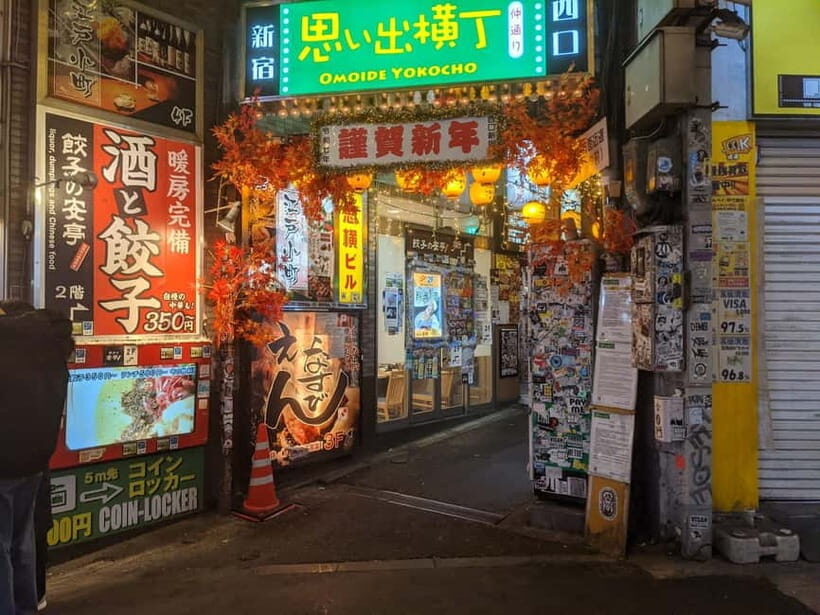
Your tour begins with a walk through Shinjuku’s backstreets, then lands at Omoide Yokocho (Memory Lane) for about 15 minutes. This is that classic narrow-alley feel—small spaces, close-up energy, and the sense of post-war Tokyo atmosphere that people come to understand firsthand.
Even with a short visit window, this stop works if you treat it like a photo-and-feel mission. Look up. Watch how the alleys funnel voices and smells. Notice how the tiny places cluster on both sides. If you want food or drinks, you can buy them on the spot since meals aren’t included—so you can choose what fits your budget and your group’s appetite.
Kabukicho’s hidden corners: beyond the neon noise
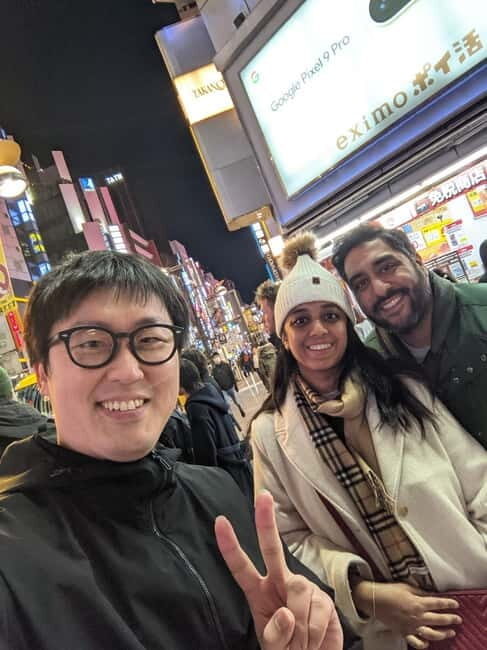
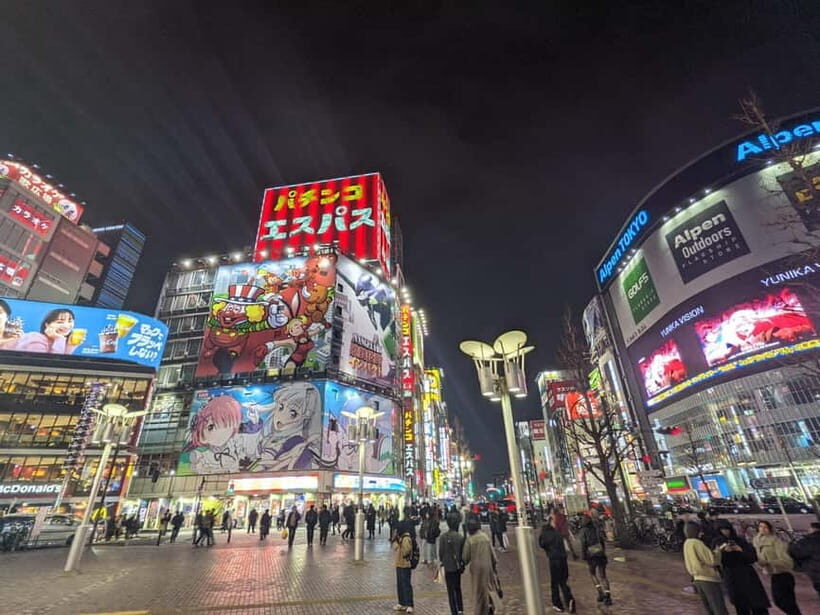
After Memory Lane, you shift into Kabukicho, Shinjuku’s famous entertainment district. The plan keeps you out of the “look but don’t touch” mode. Instead, your guide takes you into the lanes that run parallel to the main streets.
Kabukicho can be intense if you’re walking it alone, mostly because the energy changes block to block. In this tour format, you’re not wandering blind. You get a guided route that helps you read what you’re seeing: where people are going, what kinds of venues line the streets, and how to move through it without feeling lost.
The tour structure also gives time for repetition. You’ll spend a chunk of time walking in Kabukicho, and later you return for the game-focused part. That pacing matters because it lets the neighborhood sink in before you commit to Pachinko.
Pachinko in real life: instructions, practice, and how to spend wisely
Pachinko is the centerpiece. Your guide explains how Pachinko works and helps you try it. That’s not a small detail. Pachinko is one of those Tokyo experiences that looks straightforward until you’re standing in front of the machine and realize the rhythm, terminology, and flow take a minute to learn.
Here’s what you should plan for:
- The Pachinko fee is not included. You pay based on what you choose to spend.
- Your guide will help you play, but your winnings (or losses) depend on your luck and how much you put in.
If you want a confidence boost, arrive ready to ask questions. In at least one instance, the guide used a quick Pachinko basics video when asked for more detail on the game. Translation: if you want deeper explanation, ask early and clearly, and you’ll get what you can from the guide on the spot.
A useful budgeting mindset: treat the Pachinko portion like an entertainment ticket, not like a fixed-price activity. At $19 for the tour itself, you’re paying for guidance and access to the experience. The game spending is the variable cost.
You can also read our reviews of more private tours in Tokyo


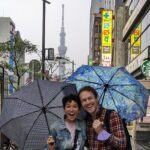

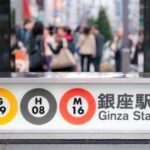
Hanazono Shrine at night: a calm reset from the crowds
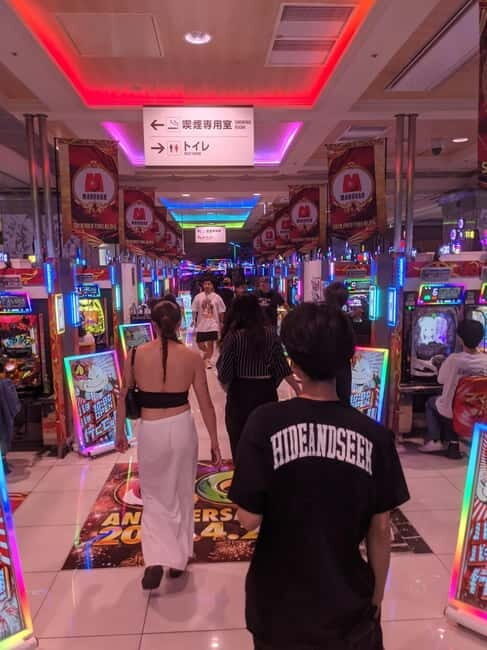
One of the smartest moves in the itinerary is the stop at Hanazono Shrine. It’s a breather in a schedule that otherwise leans entertainment district heavy.
This is where the tour becomes more than just “walk and gamble.” The shrine stop gives you contrast—space to slow down, take in a different atmosphere, and let the sensory overload of Kabukicho drop off. For couples, it’s a nice reflective moment. For families, it’s a change of scenery that helps the evening feel varied, not one long sprint.
How private guiding changes Shinjuku (and why it’s worth it)
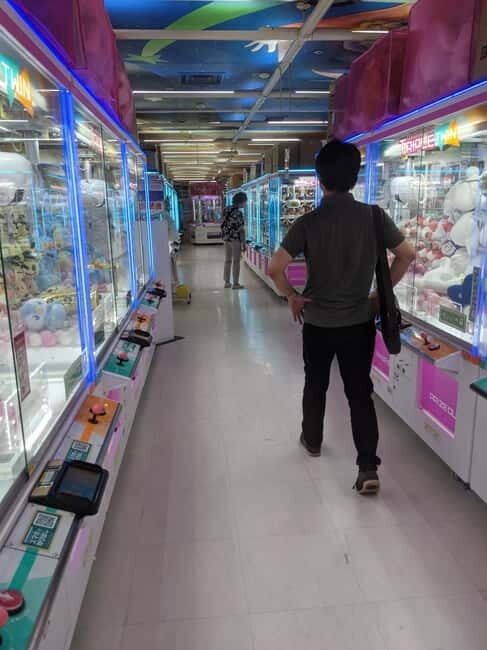
The tour is private, meaning it’s just your group. That changes everything in a place like Shinjuku, where interest level can vary fast. One person wants street photos. Another wants the game explanation. Kids might get restless. In a group tour, you’d lose options.
In the feedback for this experience, Zen is credited with tailoring the evening—especially when Pachinko wasn’t possible for kids. The result is that the tour doesn’t feel like it’s forcing every participant through the same script. You get the experience shape that fits your group, while still covering the core stops.
Price and value: $19 for the walk, plus what you’ll pay in Japan
The tour price is $19 per person for 90 minutes, and the guide and translation/interpretation are included. That’s a strong value if your goal is guidance through Shinjuku at night plus help with Pachinko.
The big “extra” costs are simple and easy to plan:
- Pachinko gaming fee: varies based on what you spend.
- Food and drinks: pay at the spot if you want them.
What you’re really buying here is time and confidence. If you’ve never done Shinjuku at night, the cost of getting disoriented, turning the wrong way, or missing the better side-streets can be real. A private guide reduces that risk. And because the tour includes the pacing, you don’t have to structure your own evening from scratch.
Timing reality check: 90 minutes on paper vs. how the night flows
The advertised duration is 90 minutes. Still, pacing can shift depending on what you choose to do, especially around the Pachinko part.
Some groups have experienced the tour as shorter than the itinerary suggests. Other factors can tighten or stretch the schedule too—questions, photo stops, or adjusting activities for kids. If you have a strict plan after the tour (like catching the last train for your hotel), give yourself a little buffer.
My practical advice: treat this as a guided evening block, not a timed bus connection. If you want extra time at Omoide Yokocho or deeper questions about Pachinko, tell the guide early so the schedule can adapt.
Who this tour is best for
This is a great fit if:
- You’re a couple who wants an authentic night in Shinjuku without feeling out of place.
- You’re a family looking for a structured walk that stays safe and manageable after dark.
- You’re a first-timer who wants Pachinko help instead of guessing your way through it.
- You already like Tokyo’s neighborhoods and want to see parts of Shinjuku you might not find on your own.
It might be less perfect if your top priority is heavy history lessons or a long, slow cultural tour. The emphasis is on night street experience plus Japanese gaming culture. If you want more “lecture mode,” bring specific questions.
Practical tips to get the most from Pachinko night
A few things will make your evening smoother:
- Bring small cash or a payment method you’re comfortable using for the Pachinko fee. Since it’s not included, you’ll want it ready.
- Wear comfortable shoes. You’ll be walking and weaving through alleyways and streets, and Shinjuku’s sidewalks can vary in width.
- Go in with a questions mindset. Ask how to play and what decisions matter early, so you’re not trying to catch up while you’re mid-game.
- If you’re with kids, talk with the guide about what they can handle. The tour format is known for adjusting when Pachinko isn’t suitable.
Also, don’t ignore the guide’s role beyond logistics. A good guide helps you feel like Shinjuku is readable. That confidence carries you beyond the tour, too.
Potential downsides (and how to avoid disappointment)
Let’s balance the picture. The most consistent praise focuses on:
- fun, hands-on Pachinko guidance
- friendly, tailored English guiding (Zen comes up often)
- confidence for exploring Shinjuku streets safely
The main caution is about expectations:
- If you expect a lot of historical context and big-picture storytelling, you might feel the information is lighter than you want.
- If you expect a machine-like schedule with every stop guaranteed for a specific time, timing can feel tighter than what you might expect.
How to manage both issues is simple: set your priority at the start. If Pachinko is your key goal, say so. If you want more background, ask for it early, and ask specific questions rather than asking for general history.
Should you book the Shinjuku + Pachinko night tour?
If you want an affordable, guided way to experience Shinjuku after dark, this is an easy yes—especially if you’re interested in Pachinko but don’t want to figure it all out alone. At $19, you’re not paying for a luxury evening. You’re paying for a guide to get you into the right lanes, explain the gaming part, and keep the night moving smoothly.
I’d book it if you’re traveling as a couple or family and you value practical help more than lecture-style history. I’d skip it if your main goal is deep cultural context with no distractions from the entertainment district. And if you’re sensitive to schedule changes, give yourself buffer time afterward so the night doesn’t feel rushed.
FAQ
How long is the Shinjuku night walking tour with Pachinko?
It runs for 90 minutes.
Where do I meet the guide in Shinjuku?
Meet at JR Shinjuku Station East Exit, on the ground floor. Look for the Lion statue (the pyramid with a lion head).
Is Pachinko included in the tour price?
Your tour includes guidance and help trying Pachinko, but the Pachinko gaming fee is not included. It depends on how much you spend.
Does the tour include food and drinks?
No. Food and drinks are not included, and you pay for them on the spot if you want them.
Is the tour private and in English?
Yes. It’s a private group tour and the live guide provides English interpretation/translation.
Is the tour wheelchair accessible?
Yes, the activity is listed as wheelchair accessible.